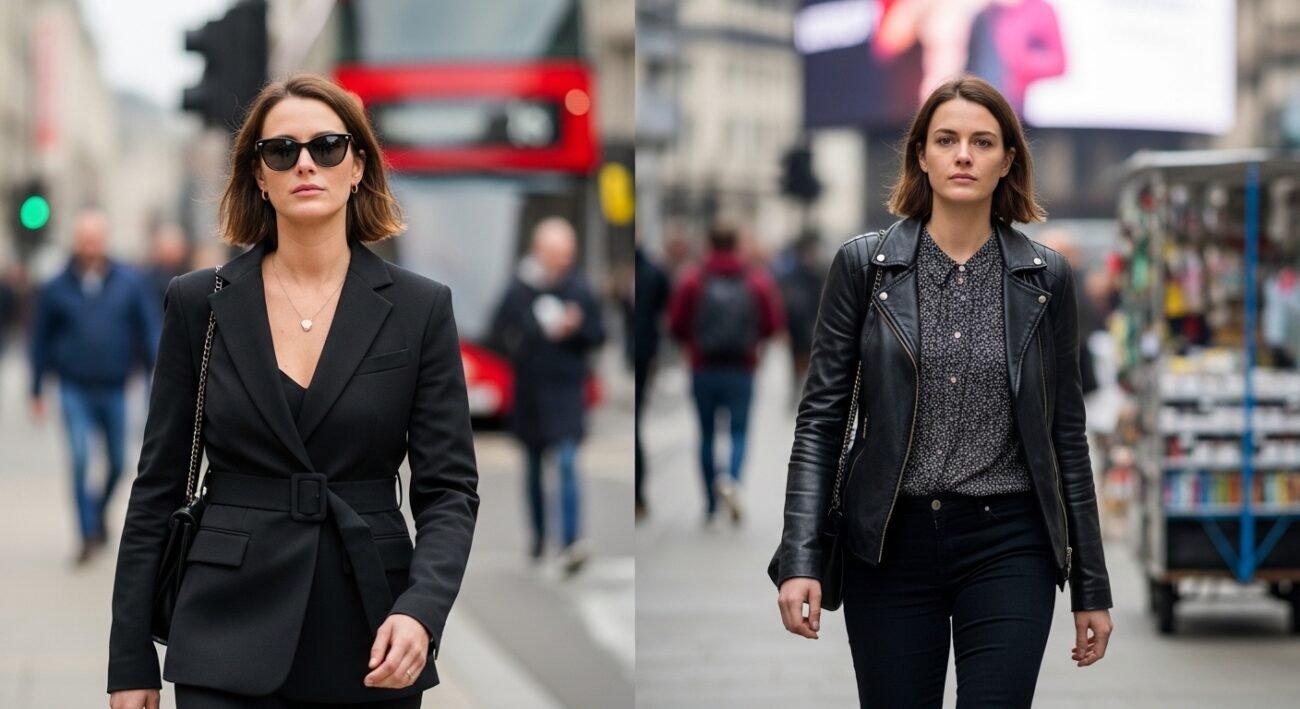
Public appearance often influences how people are perceived, whether we notice it or not. A simple experiment comparing reactions to wearing makeup versus going without it reveals subtle yet meaningful differences in everyday interactions. From eye contact to service experiences, these small shifts can shape confidence and social behavior. The goal is not to judge one choice over another, but to understand how presentation affects perception in public spaces. This experiment highlights real-world observations that many people quietly experience, offering insight into how others respond and why self-presentation can feel so impactful in daily life.
First Impressions Shift Quickly
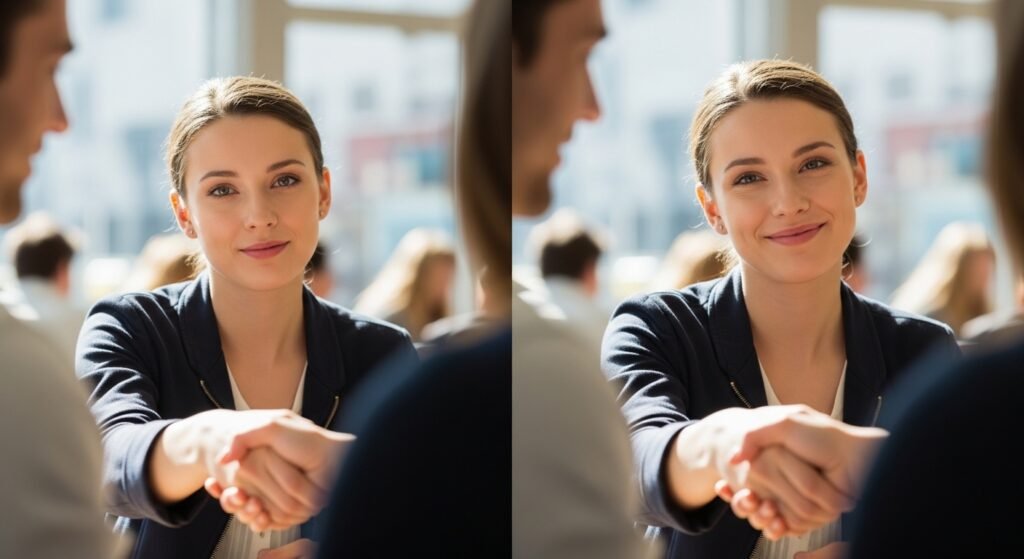
People tend to form opinions within seconds. With makeup, individuals often receive quicker acknowledgment, while without it, reactions may feel more neutral. These differences are subtle but noticeable in first encounters and brief public interactions.
Eye Contact Becomes More Frequent

Wearing makeup often leads to increased eye contact during conversations or casual encounters. Without makeup, people may still engage, but the intensity and frequency of eye contact can slightly decrease in busy public settings.
Customer Service Feels Warmer
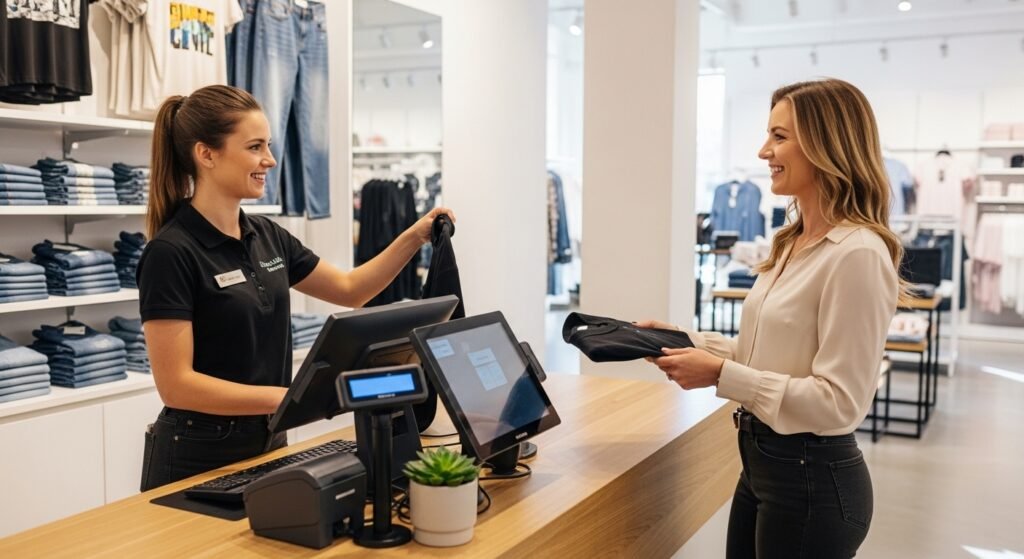
In shops or service areas, individuals wearing makeup sometimes experience more attentive responses. Without makeup, service remains professional but may feel less personalized, highlighting how small visual cues can influence human behavior unconsciously.
Compliments Appear More Often

Makeup tends to invite more compliments, especially about appearance or style. Without it, compliments may shift toward personality or actions, showing how external presentation can guide the type of feedback people receive.
Confidence Levels Naturally Change

Many individuals report feeling more confident with makeup, which can influence posture and communication. Without makeup, confidence may rely more on internal mindset, creating a different but equally valid sense of self-assurance.
Social Interactions Slightly Increase

With makeup, casual conversations or friendly gestures from strangers may occur more often. Without it, interactions still happen but can feel more reserved, reflecting how visual presentation can impact approachability in public spaces.
Perceived Effort Plays a Role
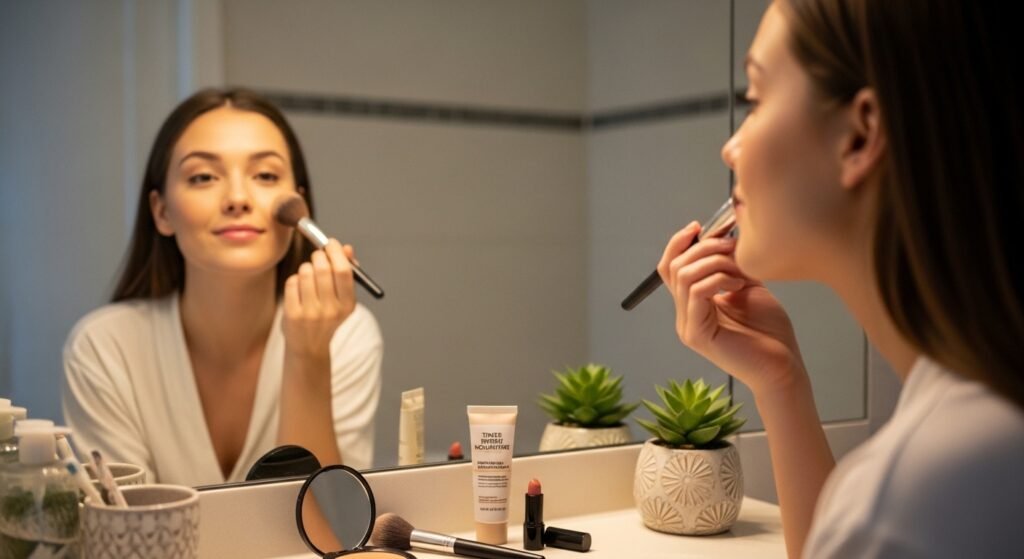
People often associate makeup with effort and preparation. This perception can lead to more positive assumptions. Without makeup, others may perceive a more relaxed or natural approach, which can also be appreciated differently.
Professional Settings Show Noticeable Differences
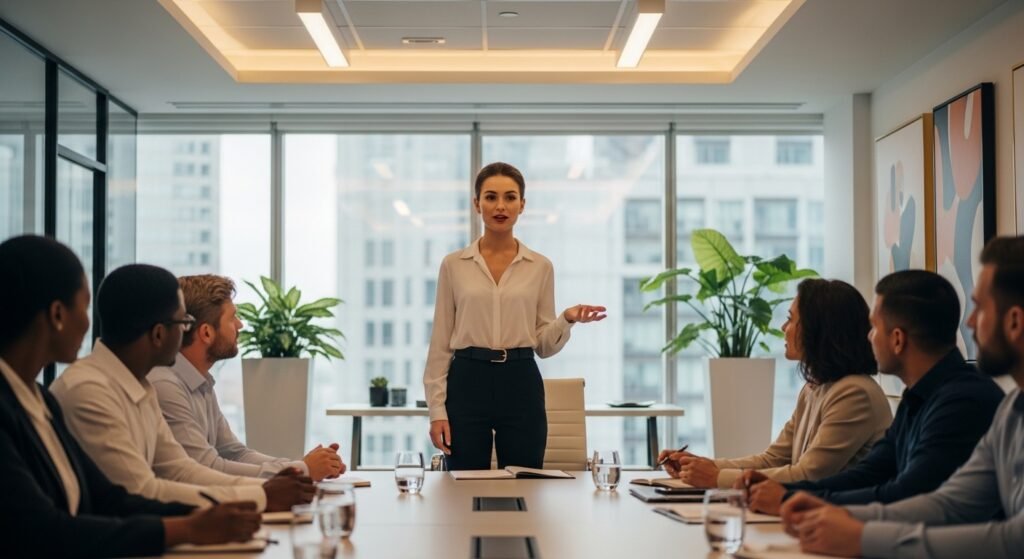
In work-related environments, makeup can sometimes influence how polished someone appears. Without it, professionalism remains intact, but subtle biases may still affect how individuals are initially perceived by colleagues or clients.
Mood Influences Reactions

When wearing makeup, people often carry themselves with more energy, affecting how others respond. Without makeup, a calmer or more understated presence can shape quieter interactions in public and social situations.
Personal Comfort Becomes Clearer

The experiment highlights how comfort varies between individuals. Some feel empowered with makeup, while others prefer a natural look. Public reactions differ, but personal comfort ultimately shapes how people carry themselves confidently.
