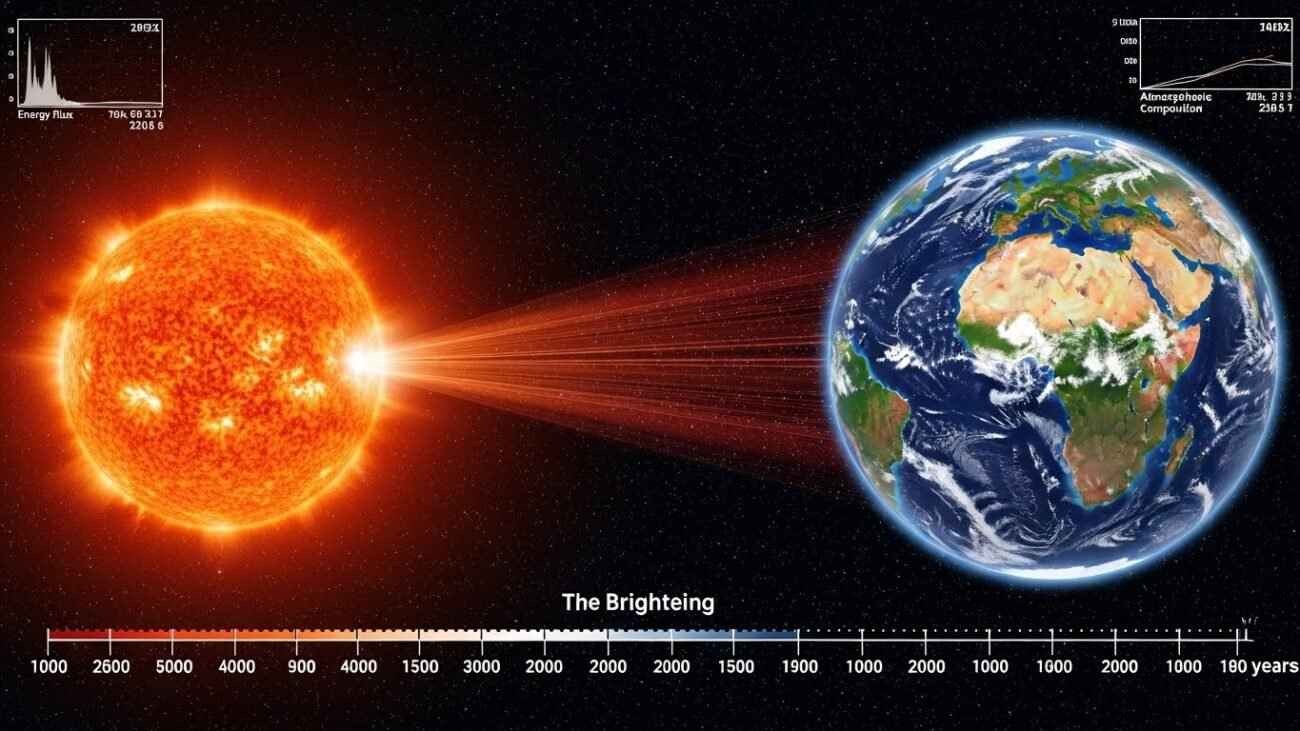
Recent climate modeling work using a high performance NASA supercomputer has provided clearer limits on Earth’s long term habitability. The study focuses on atmospheric chemistry, solar output, and surface water stability across deep time. Results do not predict sudden collapse. Findings outline gradual constraints driven by physics and stellar evolution. The analysis reframes habitability as a measurable timeline rather than an abstract concept.
Solar output growth shapes habitability limit
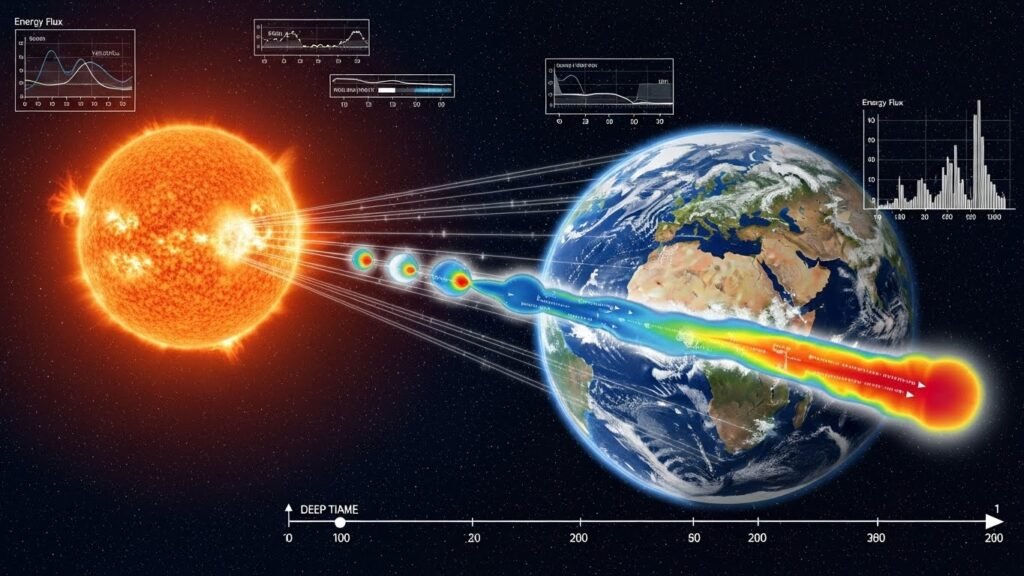
The Sun gets brighter with a period of time, as a result of hydrogen fusion processes. Models indicate that there are constant increases in the sun energy reaching the earth. Increase in energy input raises the temperatures of surfaces. Even before extreme conditions set in, micro weather changes, oceans, and long term water balance across continents due to micro warming.
Atmospheric carbon dioxide decline
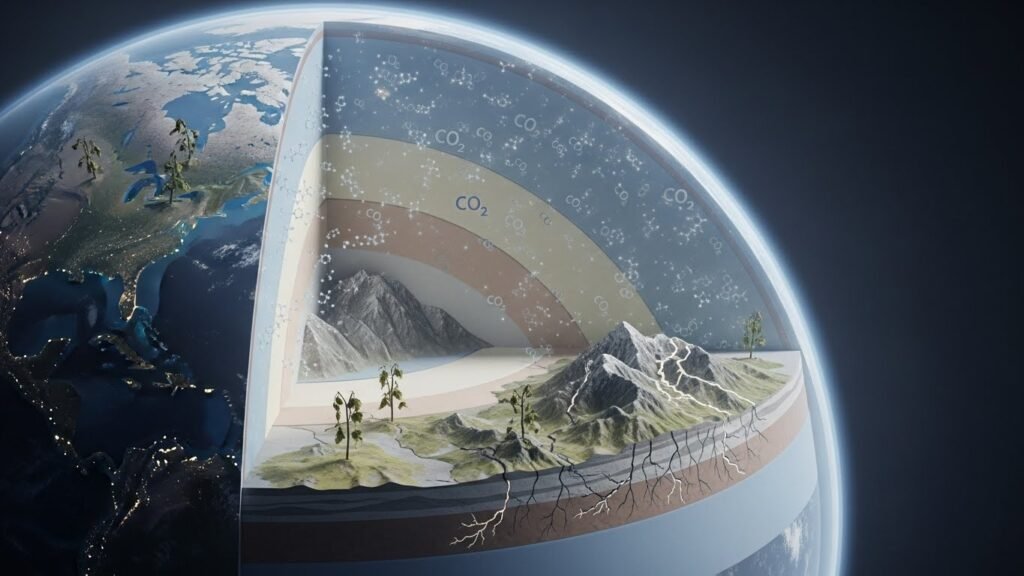
An increase in solar energy increases rock weathering. This procedure eliminates carbon dioxide in the atmosphere. Carbon dioxide helps in plant photosynthesis and maintenance of temperatures. The carbon dioxide in the atmosphere has been modeled to decrease below amounts needed by most plants. This transformation takes place long before the evaporation of oceans and high surface temperatures.
Plant life duration estimates
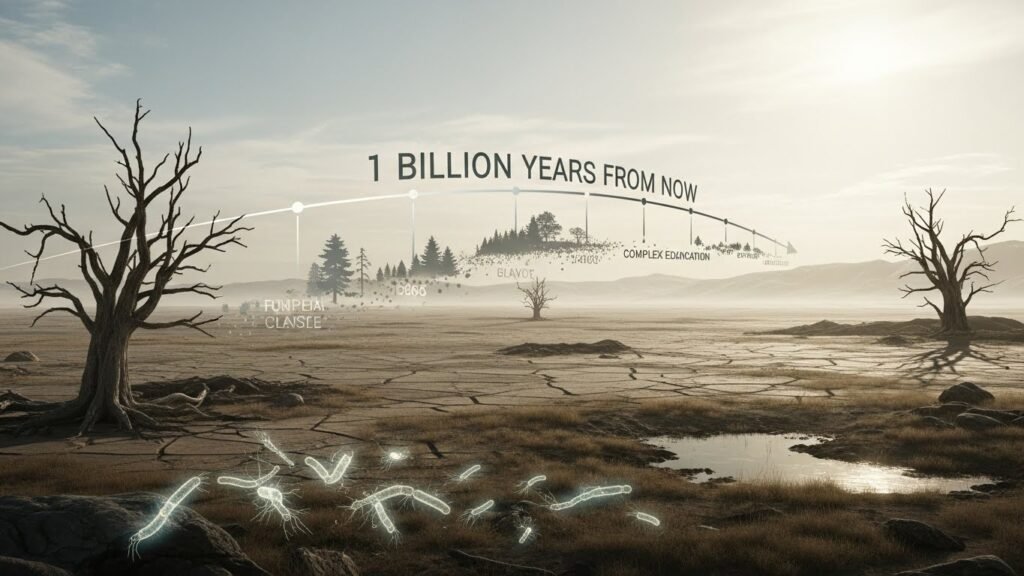
Photosynthetic plants rely on carbon dioxide thresholds. Supercomputer simulations estimate large scale plant decline in roughly one billion years. Complex ecosystems dependent on plants follow a similar timeline. Microbial life persists longer due to simpler energy needs and broader tolerance ranges.
Ocean evaporation processes
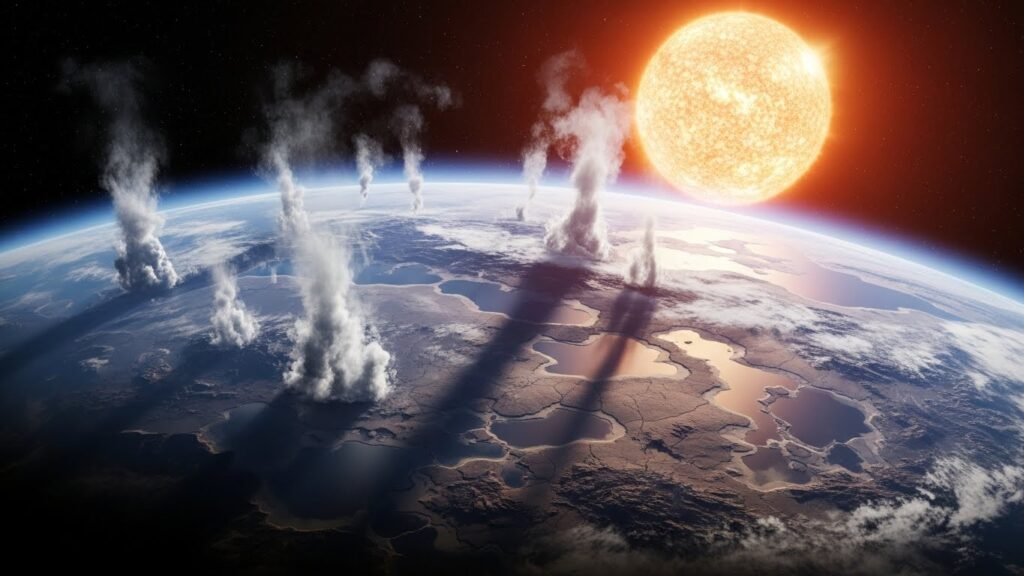
As solar intensity rises, evaporation increases. Water vapor enters the atmosphere at higher rates. This amplifies warming due to greenhouse behavior. Over long periods, upper atmosphere water loss accelerates. Hydrogen escapes into space. Ocean volume declines gradually rather than disappearing abruptly.
Oxygen level reduction
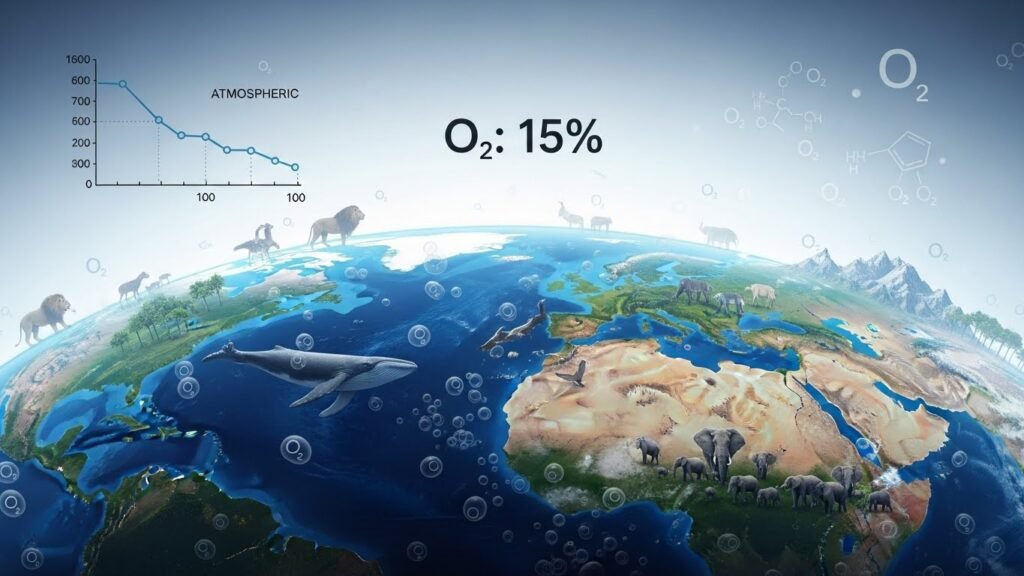
Plant decline leads to reduced oxygen production. Atmospheric oxygen decreases over geological time. Animal life depends on oxygen availability. Models indicate oxygen reduction precedes severe temperature stress. This shift reshapes biological possibilities long before surface conditions become extreme.
Microbial life persistence
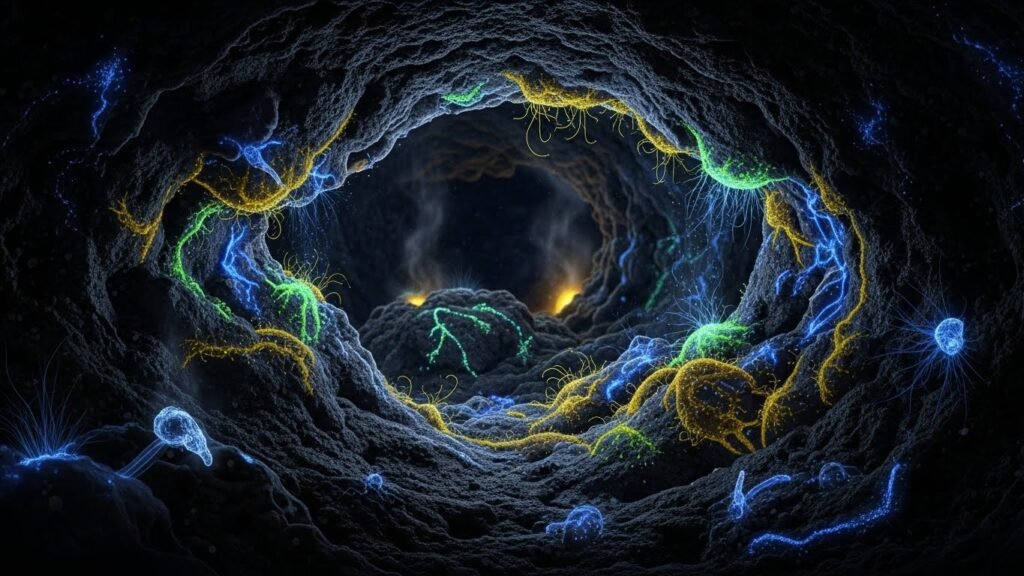
Single cell organisms show broad adaptability. Simulations indicate microbial life surviving several billion years beyond plant extinction. These organisms rely on chemical energy sources and minimal sunlight. Deep ocean and subsurface environments remain stable for extended periods under rising solar output.
Role of plate tectonics
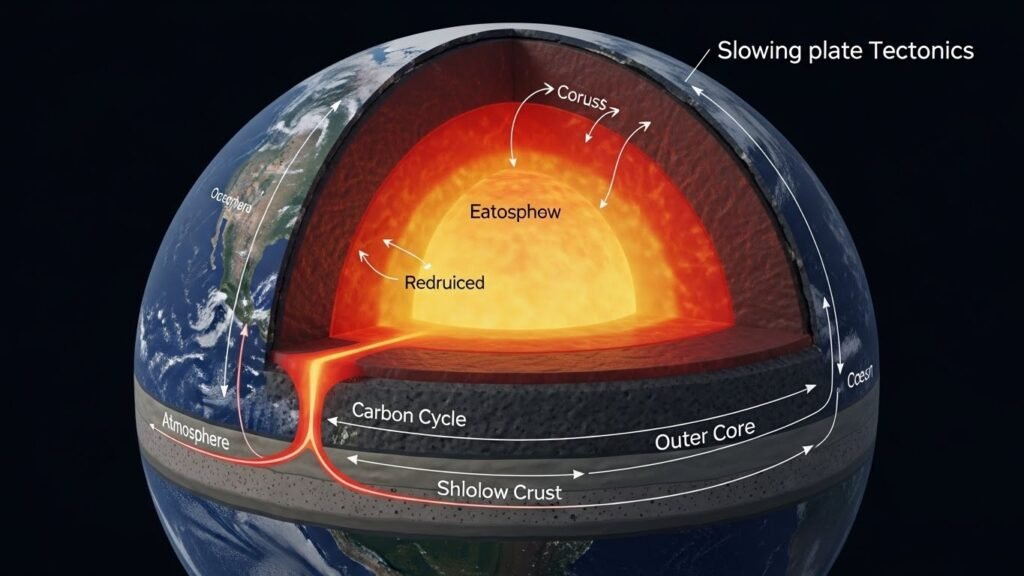
Plate tectonics regulates carbon cycling and climate stability. As Earth ages, internal heat loss slows tectonic movement. Reduced tectonic activity weakens carbon recycling. This contributes to atmospheric carbon dioxide loss. Supercomputer models integrate tectonic decline into long range habitability projections.
Timescale clarity from computation

Earlier estimates relied on simplified equations. Modern supercomputers process coupled atmospheric, geological, and stellar variables. This allows tighter timelines with fewer assumptions. Results shift habitability loss from vague billions of years to staged biological thresholds with measurable drivers.
No near term risk identified

Model outputs focus on deep future timelines. No changes affect current or near future generations. Present climate challenges arise from human activity, not solar evolution. The study separates long term planetary physics from short term environmental management.
Scientific value beyond Earth

These findings guide the search for life beyond Earth. Understanding habitability duration informs exoplanet evaluation. Planets orbiting stable stars with balanced carbon cycles gain priority. Earth serves as a reference model for life span limits across planetary systems.
