
Laughter receives attention as a social behavior, yet research links laughter with measurable changes across mental and physical systems. Studies in psychology, neuroscience, and medicine associate laughter with stress regulation, cognitive performance, and social bonding. This article reviews how laughter interacts with the brain, hormones, muscles, and immune response. Each section focuses on practical outcomes supported by observed data rather than abstract claims.
Laughter and Brain Chemistry

Laughter activates neural pathways connected with dopamine and endorphin release. Research from behavioral neuroscience links these chemicals with mood stability and pain regulation. Brain imaging studies show increased activity in reward centers during laughter episodes, supporting observed links between laughter frequency and improved emotional balance.
Laughter and Stress Hormones

Stress response involves cortisol and adrenaline release. Controlled experiments show laughter sessions correlate with reduced cortisol levels in saliva samples. Lower cortisol aligns with improved sleep patterns and reduced tension. Workplace studies report lower perceived stress scores after structured group laughter activities.
Laughter and Cardiovascular Function

Heart rate and blood vessel activity change during laughter. Short bursts of laughter raise heart rate, followed by muscle relaxation and improved circulation. Clinical observations note improved endothelial function after laughter exposure, similar in direction to light aerobic activity, though intensity remains lower.
Laughter and Muscle Relaxation

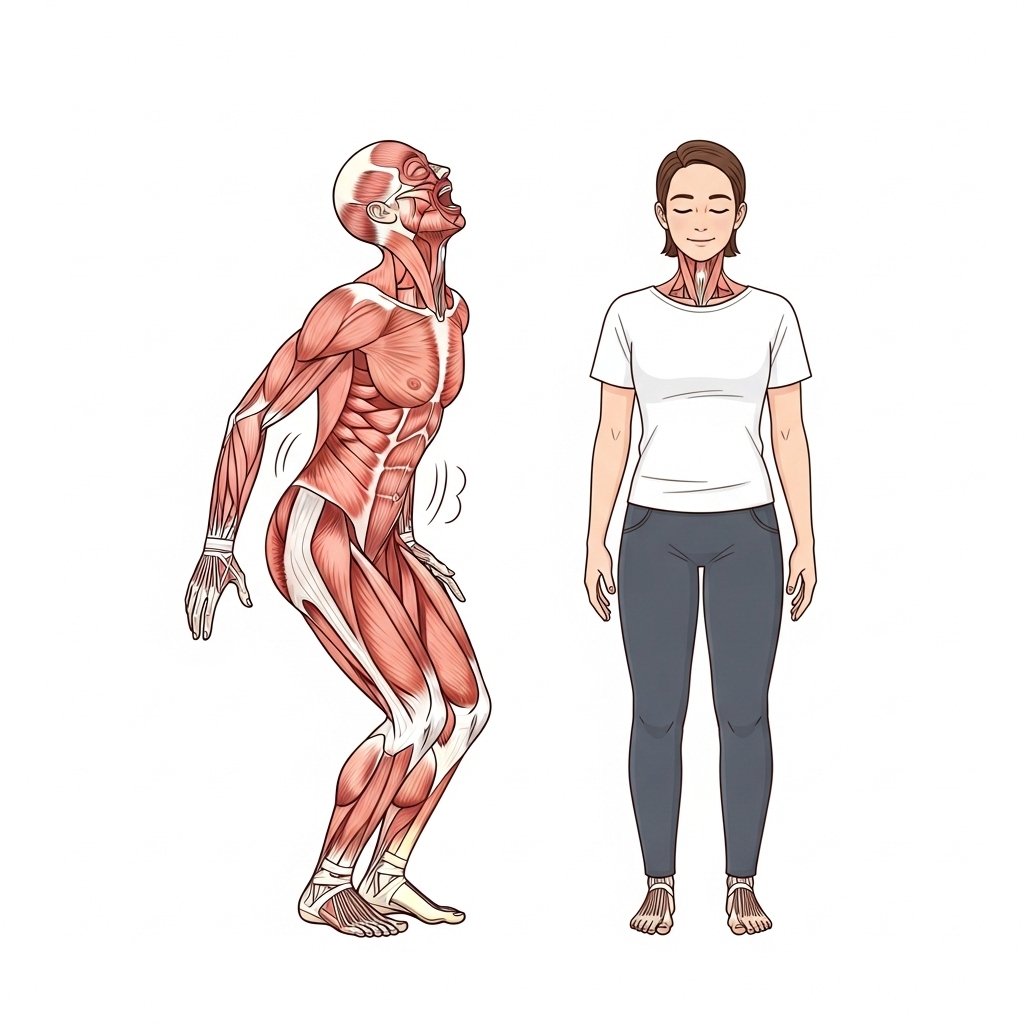
Laughter engages facial, abdominal, and respiratory muscles. After laughter ends, muscle groups enter a relaxation phase. Physical therapy research links this cycle with temporary reduction in muscle stiffness. Patients with chronic tension report short term relief following guided laughter exercises.
Laughter and Immune Response
Immune markers respond to emotional states. Laboratory studies associate laughter with increased activity of natural killer cells. These cells support immune surveillance. Blood sample analysis after humor exposure shows changes in immunoglobulin levels linked with respiratory defense.
Laughter and Pain Perception

Pain perception involves sensory input and emotional processing. Clinical trials observe higher pain tolerance during laughter exposure. Endorphin release contributes to altered pain signaling. Hospital programs using humor therapy report reduced reliance on short acting pain medication during sessions.
Laughter and Cognitive Performance

Attention and memory show sensitivity to emotional state. Experimental studies report improved task focus following brief laughter breaks. Participants demonstrate faster reaction times and improved recall. These effects align with reduced mental fatigue and improved alertness.
Laughter and Social Connection

Shared laughter strengthens interpersonal trust. Social psychology research links laughter frequency with improved group cohesion scores. Teams engaging in humor report smoother communication and reduced conflict markers. Observed effects appear stronger in collaborative tasks requiring coordination.
Laughter in Daily Routines

Daily routines offer multiple points for laughter exposure. Media consumption, social interaction, and playful activity contribute measurable effects. Behavioral studies suggest consistent laughter exposure aligns with improved mood tracking scores over several weeks, especially when combined with regular sleep schedules.
Laughter as a Supportive Health Practice

Health professionals view laughter as a supportive practice rather than a replacement for treatment. Structured humor programs show value as adjunct interventions. Clinical guidelines reference laughter as a low risk addition within broader wellness strategies focused on stress management and emotional regulation.
