
Researchers studying deep material from Greenland reported findings which altered long held views on Earth history. The evidence came from samples stored for decades and reexamined using modern tools. Results pointed toward periods of surface exposure beneath ice. This outcome adjusted ideas about ice stability, climate timing, and land response to warming across geological ages.
Hidden Samples Beneath Greenland Ice
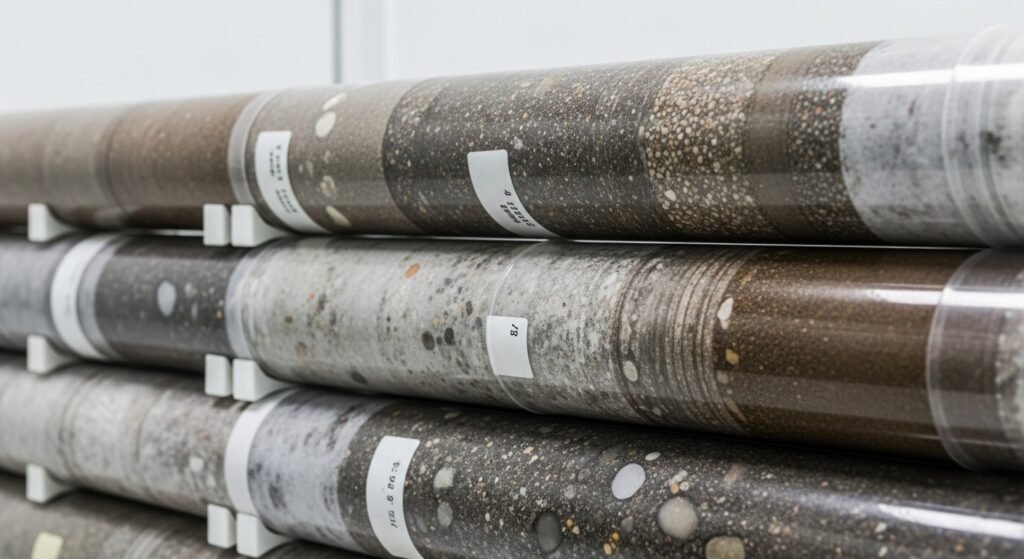
Scientists reviewed sediment recovered from central Greenland during earlier drilling programs. The material remained frozen and untouched for years. New laboratory analysis revealed soil layers rather than crushed rock. Soil formation requires open land and stable conditions, indicating long intervals without continuous ice coverage.
Unexpected Organic Material

Microscopic traces of plant matter appeared inside the sediment. These remains included twigs and leaf fragments preserved by cold conditions. Plant growth requires sunlight and seasonal cycles. Presence of organic material signaled ice absence during earlier warm phases rather than permanent coverage.
Implications for Ice Sheet Stability
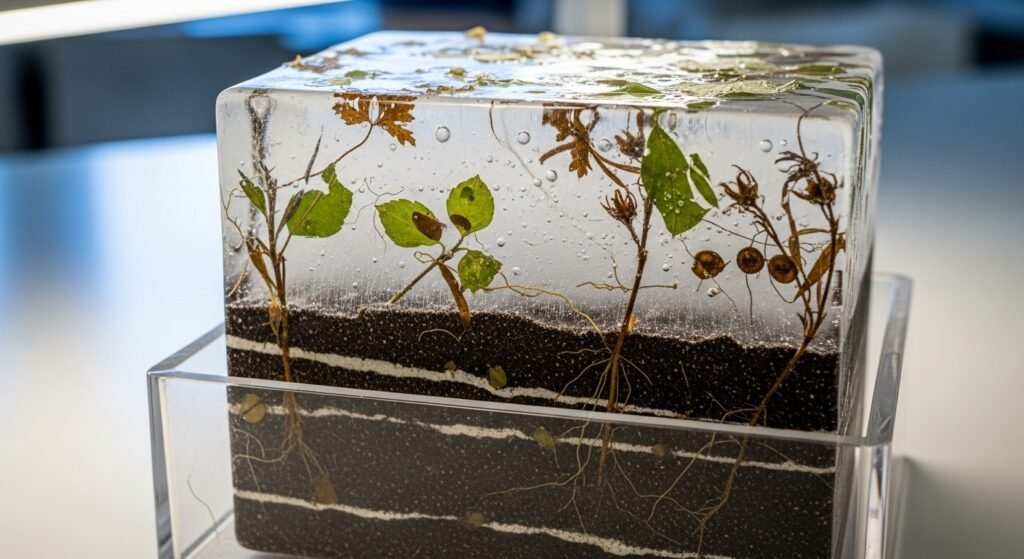
Previous models treated Greenland ice as stable across millions of years. Soil layers challenged this assumption. Repeated ice retreat and regrowth appeared more likely. This pattern implied greater sensitivity to temperature shifts than earlier estimates suggested.
Revised Timeline of Ice Formation
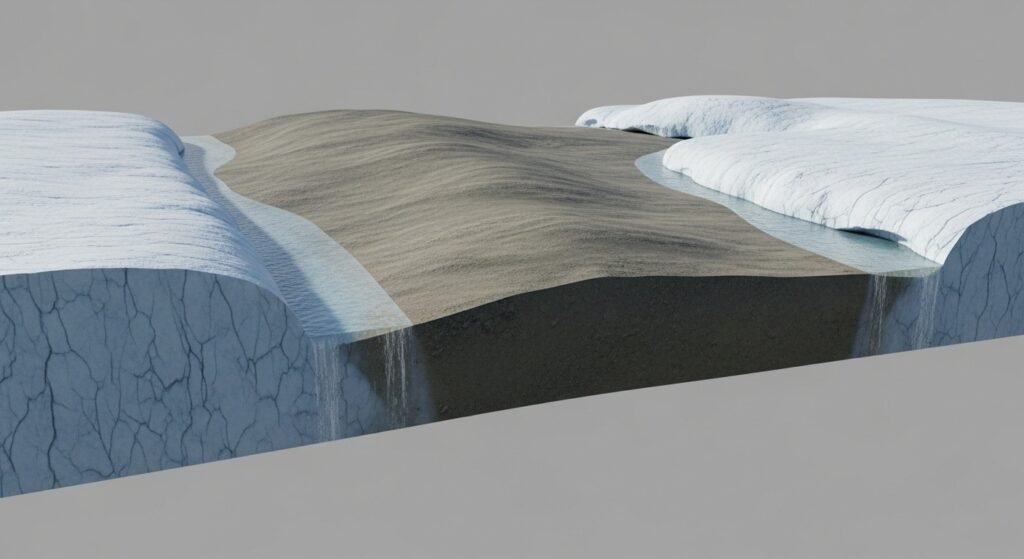
Earlier timelines placed continuous ice coverage deep into ancient periods. New data shifted timing forward. Ice formation followed several warm intervals. Scientists adjusted climate sequences used for global comparisons across polar regions.
Climate Indicators Locked in Soil
Soil chemistry revealed weathering patterns linked to rainfall and biological activity. Such processes occur only on exposed land. These indicators allowed reconstruction of past environments. Findings aligned with warmer global conditions recorded elsewhere during similar periods.
Links to Sea Level History

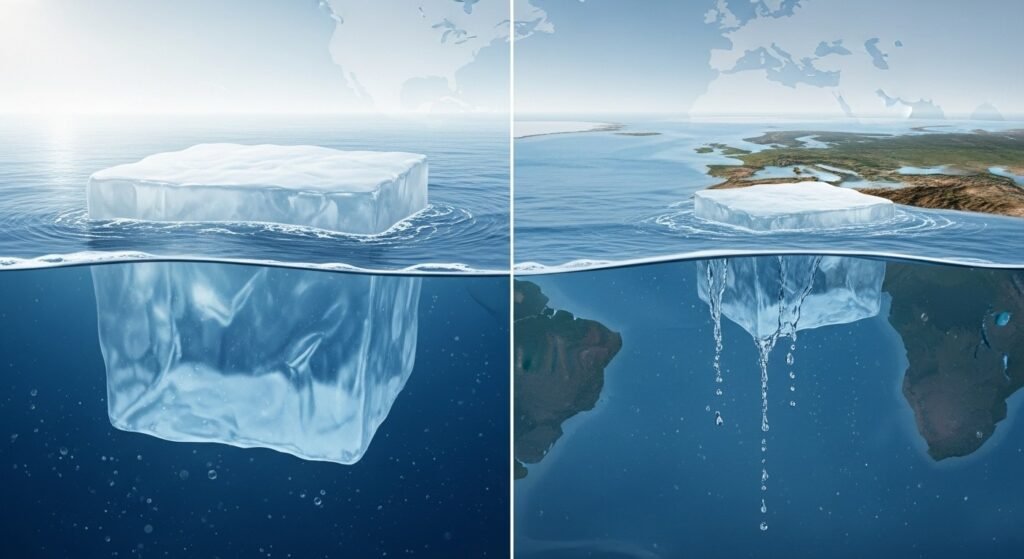
Greenland ice volume influences global sea levels. Periodic ice loss implied higher seas during past warm phases. Geological coastal records matched this pattern. These connections strengthened confidence in the revised interpretation.
Improved Analytical Methods
Advanced imaging and chemical testing enabled detailed inspection of old samples. Techniques measured mineral alteration and organic residue with precision. Earlier technology lacked such resolution. Modern tools expanded the scientific value of archived material.
Model Adjustments Across Disciplines

Climate scientists, geologists, and glaciologists revised shared models. Ice dynamics required recalibration. Temperature thresholds for ice retreat shifted lower. Cross discipline collaboration increased as teams aligned findings with atmospheric data.
Relevance to Current Climate Studies

Past ice behavior informed present climate assessments. Historical sensitivity offered context for modern warming trends. Researchers used ancient patterns as reference points rather than predictions. This approach refined risk evaluation without exaggeration.
Ongoing Research Directions

Teams planned further drilling and sample recovery across Greenland. Additional locations offered confirmation or contrast. Expanded datasets aimed to clarify duration and frequency of ice free periods. Research continued with cautious interpretation and peer review.
