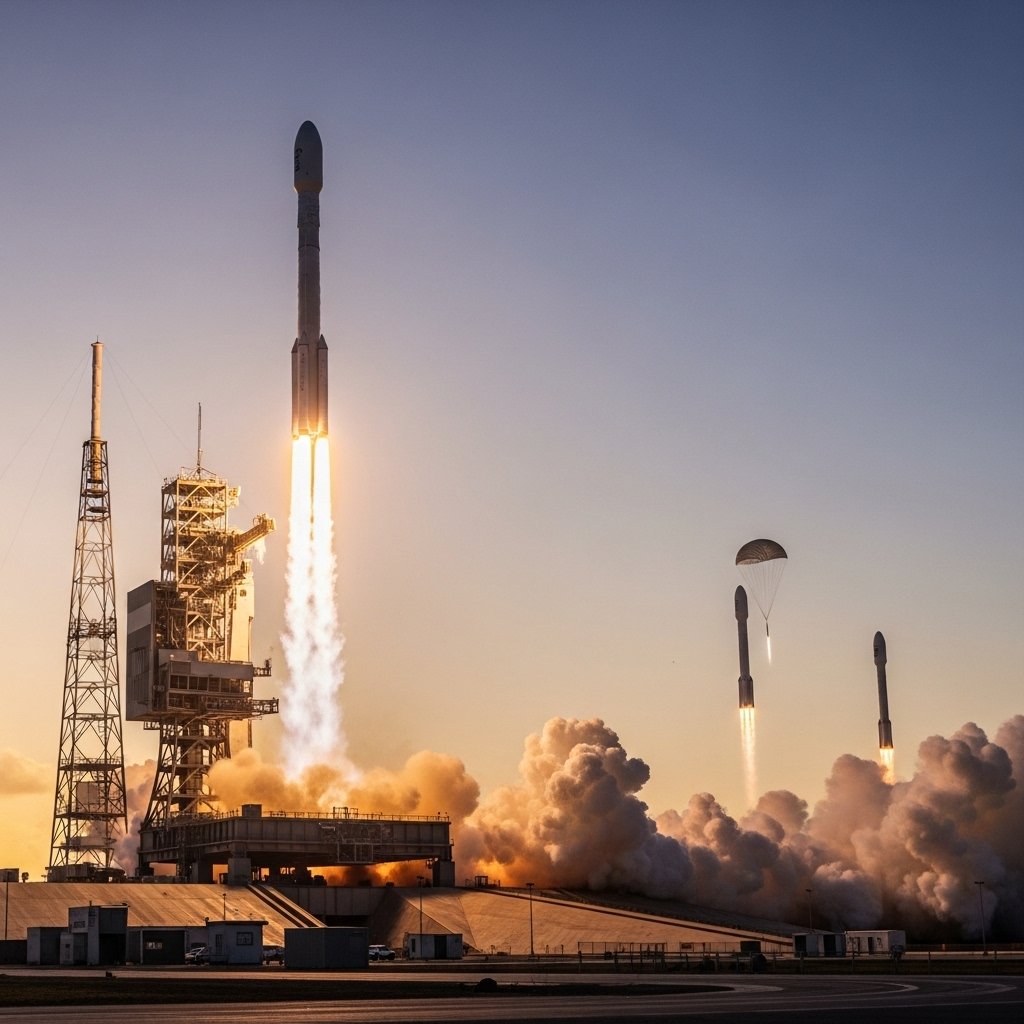
SpaceX offers a reality plan of the continuous human travel to Mars in terms of reusable launch vehicles, refuelling in orbit, and design of long duration spacecrafts. The program aims at reducing transport expenses, intensifying launch frequency and developing operation experience in close proximity to the earth. Each step is based on quantifiable engineering goals, flight tests, and scale increments instead of one mission.
Reusable Launch Architecture
SpaceX centers Mars travel around full rocket reuse. Falcon 9 landings reduced launch costs by reusing boosters across multiple missions. Starship extends reuse to both booster and spacecraft. Lower per launch expense enables repeated cargo and crew missions, which supports gradual infrastructure buildup instead of one time flights.
Starship Vehicle Design
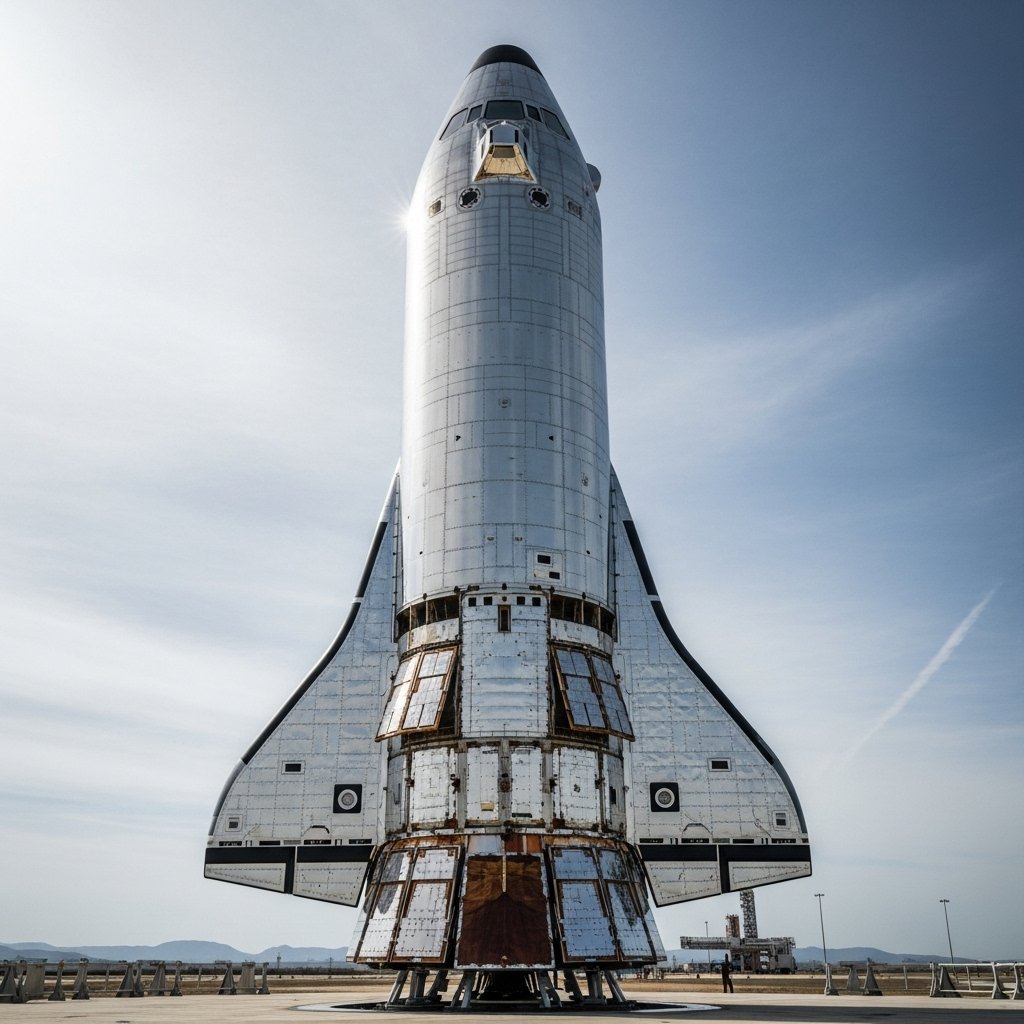
Starship serves as the primary Mars transport vehicle. Stainless steel construction supports heat resistance and rapid manufacturing. The vehicle supports large internal volume for cargo, life support, and crew quarters. Design priorities include orbital refueling compatibility, atmospheric entry control, and surface landing stability.
Orbital Refueling Strategy
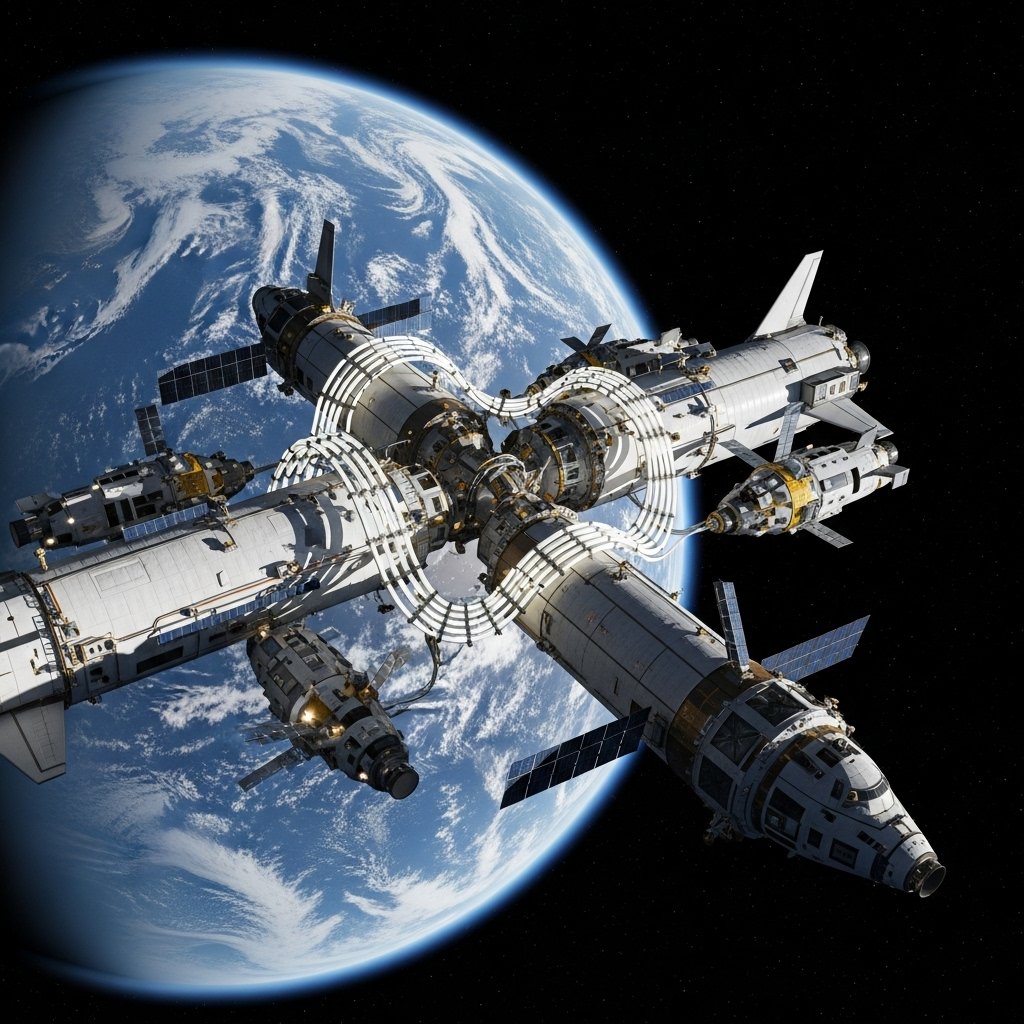
Mars missions require refueling in Earth orbit. Starship tankers transfer propellant to a waiting spacecraft through repeated launches. This approach avoids oversized launch vehicles and spreads risk across many flights. Orbital refueling also allows mission timing flexibility based on launch windows.
Life Support and Habitability
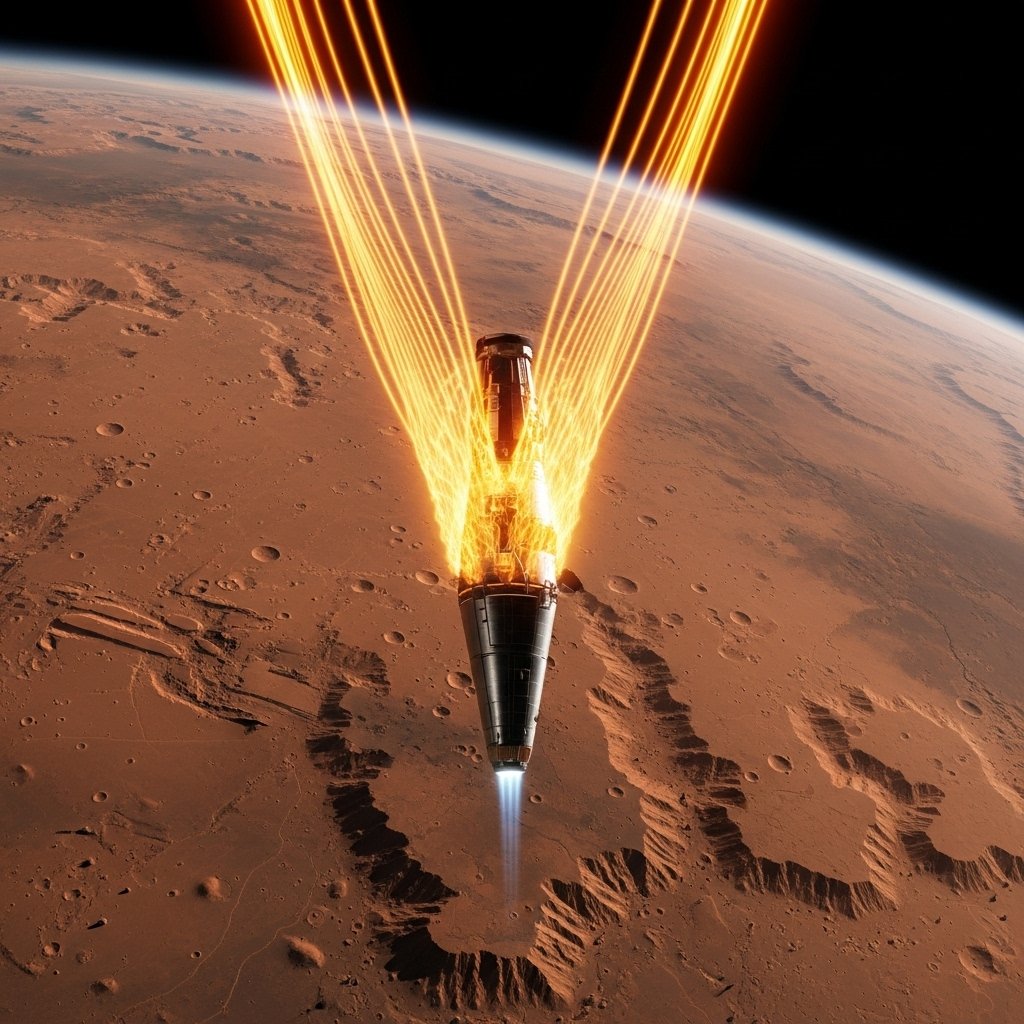
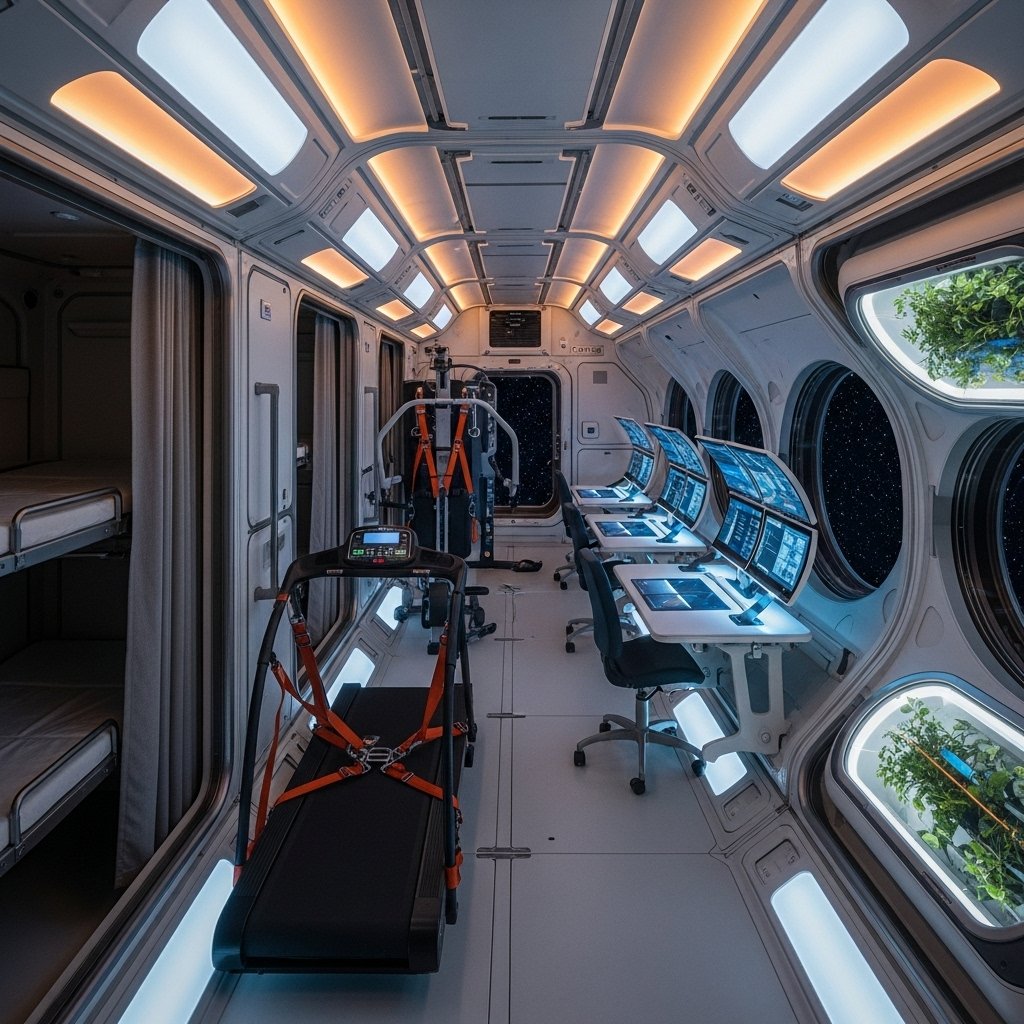
Mars transit lasts several months. SpaceX focuses on closed loop life support systems tested on long duration missions. Recycling air and water reduces resupply mass. Interior layouts emphasize modular sleeping, exercise, and work areas to manage crew health and fatigue during extended travel.
Mars Entry and Landing
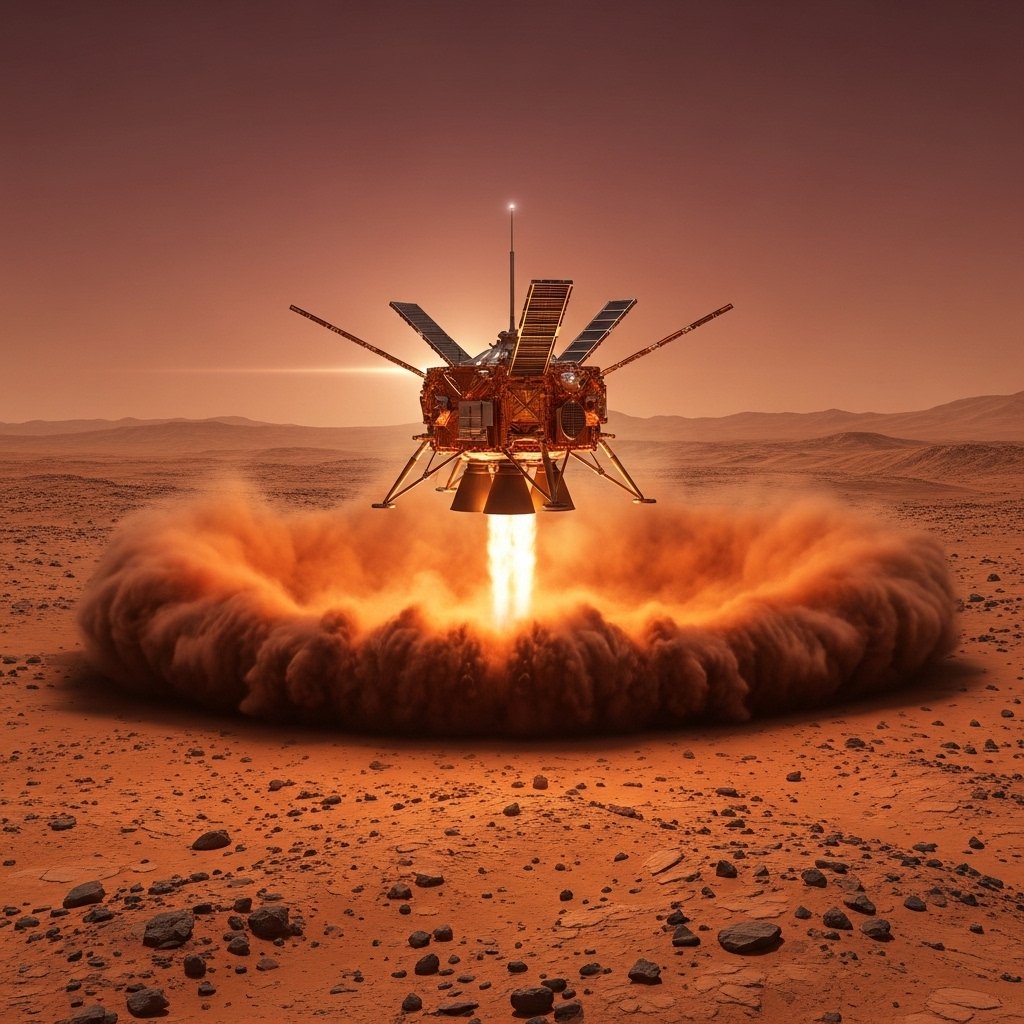
Mars entry presents challenges due to thin atmosphere. Starship uses a controlled belly first descent to slow speed through atmospheric drag. Adjustable flaps manage orientation and stability. Final landing relies on engine powered descent, which avoids parachute limitations at high vehicle mass.
Surface Operations Planning
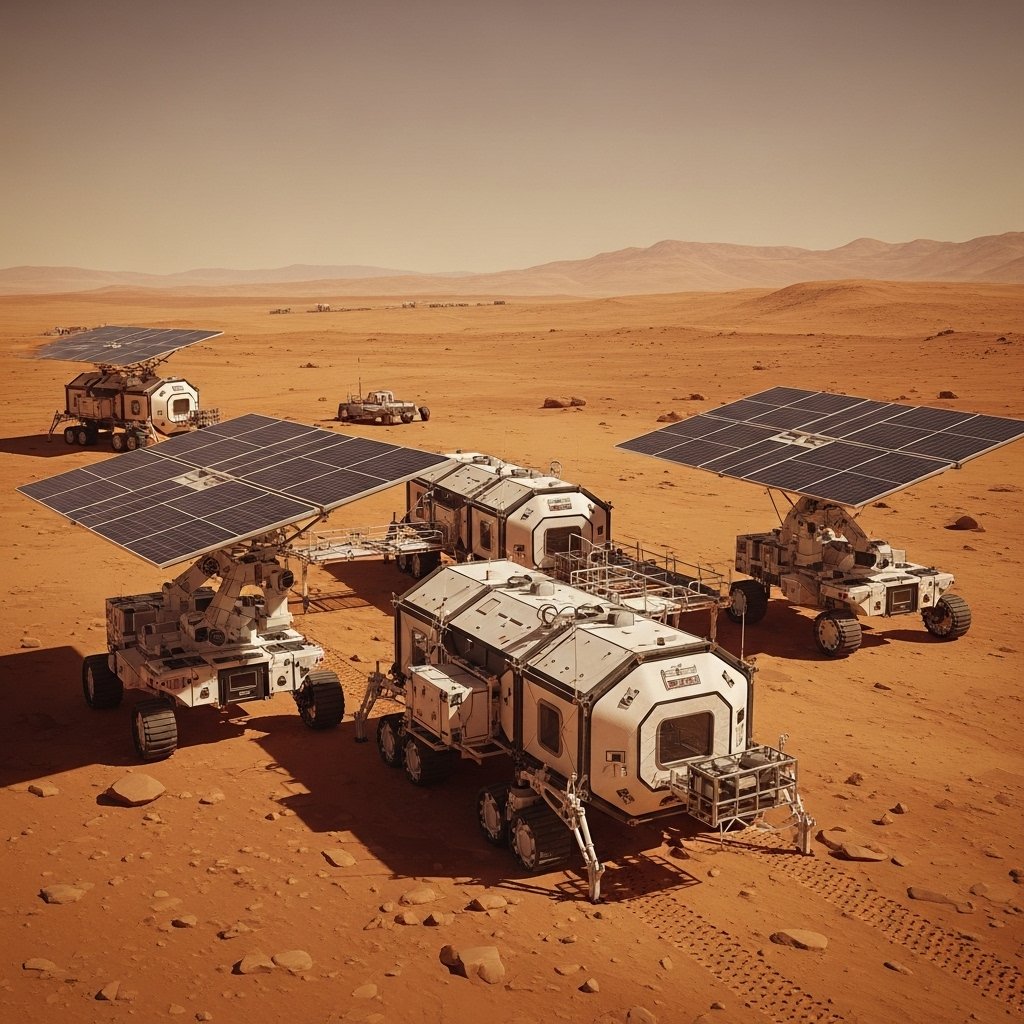
Mars missions include cargo delivery before crew arrival. Equipment supports power generation, habitat assembly, and storage. Robotic systems prepare landing zones and infrastructure. Human missions follow after surface readiness verification, reducing crew exposure to environmental and operational risks.
Fuel Production on Mars
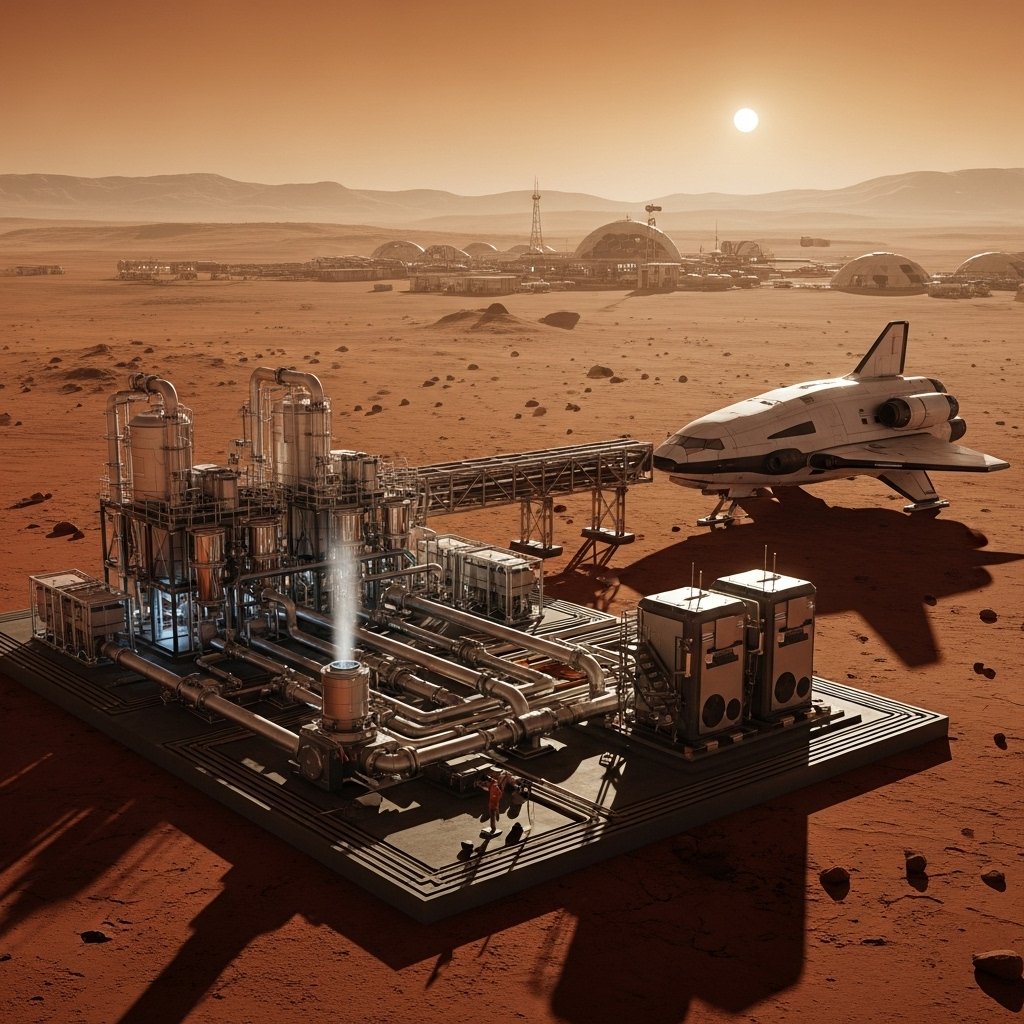
The long-term existence of Mars relies on the local fuel production. SpaceX will use the water ice on Mars and carbon dioxide in the atmosphere to create methane and oxygen. This is a process that sustains the flight back and the surface movement. Local fuel eliminates reliance on Earth based supply chains.
Testing and Iterative Development
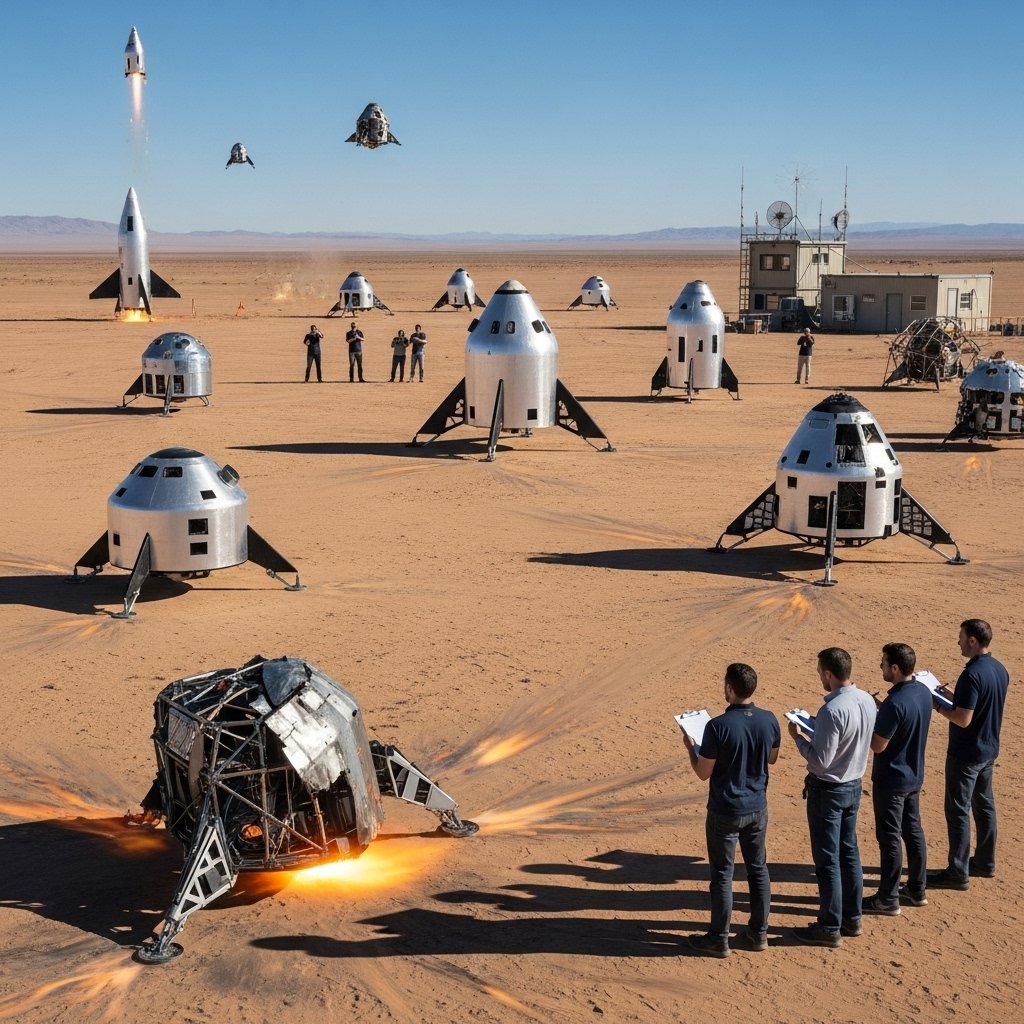
SpaceX is a company that engages in a fast-testing and prototyping. Starship flight tests are concerned with particular subsystems, including heat shields, engines and the landing control. Failure data is used to inform design changes. This cycle reduces development cycles as opposed to conventional aerospace programs.
Regulatory and Launch Cadence
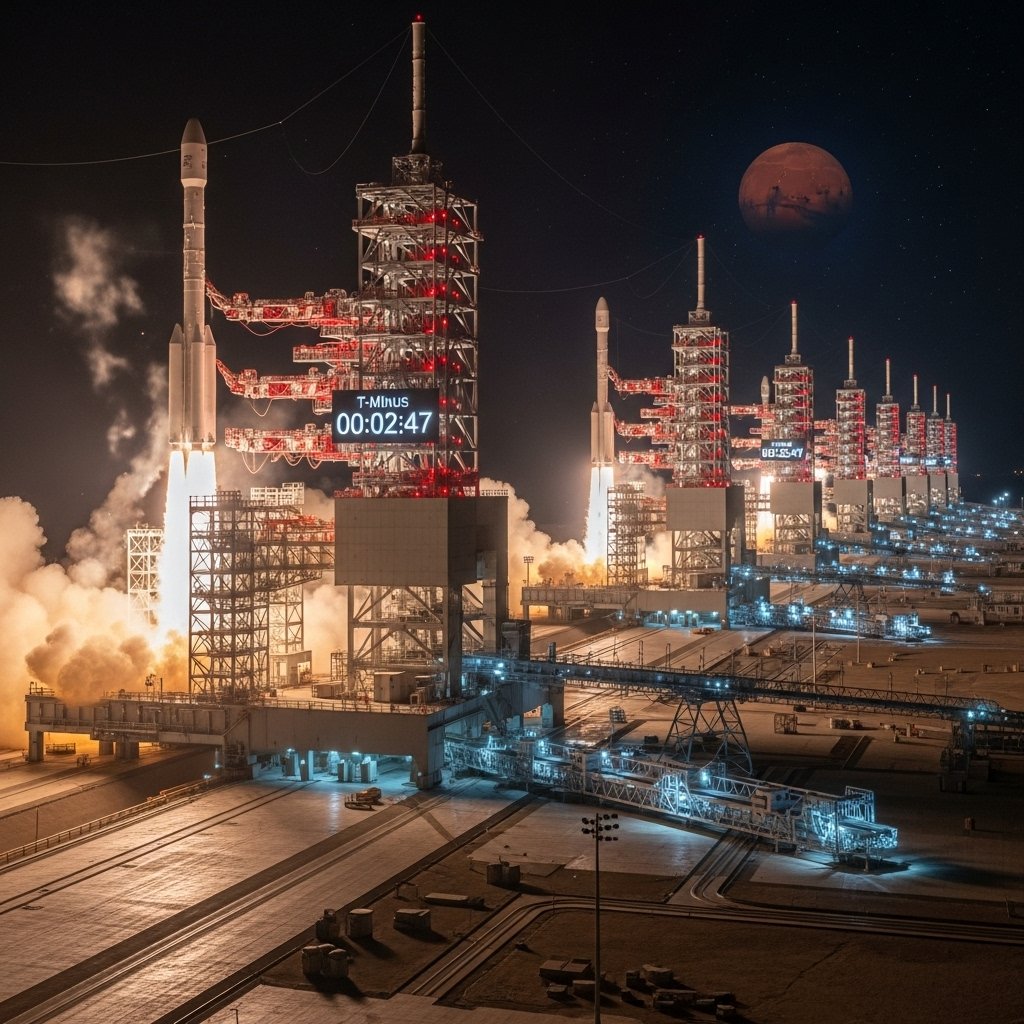
The Mars travel entails frequent launches and regulation consent. SpaceX liaises with space agencies to license and conduct safety regulation launches. Quick development of launch learns operational experience and reliability. Repetition contributes to the crew preparedness, vehicle refinement as well as mission confidence over time.
