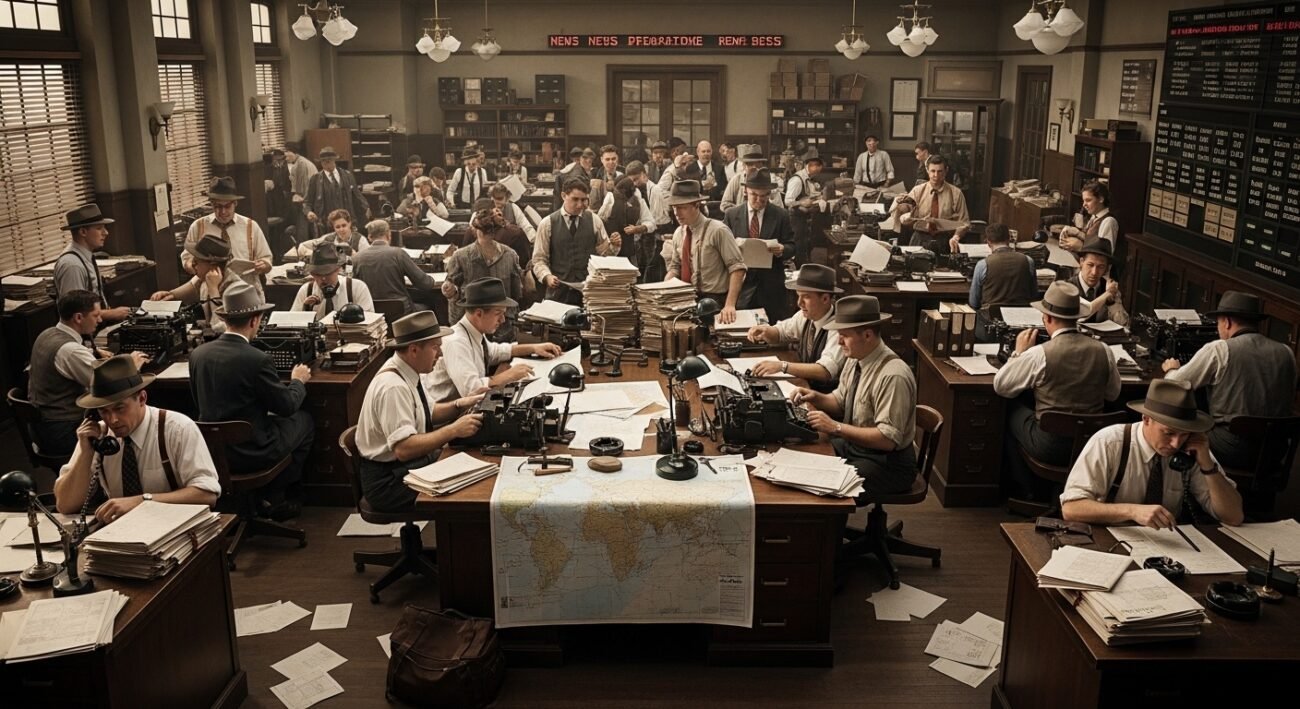
History includes many moments when a clever prank briefly convinced large numbers of people that something unusual was real. Some were playful media experiments, others were elaborate hoaxes that captured public attention before the truth emerged. These stories reveal how curiosity, trust in institutions, and the power of storytelling can shape public reaction. Newspapers, radio stations, companies, and individuals have all played a role in spreading such playful deceptions. While most caused little harm, they remain fascinating examples of creativity and social psychology. Looking back at these events shows how easily convincing narratives can travel and why critical thinking remains important in an age of fast information.
The War of the Worlds Radio Broadcast
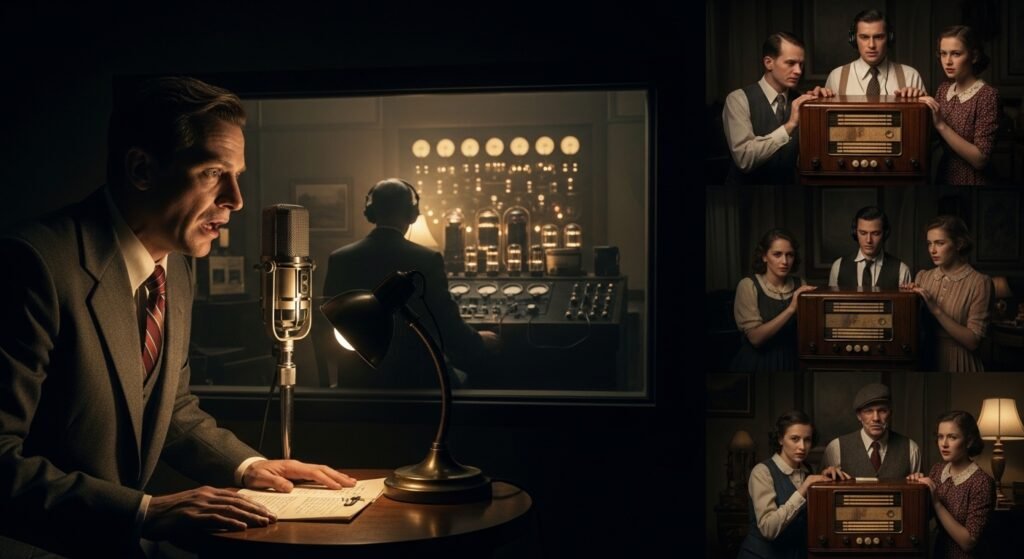
In 1938, Orson Welles presented a dramatic radio version of The War of the Worlds. The realistic style sounded like news bulletins about an invasion. Some listeners misunderstood the broadcast and believed the fictional report for a short time.
The BBC Spaghetti Tree Broadcast

During April Fools’ Day in 1957, BBC aired a television segment showing spaghetti growing on trees in Switzerland. The calm narration convinced some viewers, who later contacted the broadcaster asking how they could grow spaghetti plants at home.
The Piltdown Man Discovery
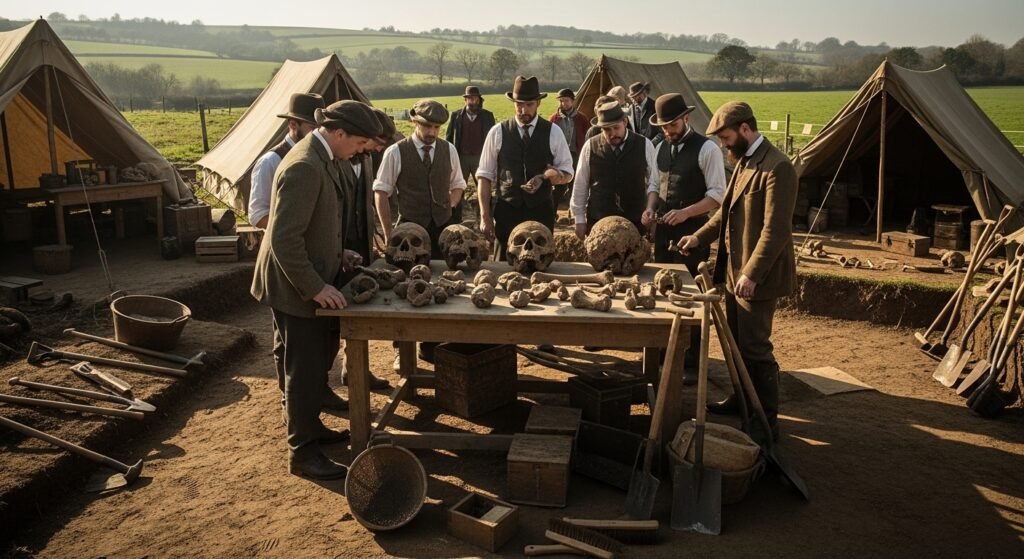
In 1912, fragments of a supposed ancient human ancestor were presented to scientists in England. The find became known as Piltdown Man. Decades later researchers confirmed the bones were deliberately combined to create a misleading fossil.
The Taco Liberty Bell Announcement
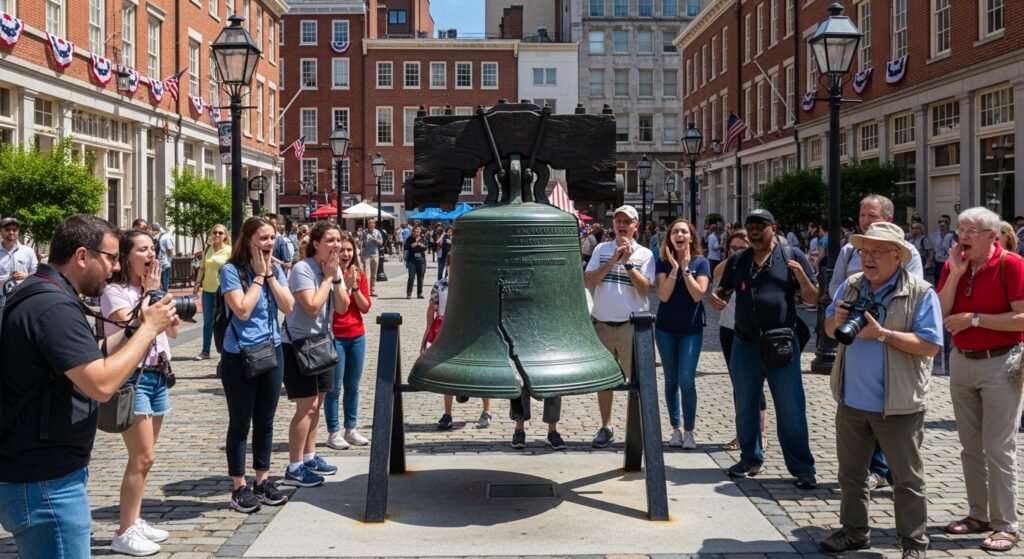
In 1996, Taco Bell announced it had purchased the Liberty Bell and renamed it the Taco Liberty Bell. The statement was part of an April Fools campaign that briefly confused readers across the United States.
The Cardiff Giant Exhibition
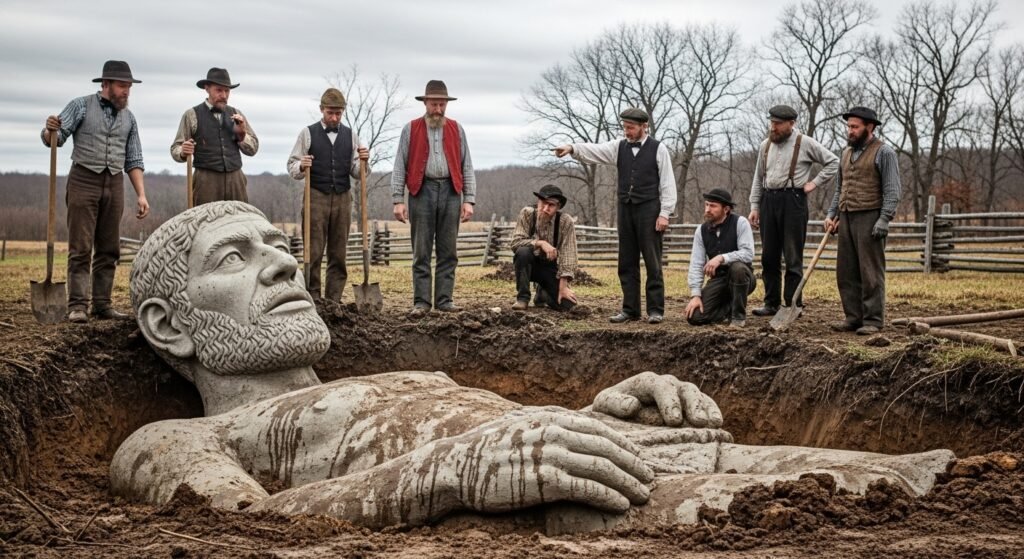
In 1869, workers uncovered a large stone figure in New York. The statue became known as the Cardiff Giant. Crowds paid to see it before investigators eventually revealed it had been carefully carved and buried as a prank.
The Balloon Boy Incident

In 2009, a homemade balloon drifting across the sky sparked a major rescue response in Colorado. News coverage suggested a child might be inside. Later authorities determined the event surrounding Balloon Boy incident had been staged.
Burger King’s Left-Handed Whopper
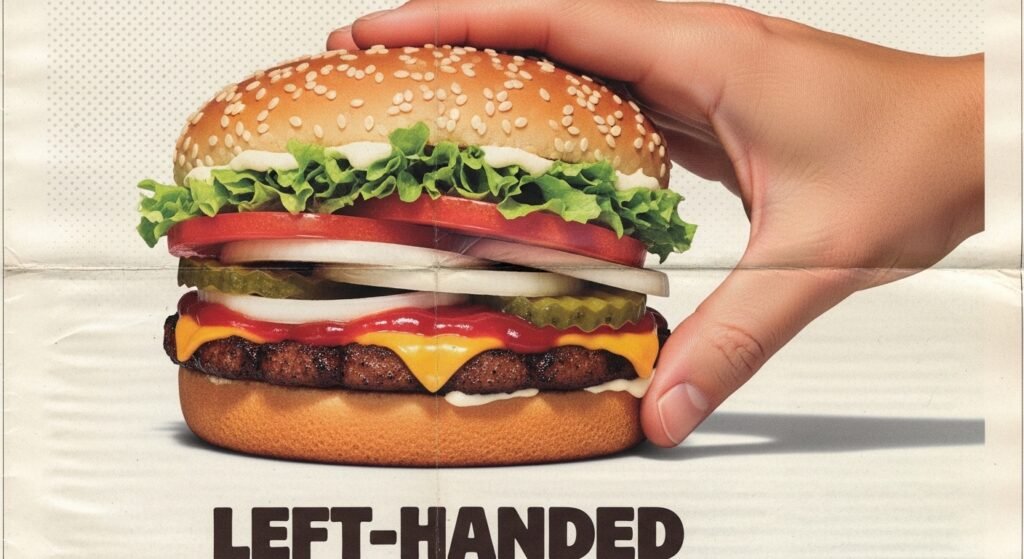
In 1998, Burger King placed a newspaper advertisement introducing a burger designed for left-handed customers. The item was called the Left‑Handed Whopper. Many customers reportedly visited restaurants asking to try it.
Google’s Moon Base Announcement
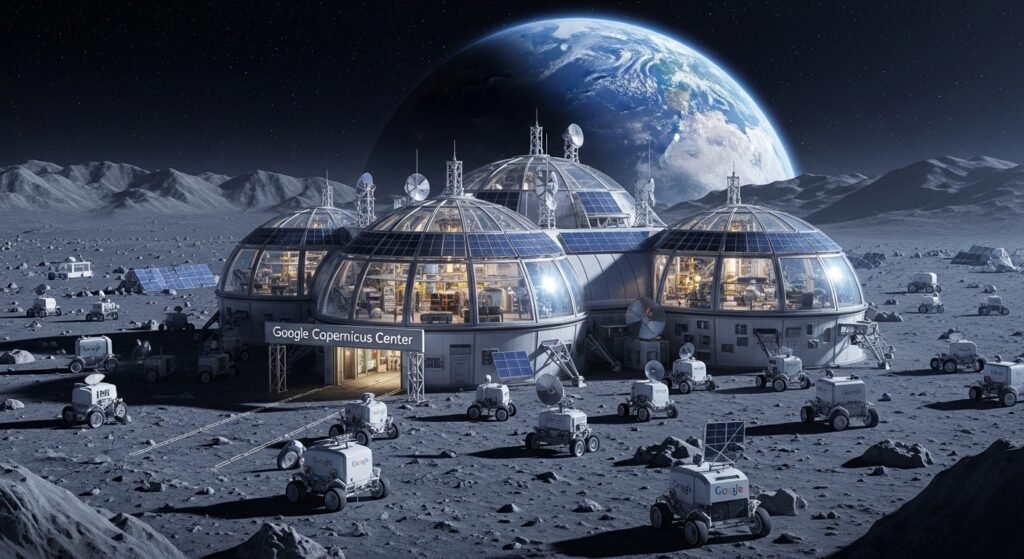
Technology company Google once shared a playful update suggesting plans for a future lunar research center called Google Copernicus Center. The announcement was released on April Fools’ Day and was later clarified as a humorous concept.
The Great Sydney Iceberg Story
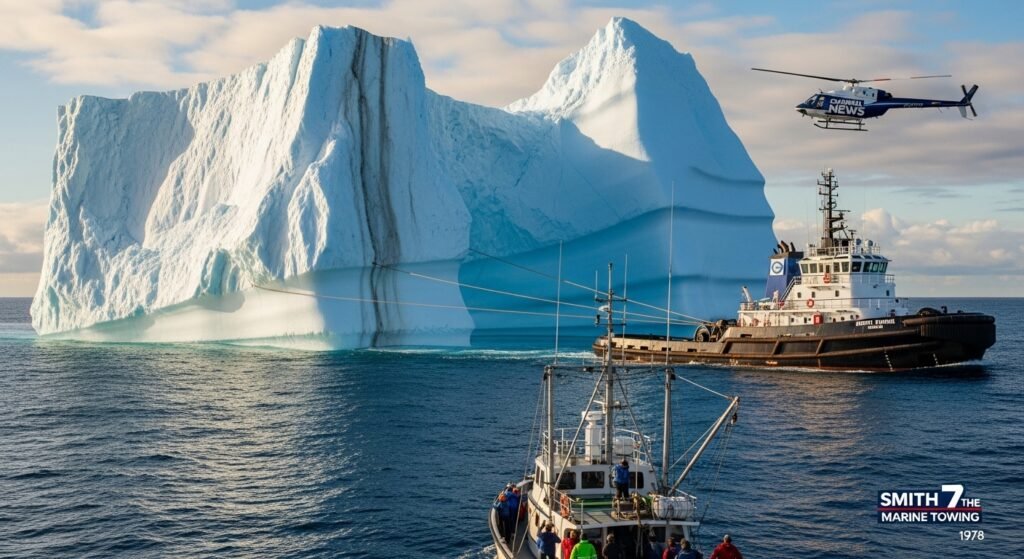
In 1978, businessman Dick Smith announced he had arranged to tow a giant iceberg from Antarctica to Australia. Media outlets discussed the project widely before he revealed that the iceberg display had been part of a publicity stunt.
The Swiss Mountain Cleaning Project

One April Fools’ Day, tourism officials in Switzerland shared a story claiming helicopters were used to wash mountain peaks. Images supported the idea, but the campaign was later explained as a creative joke promoting the beauty of the landscape.
