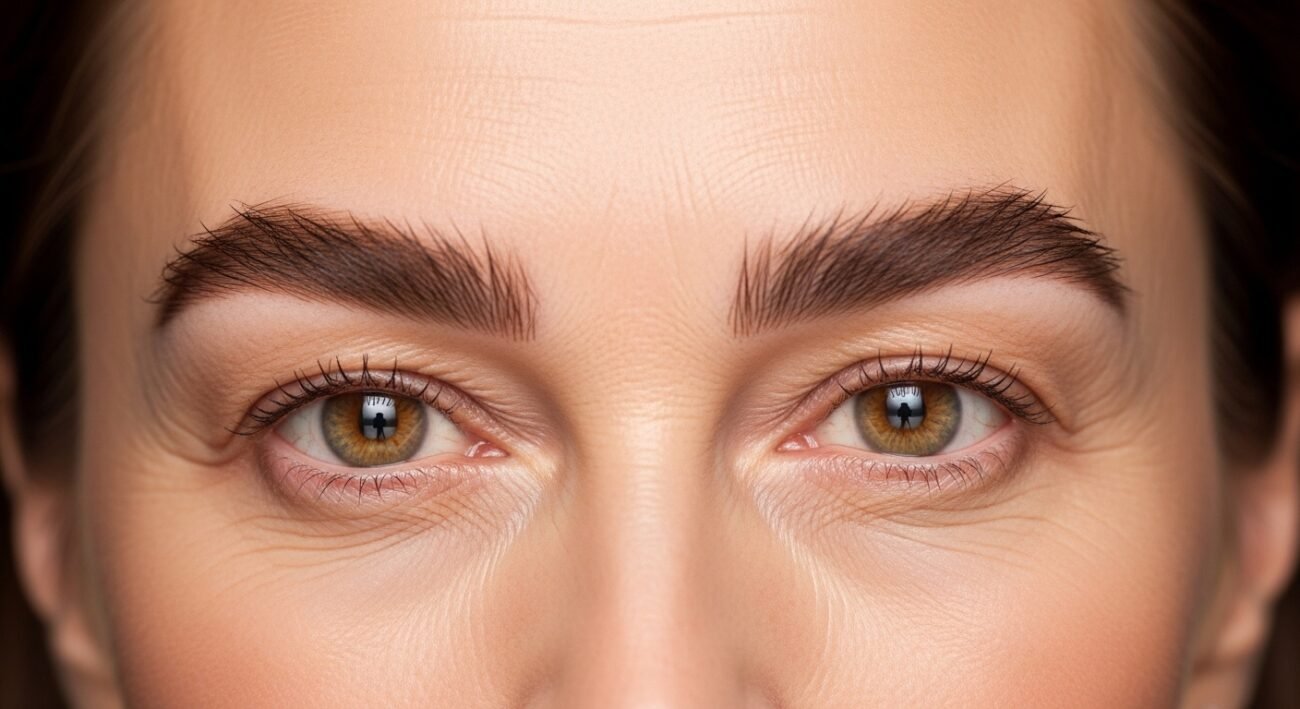
The shape of eyebrows has a quantifiable contribution to the balance of the face because the skin texture and structure of the bones change with age. Thickness, angle, and length have small alterations that affect the expression and symmetry. Shapes that are in line with the proportions of the faces are beneficial to older women as opposed to fashions. This article describes the most effective shapes and forms of eyebrows and which ones should be avoided with practical advice based on proportion, growth shapes, and maintenance facts.
Soft Rounded Brows Support Facial Balance
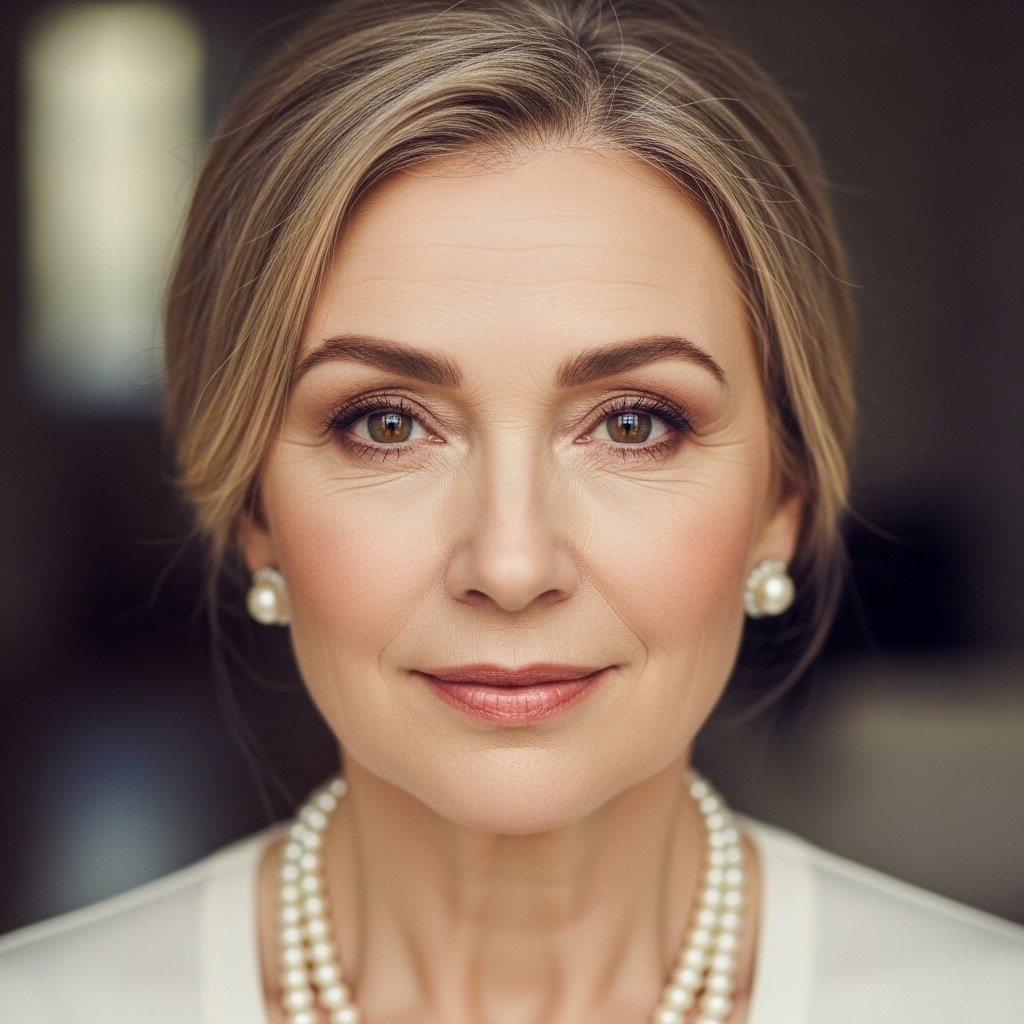
Soft rounded brows suit mature faces with volume loss around eyes and temples. Gentle curves reduce harsh lines and support a relaxed expression. Brow tails aligned with outer eye corners reduce droop. Hair density often appears fuller with rounded edges, which supports a balanced look during close inspection and photography.
Straight Brows Reduce Visual Sagging
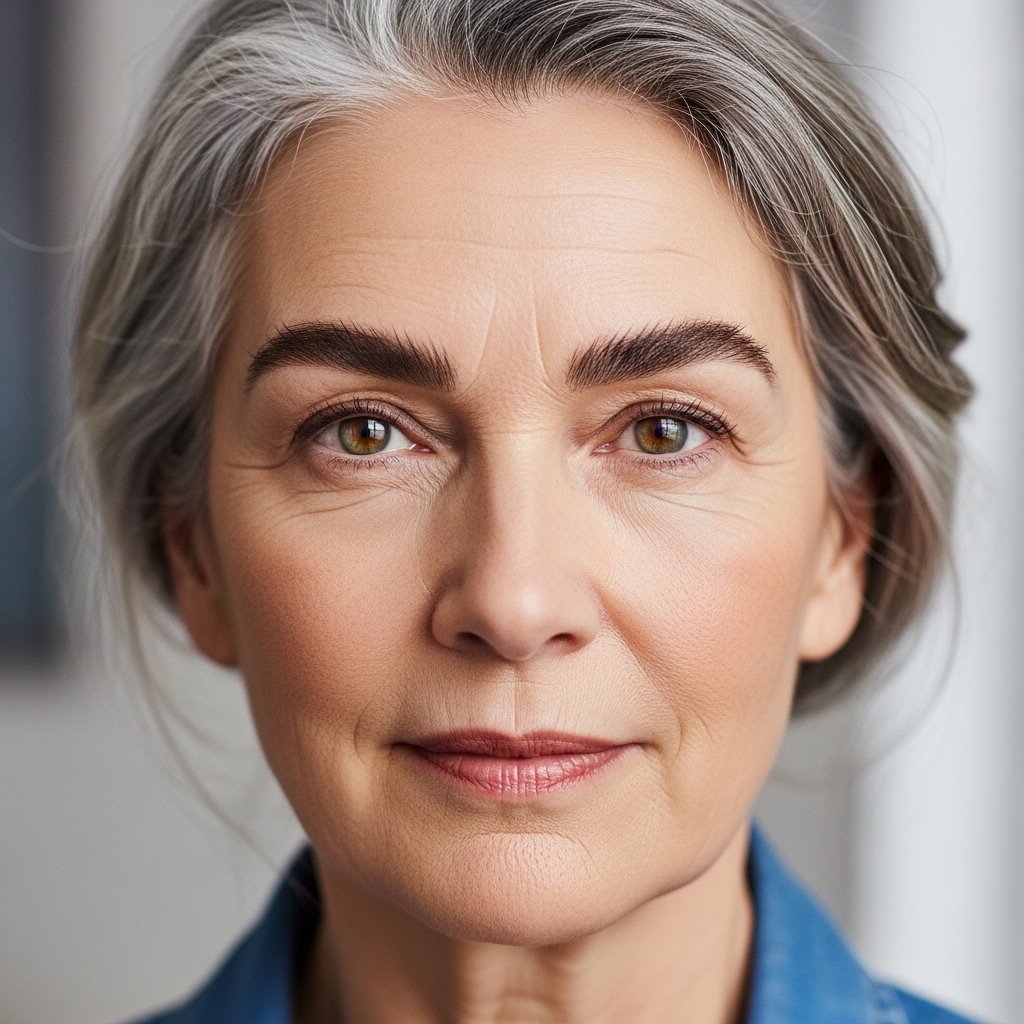
Straight brows with minimal arch help offset downward pull around eyelids. This shape works well for faces with natural brow density. A straight line across the brow bone shortens the upper face visually. Professionals often recommend light tapering near the tail to avoid a flat or heavy appearance.
Low Arches Maintain Natural Expression
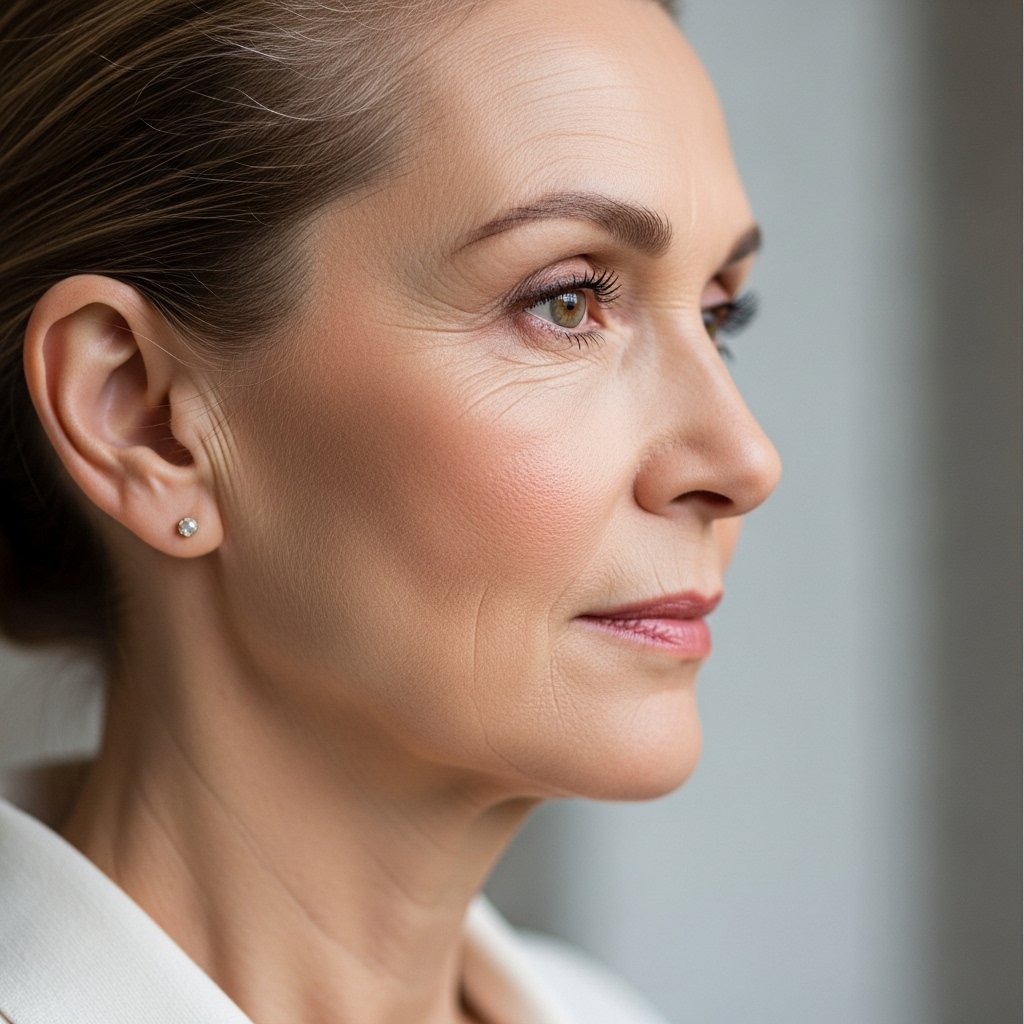
Low arches preserve facial movement and reduce overdefinition. High arches exaggerate hollow areas near the eyes. A modest rise placed slightly past the pupil supports symmetry. This approach suits daily wear and reduces reliance on heavy brow products during upkeep.
Medium Thickness Supports Hair Density Changes
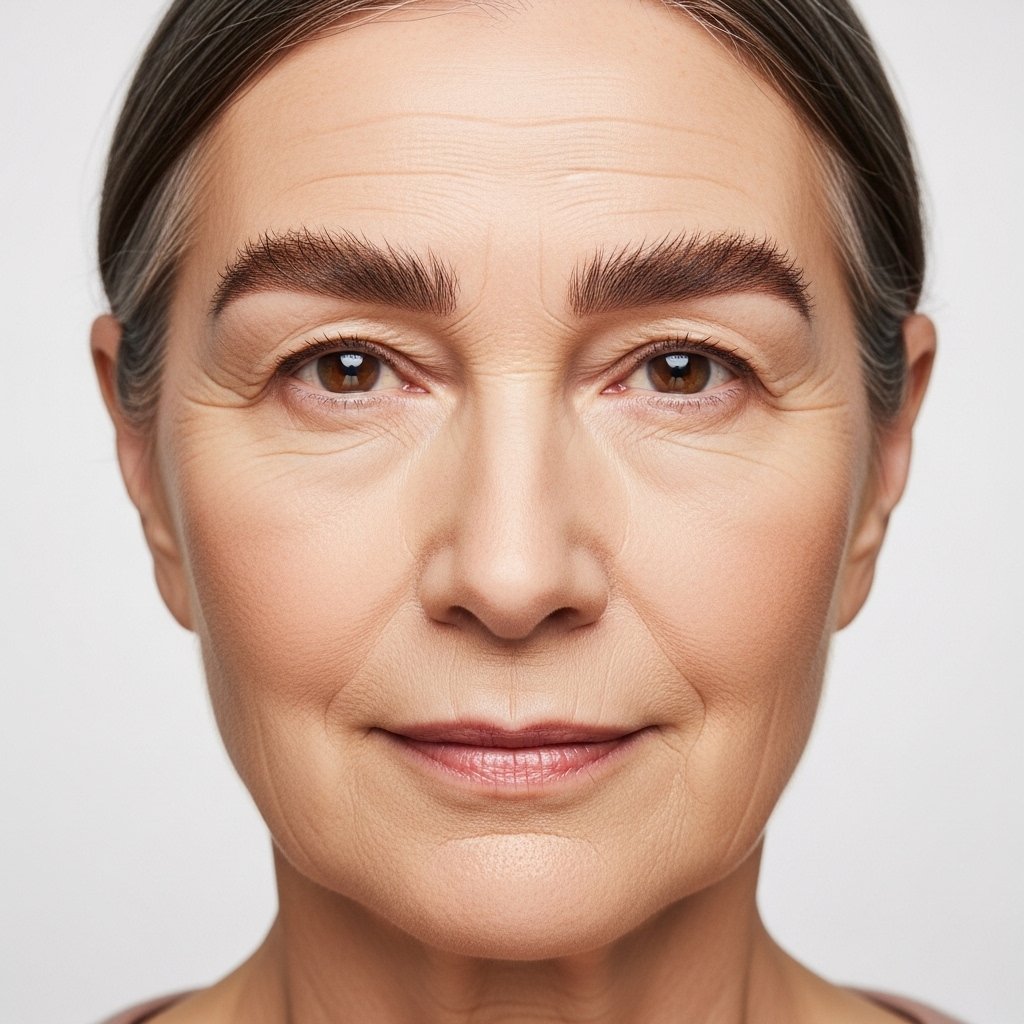
Medium thickness brows address thinning common with age. Very thin brows expose skin texture and exaggerate lines. Overly thick brows dominate facial features. A balanced width aligned with natural growth supports realistic density and reduces frequent touch ups.
Overly Thin Brows Age Facial Features
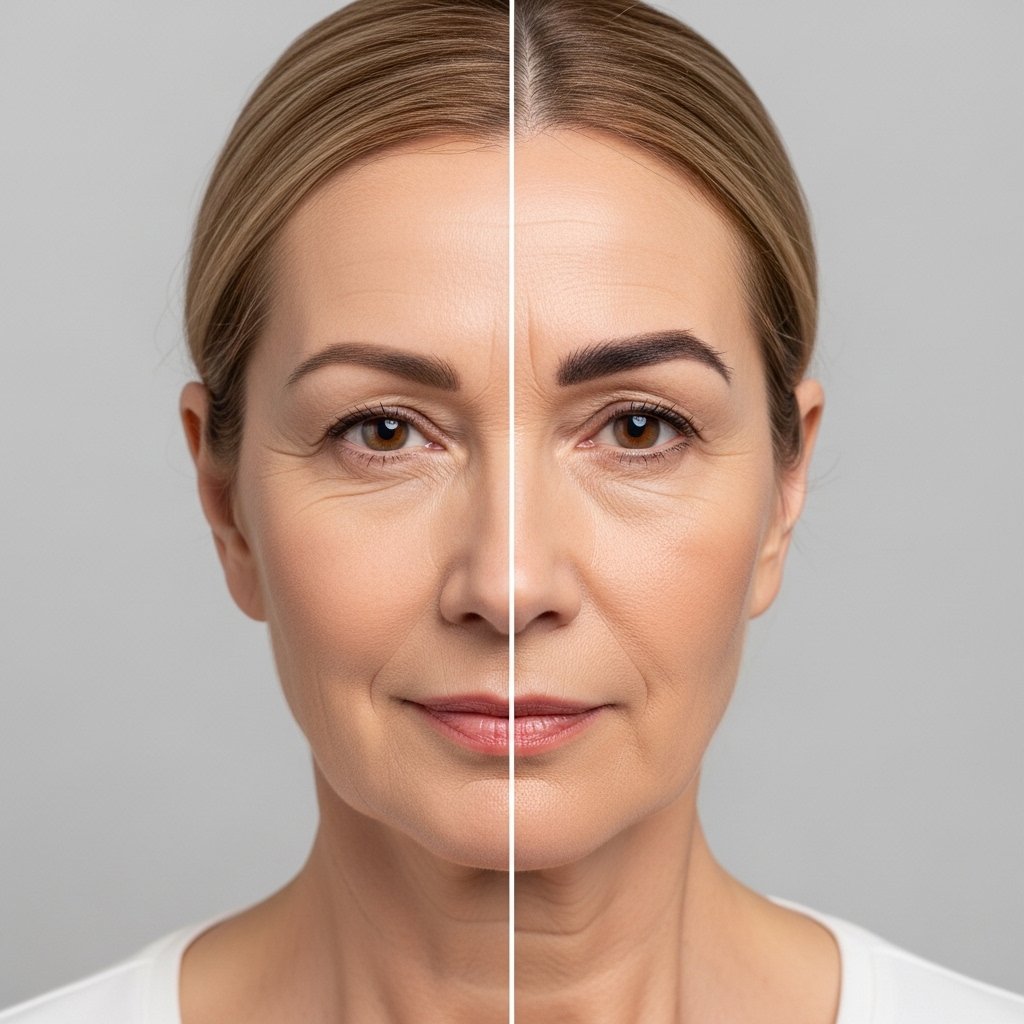
Thin brows create sharp contrast against softer facial contours. This shape highlights fine lines around eyes and forehead. Regrowth remains inconsistent for many women. Makeup correction demands precision and daily effort, which increases maintenance time without proportional visual benefit.
High Dramatic Arches Create Harsh Contrast
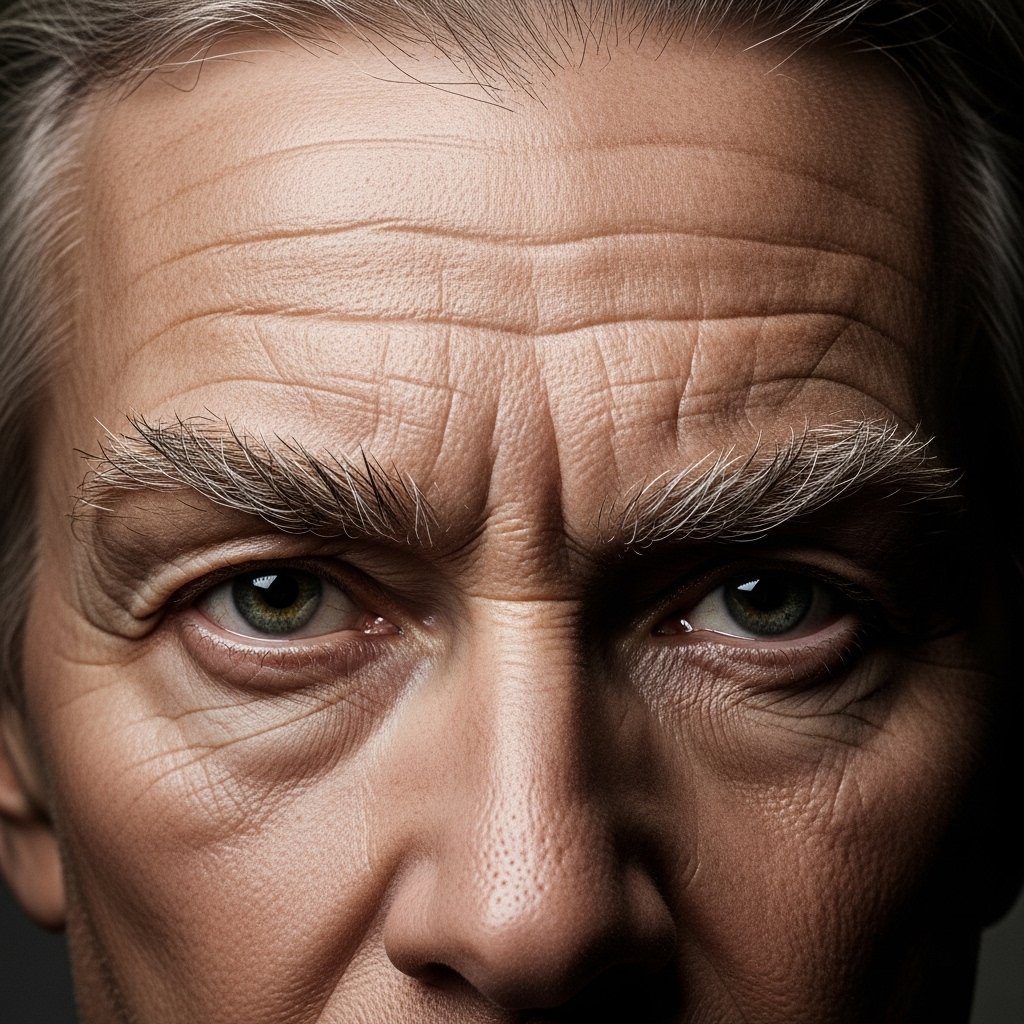
Dramatic arches shift focus toward forehead lines and orbital hollowing. This shape disrupts facial harmony during relaxed expressions. Lighting conditions accentuate this effect in photographs and indoor settings. Subtle shaping offers more consistent results across environments.
Short Brow Length Breaks Facial Proportion
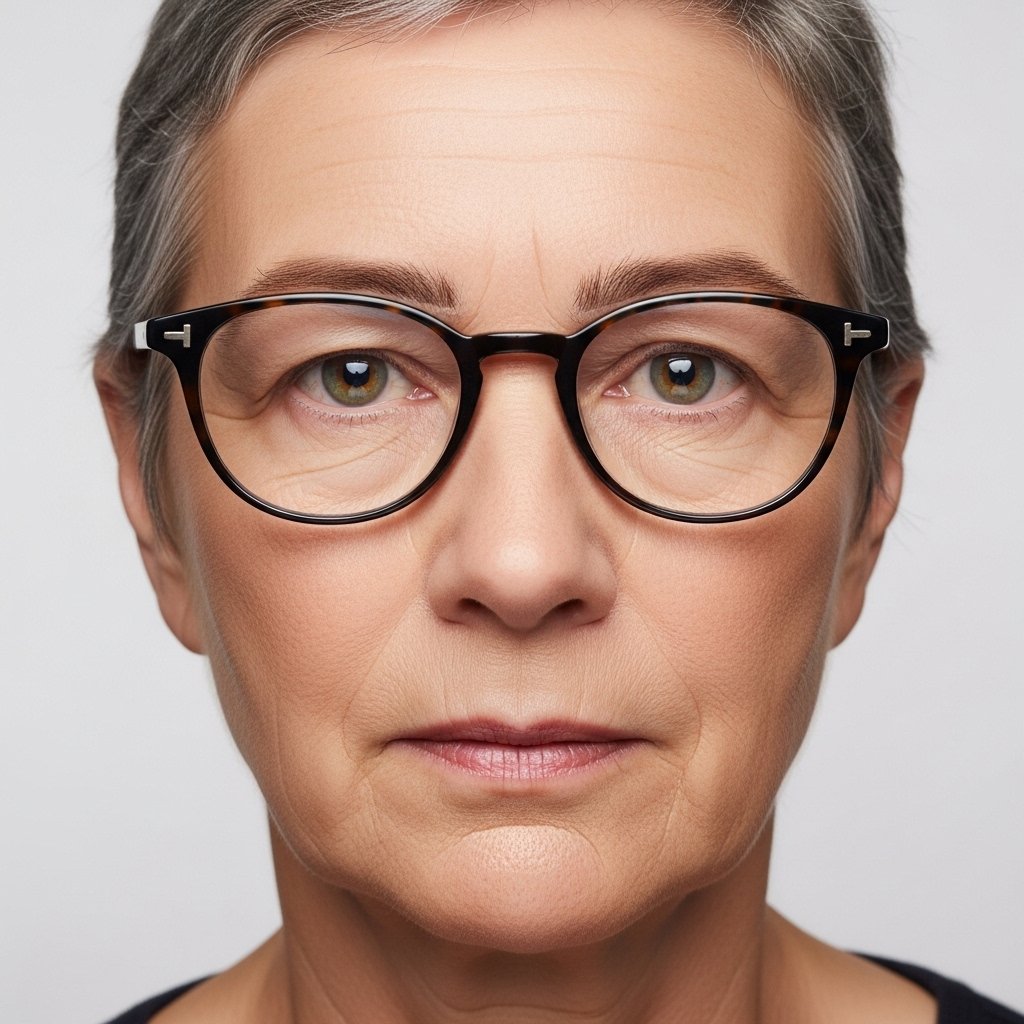
Brows ending before the outer eye corner shorten facial width visually. This shape increases emphasis on eye droop and temple volume loss. Extending the tail slightly restores horizontal balance and supports a lifted appearance without aggressive shaping.
Over-extended tails pull features downward
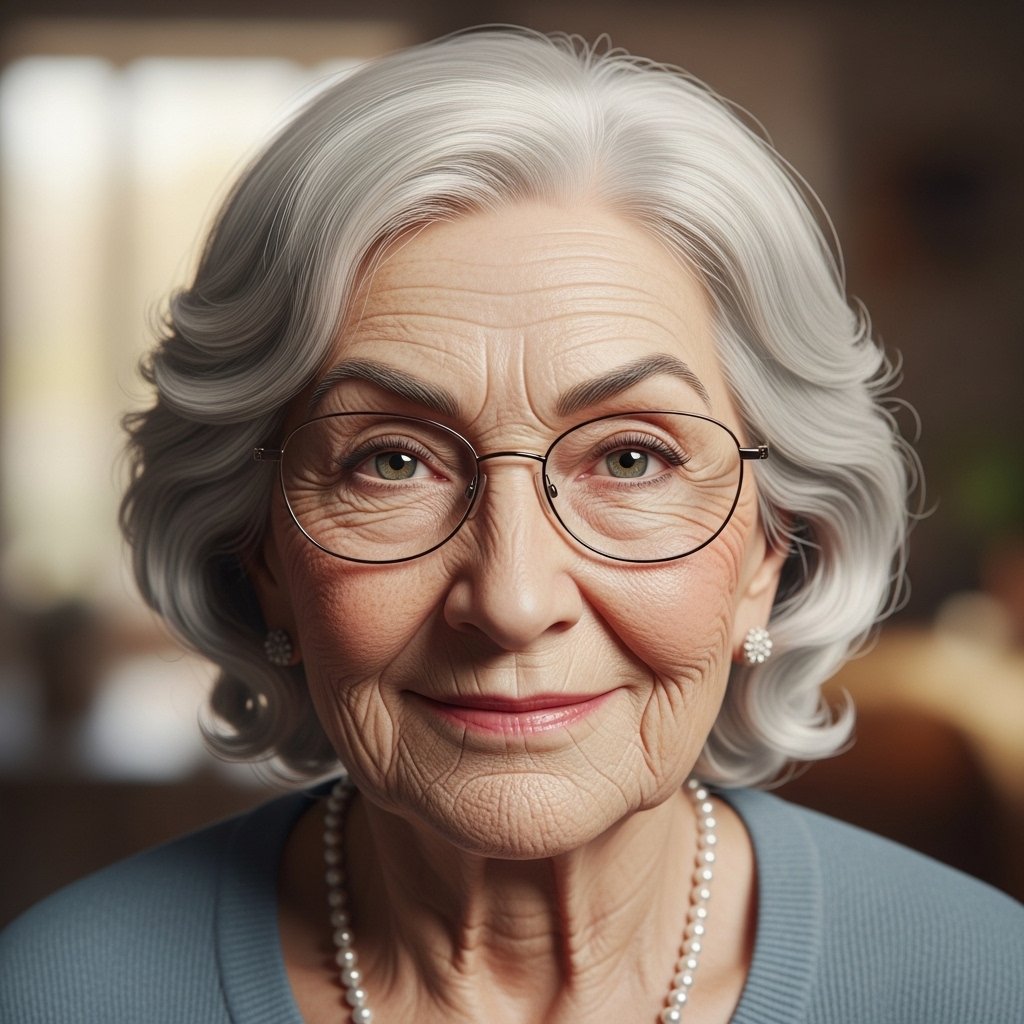
Excessively long brow tails angle facial features downward. This effect counters lifting efforts around eyes and cheeks. A tail aligned with the outer eye corner supports structural balance. Trimming excess length reduces shadowing in outer eye areas.
Color Choice Affects Perceived Density
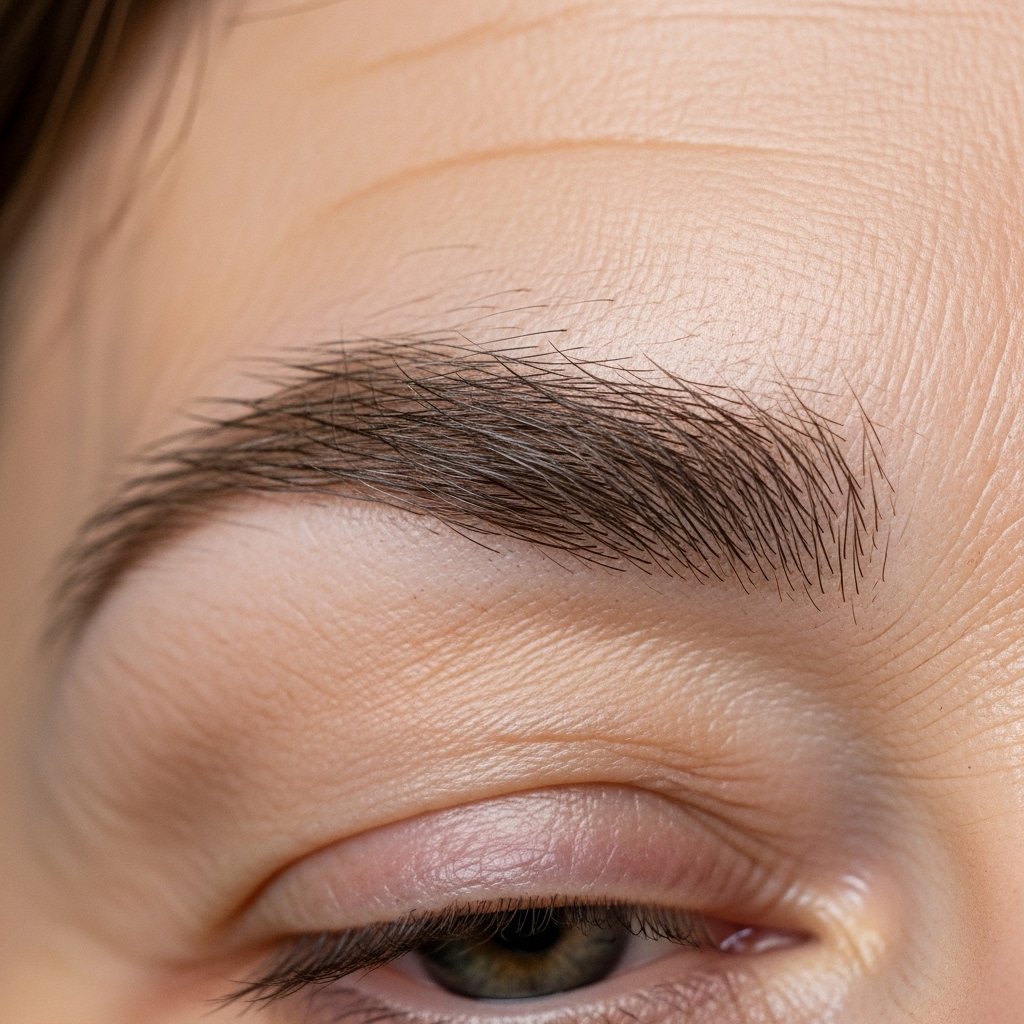
Brow color darker than hair shade appears heavy on mature skin. Lighter tones soften expression and mask sparse areas. Neutral brown or soft gray shades work well across lighting conditions. Consistent color selection reduces daily correction needs.
Maintenance Strategy Preserves Shape Longevity
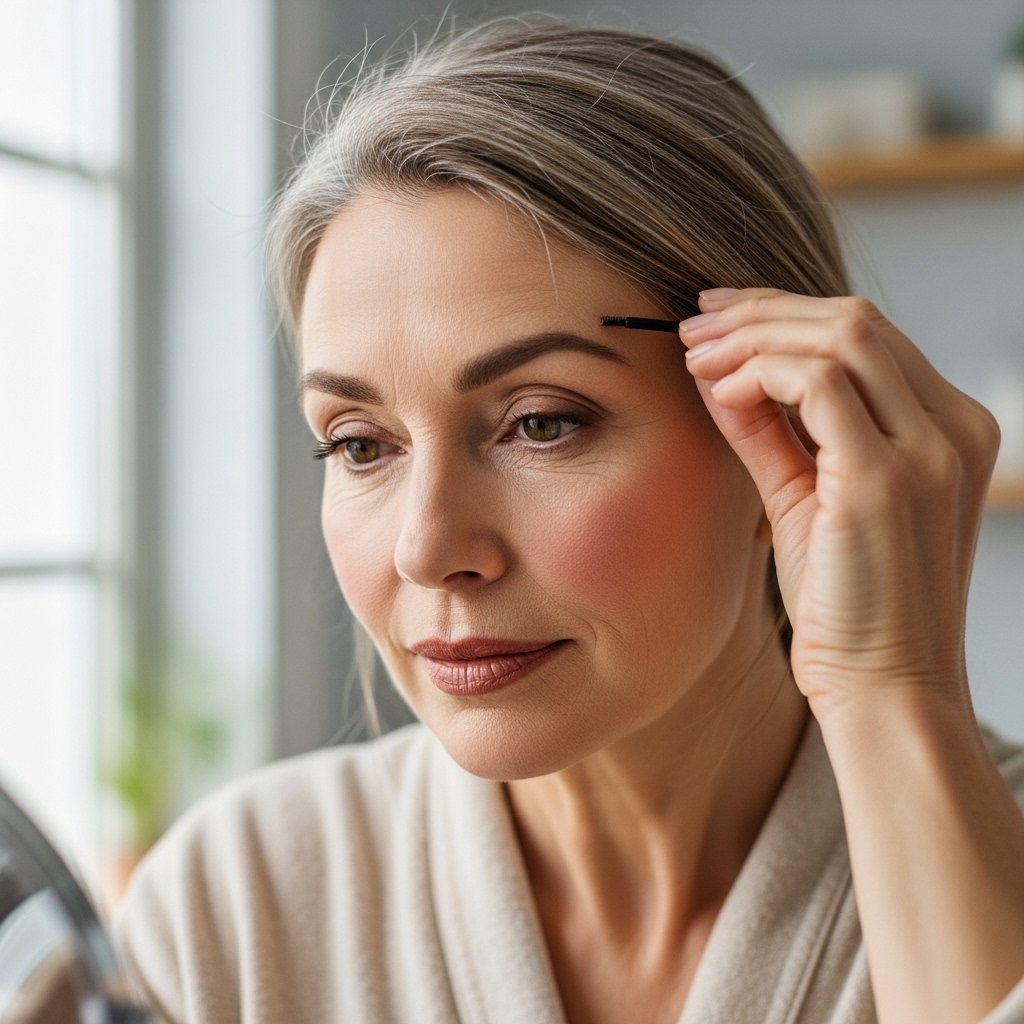
Regular trimming supports shape integrity without overplucking. Growth cycles slow with age, so conservative removal prevents gaps. Mapping brows every few weeks maintains proportion. Simple routines reduce dependency on corrective makeup and professional intervention.
