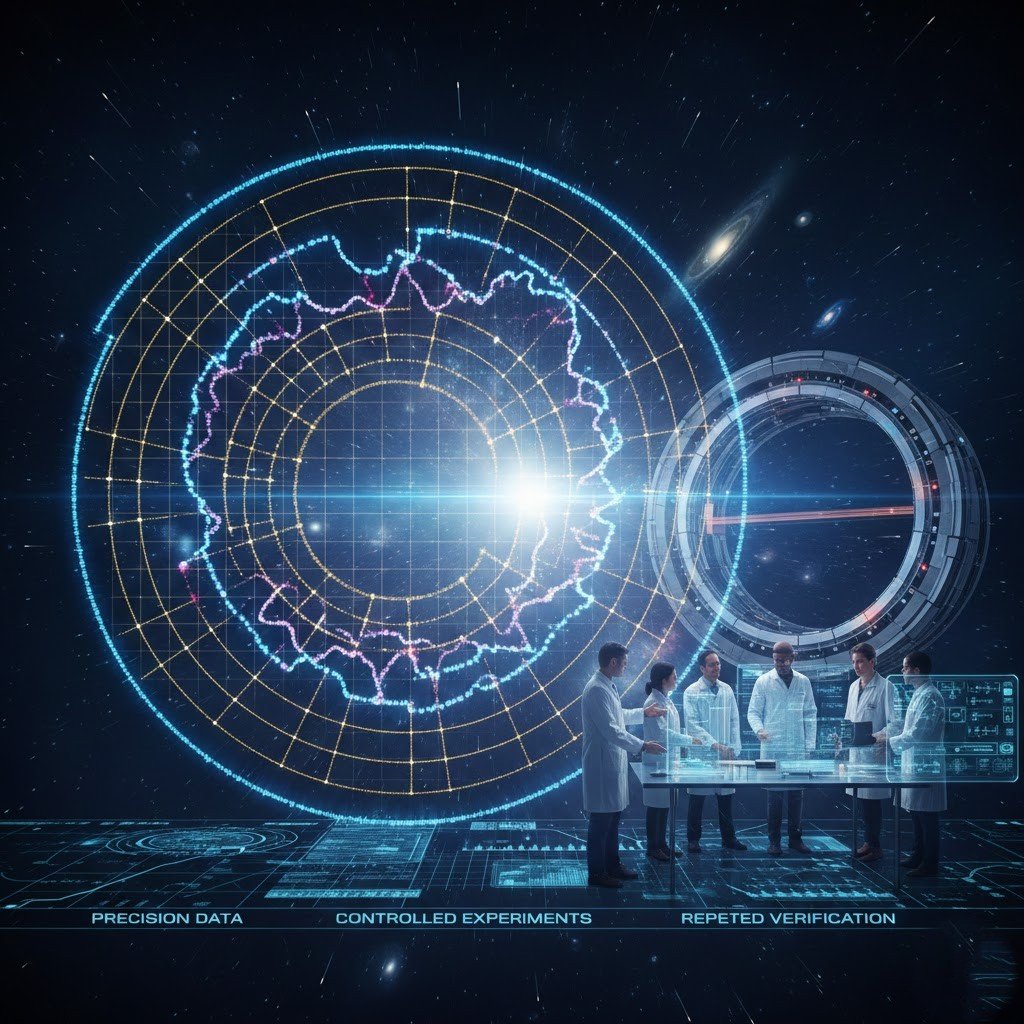
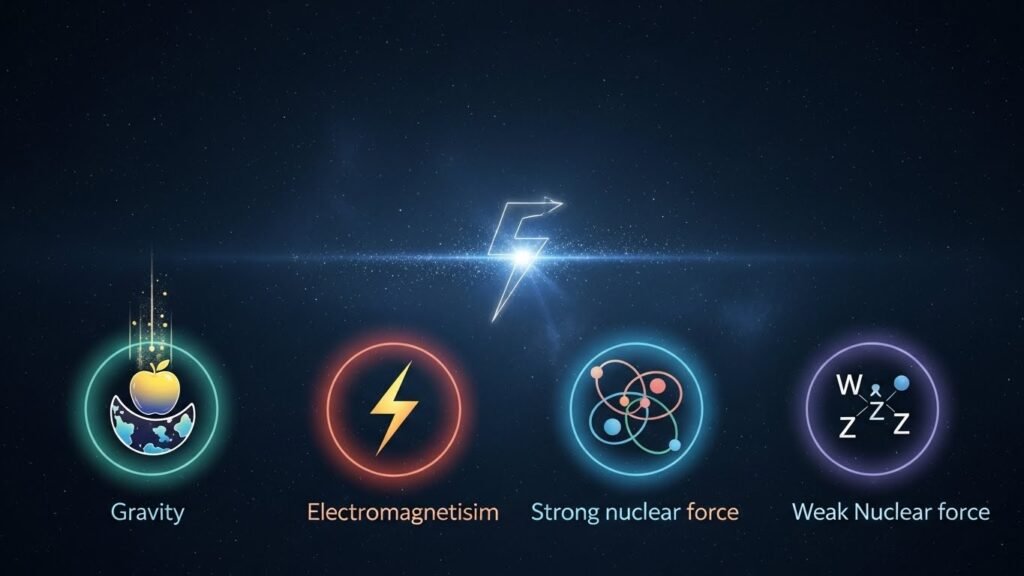
Physics describes nature through four known interactions. Gravity, electromagnetism, and two nuclear forces explain most observed behavior. Gaps still appear in measurements from space and particle experiments. Researchers now report patterns not aligned with existing models. These patterns appear across unrelated studies, which draws serious attention. The work focuses on precision data, controlled experiments, and repeated verification rather than speculation or dramatic claims.
Unexpected Patterns in Precision Experiments
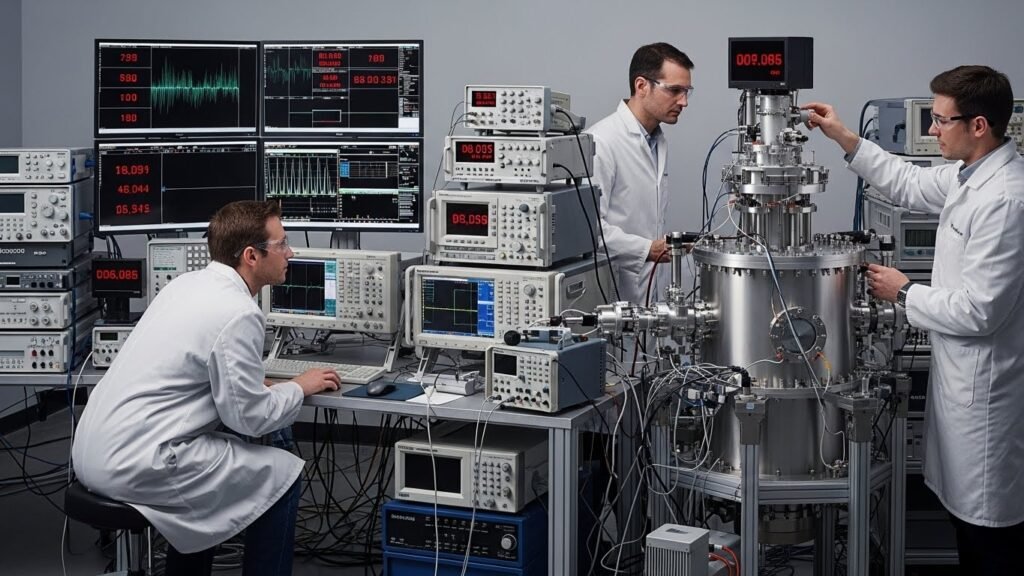
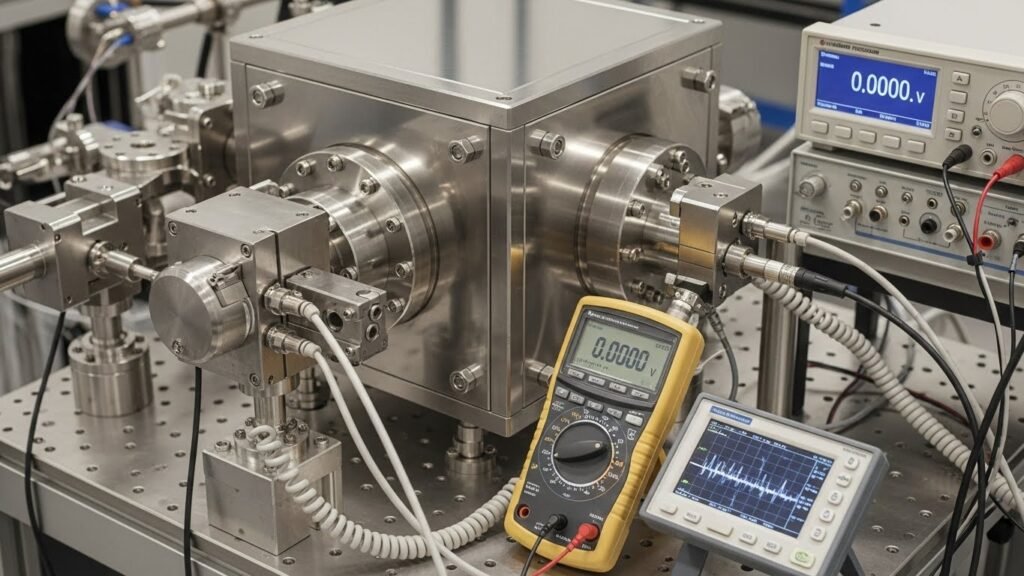
Laboratory measurements sometimes show small deviations from predicted values. These deviations appear during particle decay tests and atomic energy level studies. Research teams track these results over many trials. Repeated anomalies across independent labs raise questions about missing interactions rather than instrument error.
Why Four Forces Fall Short in Some Cases
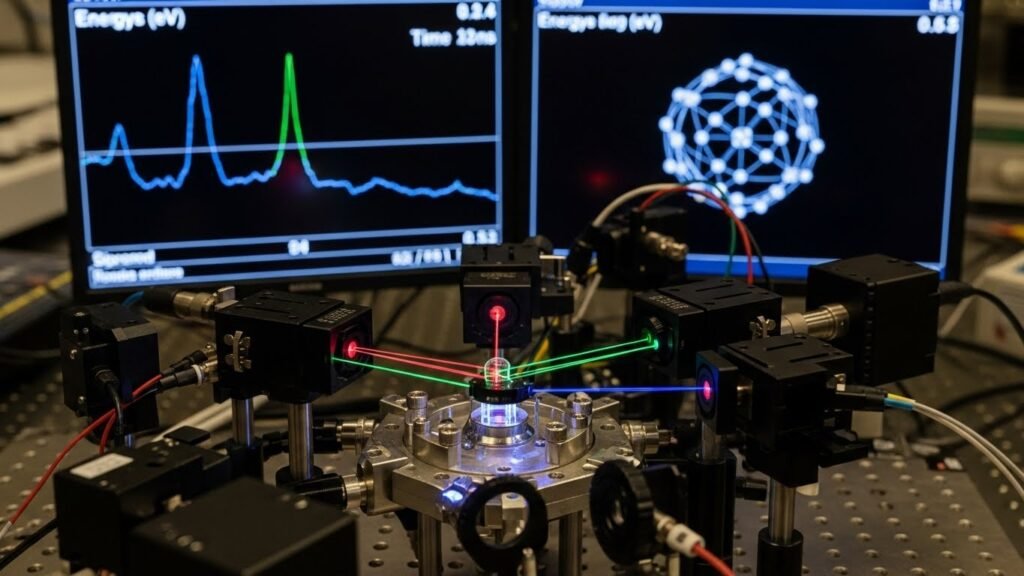
Current theories explain planetary motion and atomic structure with high accuracy. Certain cosmic observations still resist explanation. Galaxy rotation speeds and particle behavior under extreme conditions show mismatches. Scientists view these gaps as signals pointing toward incomplete force descriptions rather than calculation mistakes.
Clues From Particle Physics Research
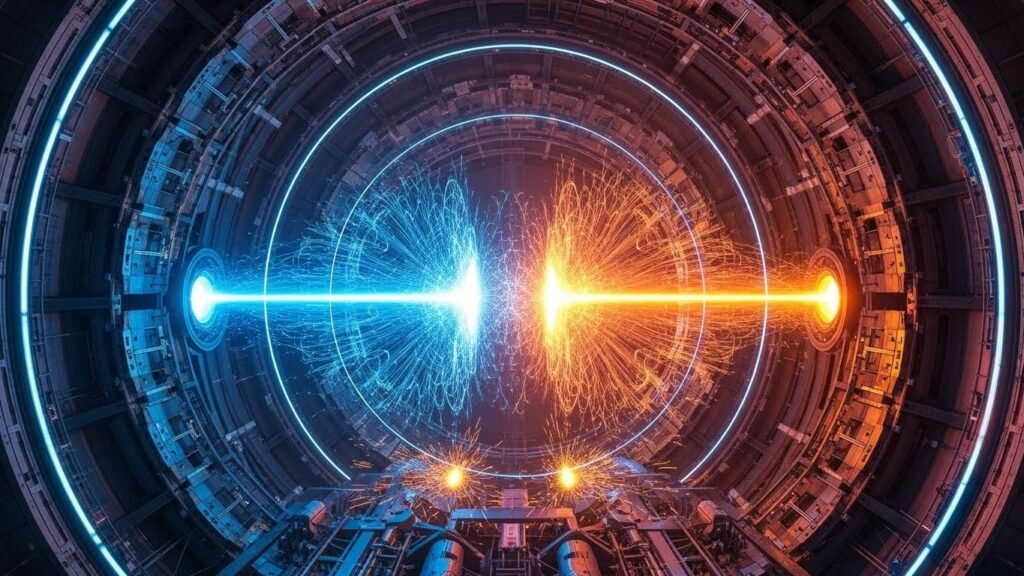
Particle accelerators test interactions at tiny scales. Some experiments reveal unexpected energy distributions during collisions. These outcomes do not align with known force behavior. Researchers examine whether a new interaction influences particle motion at short distances without altering established results elsewhere.
Astrophysical Observations Add Weight
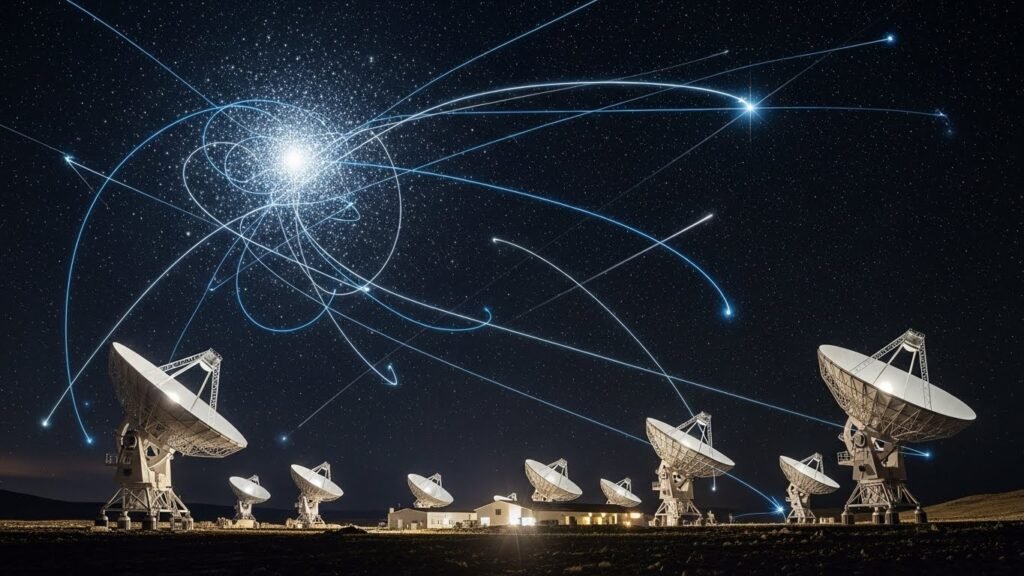
Space based measurements provide another testing ground. Observations of star clusters and interstellar matter reveal motion patterns not predicted by gravity alone. Data consistency across telescopes strengthens confidence. Astrophysics offers large scale confirmation separate from laboratory environments.
The Role of Hypothetical Force Carriers
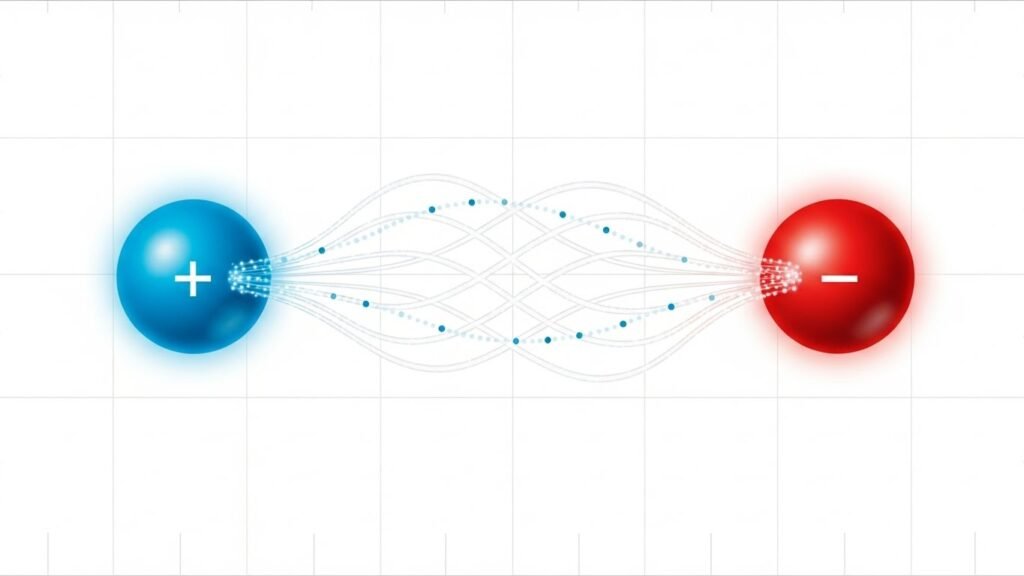
Theories often describe forces through carrier particles. Physicists propose lightweight particles as possible messengers for a fifth interaction. Experiments search for indirect signals such as missing energy. No confirmed detection exists, yet parameter ranges narrow each year.
Independent Teams Reach Similar Results
Credibility grows when separate groups report aligned findings. Universities and research centers across regions publish comparable data trends. Shared statistical features reduce chances of coincidence. Peer review focuses on methods and data handling rather than theoretical preference.
Improved Instruments Drive Progress

Measurement tools now reach sensitivity levels unseen a decade ago. Advanced detectors reduce noise and environmental interference. Better calibration allows tighter error margins. These improvements reveal subtle effects previously hidden within uncertainty ranges.
Theoretical Models Adapt to New Data
Theoretical physicists adjust equations to fit emerging results. Models test whether a new interaction fits observations without breaking known laws. Simulations compare outcomes across scales. Only frameworks matching all constraints survive further scrutiny.
Skepticism Within the Scientific Process
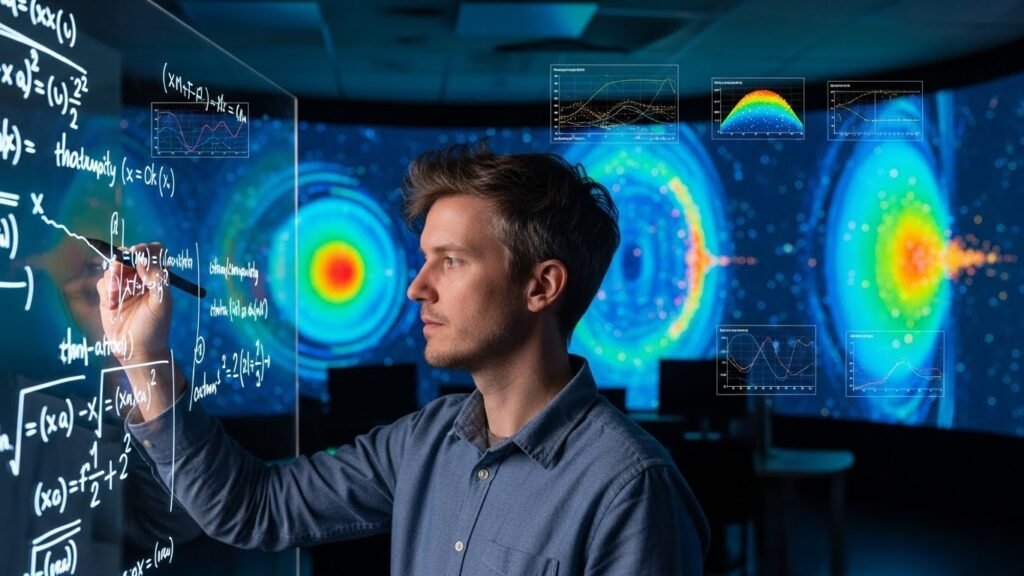
Researchers maintain caution throughout analysis. Alternative explanations receive full evaluation, including systematic error and statistical fluctuation. Journals demand replication before acceptance. This restraint protects reliability while allowing gradual theory refinement.
Next Steps in Ongoing Investigations

Future experiments focus on targeted conditions where effects appear strongest. New facilities plan higher precision trials and broader data collection. Collaboration between particle physics and astronomy continues. Evidence strength depends on repeated confirmation across methods and environments
