Daily eye care plays a steady role in visual comfort and focus. Modern routines include screens, artificial lighting, cosmetics, and long indoor hours. These factors place regular pressure on eye health. Small daily actions support clarity and reduce discomfort. The guidance below focuses on routine based steps grounded in practical habits. Each practice fits common schedules and supports long term eye comfort without complex tools.
Morning eye cleansing routine
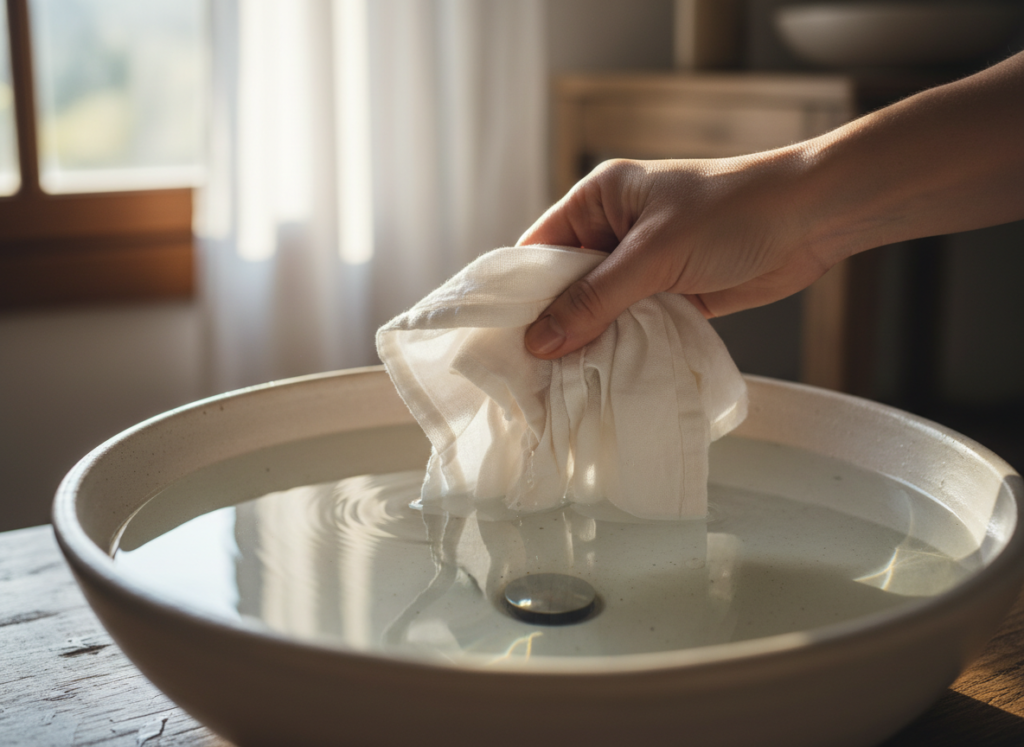
Eye cleansing in the morning eliminates sleep and airborne debris. Eyelid support is achieved by applying the clean cloth in lukewarm water. Light movement along the lash lines aids in the removal of accumulation around follicles. This practice makes eyes ready to the cosmetics, screen and outdoor contact in the early hours.
Screen break structure during work

Extended screen exposure reduces natural blinking rates. Scheduled breaks during digital tasks support moisture balance. A short pause every twenty minutes supports eye surface comfort. Looking toward distant objects relaxes focus muscles and reduces strain linked to continuous near work.
Blink awareness practice

Focused tasks reduce conscious blinking. Intentional blinking supports tear spread across the eye surface. This practice reduces dryness linked to prolonged concentration. Desk reminders or visual cues prompt blinking during reading, writing, or screen based tasks.
Lighting adjustment indoors
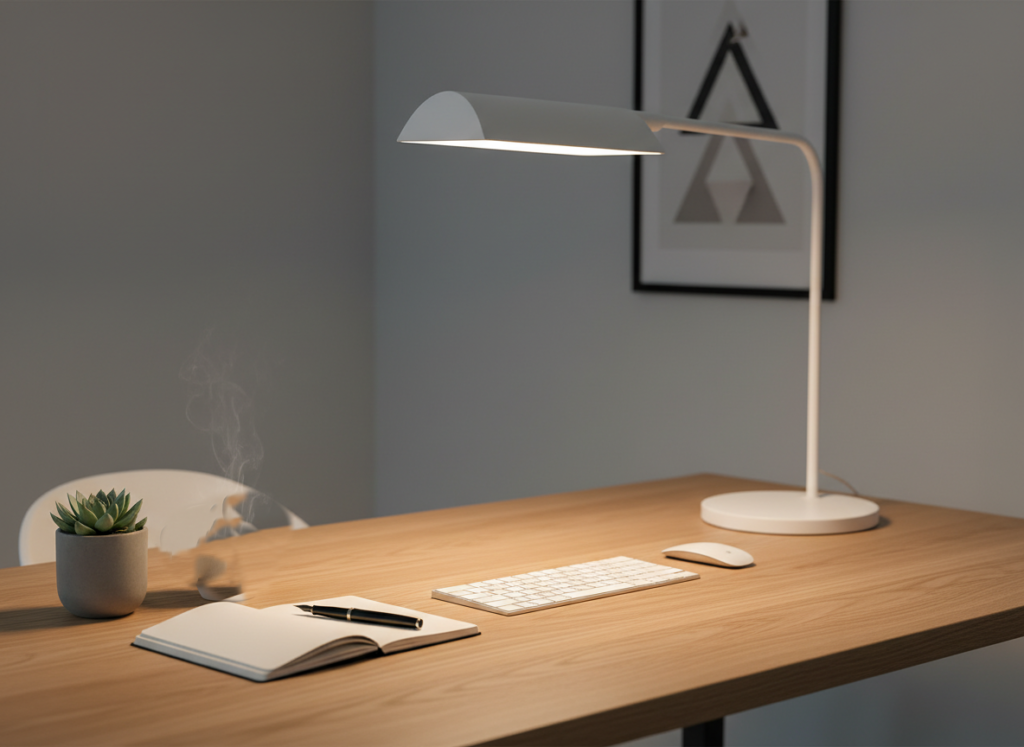
Indoor lighting influences visual comfort. Balanced ambient light paired with focused task lighting reduces glare. Screen placement slightly below eye level supports natural viewing angles. Stable lighting across rooms limits frequent pupil adjustment during daily movement.
Makeup application discipline

Eye makeup requires careful handling. Clean brushes reduce residue transfer near lashes. Mascara replacement within three months lowers exposure to buildup. Makeup removal before sleep supports clean eyelids and reduces irritation during overnight rest.
Hydration throughout the day

Water consumption helps in the production of tears and comfort of the eyes. Frequent hydration in the work and home regimes ensure the preservation of moisture. Holding a refillable bottle facilitates consistent consumption. The habit helps to keep the eyes comfortable even when one is spending a lot of time indoors.
Food choices supporting eye health

Nutrition supports visual function. Leafy greens, eggs, and fish supply nutrients linked to eye structure support. Including these foods within meals supports consistency. Balanced meals during the week contribute to steady eye comfort without supplements.
Outdoor eye protection habits

The eyes are exposed to sunlight, dust and wind in the outdoor environment. Daytime traveling brings exposure to the sun, and UV-filtering sun glasses minimize potential exposure. Wraparound designs inhibit the entry of particles through the sides. Frequently used helps in comfort during commuting, walking or recreation.
Sleep schedule alignment

Sleep quality influences eye recovery. Adequate rest supports tear film stability and reduces morning redness. Screen avoidance before bedtime limits light exposure effects. Consistent sleep timing aligns recovery cycles with daily activity patterns.
Planned eye check visits
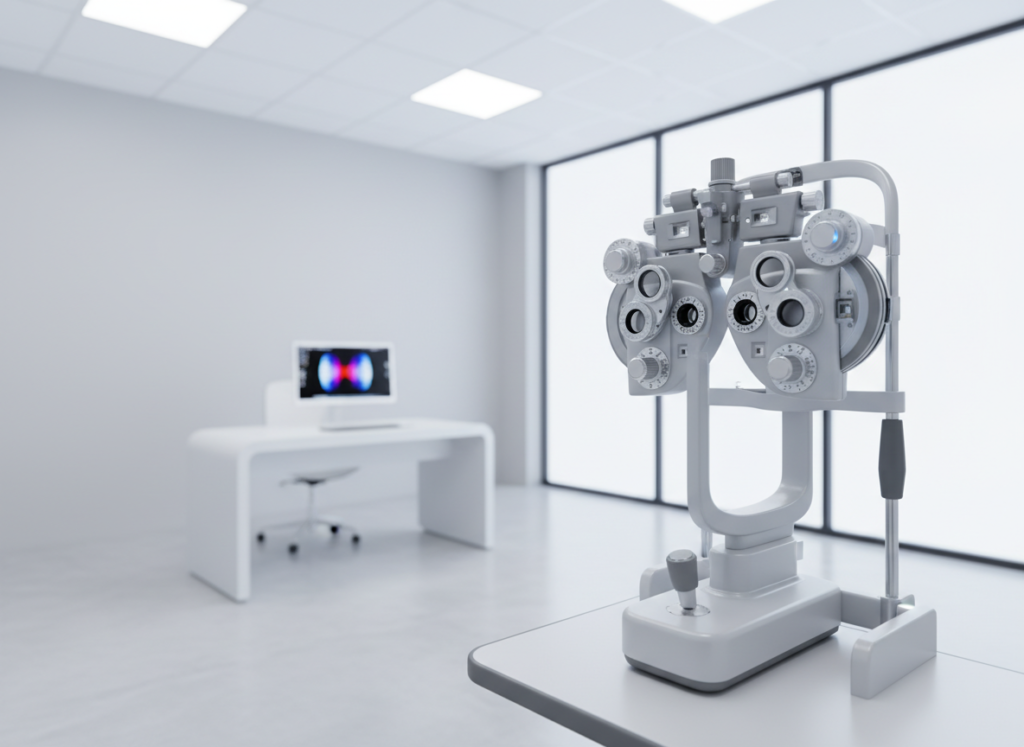
Routine eye examinations support vision tracking. Scheduled visits help identify strain linked changes early. Professional guidance informs adjustments in screen habits or eyewear needs. Annual planning integrates eye care into broader personal health routines.
