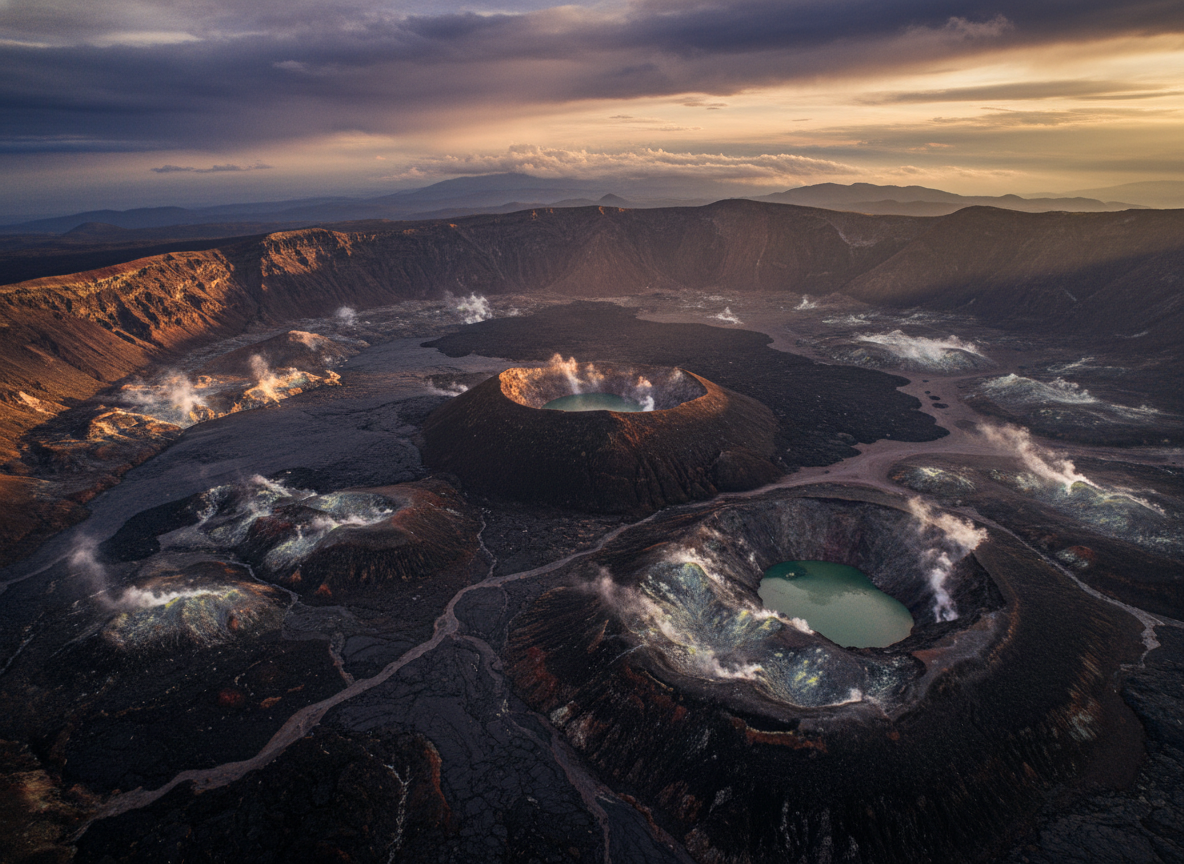
Supervolcano: Often put a thought in the minds of great names for cataclysmic, world-shattering explosions, but the complete story is much more intricate. Supervolcanoes appear to be constantly underway with signs of activity, keeping scientists busy with discussions on better preparedness against one. Basically, a supervolcano is one where an eruption has occurred with a Volcanic Explosivity Index of at least 8, which means at least once it erupted more than 1,000 km3 of material.
Here are the following nine points on the current state of supervolcanoes on Earth and how ready we are:
Waking Up vs. Natural Restlessness
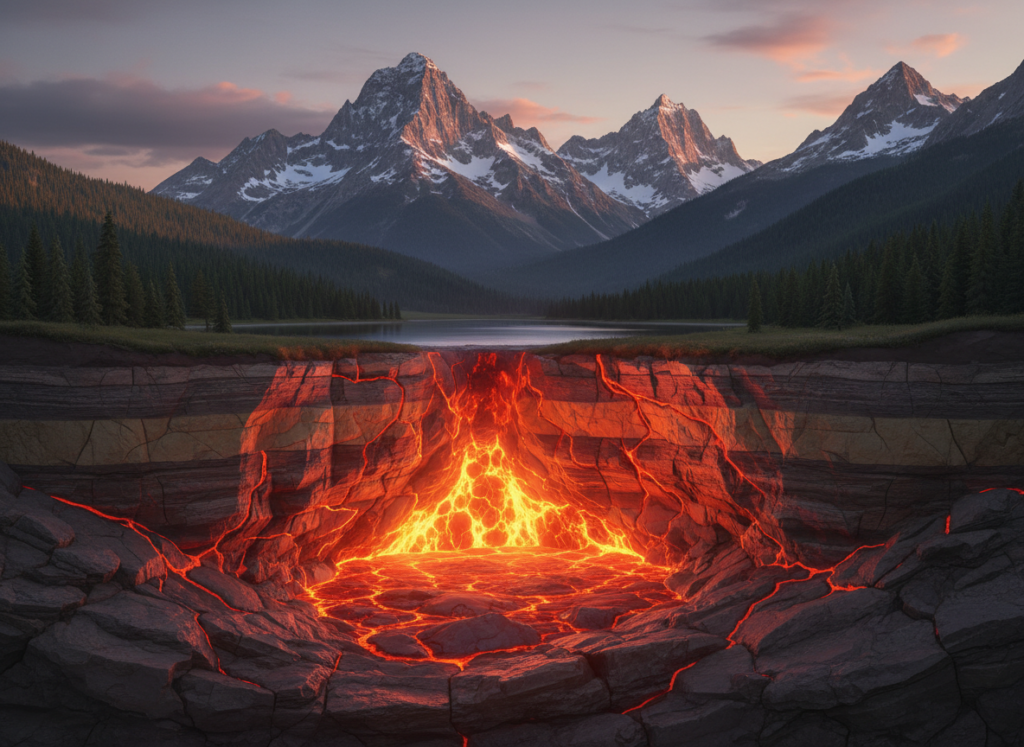
It is in the news when a supervolcano is said to “wake up”-that is, being associated with increased activity, such as episodes of ground lifting or even small earthquakes. Such “restlessness” is rather normal behavior for supervolcanoes. These systems contain huge magma chambers which undergo inflation and deflation during very long periods of thousands of years without an explosion.
Enhanced Monitoring Technology Now Updated
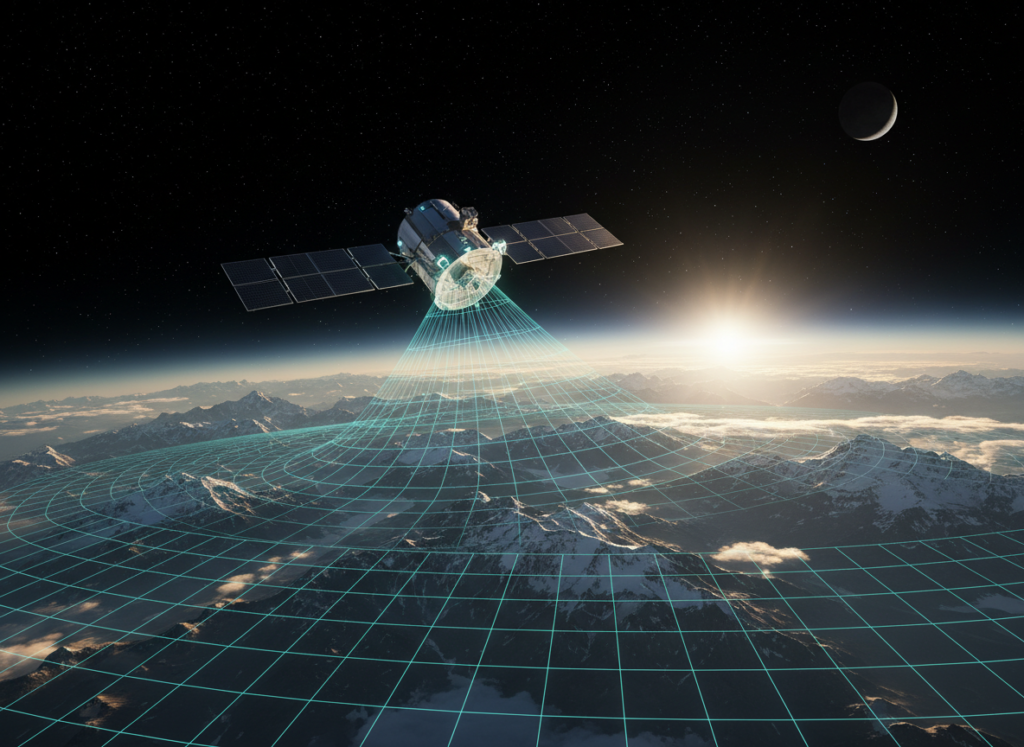
In essence, now, we are now much more ready than ever to detect an eruption of a supervolcano at the moment at which it occurs. Satellite GPS makes it possible to measure, in millimetric precision, deformations of the ground surface, and hundreds of delicate seismographs lend ears to capturing the muffled sounds emanating from underground movements of magma. So we would have weeks, months, or even years to know that a true super-eruption was about to take place.
The Ash That Remains Suspended Globally
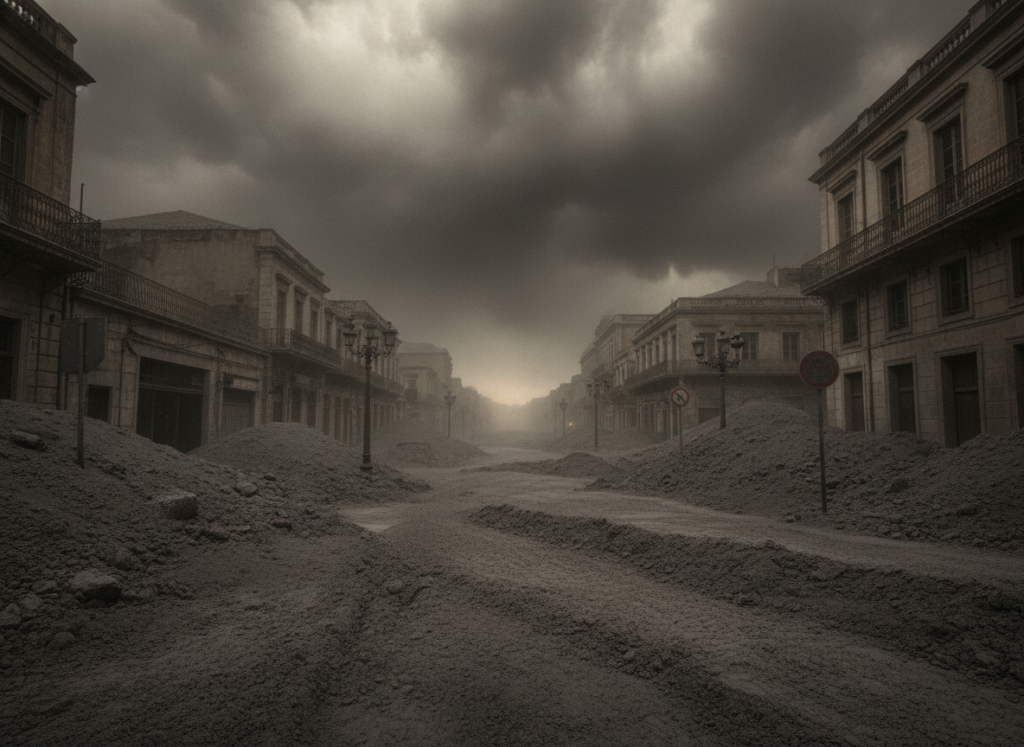
Ash is indeed the worst threat from any supervolcano, and the type of ash to be spewed into the atmosphere by any eruption would coat continents. Ash provides enough weight to make roofs buckle, disrupt power lines, and clog any jet engine, making every area ground zero for travel and access to electricity.
Volcanic Winter and the Security of Food
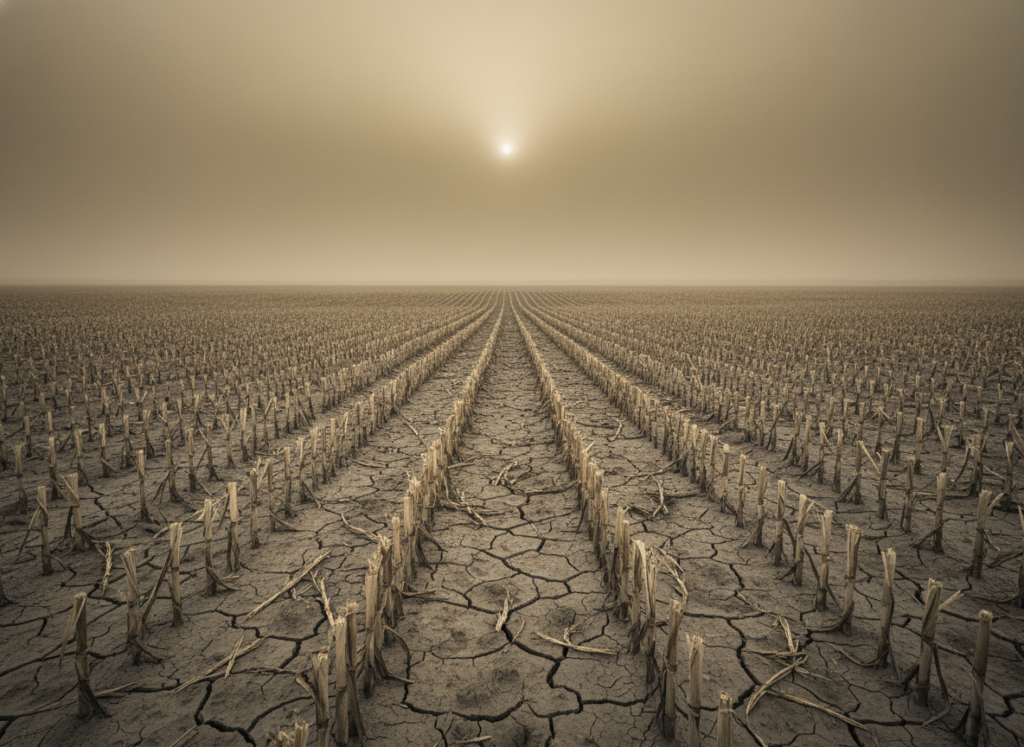
A lot of ash would spew out into the atmosphere along with sulphur dioxide so that sunlight would reflect off the earth. If that were so, we might see a volcanic winter-a drop down of average annual temperature over the whole globe for a few degrees down for several years. All this would result in the worldwide crop failings; while the explosion itself is serious danger, ironically the resulting world famine could turn to be an even worse threat.
To Divert or Not to Divert
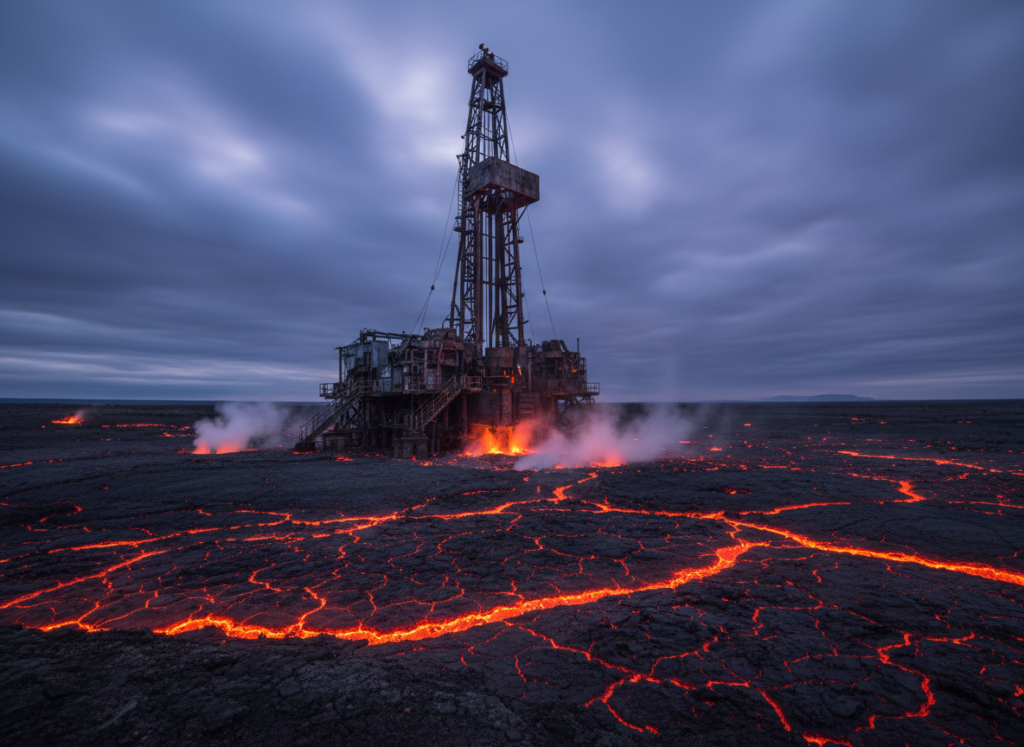
Can we prevent such an eruption-an earlier proposition put forward by some scientists today claims that it may entail drilling into supervolcanoes for the venting of pressure, or injecting water to cool the magma. The trouble is, just as with others, this is a purely theoretical construct that carries very high risks. Just messing with the load pressure of a massive magma chamber could invoke exactly what one would be trying to prevent.
The Grim Mother Reality of Emergency Evacuation
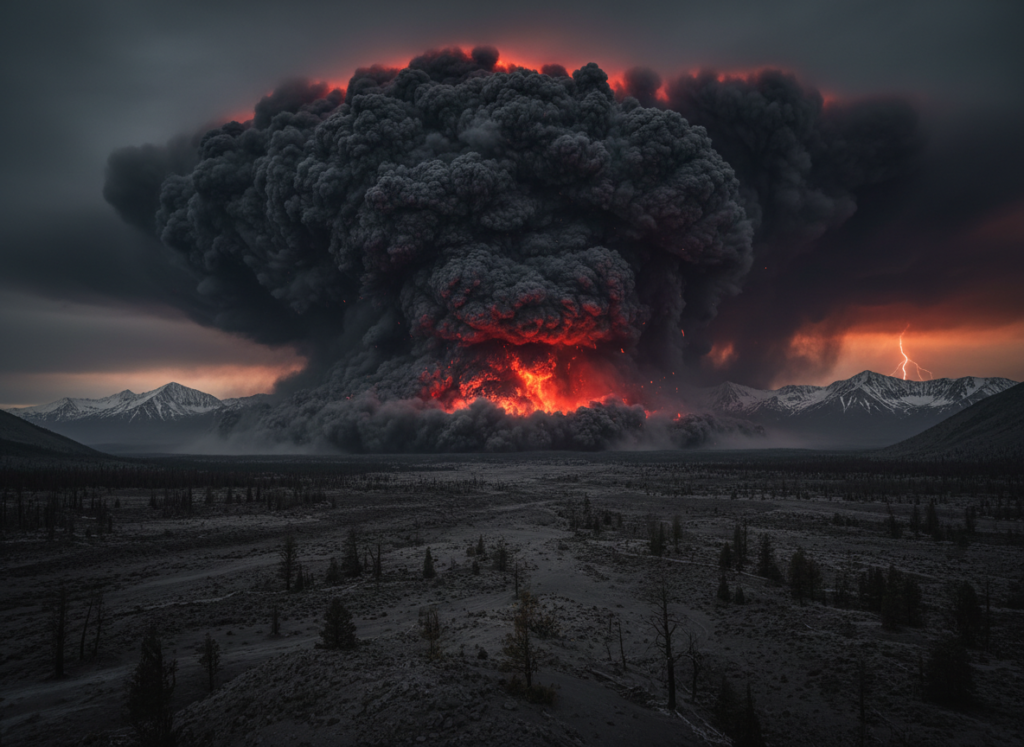
Evacuating towns is easy to call for in the case of a common volcano, but it would be most daunting indeed with a supervolcano: pyroclastic flow kill zones can stretch out to hundreds of miles. Preparedness now has much more to do with resources hoarding and long-term survival than logistics concerning the movement of millions of people.
Need for International Cooperation
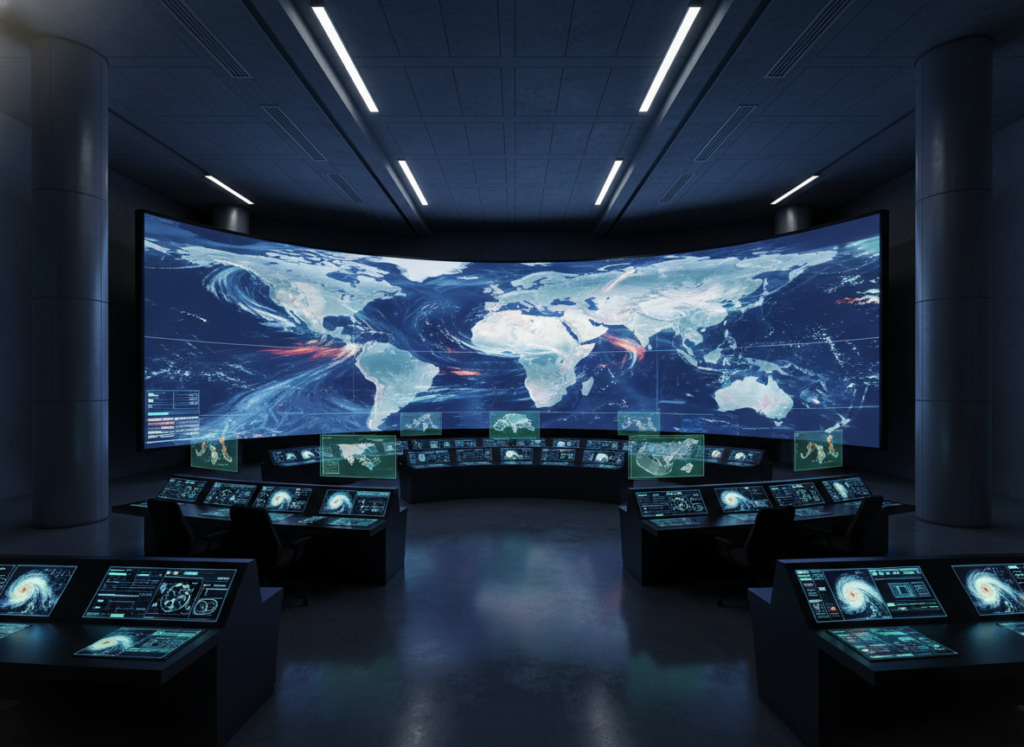
Because the repercussions of a super-eruption will transcend international borders, preparation will have to take an international approach. Businesses like Volcanic Ash Advisory Centers in the region have been trying to track such ash clouds in their territory. There presently exists no global agreement that lays down a backup plan to sustain the population of Earth during a volcanic winter.
Low Probability and High Impact

In occurrence rates, super-eruption events are extremely rare; they are supposed to occur once every 50,000 to 100,000 years. Because this probability becomes infinitesimally low on a human scale, justifying throwing billions at specific emergency scenarios against super volcanoes vis-a-vis something much more pressing like hurricanes or pandemics, would prove difficult for any government.
Create Resilient Infrastructure
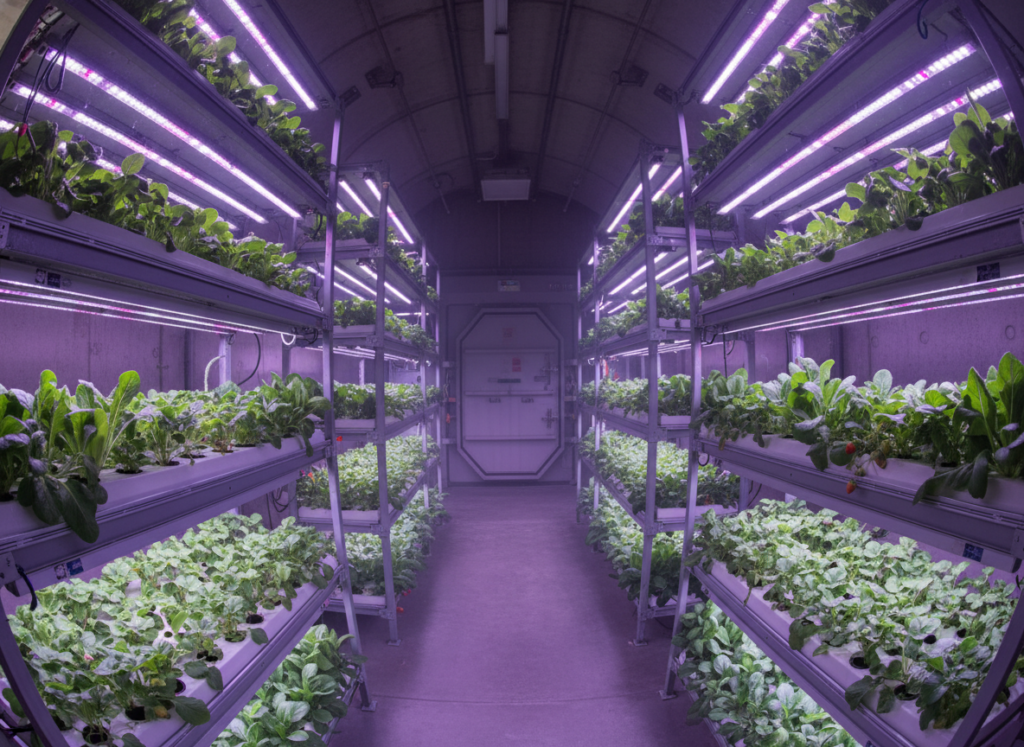
Rather than doing it in that way, it is better for us to organize preparedness in constructing “resilient” systems. More specific would be power grids that resist ash, in-door crops that don’t depend on sunlight, and lots of biodiversity in seed banks. The stronger local communities are, the better our chances of survival when atmospheric chaos disrupts the normal for a long time.
