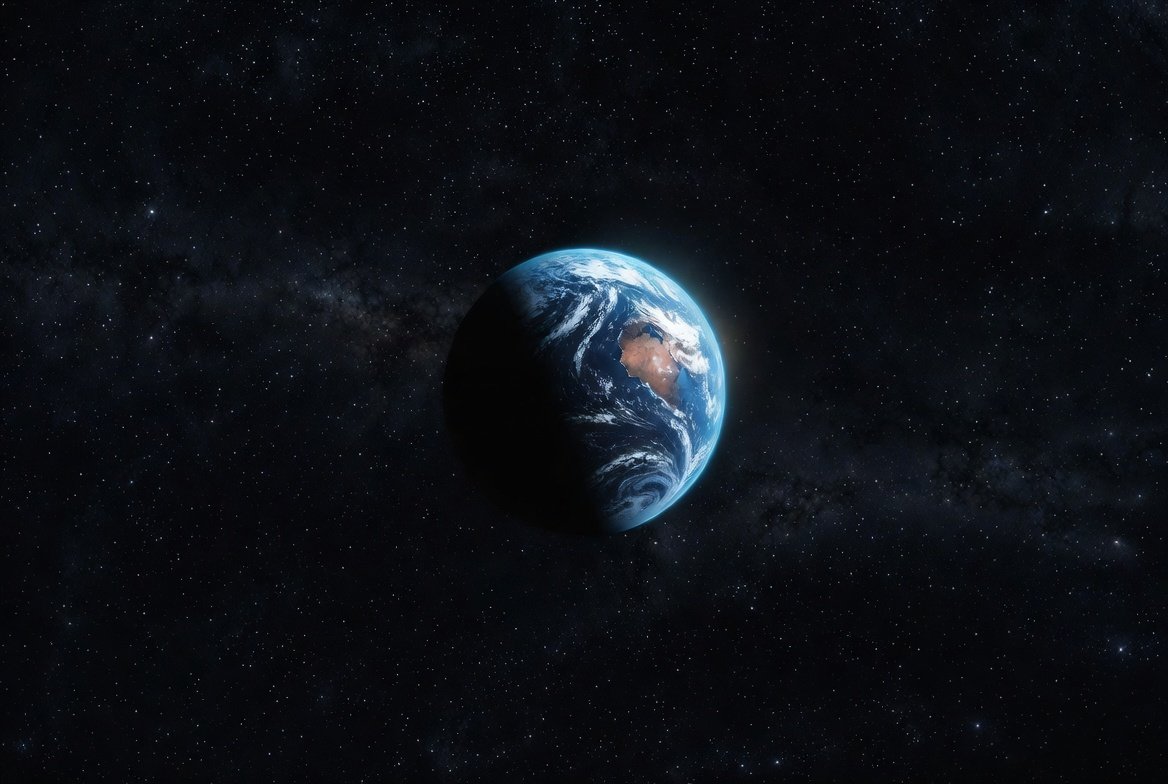
For some time after they discovered thousands of exoplanets, many have started to think that somehow life exists all through the universe. However, many more researchers have started siding with the Rare Earth Hypothesis. This means that although planets are everywhere in the universe, the particular set of conditions for emergence of complex intelligent life could be so rare that we really are all alone even in the Milky Way.
There are nine popular arguments suggesting that an Earth 2.0 might actually be a million-to-one.
Goldilocks Zone is not a lot
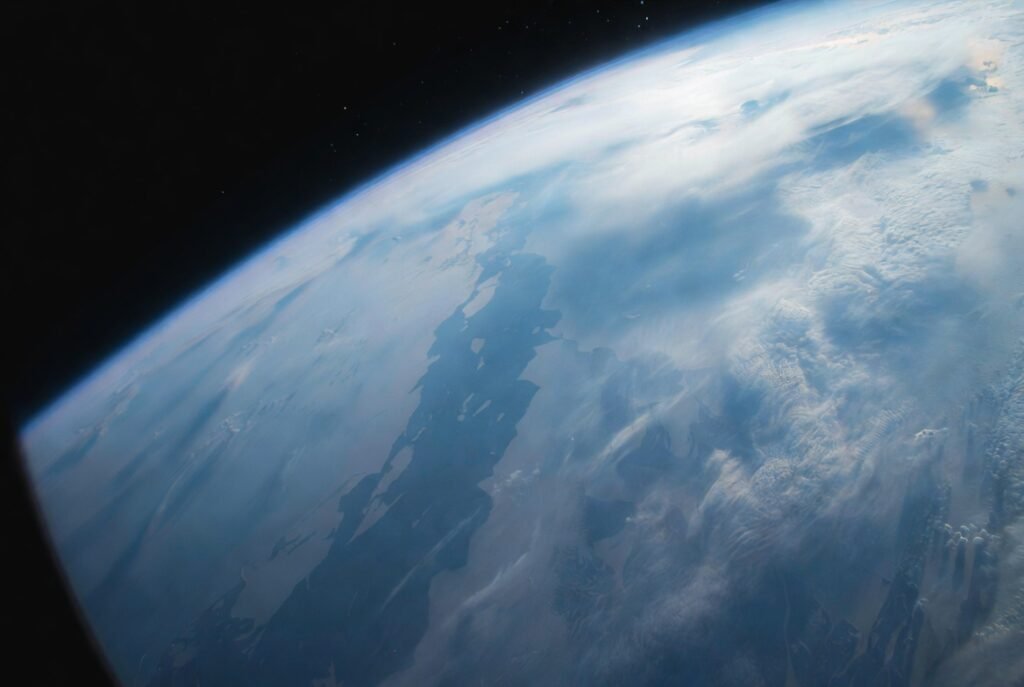
It is generally known that a planet would lie at the right distance from its sun for the presence of liquid water-the “Goldilocks Zone.” However, just being in such a zone is the first step. The planet should also have the right atmosphere and angle of tilt to ensure that water is not just blasted away by solar radiation.
Need for a Jupiter shield
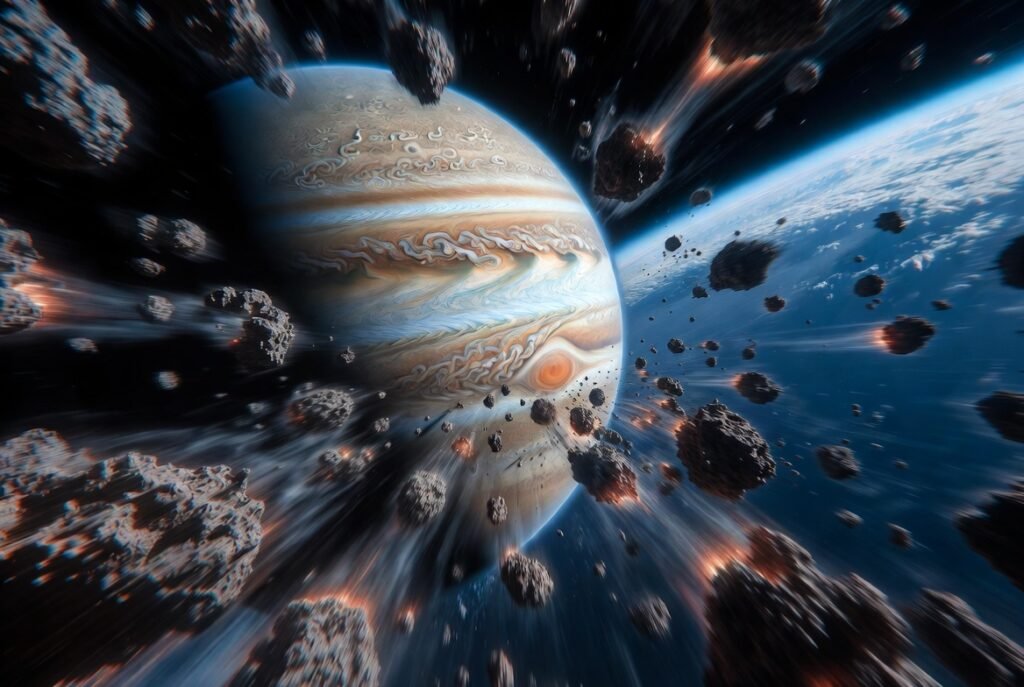
Earth being protected by a big planet, Jupiter, its ominous strength attracts or diverts hazardous asteroids and comets that would otherwise impact on its surface. Had it not been for interference provided by the ‘Big Brother’ planet, Earth would have faced extinction events too frequently for any life to evolve.
Stabilizing Moon
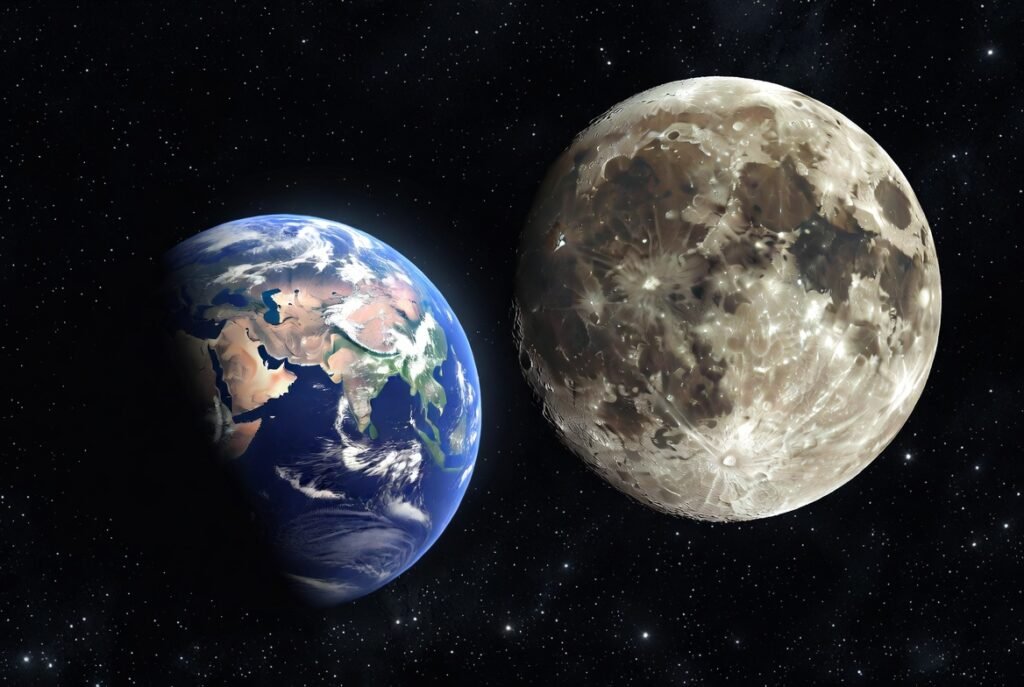
Compared to Earth, the Moon is quite large. This enormous significance, for the gravitational influence of the Moon stabilizes tilt (obliquity) of the Earth. Otherwise, the Earth would chaotically exhaust its axial tilt thereby disturbing climates enough to wipe out any chance of survival for any complex life within just a few million years.
Superb magnetic shield
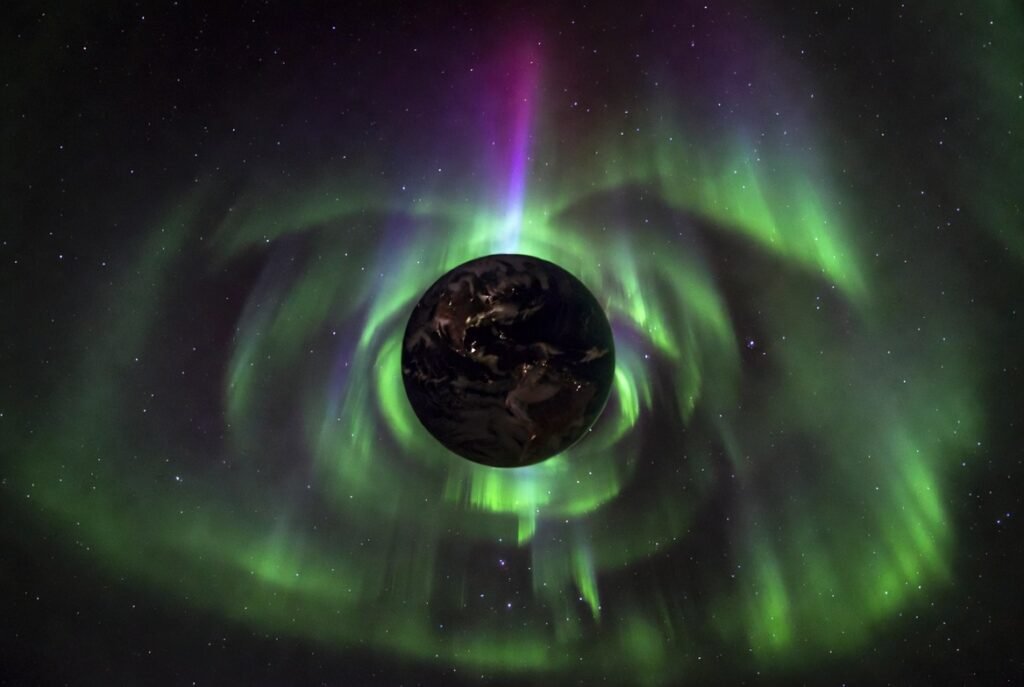
The magnetic field that defends the planet against the erosion carried by solar winds is caused by the molten iron core of the Earth. Many Earth-like planets have cooled down and so lost their magnetic shields to become barren deserts like Mars.
The Rare Plate Tectonics
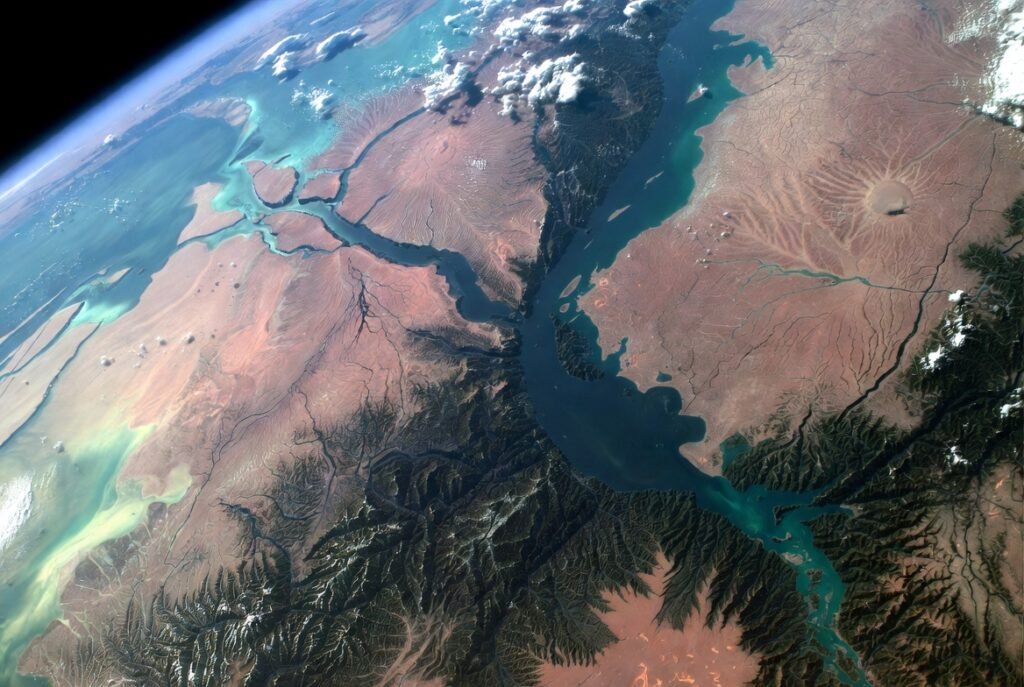
This is the only one that we know of that has active plate tectonics. They act like some kind of global thermostat, renewing carbon, thus keeping surface temperature constant over billions of years. Without such geological recycling, a planet would easily have gone berserk like Venus, or become a frozen wasteland.
The Great Filter Theory
This theory posits that some gruesome barrier to life occurs almost universally so as to allow a few species anywhere to get across it. This could be the jump from simple cells to complex ones; or the jump from any intelligence in the animal world to technological civilization. If this “Filter” exists some place behind us, then we could actually be the only ones having passed through.
Chemistry of Stars in the Neighborhood
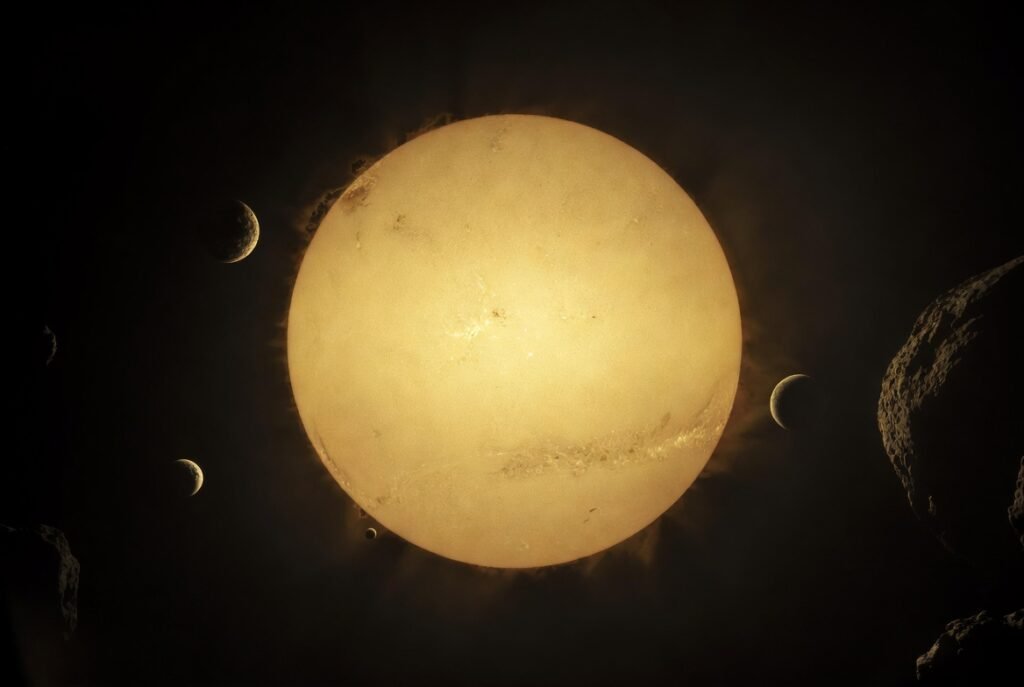
Not all stars are created equal. Our sun is a G-type star that is stable and thus can be long-lived. Many others are red dwarfs that are fussy and go off in flares to the extent of sterilizing whatever planets fall in their way. It thus appears rarer than we previously thought to find a stable star with the right chemical make-up (metallicity) for rocky planets.
The timing conundrum
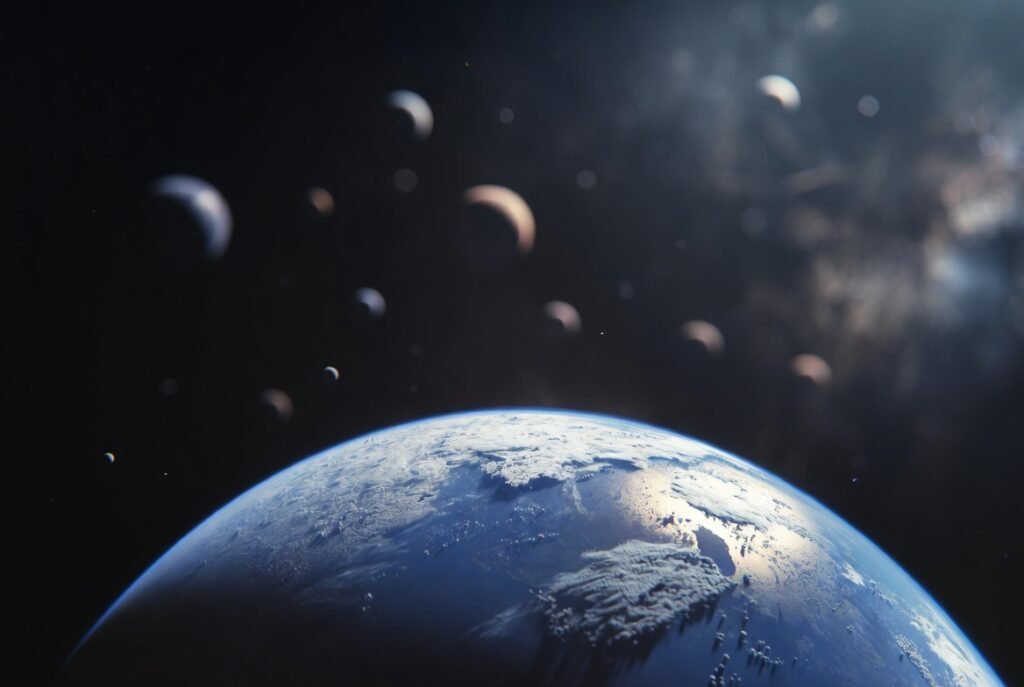
The universe is said to be 13.8 billion years old. The near-perfect conditions made humans come into existence on Earth about 4 billion years ago. Chances say there have been other civilizations appearing and self-extinguishing millions of years ago or yet to come to fame only millions of years from now. Maybe we are ‘alone’ because our timelines do not intersect.
The Miracle of the Eukaryotic Cell
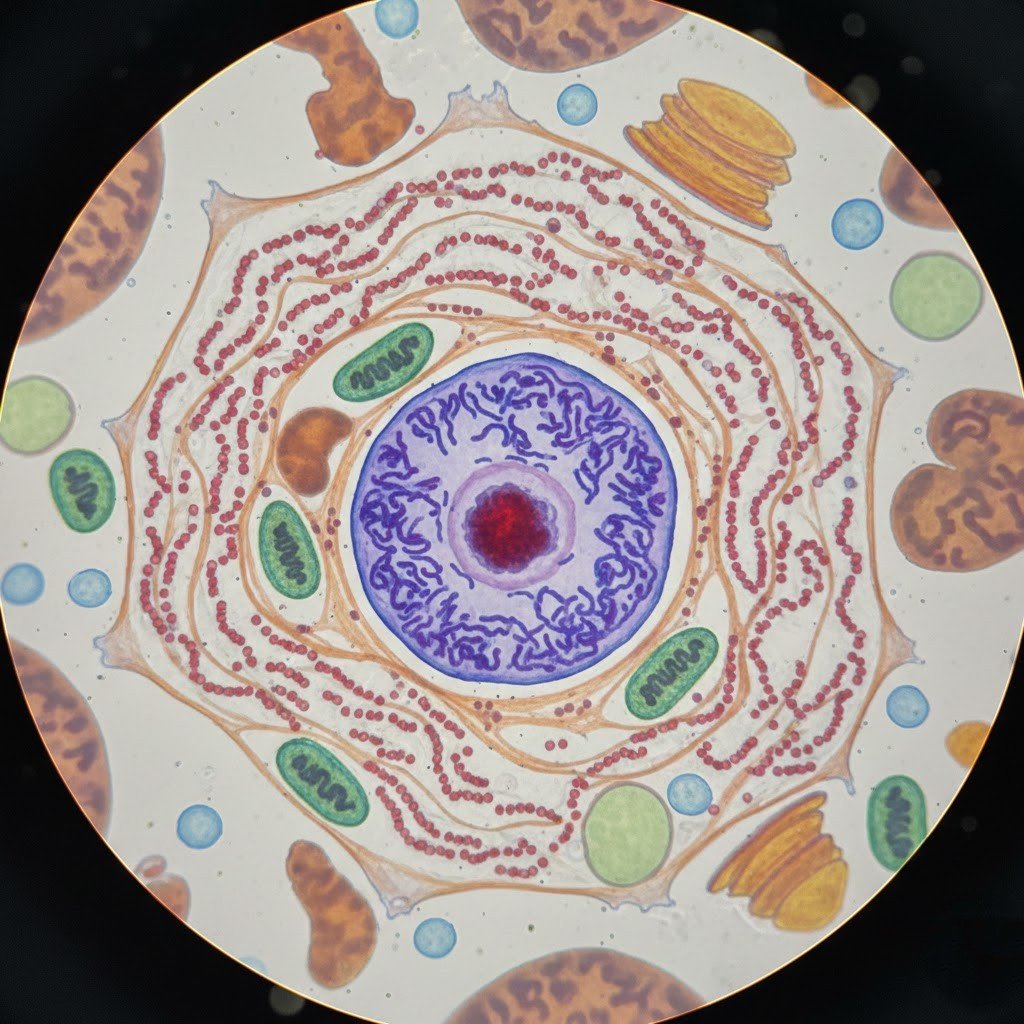
For billions of years, life on Earth was an inconsideration of single-celled organisms. The transition to complex ‘eukaryotic’ cells, the building blocks of all plants and animals, only happened once- through the most improbable biological accident in the entire history of the planet. Had this accident not occurred, a planet would remain slime-covered forever without any ‘people’ ever coming to be.
