
There was a time when reaching 10k steps a day was the ultimate sign of achievement. Fitness trackers vibrated, phones rejoiced, and people flaunted screenshots of their daily totals. Questions have begun to arise over the years. Does that figure matter anymore, or is it just a snappy goal that has been held on to? As lifestyles evolve, people have busy schedules, and with new health discourses, it would appear there is a reason to stop and think. Maybe the goal still matters. Perhaps it is a matter of the individual. What is clear is that walking in one form or another still remains in a silent yet constant position in our daily well-being.
Where the 10k step goal came from

The concept of 10k steps is said to have emerged as a marketing campaign in the 1900s in Japan. It might not have been initially a strict science, yet the figure was easy, simple, and easy to target.
Why does the number feel so motivating
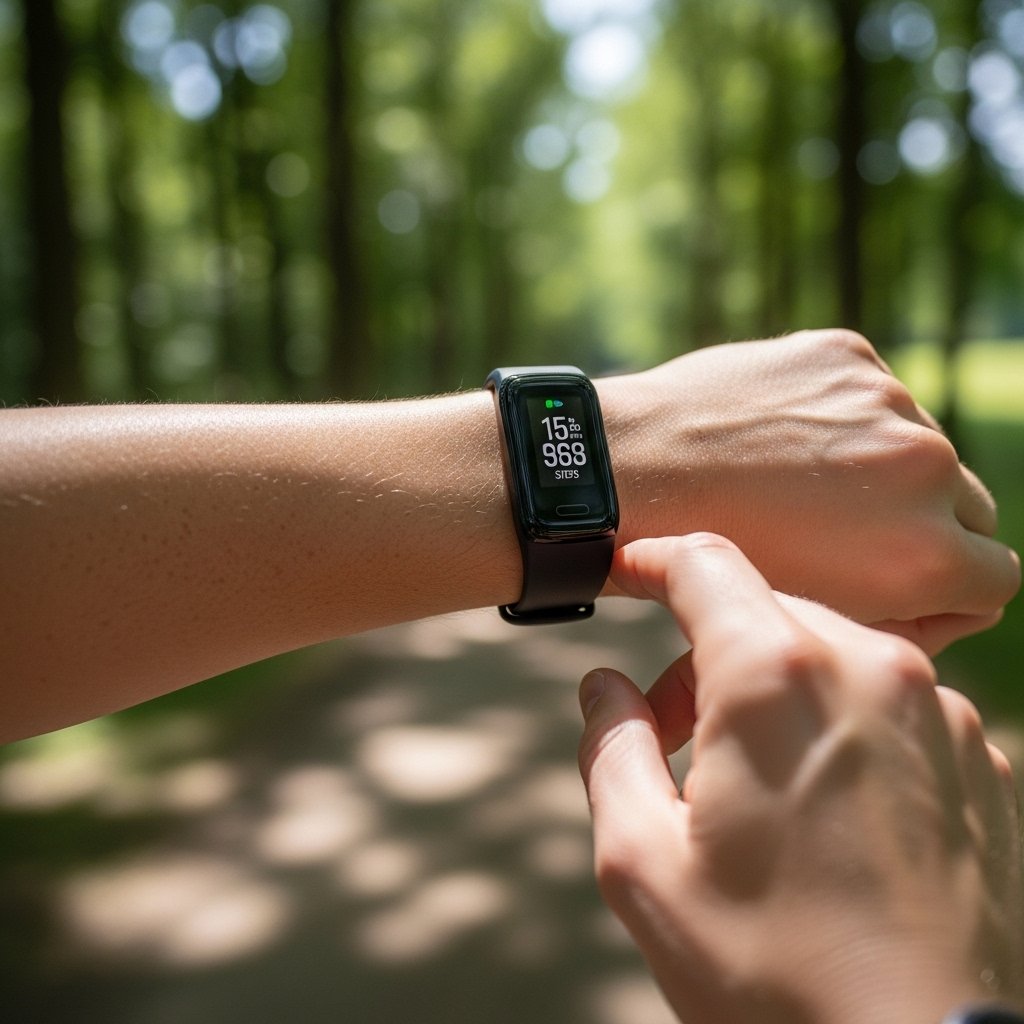
Round numbers are the easiest numbers to remember. Ten thousand notes, fulfilling and content. It can provide a good goal to pursue, which sometimes can help make the everyday movement more meaningful and organized.
Movement in a mostly seated world
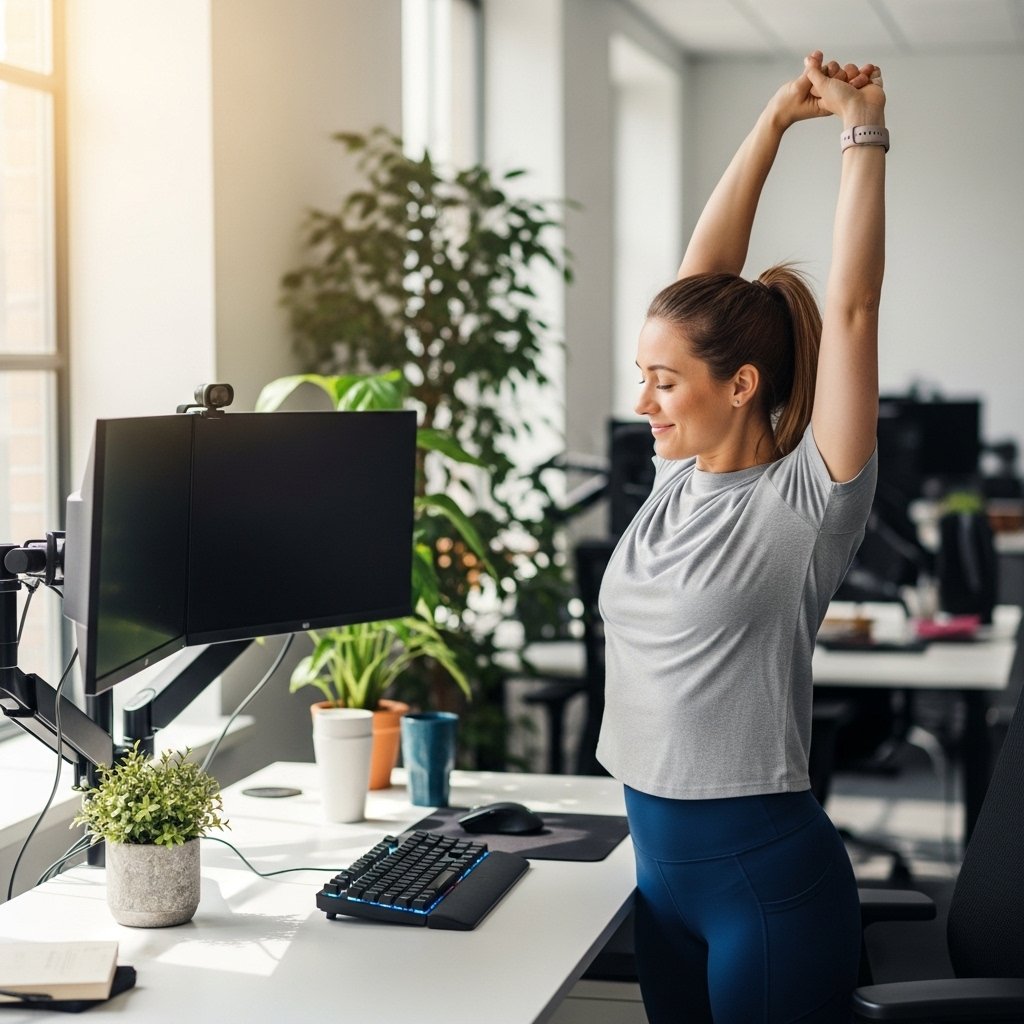
The contemporary habitus usually entails excessive amounts of time at workstations, automobiles, or sofas. A step goal, in that case, could serve as a reminder to rise and move, even in the case of brief breaks all day long.
When fewer steps might still count

Other discussions on research indicate that possible benefits might start at lower levels below 10k steps. Although the amount may change, any movement at regular frequency may still produce beneficial outcomes as opposed to remaining stagnant.
Quality of steps versus quantity

Not all steps are identical. A leisurely walk and a fast uphill walk may be quite different. The speed, the surface, and the regularity may have an impact on the body’s reaction rather than merely achieving a figure.
Listening to what the body tells you

Soreness, fatigue, and energy can be useful in providing clues. Taking note of the sensations that the body experiences when walking may be as important as the number of calories worked out on the screen.
Mental health and daily walks

The simplest things, like going out for a walk, might make a break in a hectic day. A breath of fresh air, sunlight, and a change of landscape may help in clear thinking and light moods; however, there is always a difference in experience among individual people.
Steps and weight management conversations

Walking is one of the most common subjects in weight talk, and outcomes may differ tremendously. It could also be influenced by such factors as diet, sleep, stress, and genetics. One of the components of a much bigger puzzle would be steps.
The role of fitness trackers

Fitness watches have simplified counting of steps like never before. They could increase accountability and awareness. Meanwhile, others are motivated by the idea of constant tracking, and some may become pressured by it.
Busy days and realistic goals

Days of meetings, errands, and duties are full. A brief walk would seem an improvement on such days. Diminishing the expectations might be effective in ensuring consistency without being unnecessarily guilty.
Walking as a social activity

Going out with a friend or a family member to take a walk may even make exercise a time together. Discussion can ensure that the steps are completed within a short period of time, and the routine may also render the habit easier to maintain.
