Fitness trackers evolved from exclusive devices which only professional athletes used into common items which people wear daily. The devices function as a ring or watch or clip-on to track your daily activities which produce health benefits through data collection. The technology determines whether results will be achieved but users must learn to apply the data which they receive from their wearable devices.
The Power of Awareness
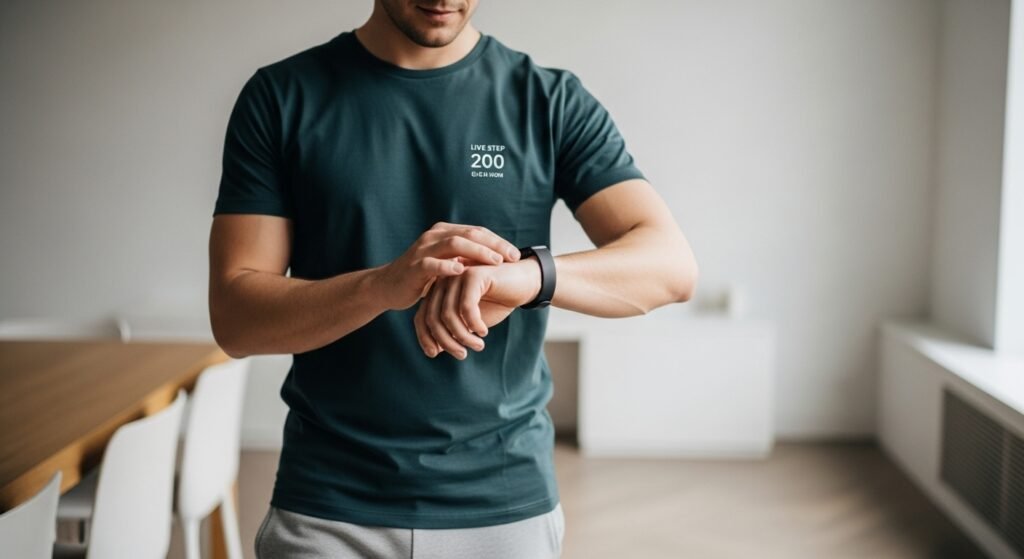
The tracker system functions by making hidden things visible to users. Most people think they move more than they actually do and they underestimate their sitting time. The live step count and active minute display make you conscious of your daily activities. The first step to making any positive change starts with this awareness.
The Accuracy “Gap”
Trackers function as consumer products which do not meet the standards of medical devices. The system excels at tracking daily activity levels which show your current active state but it fails to provide accurate estimates of your total calorie expenditure. The tracker will decrease your results when you use the calories burned figure to support your decision to eat an enormous meal.
Gamification and Motivation
Trackers create a gaming experience through their use of streaks and badges and challenges which make users feel like they are playing a game. People find their motivation to walk after dinner through their need to complete their ring targets or reach their 10,000-step milestone. Daily small motivations produce major achievements which develop over extended periods.
Improving Sleep Quality
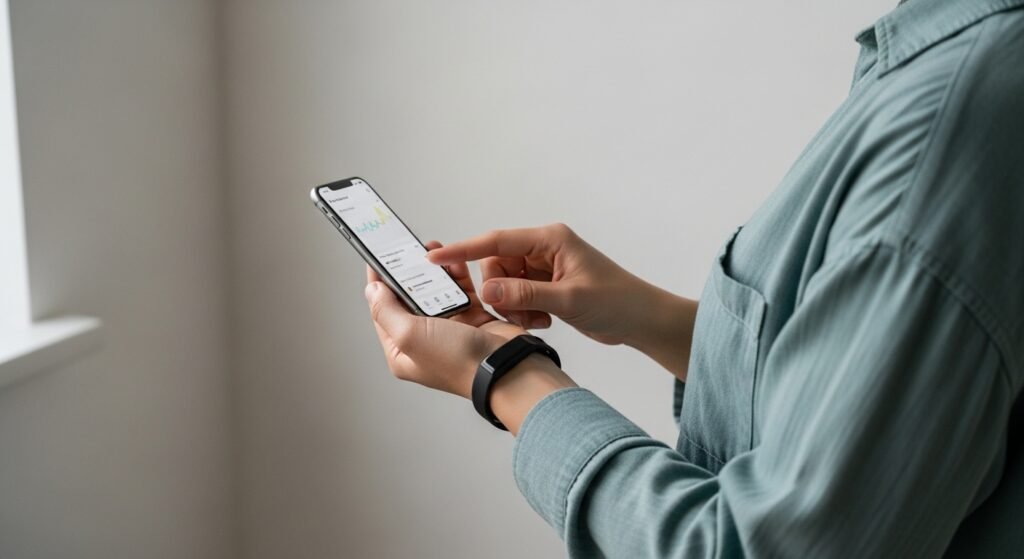
Modern trackers do more than count steps; they monitor sleep stages. The system allows you to monitor your Deep and REM sleep patterns which helps you discover your harmful bedtime activities such as late caffeine consumption and phone usage in bed. Better sleep leads to better energy for workouts which creates a positive cycle of fitness progress.
Accountability Through Community
Most apps which support tracking let users compete against their friends and family members. Social accountability functions as a powerful motivator which drives people to perform better. People exercise more regularly when their siblings or coworkers can see their active time which becomes essential for achieving physical improvements.
Heart Rate Monitoring
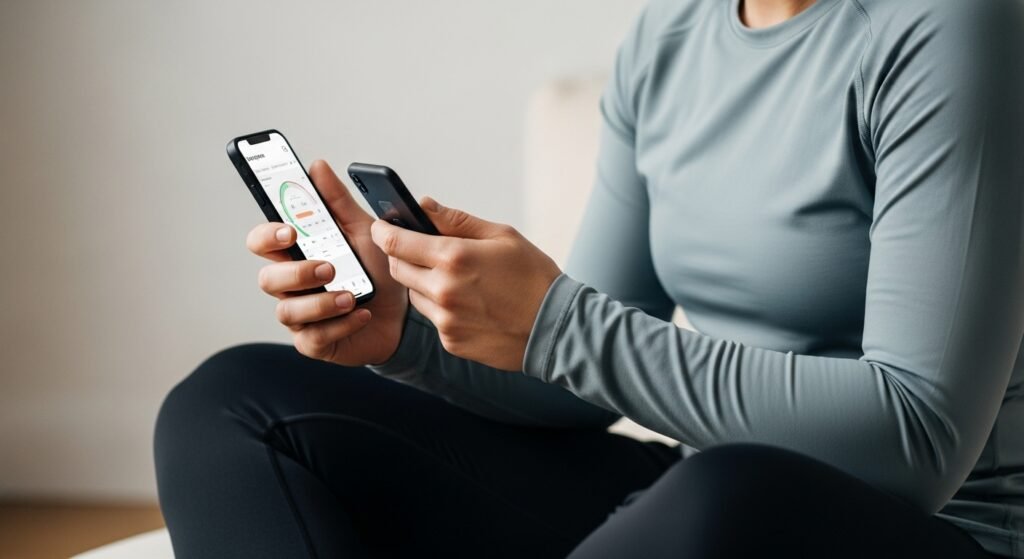
You can see your heart rate in real-time which enables you to perform your training exercises within your designated training areas. The tracker will show you whether you need to increase your exercise intensity or maintain your current workout speed for optimal heart health. The approach helps you utilize your gym time to achieve maximum efficiency and effectiveness.
Over-Reliance on Data
Some users develop a dependency on the data which results in them becoming data slaves. The tracking system shows you that your sleep was poor which makes you feel tired throughout the day although you actually felt good after waking. The most effective way to achieve results requires you to combine your data analysis with your physical sensations.
Encouraging Small “Non-Exercise” Movements
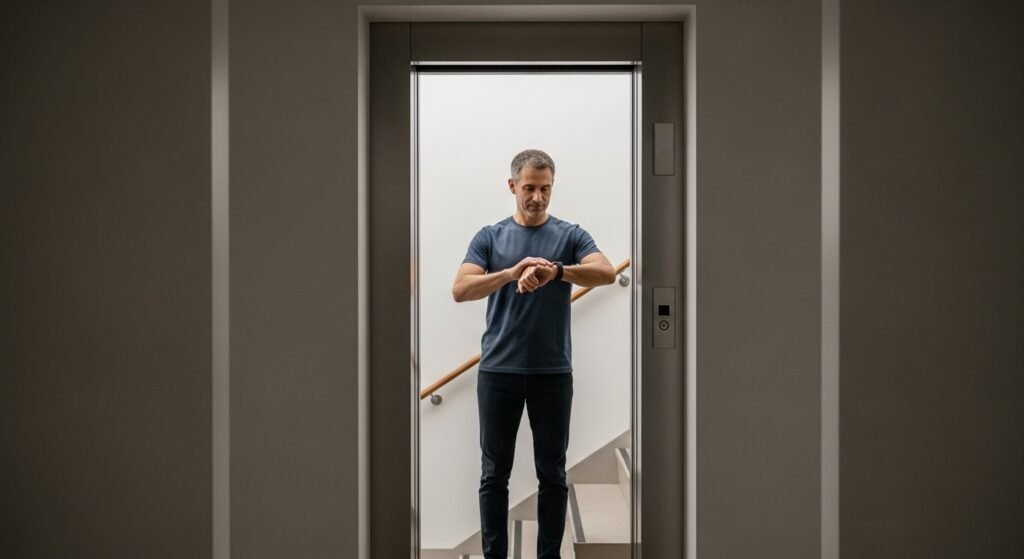
Fitness activities extend beyond the single hour people spend at the gym because they include all daily activities which contribute to Non-Exercise Activity Thermogenesis. Trackers send you hourly standing reminders which also encourage you to use the stairs. The minor physical activities throughout your day have the potential to result in hundreds of calories burned every week which plays a key role in maintaining your weight for the long term.
Tracking Progress Over Time
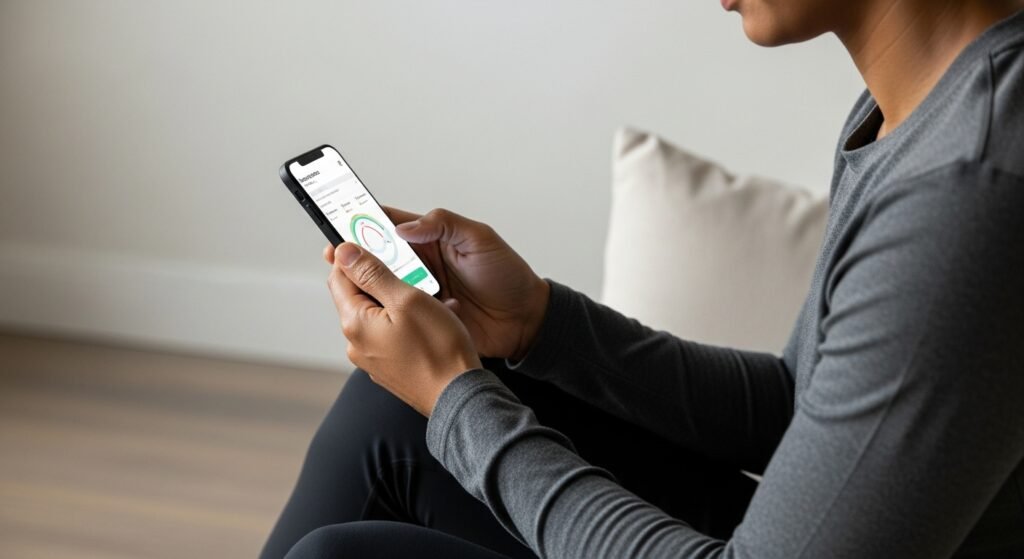
Daily mirror checks make it difficult to observe any physical changes. The fitness tracker creates a digital record which documents your entire progress. The ability to see your heart rate decrease while resting during six months and your improved mile running time since January brings you confidence which benefits both your physical and mental health.
