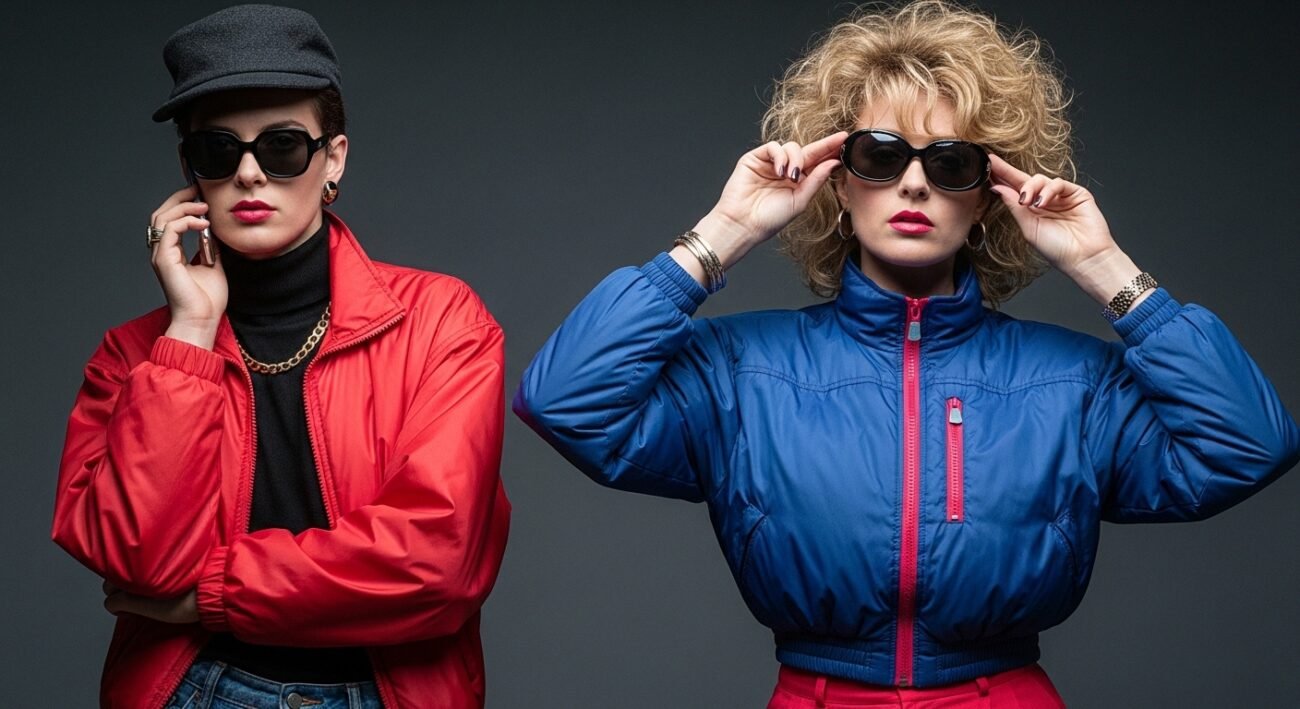
The 1980s delivered a distinct fashion identity shaped by media expansion, pop culture visibility, and consumer confidence. Clothing choices reflected status, ambition, and self-expression across music, film, and street style. Designers and mass retailers responded with bold silhouettes, synthetic fabrics, and high contrast color palettes. This period left a measurable impact on global fashion cycles, retail merchandising, and modern revival trends.
Power Suits and Structured Shoulders
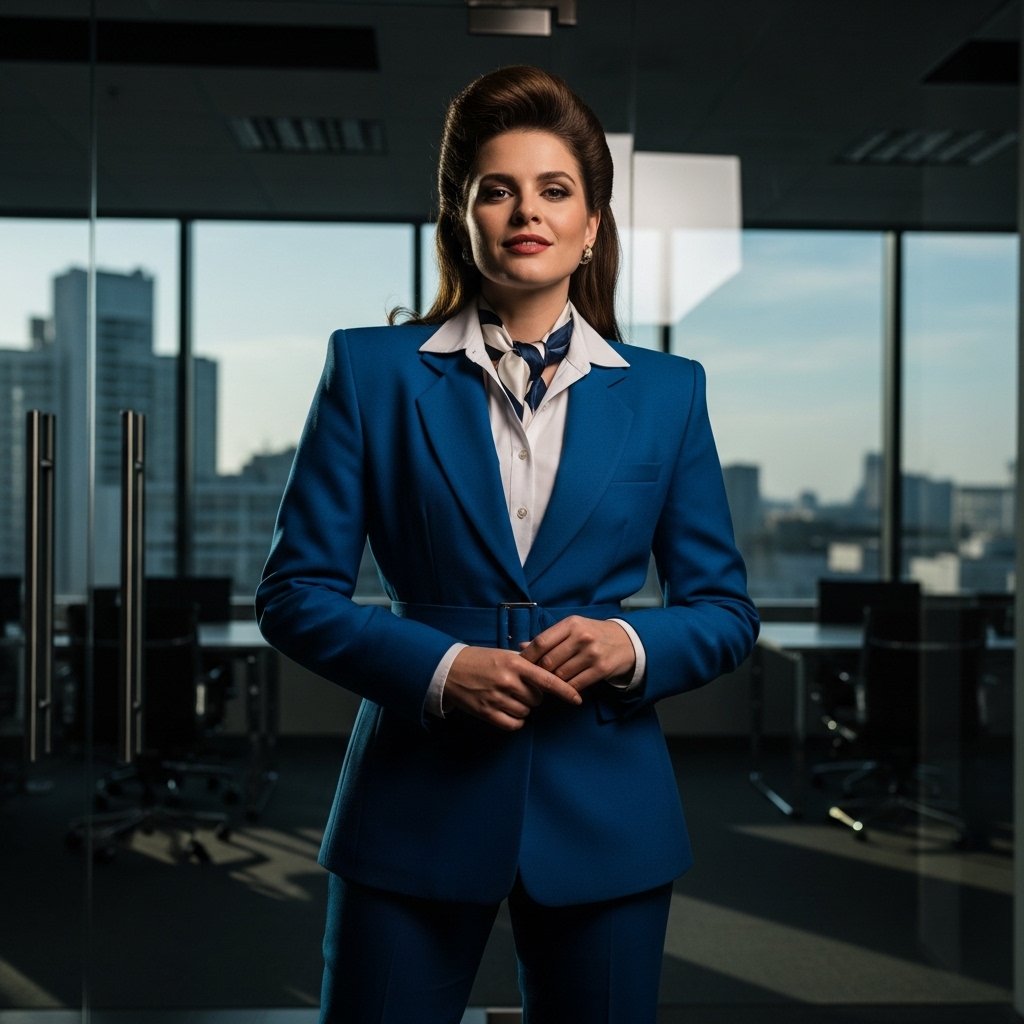
Power dressing defined professional wardrobes during the decade. Broad shoulder pads, sharp lapels, and tailored cuts projected authority in corporate spaces. Sales data from major department stores during the mid 1980s showed sustained demand for structured blazers among working women. This trend aligned with rising female workforce participation across North America and Europe.
Bright Colors and High Contrast Palettes

Neon pink, electric blue, and acid green dominated casual and athletic wear. Dye technology improvements supported mass production of saturated tones. Retail catalog analysis from 1984 to 1988 shows a sharp increase in high contrast color combinations. These palettes supported visibility in music videos, fitness culture, and youth focused marketing campaigns.
Denim Reinvented for Everyday Wear
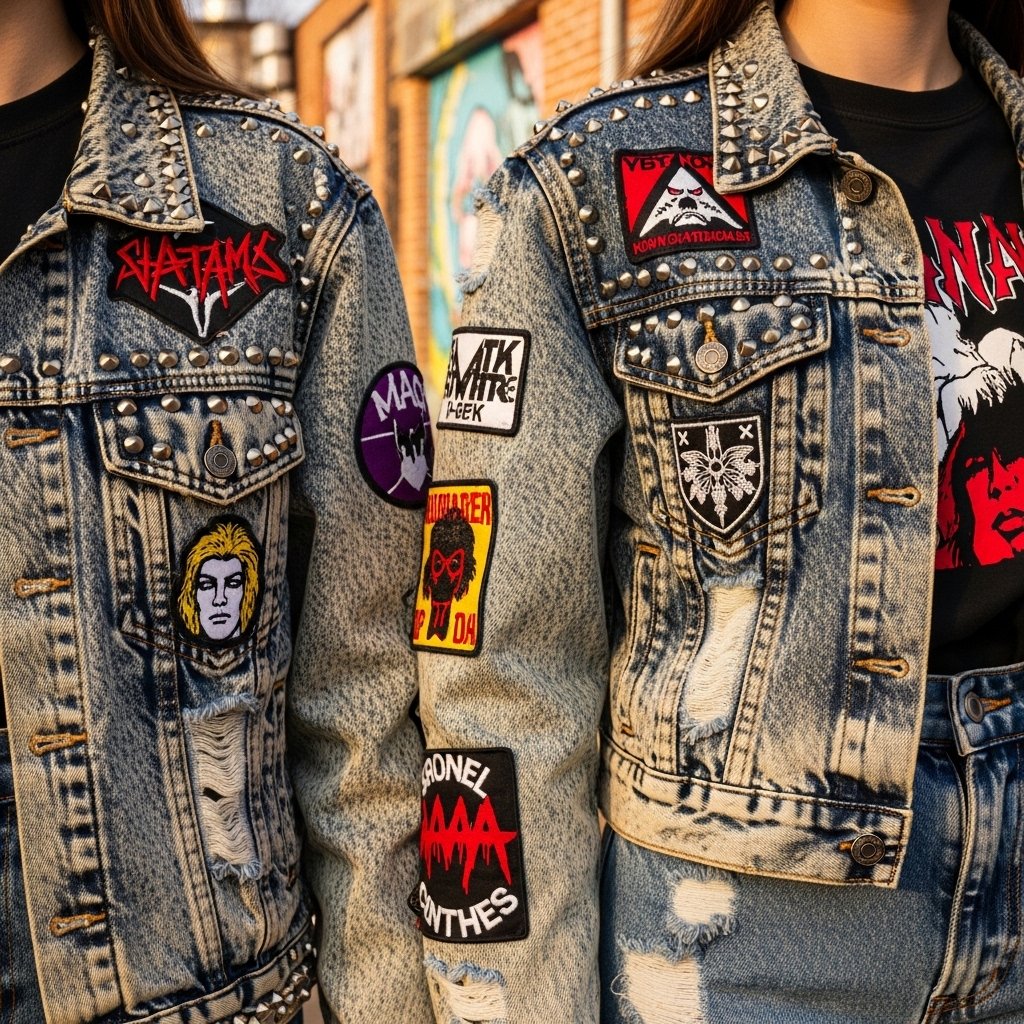
Denim moved beyond utility into statement fashion. Acid wash finishes, high rise cuts, and embellished jackets gained traction. Levi’s and Wrangler reported expanded youth market penetration during this phase. Denim offered durability while supporting personalization through patches, studs, and custom distressing techniques popular among urban consumers.
Athleisure and Fitness Influence

Aerobics culture shaped everyday clothing choices. Leg warmers, spandex leggings, and cropped sweatshirts crossed from gyms into public spaces. Jane Fonda workout videos drove retail demand for stretch fabrics. Apparel manufacturers increased elastane blends to meet comfort and movement expectations linked to fitness driven lifestyles.
Leather, Lace, and Texture Mixing
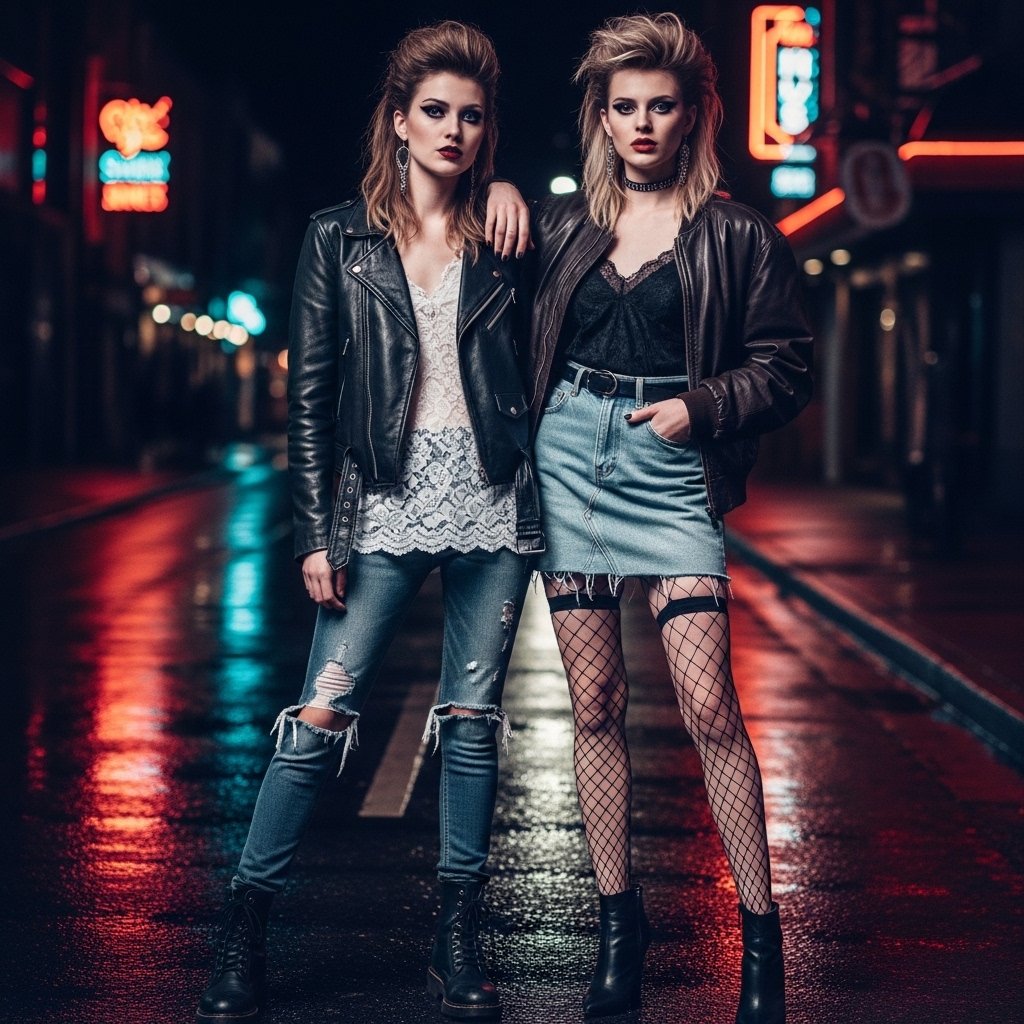
Texture contrast defined evening and street fashion. Leather jackets paired with lace tops created visual tension. Synthetic leather alternatives lowered production costs while expanding accessibility. Fashion editorials from Vogue and Elle highlighted texture mixing as a defining styling approach for nightlife and performance driven wardrobes.
Accessories as Identity Signals
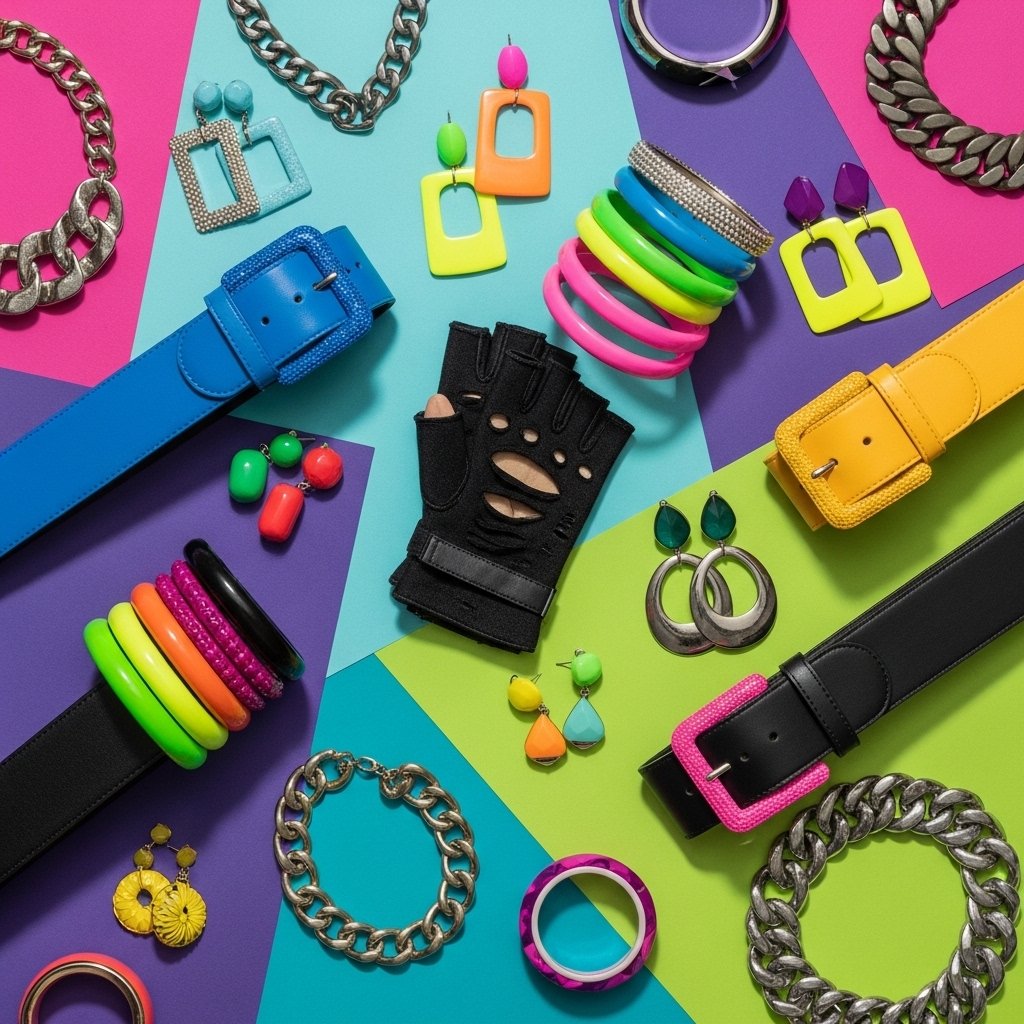
Accessories carried social meaning. Chunky jewelry, fingerless gloves, and oversized belts communicated subcultural alignment. Accessory sales grew faster than apparel between 1986 and 1989 according to retail trade reports. These items offered low cost entry points into trend participation for budget conscious consumers.
Prints, Patterns, and Graphic Design
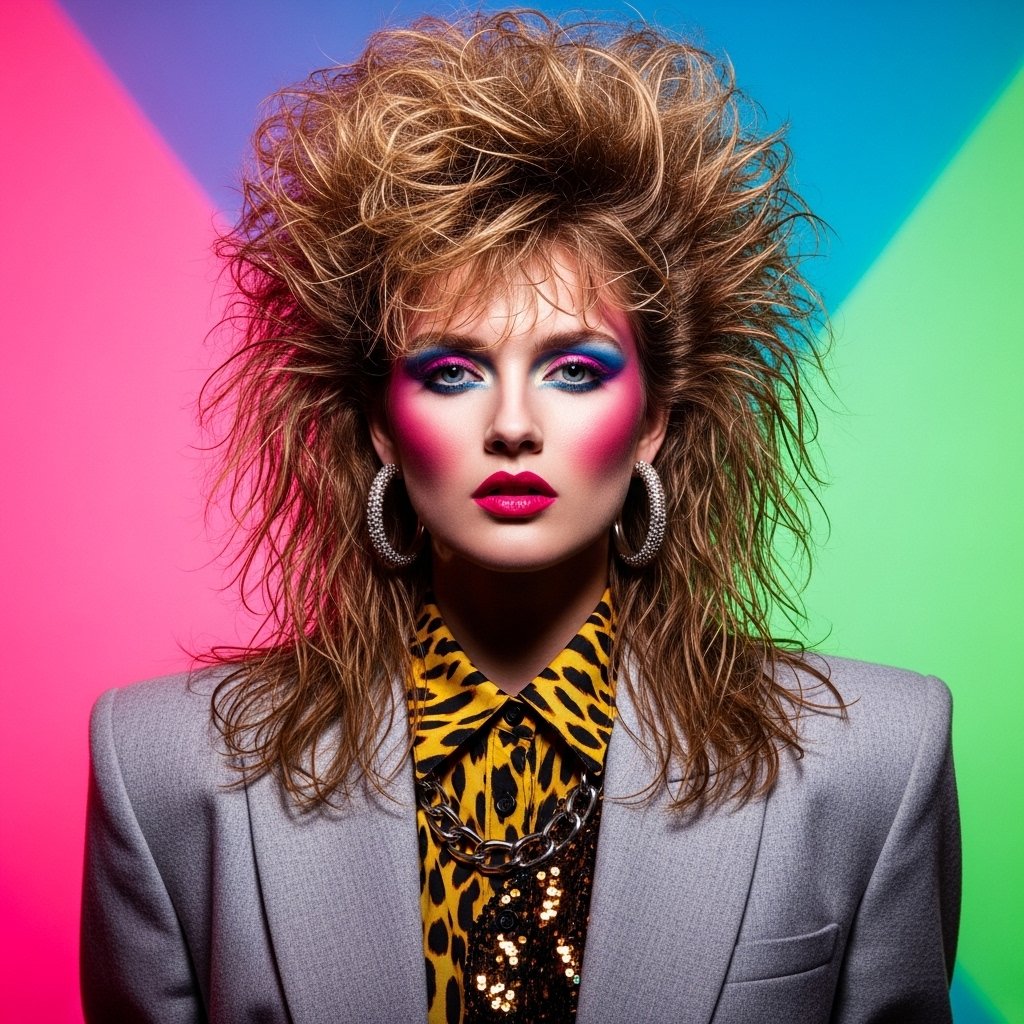
Geometric prints and bold graphics reflected contemporary design movements. Memphis design principles influenced apparel surface patterns. Screen printing advances improved clarity and durability. Retail surveys show strong consumer response to graphic tees and patterned outerwear among teenagers and college age buyers.
Hair, Makeup, and Fashion Integration

Fashion extended beyond clothing into grooming choices. Voluminous hairstyles and vivid makeup reinforced outfit impact. Cosmetic brands reported increased sales of colored eyeshadows and strong hold hair products. Visual cohesion across clothing and grooming created complete style statements for social and professional settings.
Legacy and Modern Revival Cycles
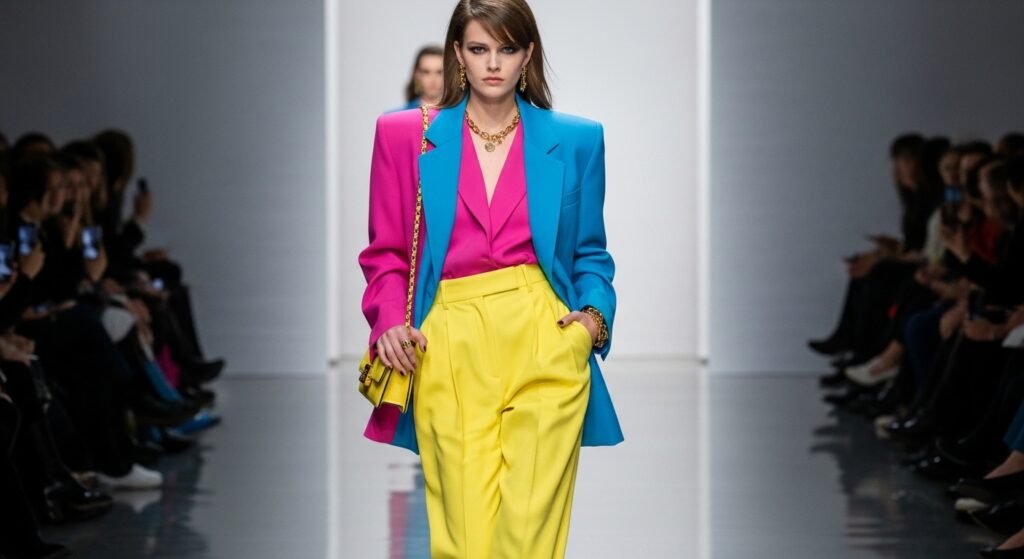
Modern designers revisit 1980s elements during cyclical trend revivals. Runway collections since 2015 show repeated use of oversized tailoring and bold color blocking. Vintage resale platforms report sustained interest in authentic decade pieces. The era continues shaping contemporary fashion through reference and reinterpretation.
