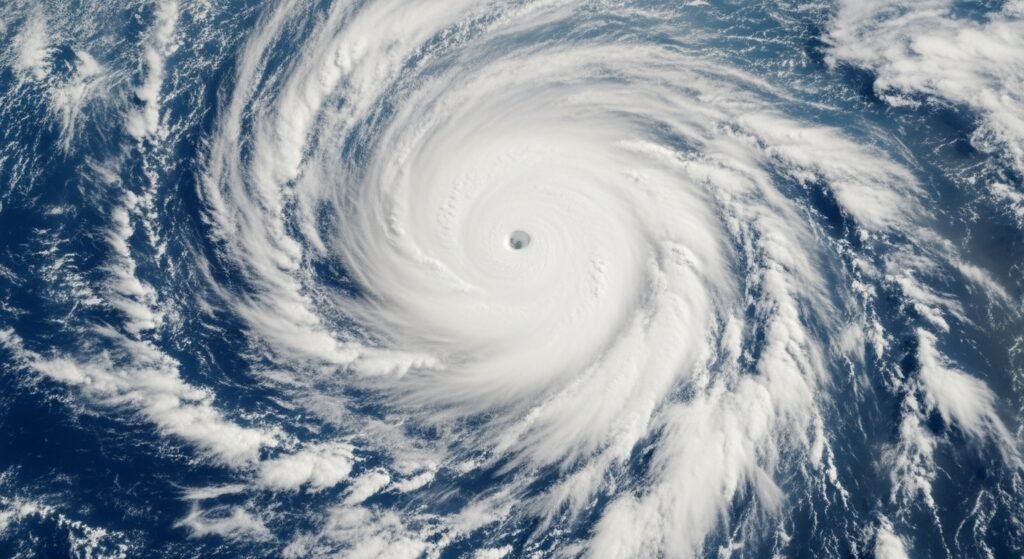
Storms are commonly featured in the news, and most individuals get confused between a cyclone and a bomb cyclone. They both are low-pressure and strong winds, yet they occur in different ways and hit areas differently. A cyclone is a general name for massive rotating storms, which are found all over the world. A bomb cyclone is a rapidly growing system, which is predominantly observed in colder areas. This knowledge of these differences makes the weather reports readable to the reader. It further demonstrates the reason why certain storms have sudden escalations, whilst some take days to build up. The weather condition affects transportation, risk management, and way of life. Awareness is created in knowing how these systems behave, which leads to calm responses in case of severe weather events. Clarity in knowledge minimises the confusion in cases where forecasts are changing rapidly.
Basic Definition
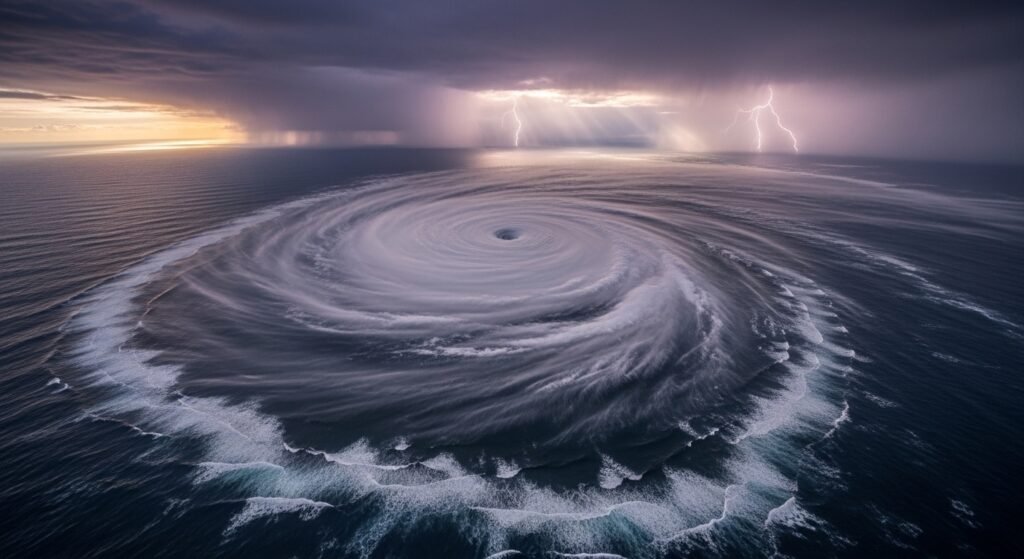
A cyclone is a rotating low-pressure mass of winds in large scale. One of the types of cyclones is a bomb cyclone, which intensifies immensely in a short period of time with a sharp pressure drop.
Speed of Development
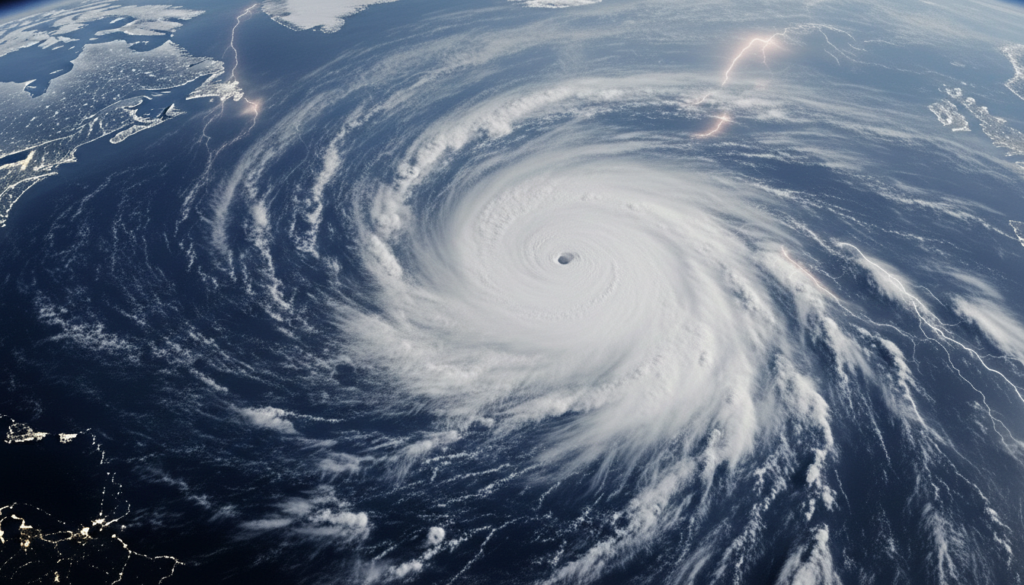
It takes several days to form cyclones. They are divided into foreseeable phases. The intensity of bomb cyclones accelerates in twenty-four hours. They are now more disruptive to daily routine and more difficult to plan as they have changed so swiftly.
Pressure Changes

During normal cyclones, the pressure of the air decreases slowly. In bomb cyclones, there is a sudden decrease in pressure by a depth of twenty-four millibars in a day. This abrupt drop is the cause of increasing winds and turbulence.
Geographic Regions
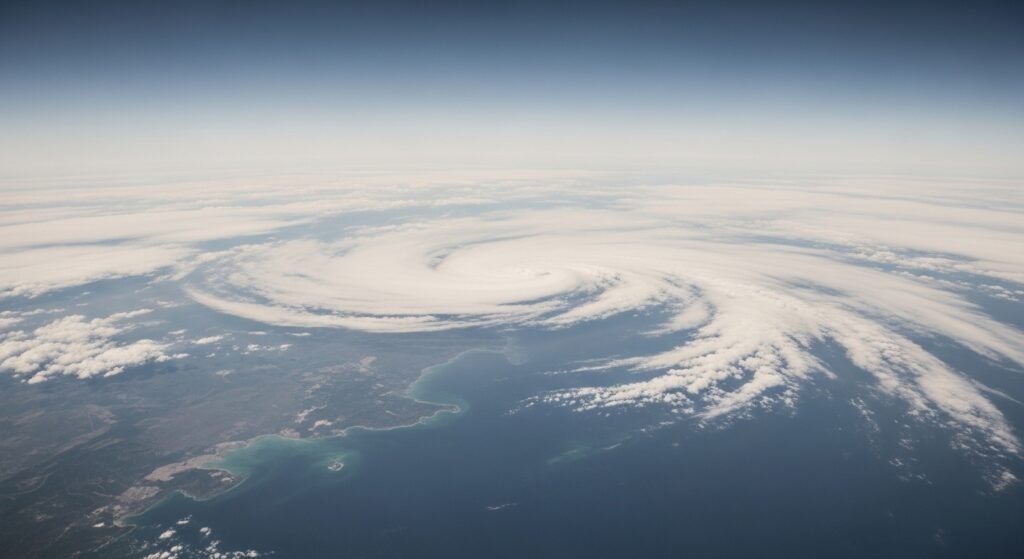
Cyclones occur in many parts of the world, including both tropical and subtropical areas. Bomb cyclones form mainly in middle and high latitudes, for example, over cold ocean currents or extra-tropical landmasses, such as the eastern coast of North America in winter.
Temperature Contrast
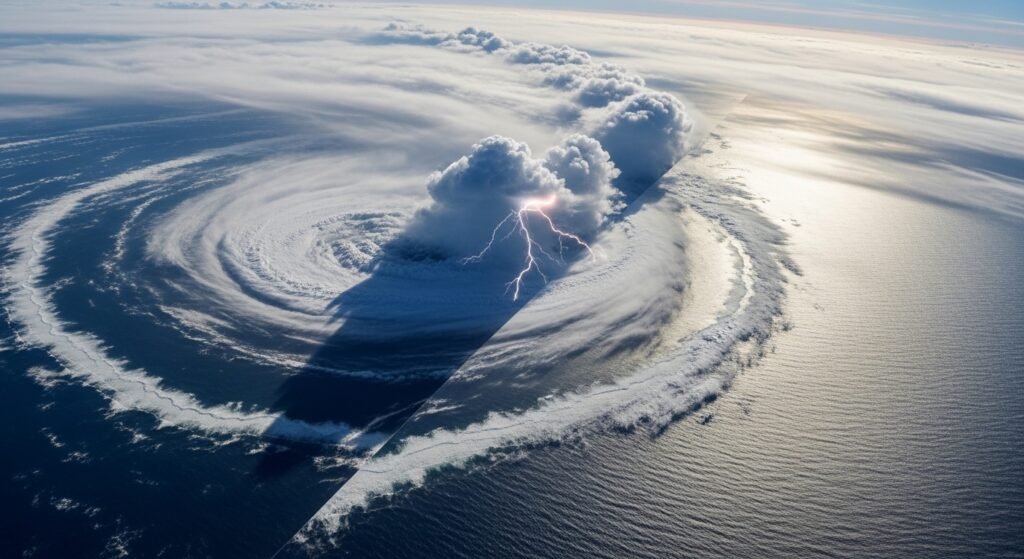
Strong temperature differences are not necessarily required in cyclones. The bomb cyclones are based on the existence of sharp cold-warm air mass contrasts. This contradiction of temperatures increases storm development and energy discharge.
Wind Intensity
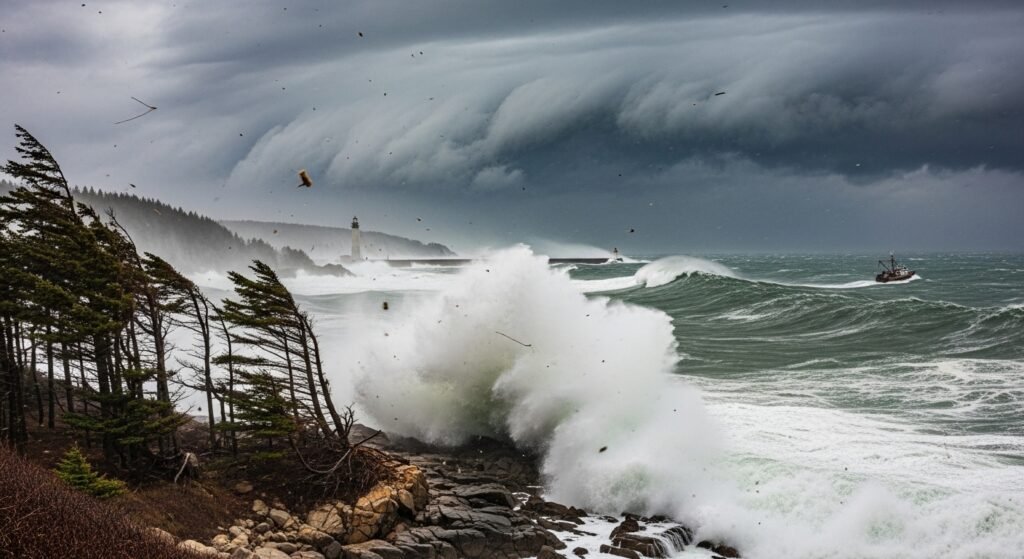
Steady, strong winds may be brought by the cyclones. Bomb cyclones tend to generate very strong winds. Strong winds have the ability to occur at short notice and hit coastal regions, aircraft and sea operations.
Rain and Snow Impact
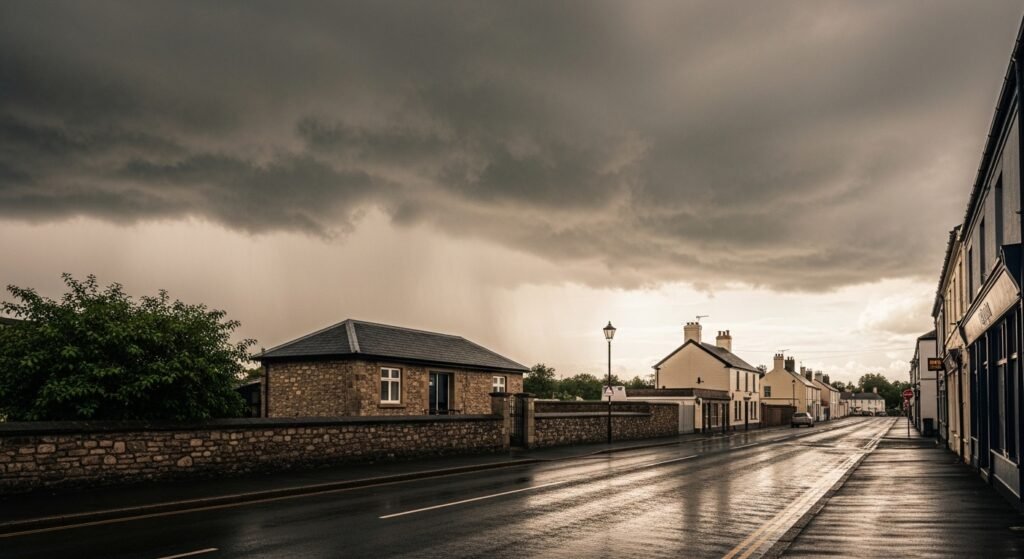
Prolonged rainfall may be a result of cyclones. In a brief period, heavy rain or heavy snow can be brought by bomb cyclones. This increases the risks of flood, snow and low visibility.
Forecast Challenges

The cyclones are monitored by meteorologists using developed models. The bomb cyclones are more difficult to predict due to their quick intensification. Minor variations in circumstances can significantly alter their ultimate force and course.
Duration of Effects
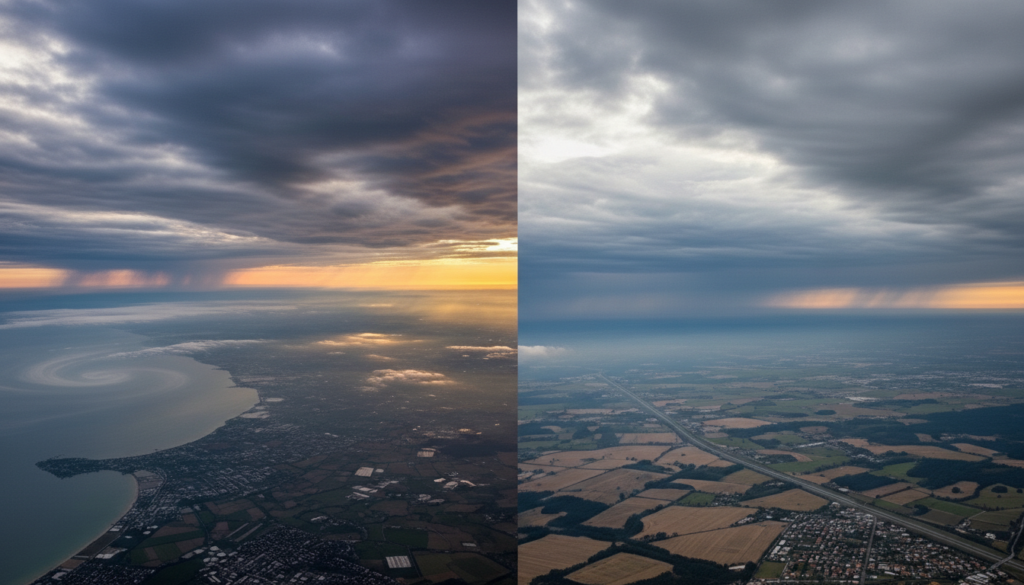
The cyclones can take days to pass away, covering vast areas at a slow pace. The bomb cyclones reach their peak within a very short time and can have devastating effects within a short period. The destruction usually comes before the level stabilises.
Naming and Usage
Cyclone is a scientific and regional name that is applied all over the world. The meteorologists have an informal term of bomb cyclone that means explosive development. It is not used to substitute the official storm classifications.
Public Safety Considerations

Cyclones permit greater preparation. Bomb cyclones require speed of response. It is necessary to keep up to date with the weather report. The awareness assists communities to adapt to travel, safeguard property, and minimise the disturbance in storms.
