
Wallet selection affects comfort, storage, and appearance. A wallet sits close to the body for many hours each day. Poor design leads to bulk, uneven posture, and worn clothing. Different styles suit different routines. A commuter with multiple cards needs a different layout than someone who carries only cash and one card. The following sections outline common wallet styles and their practical uses.
Bi Fold Wallet
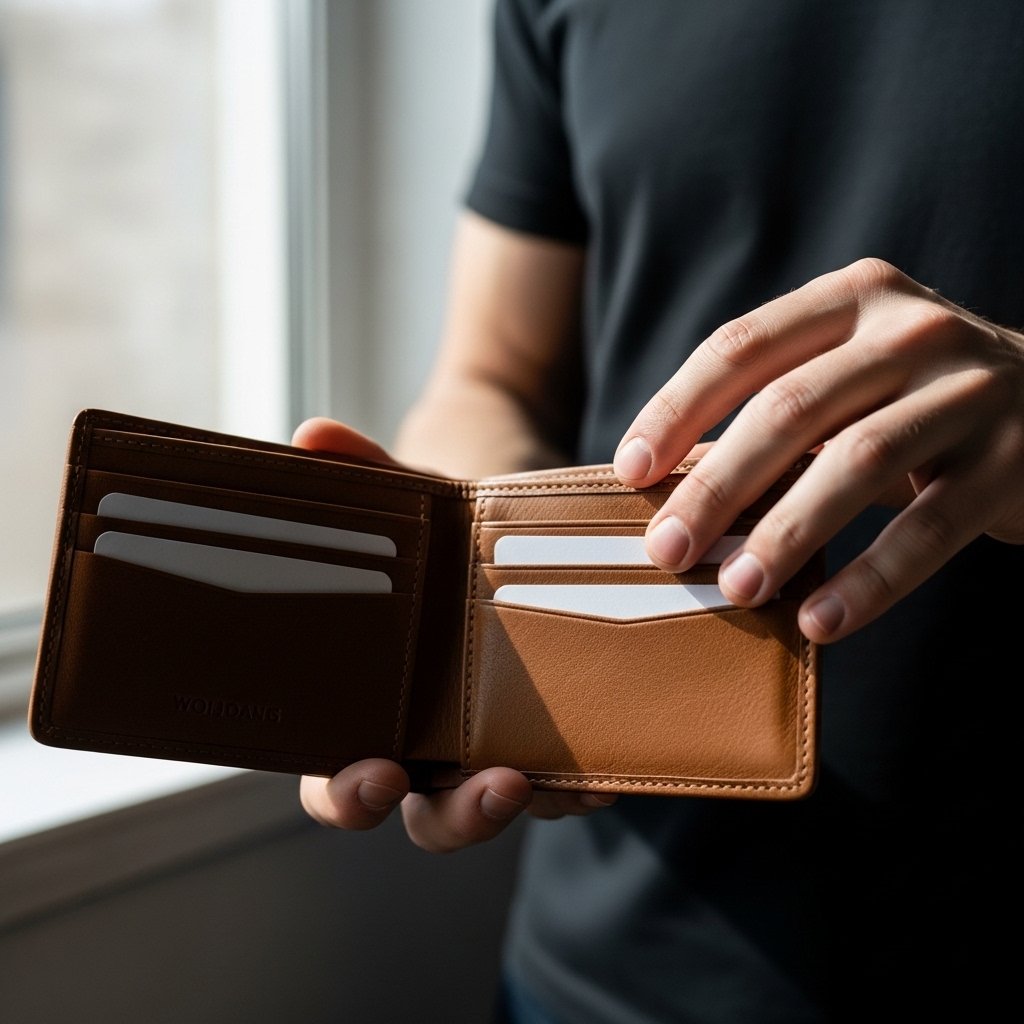
The bi fold wallet folds once across the center. Inside, card slots line both sides, with a long pocket for bills. This layout suits users who carry six to ten cards and regular cash. Folded size fits most back pockets without excessive thickness when not overfilled.
Tri Fold Wallet

The tri fold wallet folds into three sections. Extra panels increase card capacity, often holding ten or more cards. Thickness rises when full, which affects comfort in tight pants. This style fits users who prioritize storage over slimness and accept added bulk.
Slim Wallet
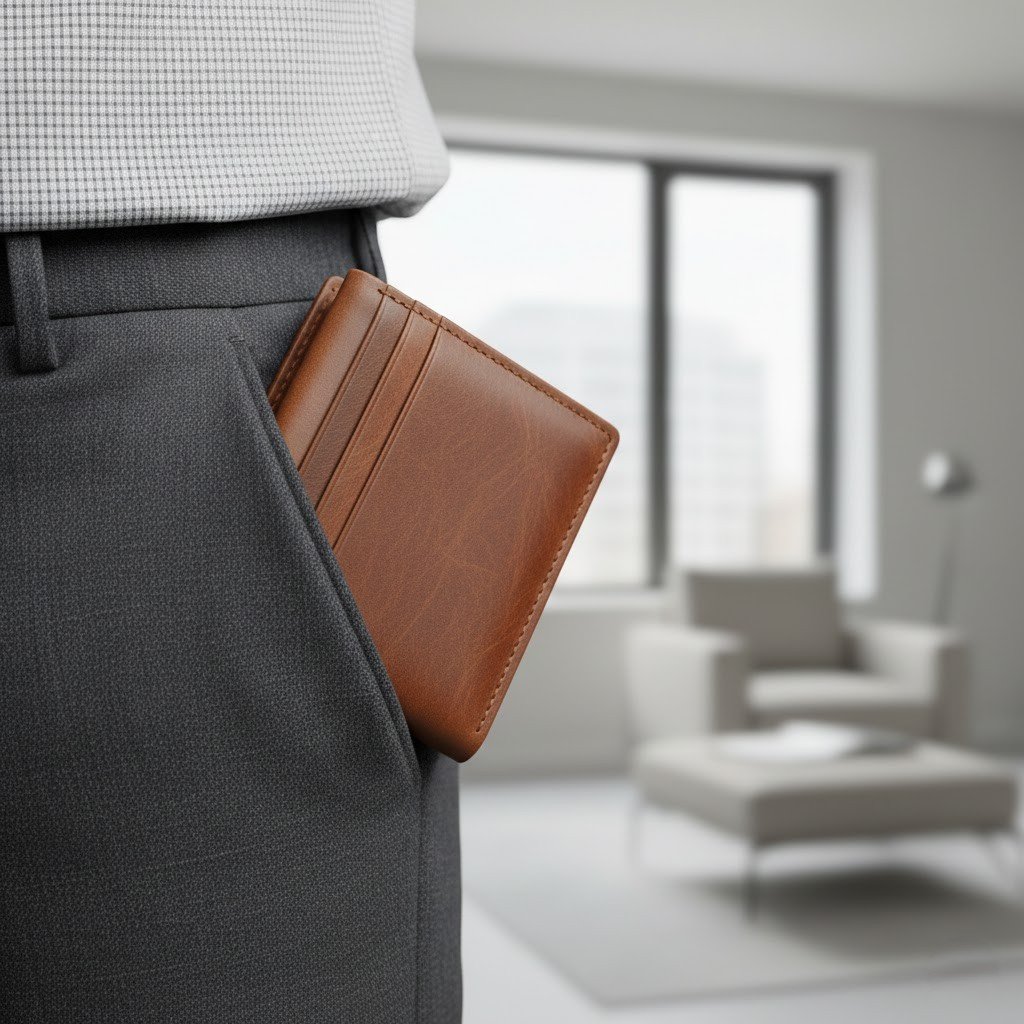
The slim wallet focuses on minimal carry. Most designs hold four to six cards and a small amount of folded cash. Reduced thickness lowers pressure on the lower back when seated for long periods. This option suits professionals who rely on digital payments and carry fewer physical items.
Money Clip Wallet
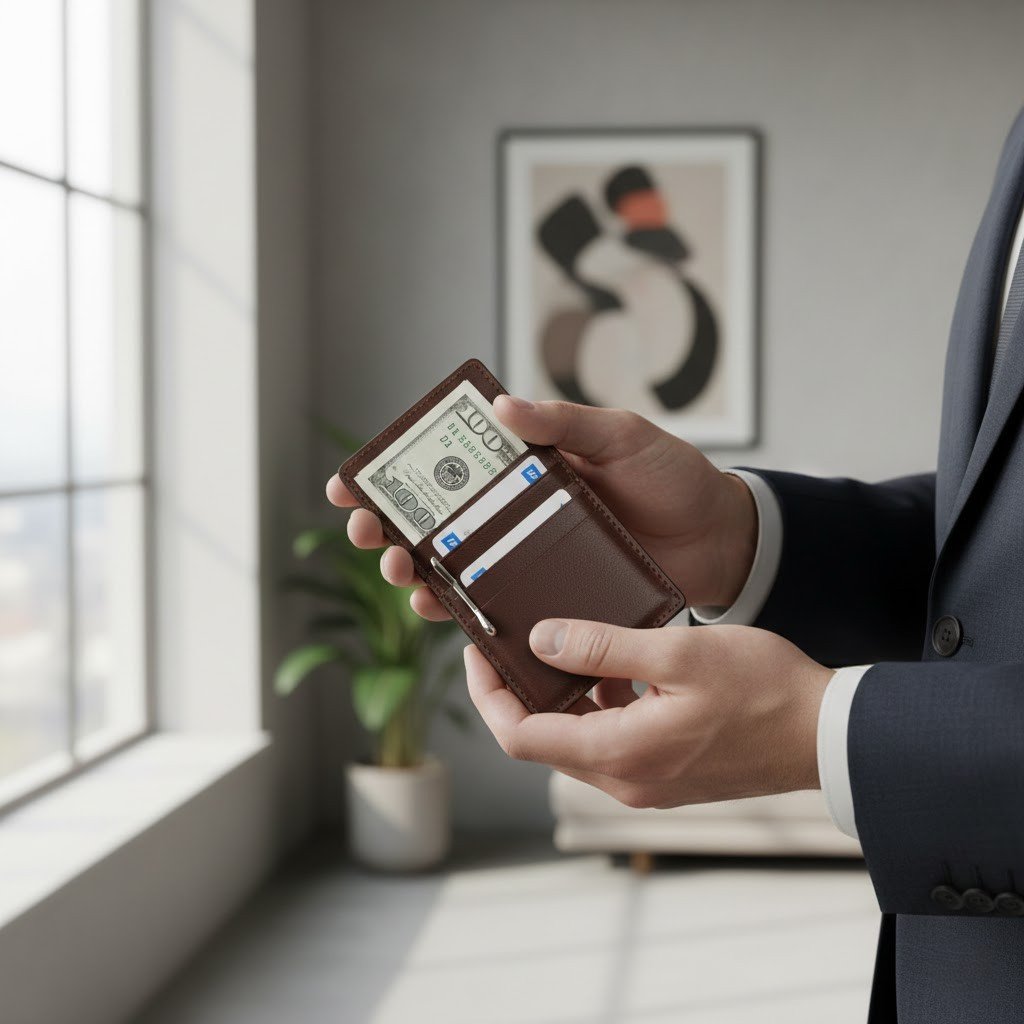
A money clip wallet combines a metal or leather clip with limited card slots. Bills remain folded and secured under the clip. Capacity stays low, which prevents overstuffing. This style fits users who handle cash daily and prefer quick access without a full bill compartment.
Front Pocket Wallet

The front pocket wallet features compact dimensions and rounded edges. Design reduces printing through fabric and supports better posture compared with bulky back pocket options. Studies on sitting posture show uneven surfaces under one hip increase spinal strain. A smaller wallet reduces such imbalance.
Travel Wallet
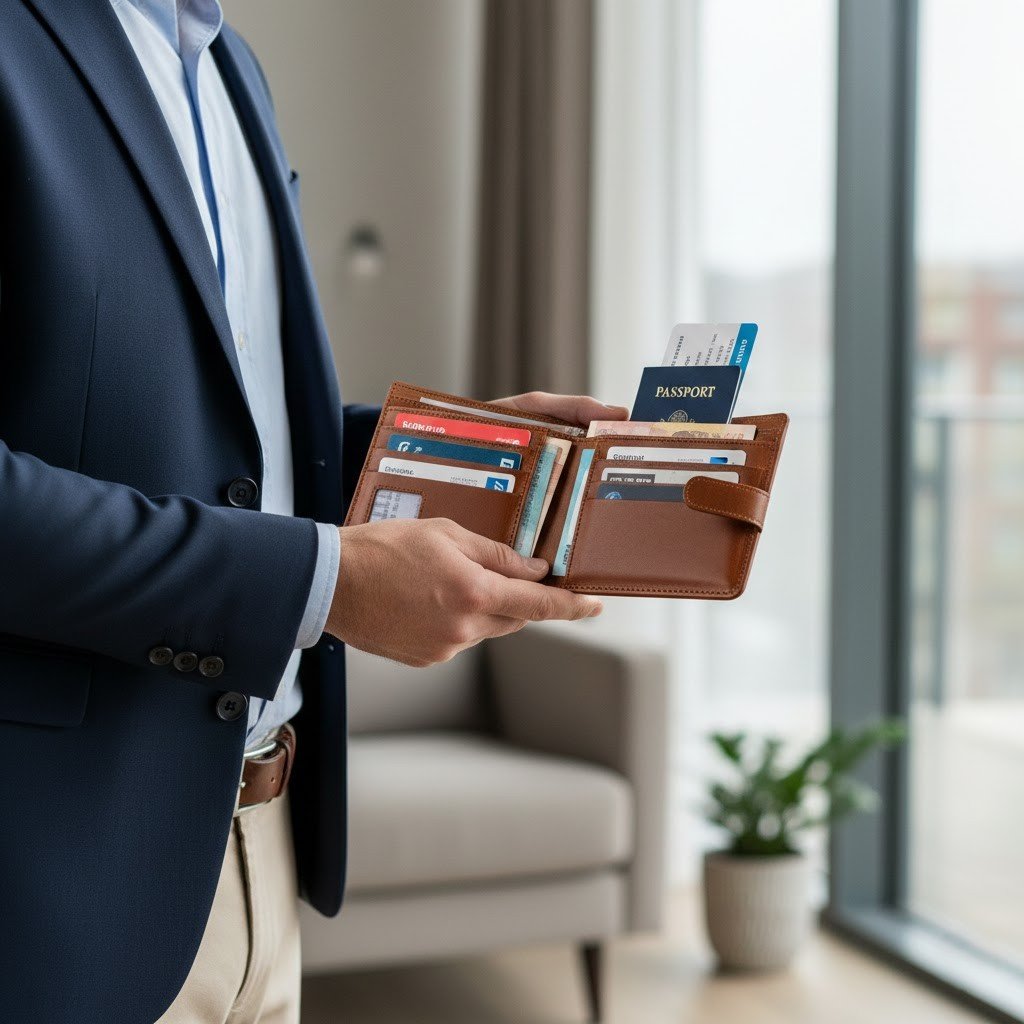
A travel wallet stores passport, boarding pass, cards, and currency in one case. Size exceeds standard wallets, often matching passport dimensions. Multiple compartments organize foreign currency and identification. This style suits frequent travelers who require structured access to documents during transit.
Card Holder
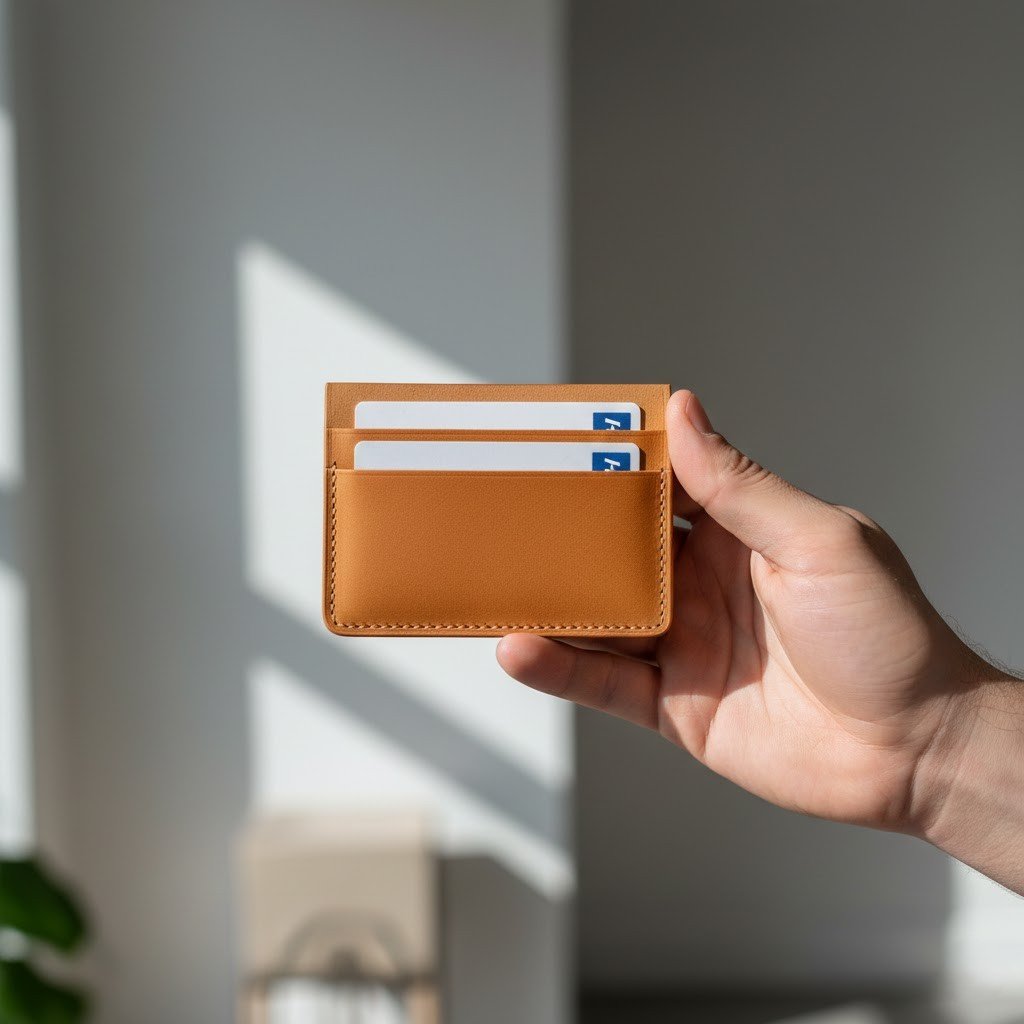
A card holder carries essential cards in a thin sleeve format. Some models include RFID blocking layers for data protection. Capacity ranges from three to eight cards. This design works for users who pay digitally and require only identification and one payment card during daily errands.
Zip Around Wallet
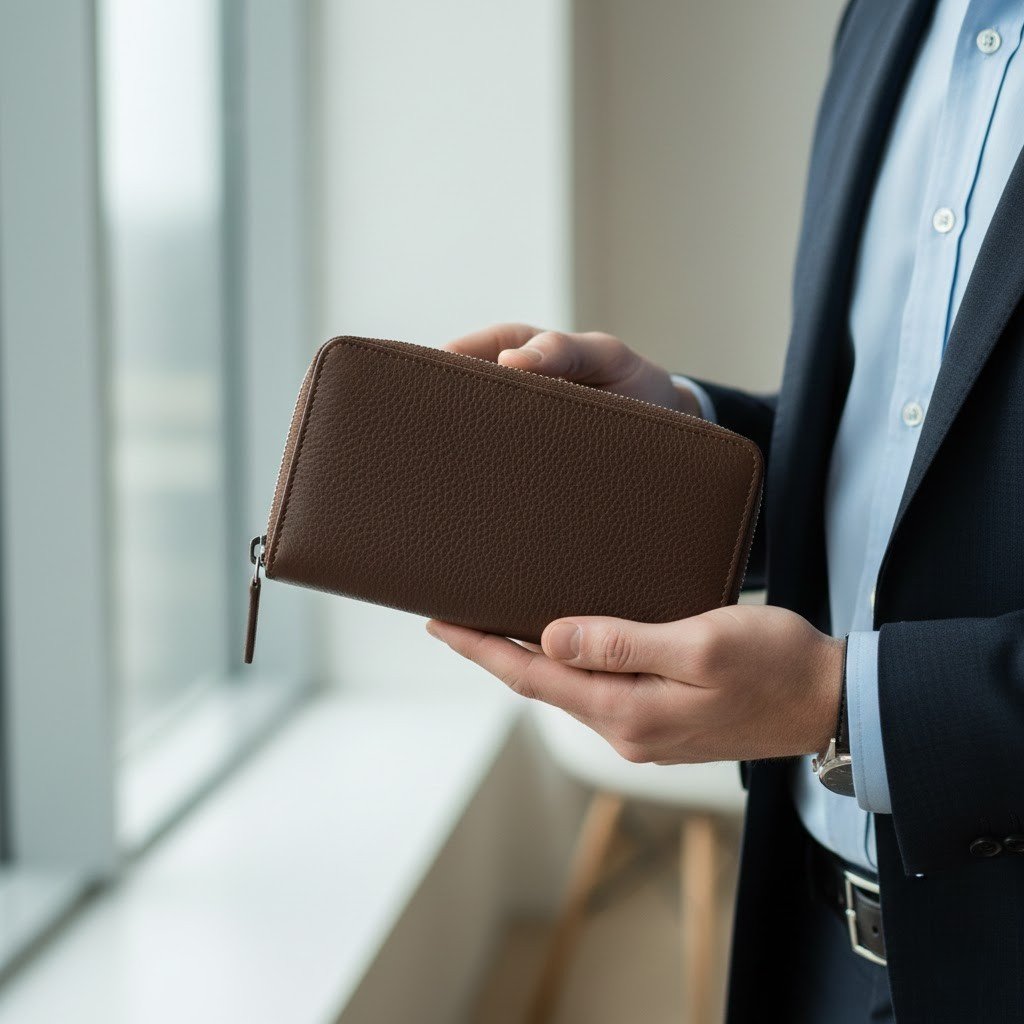
The zip around wallet encloses contents with a full perimeter zipper. Closure reduces risk of items slipping out during movement. Interior sections often separate coins, cards, and cash. This format suits users who carry coins regularly and seek added security in crowded spaces.
Long Wallet

The long wallet keeps bills flat without folding. Length exceeds standard pocket size, often fitting better in bags or jacket pockets. Flat storage prevents creasing of large denomination notes. This style suits formal settings where neat presentation of currency matters.
Minimalist Metal Wallet
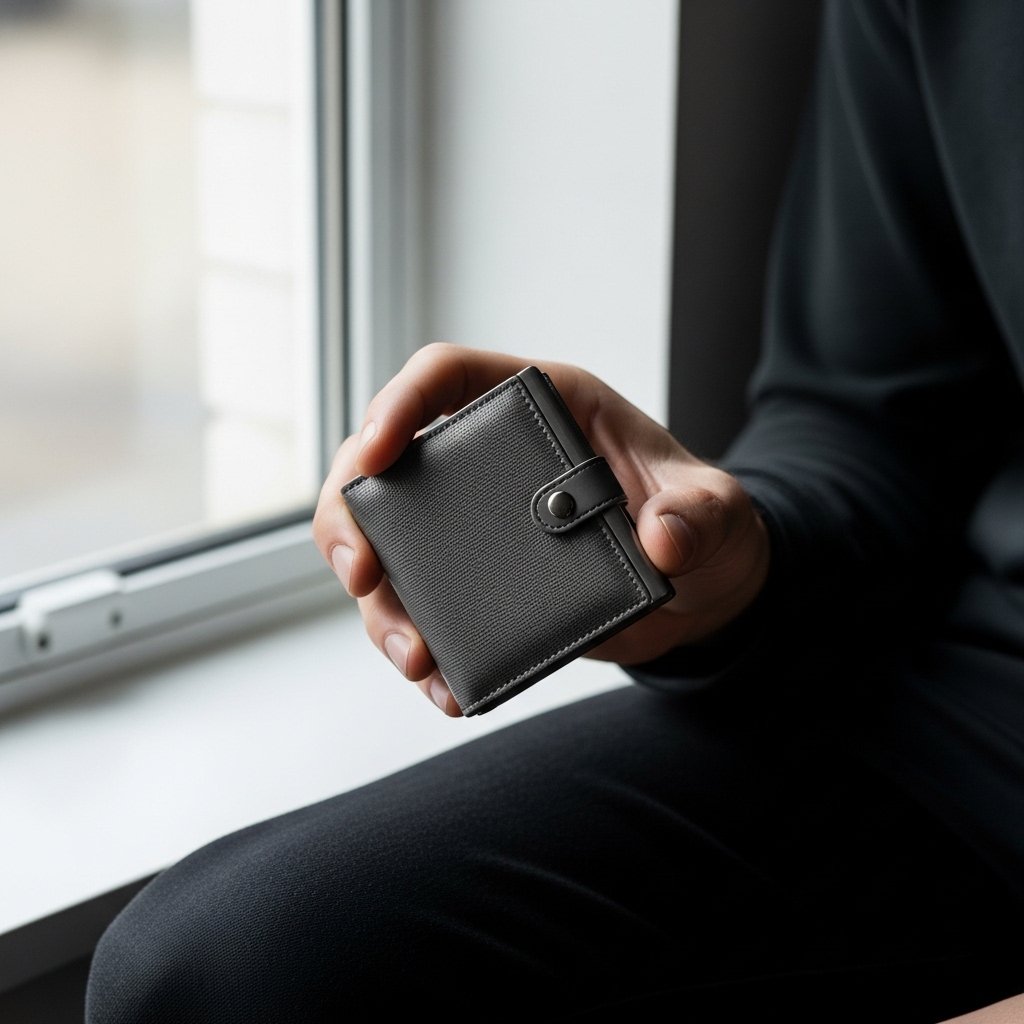
The minimalist metal wallet uses aluminum or carbon fiber plates to hold cards with tension or screws. Rigid structure protects cards from bending. Capacity stays limited to encourage essential carry. This option appeals to users who value durability and a structured, compact profile.
