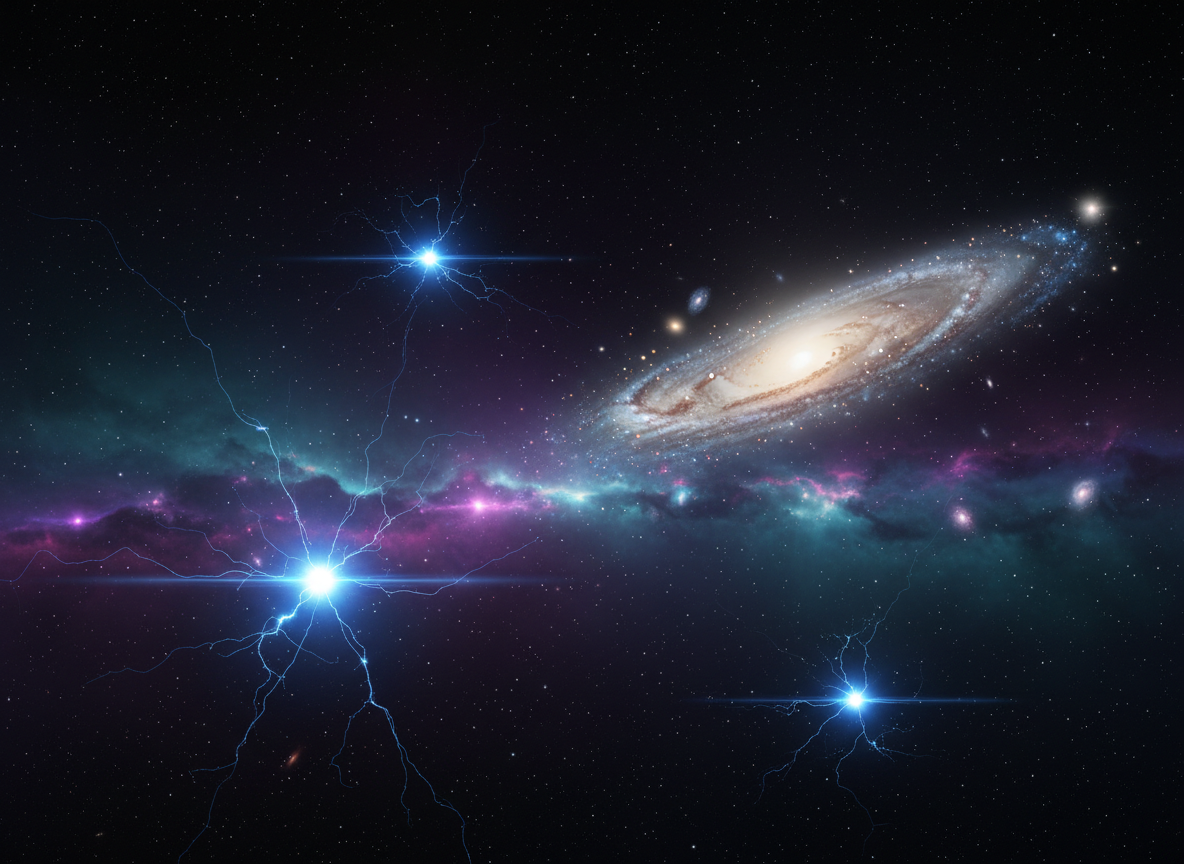
Repeated bursts of short intense blue light have been detected by astronomers in a number of observatories coming well outside the Milky Way. These signals are registered on instruments in Chile, Australia and orbiting platforms within milliseconds. Every event is energetic and timely. Research groups consider these flashes to be sources of information about the extreme cosmic conditions as opposed to aberrations.
Origin points across the cosmos
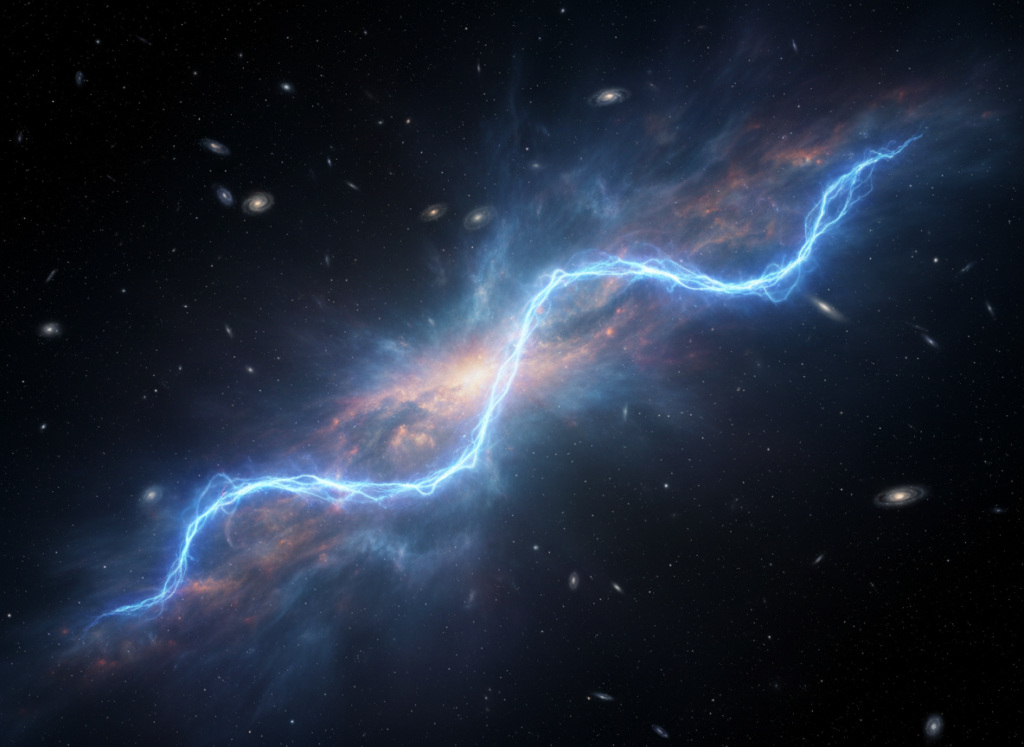
Analysis places many flashes billions of light years away. Redshift measurements from host galaxies support extragalactic distances. Such range rules out nearby stars or planets. Each flash travels through intergalactic gas before reaching Earth. This journey imprints measurable distortions used to estimate distance and density along the path.
Detection through advanced telescopes
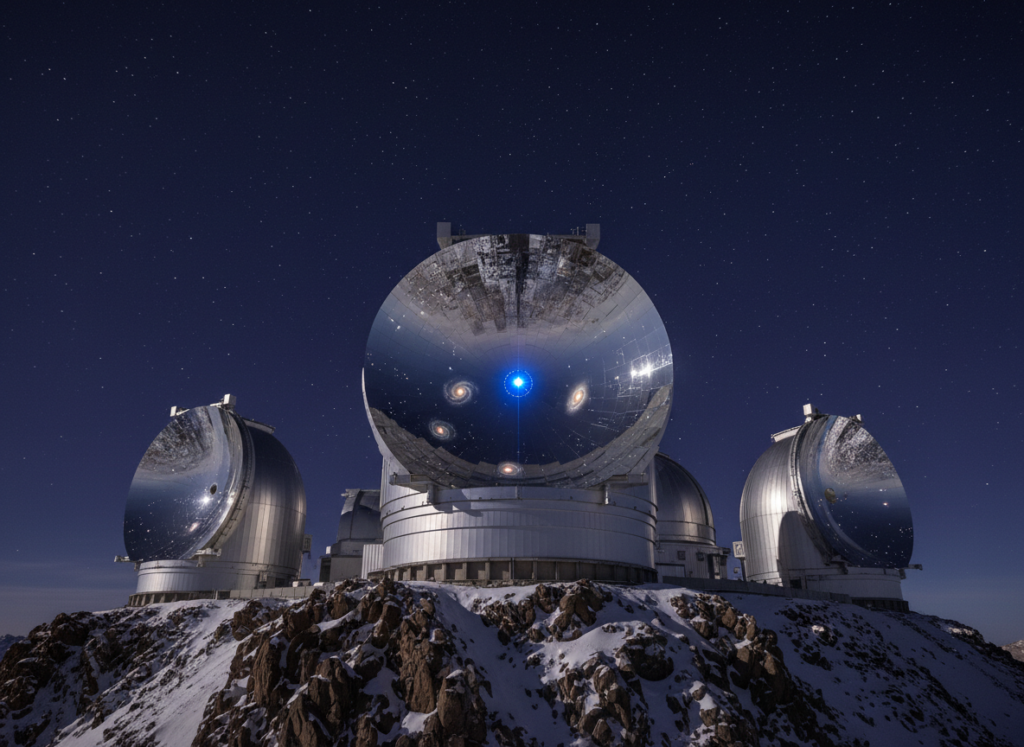
Sensitive optical and radio telescopes detect these blue flashes using fast sampling sensors. Instruments record changes within microseconds. Facilities such as the Very Large Telescope and radio arrays in Western Australia coordinate observations. Combined datasets improve accuracy. Rapid alert systems allow follow up studies within minutes of detection.
Links to fast radio bursts
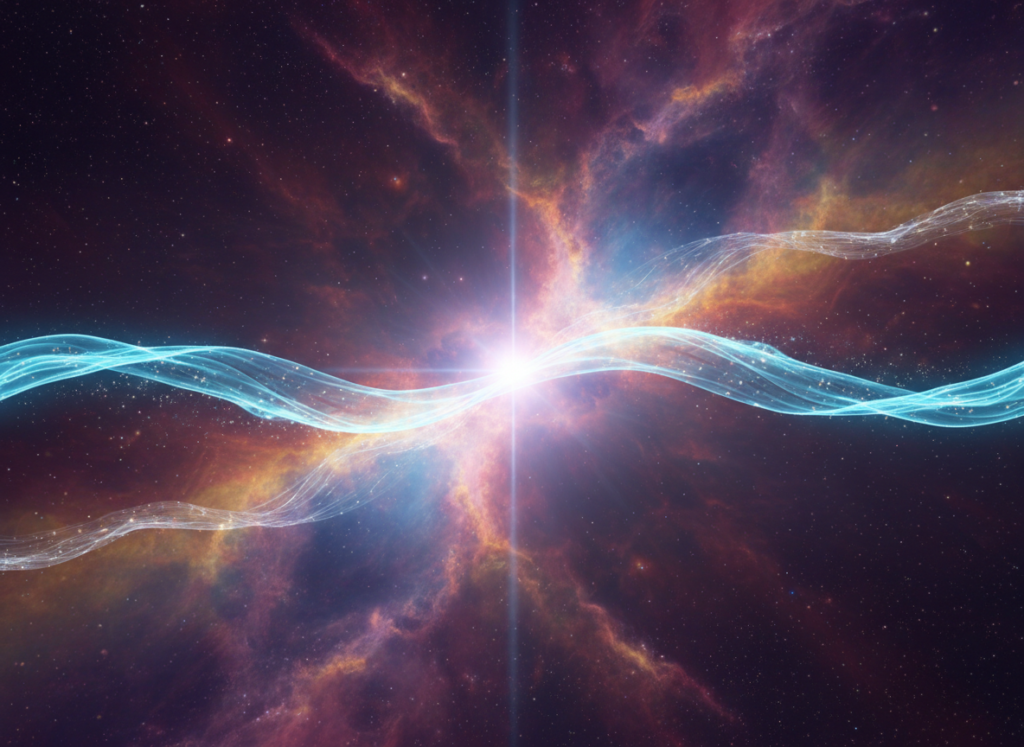
Several blue flashes appear alongside events classified as Fast Radio Bursts. These radio signals share short duration and high energy output. Correlated timing suggests a shared source process. Optical counterparts strengthen confidence in physical association rather than coincidence across instruments.
Possible astrophysical sources
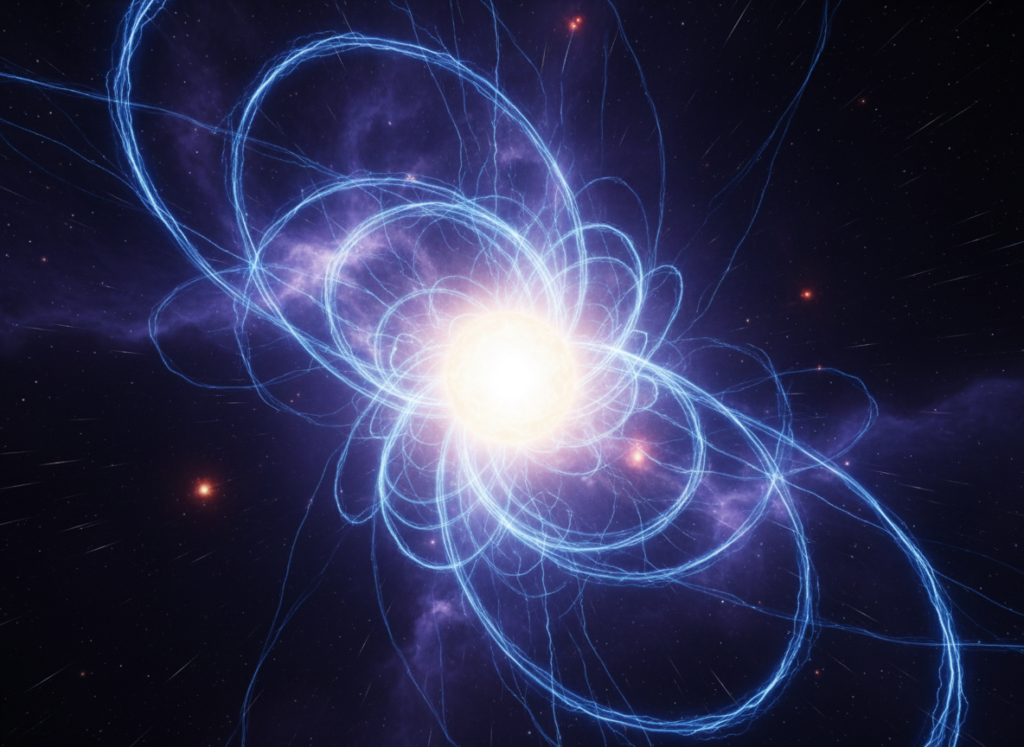
Scientists experiment with dense stellar cores. Top contenders are magnetars that are neutron stars with strong magnetic fields. Acute magnetic strain emits power at a variety of wavelengths. Predicted emission profiles of such events were predicted using blue light. Extreme conditions These theoretical frameworks are supported by laboratory simulations.
Why the color matters
Blue wavelengths indicate high temperature and energy at emission. Spectral analysis shows strong ionization signatures. Such features narrow source models toward compact, energetic objects. Red or infrared dominance would suggest cooler processes. Color data therefore acts as a filter during hypothesis testing.
Timing patterns and repetition
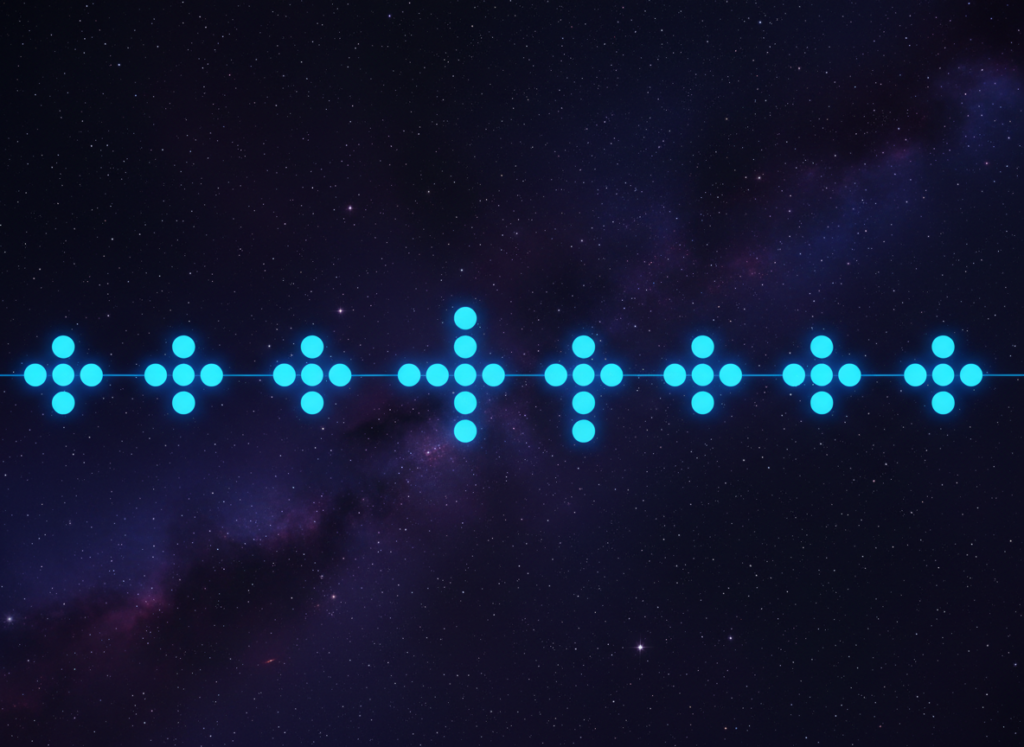
Some sources repeat over months or years. Others appear once. Repeating signals allow long term monitoring. Periodicity analysis checks rotation or orbital cycles. Non repeating events point toward catastrophic origins. This contrast helps classify sources into subgroups for targeted research strategies.
Impact on space science
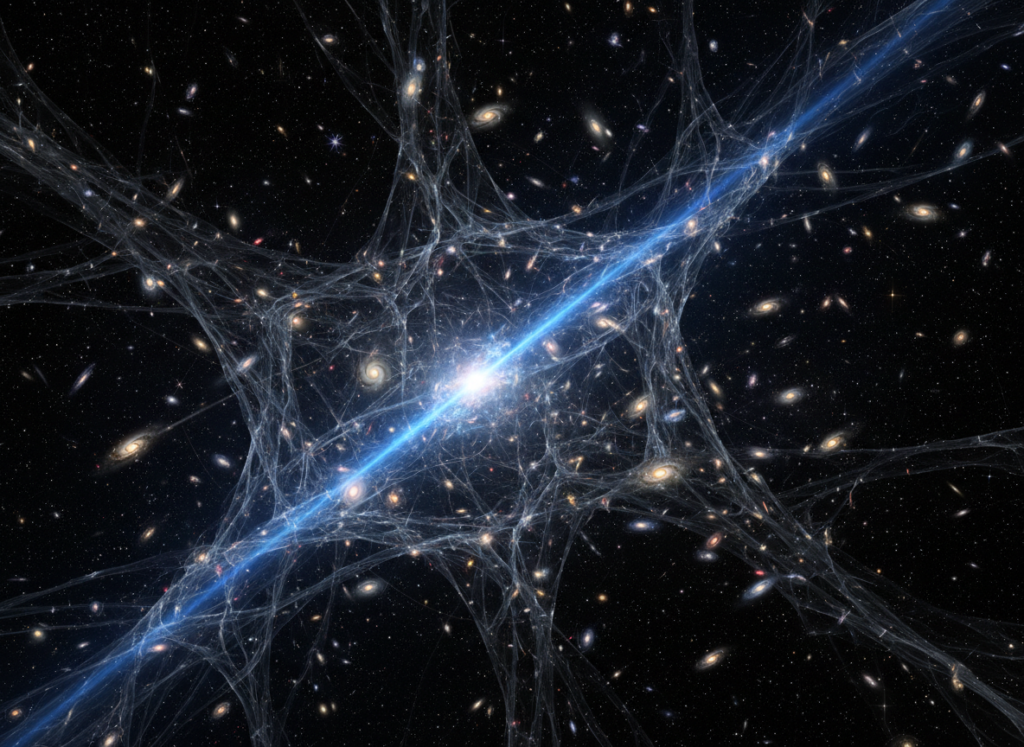
These flashes act as probes of space between galaxies. Interaction with intergalactic plasma alters signal shape. Measuring dispersion reveals particle density across vast distances. Such data supports mapping of otherwise invisible matter. Blue flash studies therefore extend beyond source physics into cosmology.
Challenges in interpretation
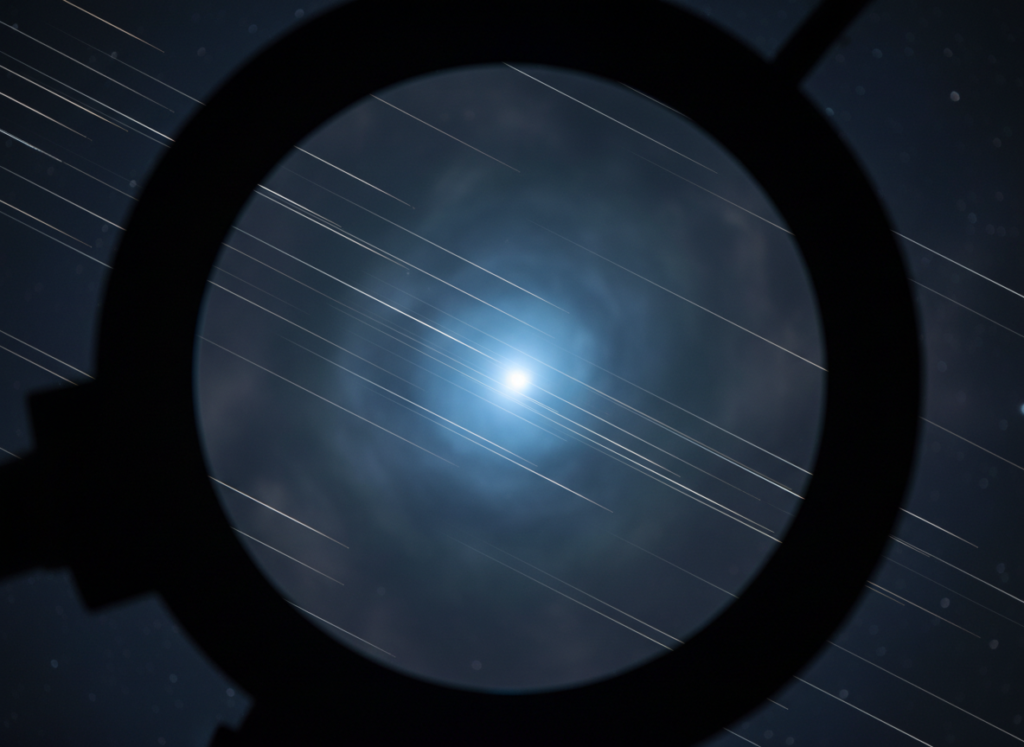
Signal rarity limits sample size. Background noise from Earth based sources complicates filtering. Weather, satellite interference, and instrument limits affect results. Teams rely on cross validation across observatories. Continued upgrades in sensor speed and sensitivity address these constraints gradually.
Next steps in observation
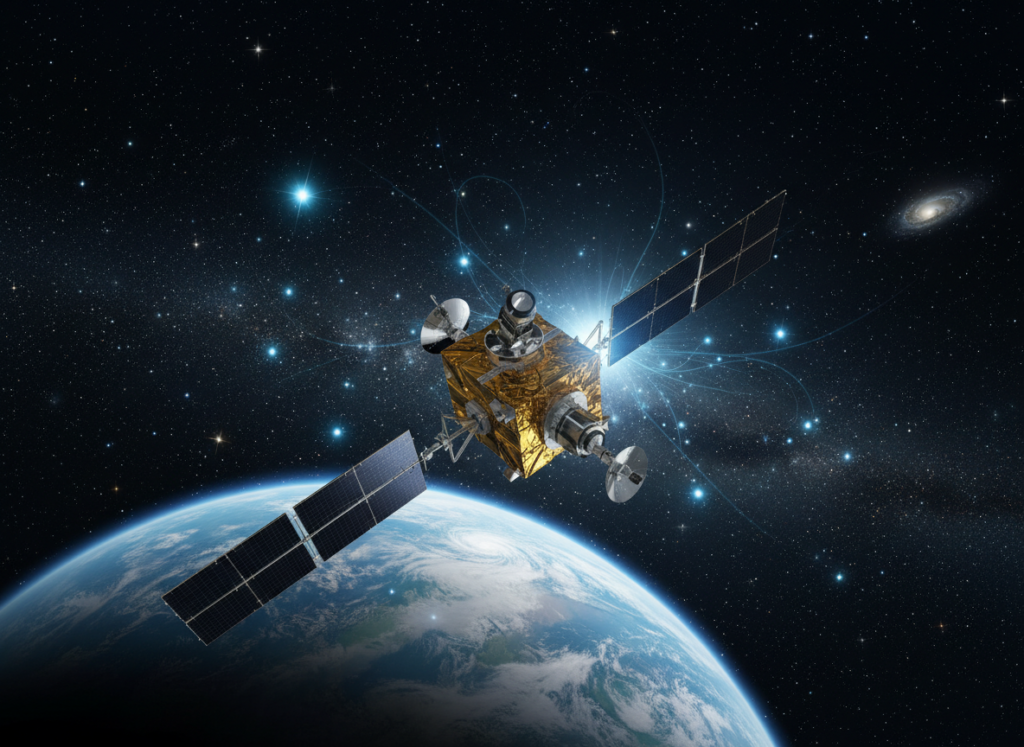
Planned surveys will scan wider sky regions with higher cadence. Space based telescopes avoid atmospheric distortion. Coordinated campaigns combine optical, radio, and X ray data. Each detection adds parameters for statistical strength. Over time, patterns should refine understanding of these bright blue flashes.
