
Long missions in space subject the astronauts to months of microgravity. It has been found that medical teams now report quantifiable brain structure changes following return to Earth. These results are interesting as they are connected to balance control, vision strain, and cognitive adjustment. The bulk of this information is provided by the astronauts who have undergone extensive orbits and during this period, the weightlessness remains constant, causing the changes to the fluid movement within the body and head.
Fluid Shifts Toward the Brain
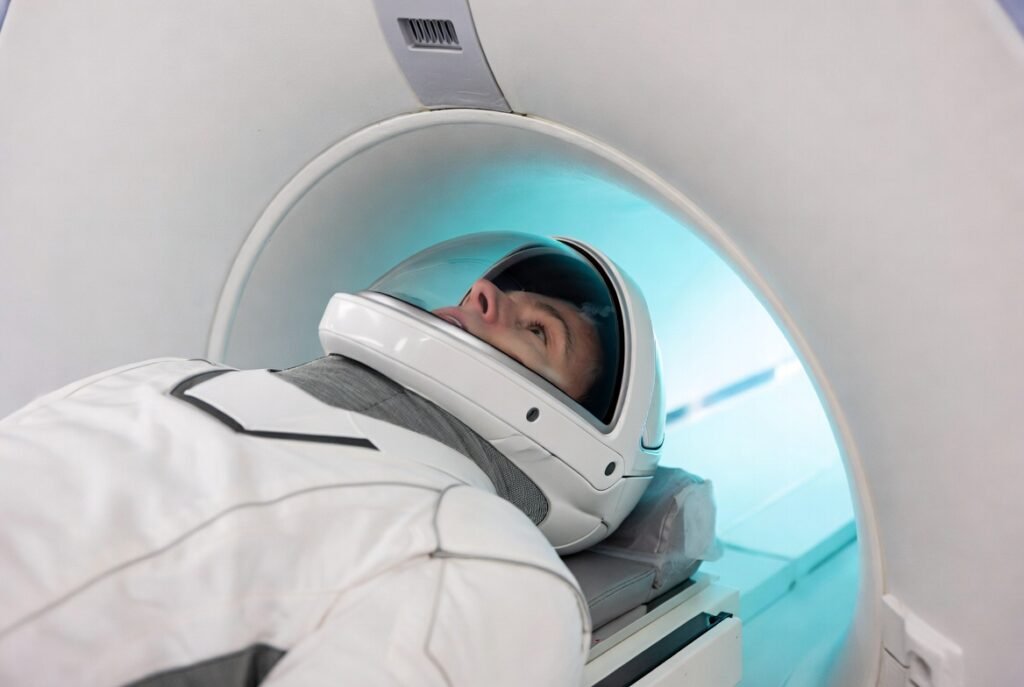
Microgravity alters the circulation of fluids. The blood and cerebrospinal fluid flow in the upwards direction towards the head. The brain scans reveal that there is more fluid around the skull after landing. The change causes stress on other brain tissue and distortion of healthy spacing within the skull during and after missions.
Structural Brain Position Changes
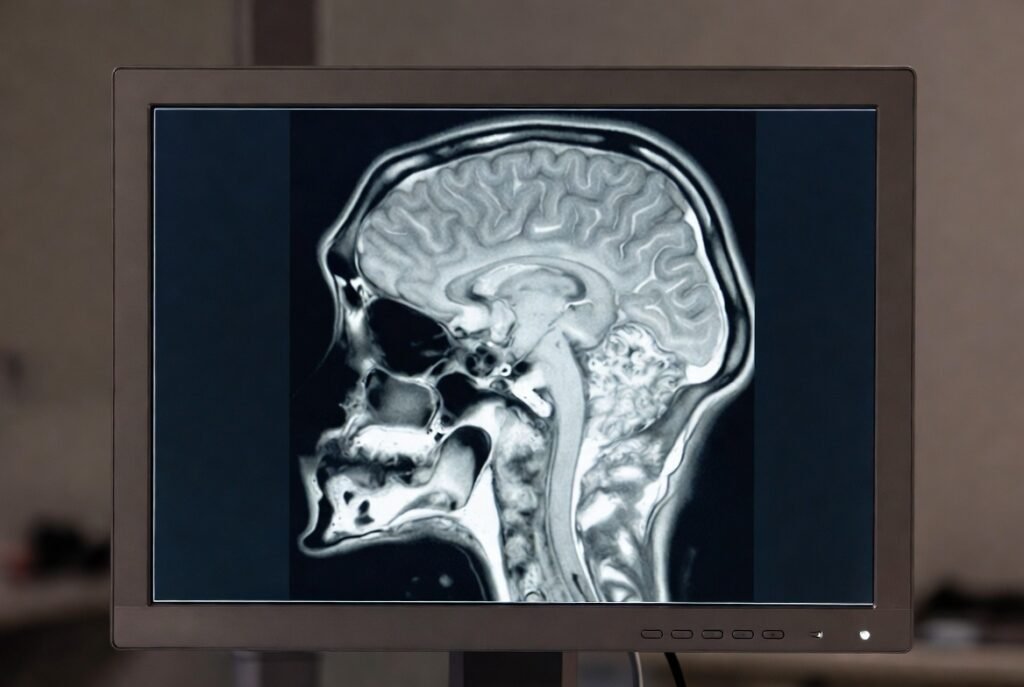
Imaging studies show upward displacement of the brain within the skull. The top regions press closer to the cranial surface than before flight. Ventricles appear larger in several astronauts. These changes correlate with time spent in orbit rather than age or preflight health.
Vision System Stress
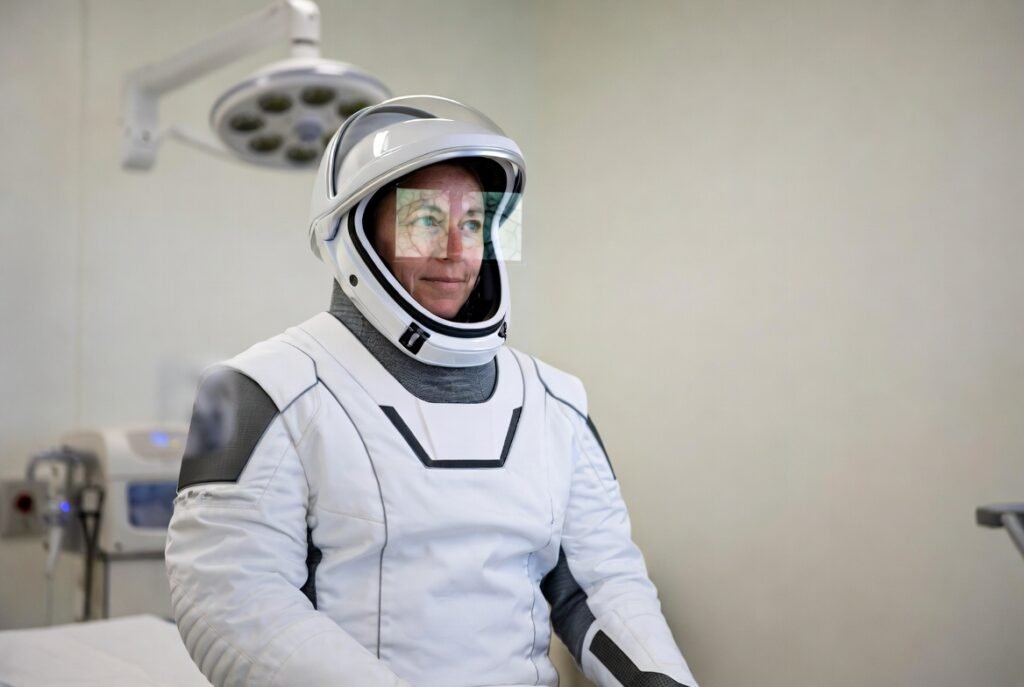
One of the most commonly reported problems following spaceflight is visual changes. Astronauts also have blurred vision and focal change. These symptoms are correlated with the pressure around the optic nerve by medical examinations. The changes in the retinal shape manifest in the post flight imaging and needs a long-term observation.
Balance and Coordination Adjustment
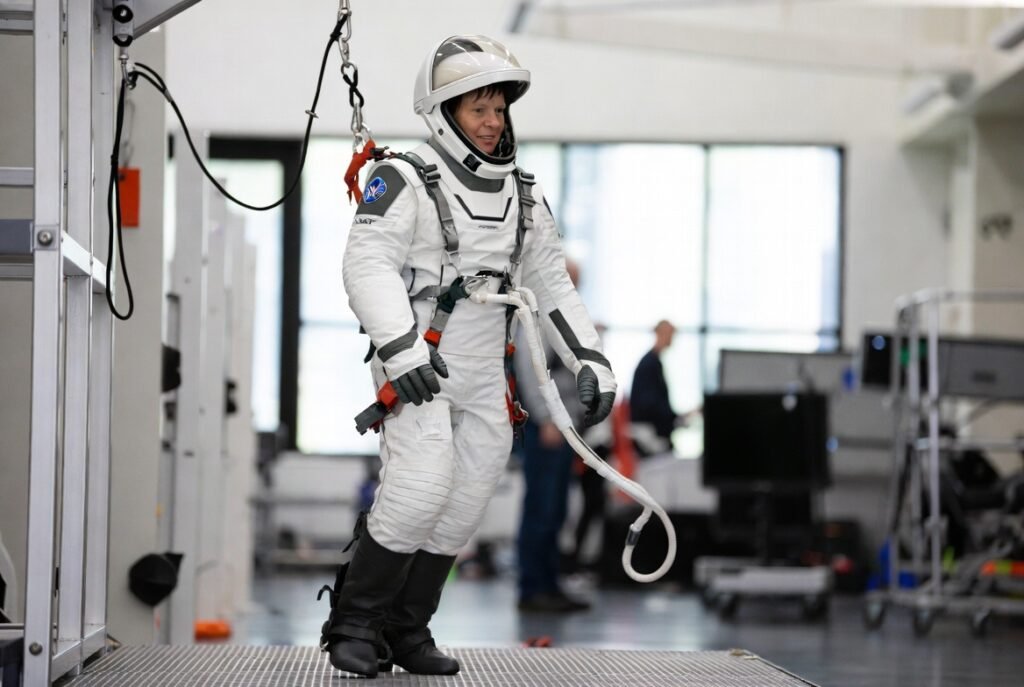
Balance is a signal received by the brain through gravity. Sensory systems adjust to zero gravitation in the orbit. Astronauts present a lack of balance control and slower movement coordination after returning. These outcomes coincide with the short-term modifications in brain areas that relate to spatial awareness and motor planning.
Cognitive Processing Effects

Space missions require attention and fast decision making. There are changes in brain connectivity patterns in areas associated with focus and executive control. Slower reaction times in early recovery are found through post mission testing. The performance is enhanced because the brain adjusts to the gravity.
Mission Length Influence

Duration of exposure plays a key role. Astronauts on six month missions show more pronounced brain changes than those on shorter flights. Data suggests cumulative effects rather than isolated events. This raises concern for future missions lasting over one year.
Recovery Patterns After Landing
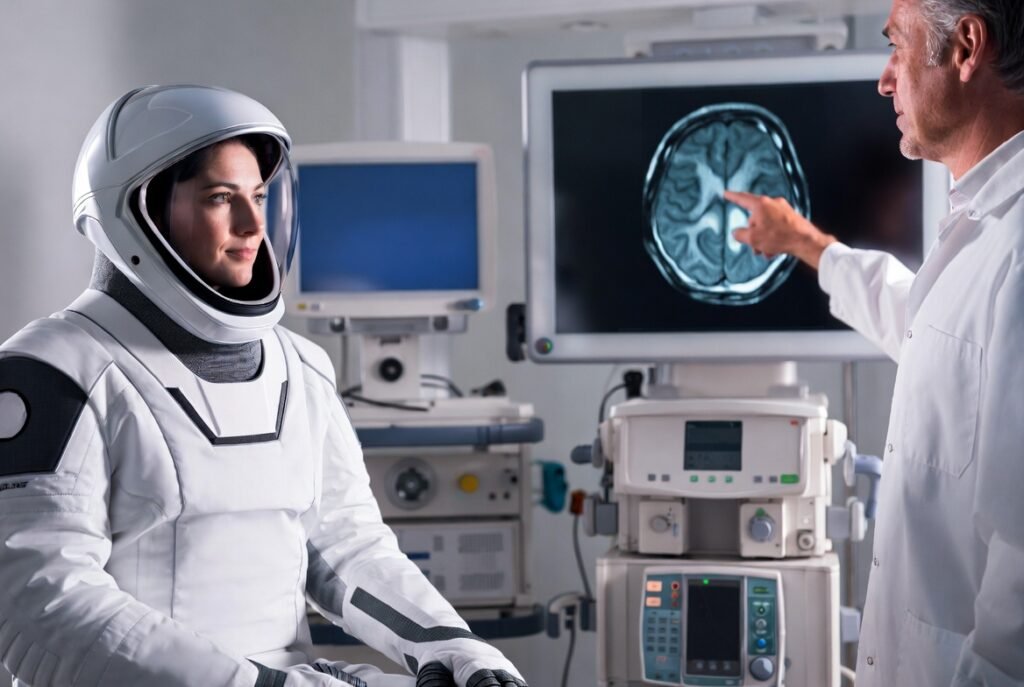
Follow up scans reveal gradual recovery. Fluid distribution trends toward preflight patterns within several months. Some structural differences persist longer. Medical teams track recovery using scheduled imaging to understand long term adaptation timelines.
Implications for Deep Space Travel

Planned missions beyond Earth orbit involve extended travel periods. Brain adaptation risks increase with longer exposure to microgravity. Current findings inform mission planning for lunar and Mars exploration. Understanding these changes supports safer crew selection and preparation.
Preventive Strategies in Testing
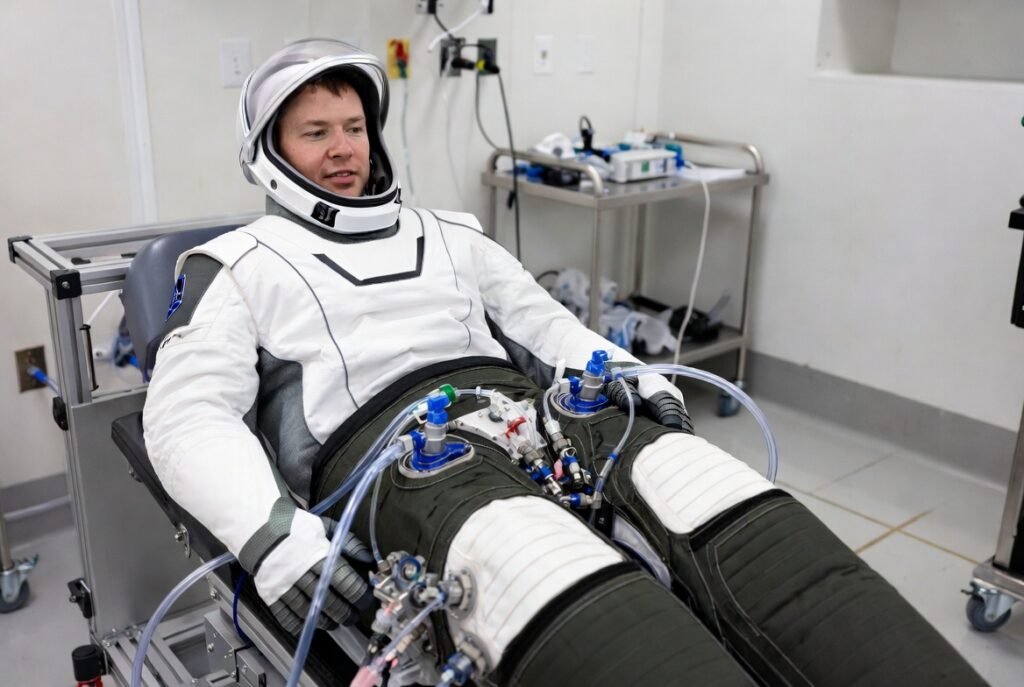
Researchers evaluate methods to reduce headward fluid shifts. Devices applying lower body pressure simulate gravity effects. Exercise routines target circulation balance. Sleep positioning also receives study. These strategies aim to reduce structural stress on the brain during missions.
Ongoing Monitoring Efforts

Health monitoring continues before, during, and after missions. Advanced imaging tools support detailed brain tracking. Researchers expand participant pools to strengthen data quality. Findings guide medical protocols and spacecraft design to support astronaut neurological health.
