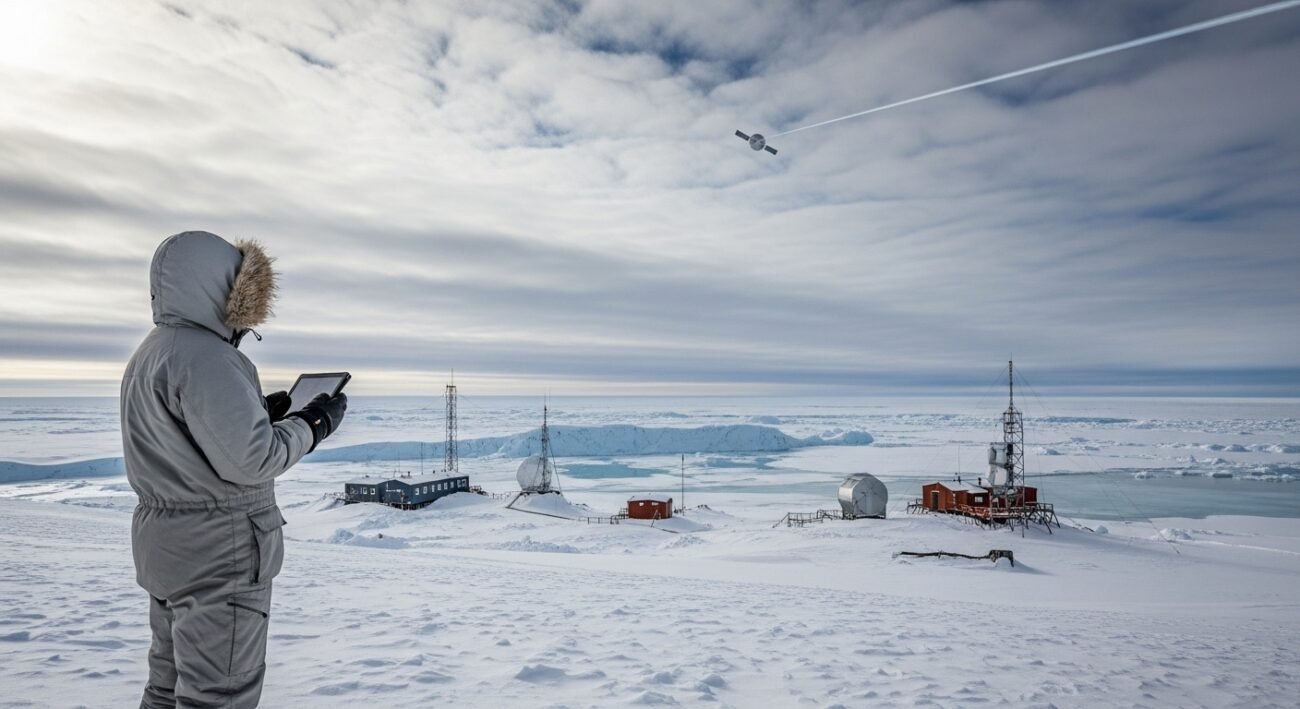
Scientific monitoring across the Arctic reports rapid physical change across ice, land, and ocean systems. Long term records from satellites and research stations show conditions outside earlier reference ranges. Temperature rise, ice retreat, and ecological strain appear together. Researchers treat this pattern as a warning sign due to strong Arctic links with global climate balance.
Accelerated warming across Arctic air temperatures
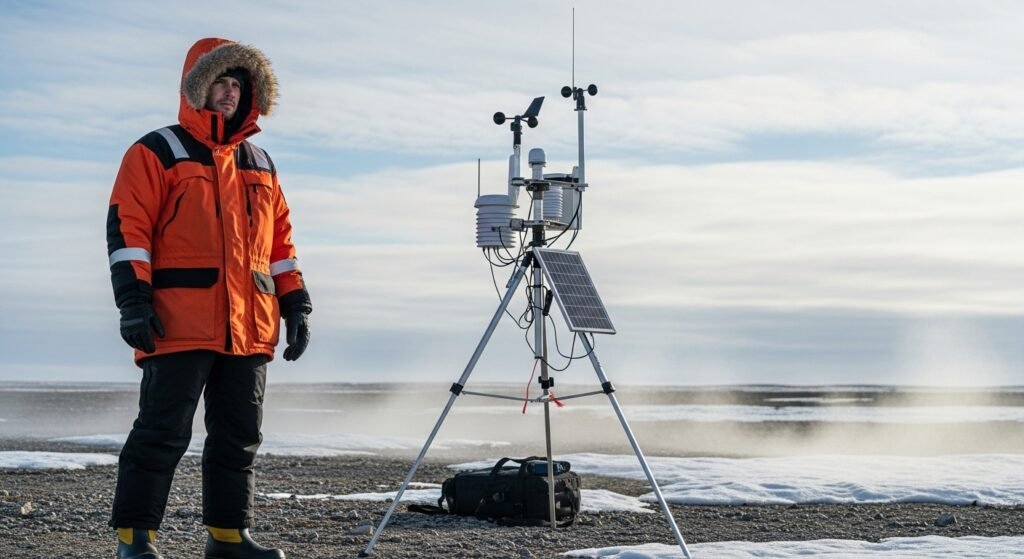
Arctic air temperatures increase at more than double the global average based on NASA and NOAA datasets. Winter cold periods shorten across northern latitudes. Extended warm seasons delay ice formation. Climate records from the past three decades confirm steady warming rather than isolated spikes or natural fluctuation.
Sea ice retreat reaching record lows
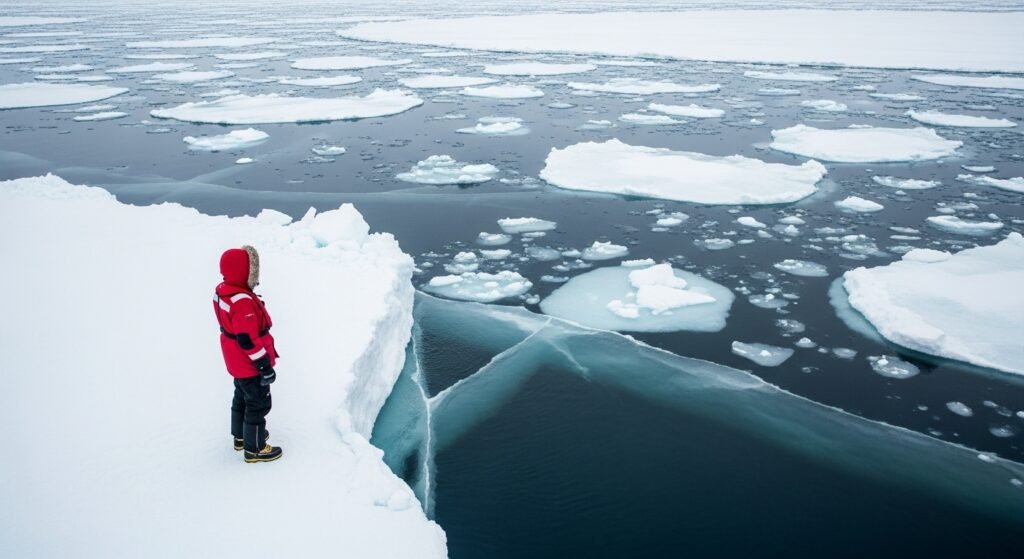
Summer sea ice cover is decreasing according to satellite data to levels that are far below the average in the late twentieth century. The thickness of ice also decreases with each year. During seasonal melting, thin ice breaks earlier. Less reflective ice is left over and dark ocean water that absorbs heat energy and accelerates the warming process of the region is revealed.
Permafrost thaw changing Arctic ground conditions
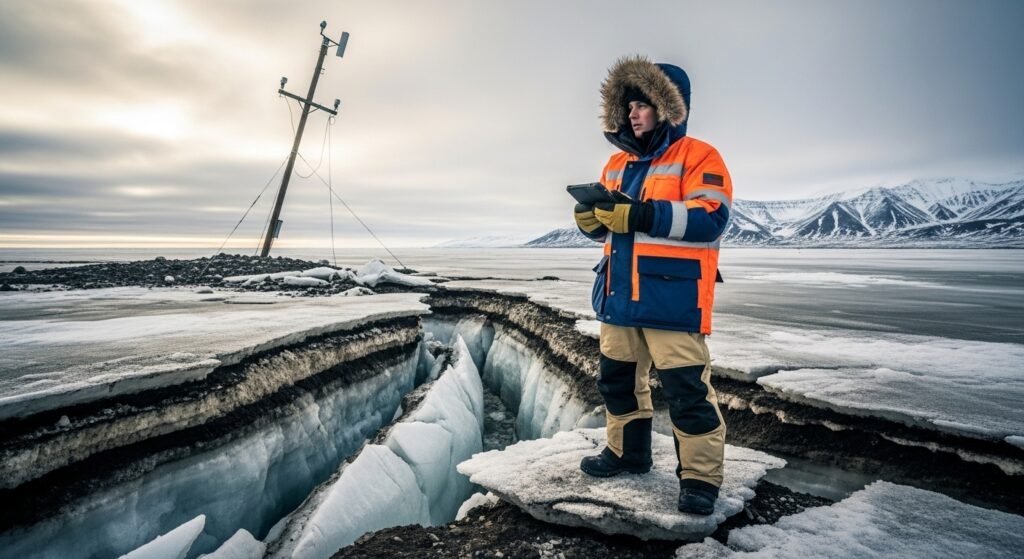
Permafrost thaw deepens across Alaska, Siberia, and northern Canada. Ground instability damages roads, housing, and pipelines. Soil collapse alters drainage patterns. Carbon rich frozen layers release gases during thaw. Field measurements record rising emissions linked with warmer soil temperatures.
Arctic Ocean warming disrupting marine life
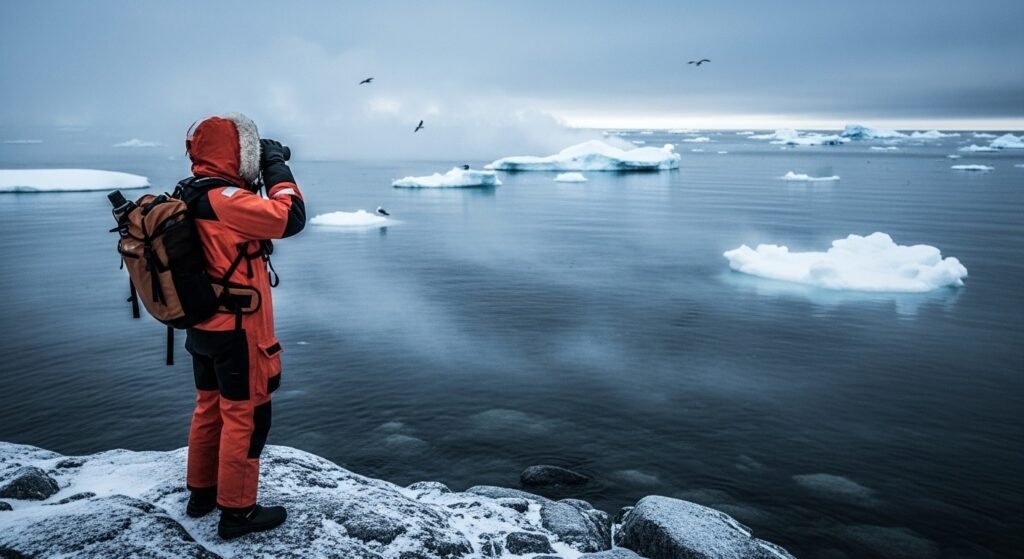
Ocean temperature readings show warmer currents moving north into Arctic waters. Sea ice formation weakens as heat builds below the surface. Plankton distribution shifts toward colder zones. Fish species follow food movement patterns. Marine surveys confirm rising ecosystem stress across multiple trophic levels.
Weather instability spreading to lower latitudes
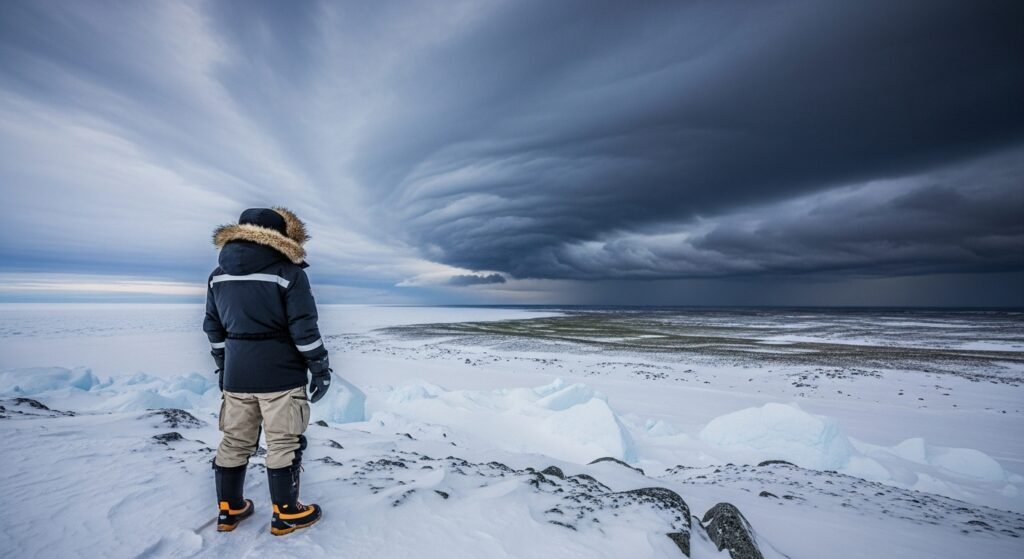
Researchers associate warming in Arctic region to the changing patterns of jet streams. Reduced movement of the jet stream causes the occurrence of extended weather conditions to the south. Polar temperature changes are accompanied by heat waves, prolonged precipitation and abnormal cold conditions. Arctic conditions growing power is supported by climate simulation.
Wildlife facing habitat pressure
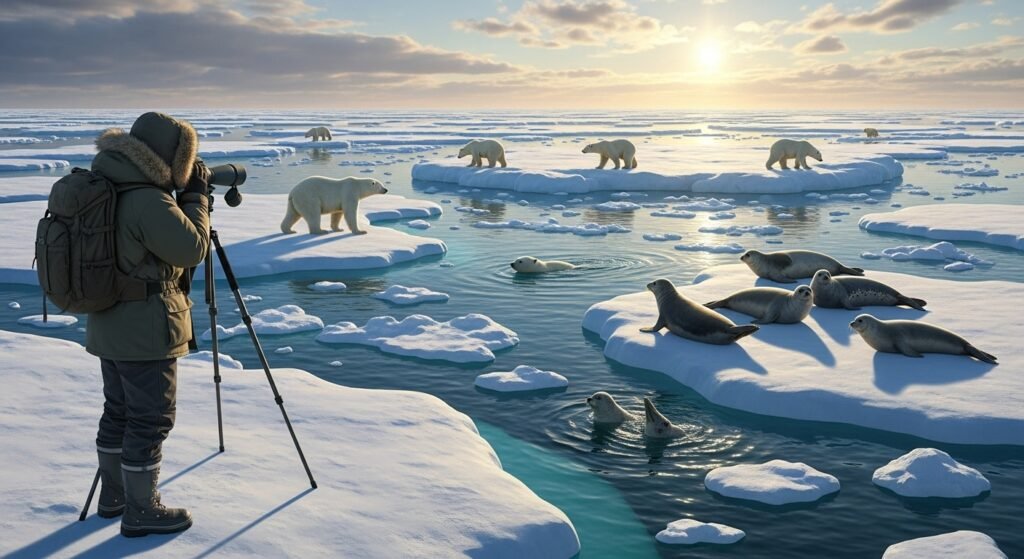
Ice dependent species have less access to areas to feed and breed. Polar bears cover more distances between hunting areas. Populations of seals become deprived of ice platforms. Studies on wildlife tracking indicate increased energy expenditure and reduced reproductive achievement in a number of species in the arctic.
Expansion of shipping routes and industry
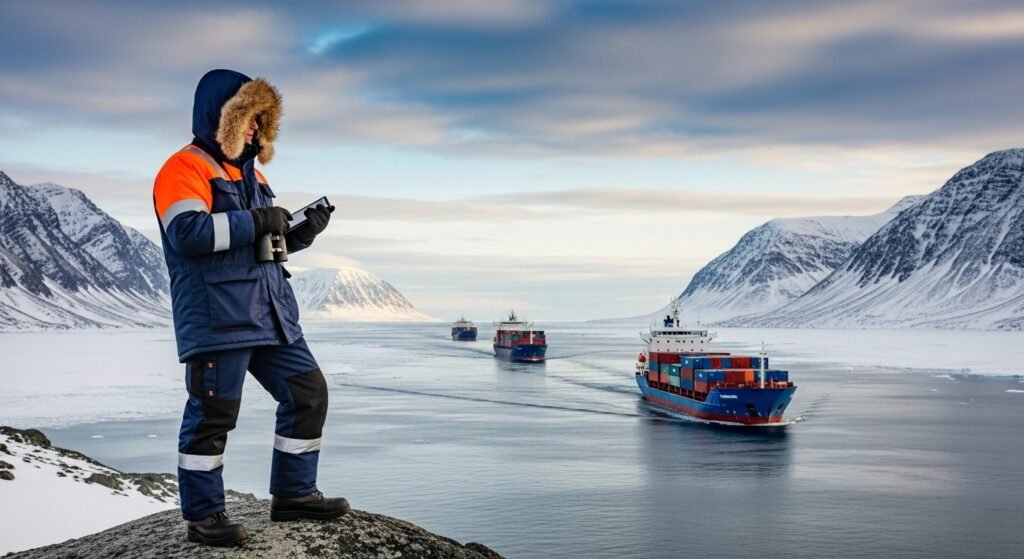
Less ice cover is beneficial in increasing navigation periods along the Arctic oceans. The commercial shipping traffic also exposes more pollution and noise under water. Resource exploration is increased to new vistas of access. According to environmental monitoring groups, the industrial activity introduces pressure to the delicate Arctic systems.
Effects on Indigenous Arctic communities
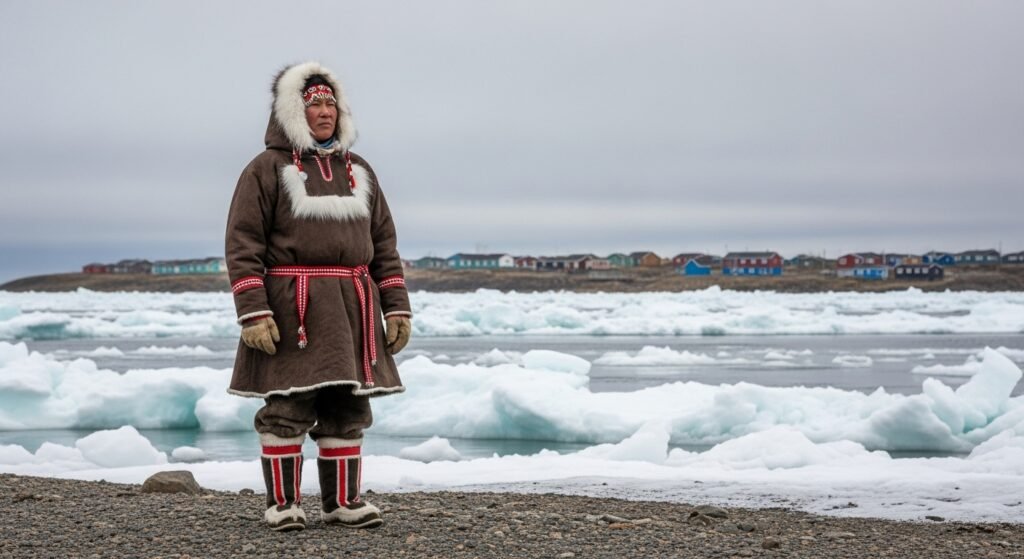
Native people are dependent on predictable seasonal changes and ice. Smaller ice increases the risk of travelling and hunting. The patterns of food access are altered when there is a change in the behavior of animals. Community reports indicate that the cost of adaptation, equipment, and risk management is increasing.
Limits of current climate models
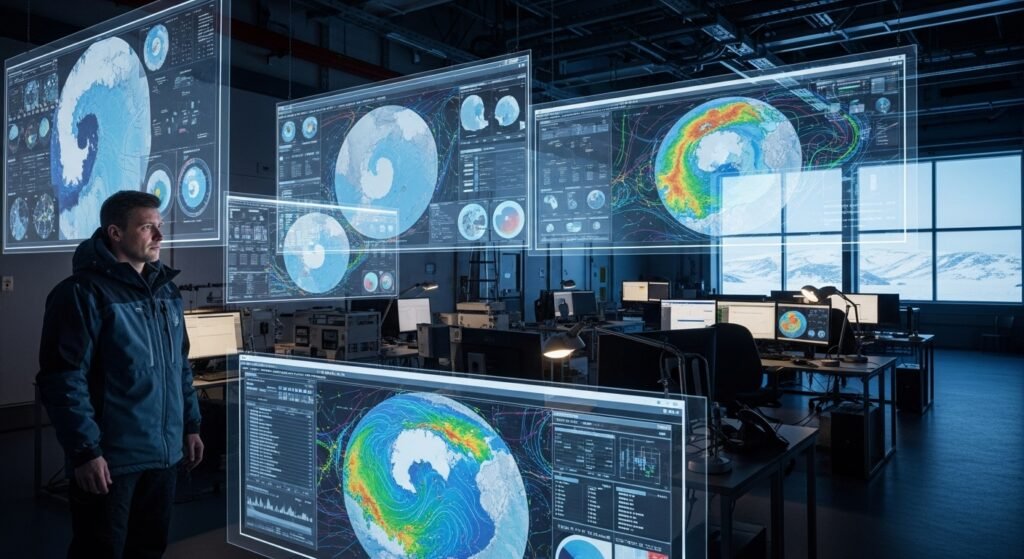
Arctic change is observed to be progressing at a greater rate than previous models. Most variations in forecasting systems undervalued the rate of warming and ice melting. Scientists update models through new satellite-based and field data. The correct prediction is still important to the planning of the responses outside polar areas.
Global climate consequences over time
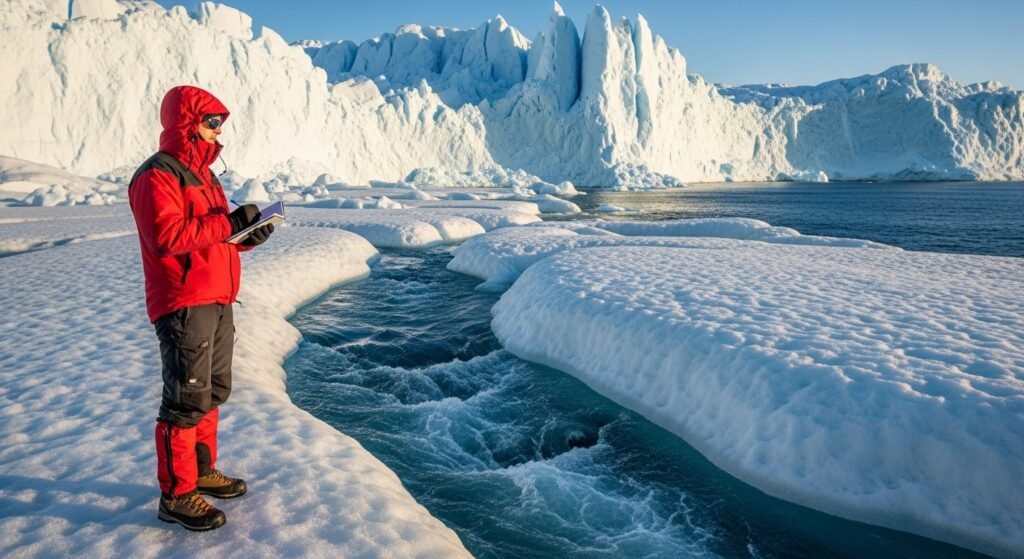
The melting off of the arctic ice is a direct contributor to the increasing sea level through the melting of the glaciers. The ice measurements on Greenland indicate that the mass of the ice is steadily decreasing with time. The circulation patterns of the oceans react to the influx of freshwater through melting ice. Scholars emphasize on constant observation because of long term world climate interactions.
