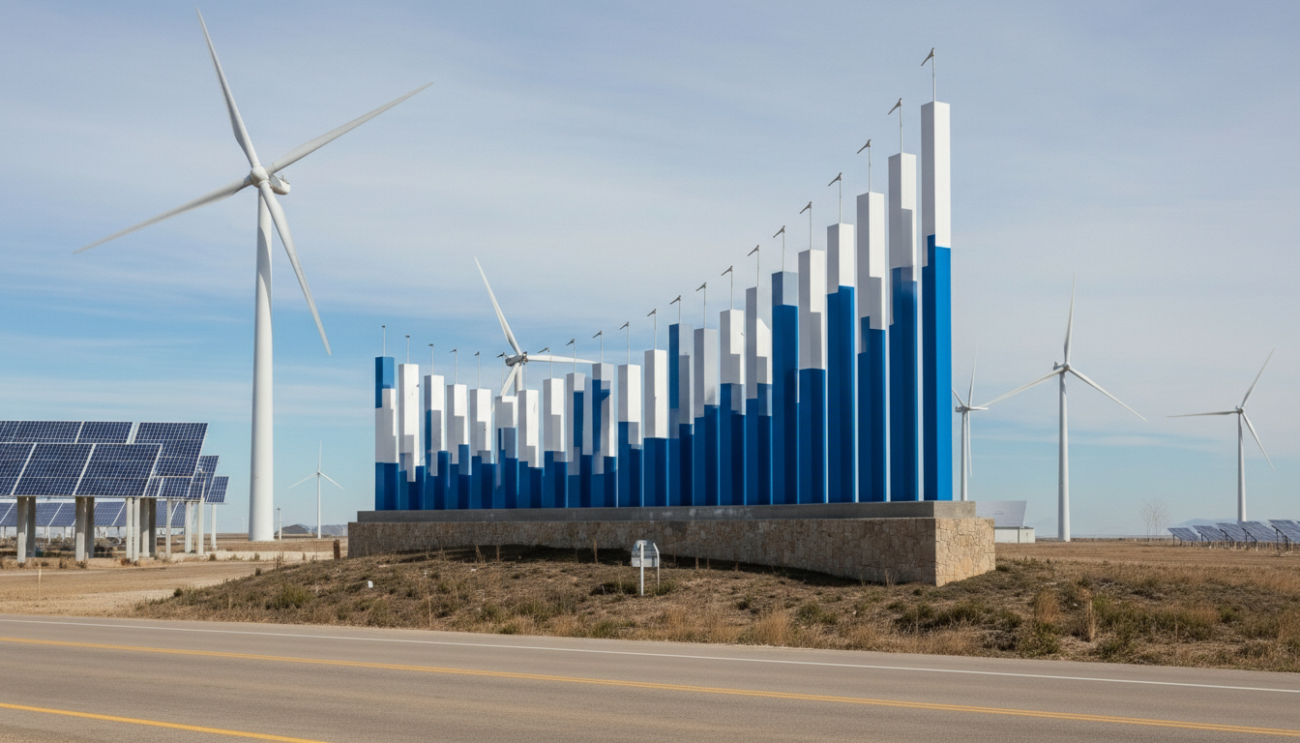
The production and consumption of energy are changing in the United States. Federal policy, the action of the private investments and the state level all are geared towards lower emissions and domestic energy supply. Power generation statistics indicate increasing proportions of wind and solar generated power, and grid enhancements and production incentives increase capacity. The paper is a review of the tangible actions that influence the development course with a priority on policy formulation, industrial reaction, and infrastructure performance.
Federal policy signals and funding priorities
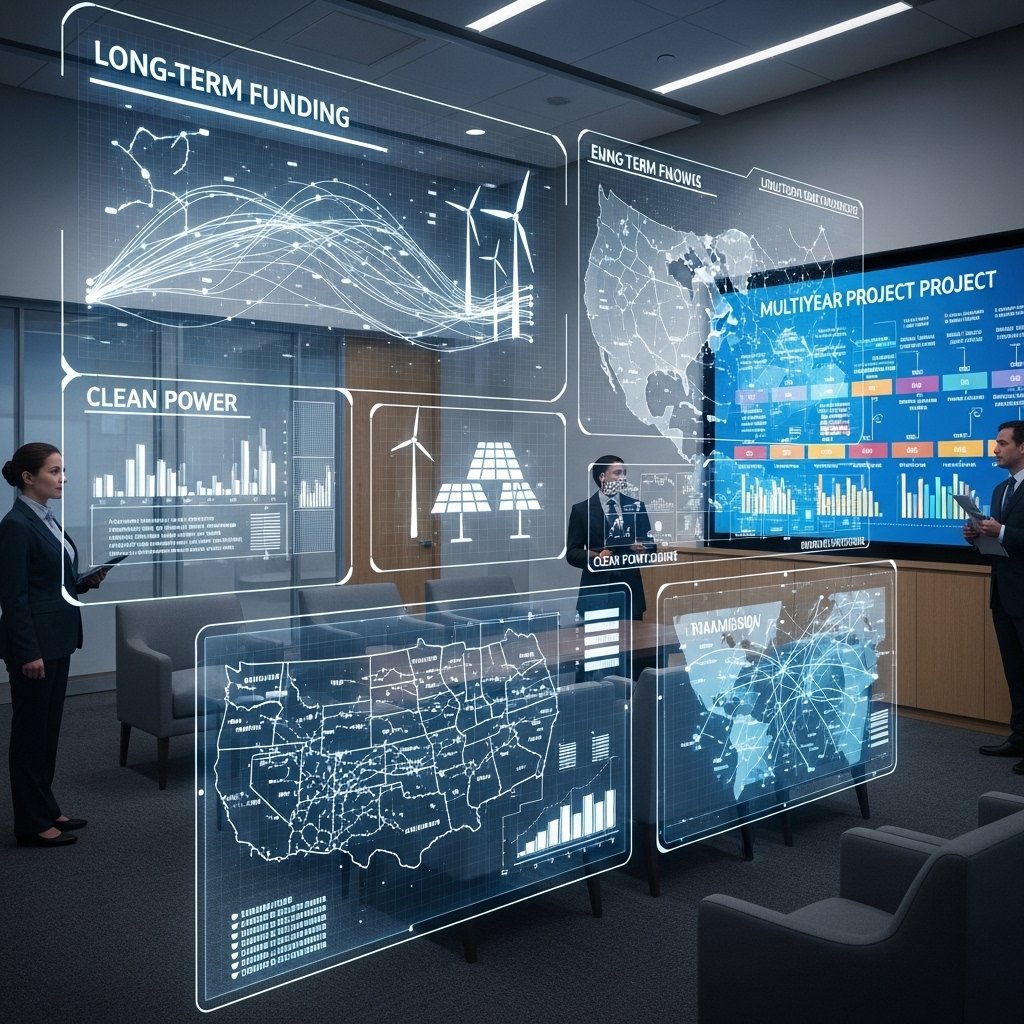
Recent federal legislation directs long term funding toward clean power, storage, and efficiency. Tax credits favor domestic manufacturing and grid scale deployment. Public spending data shows multiyear certainty for developers, which supports planning and financing. Policy structure links incentives to output and location, steering investment toward regions with available labor and transmission access.
Utility scale solar expansion
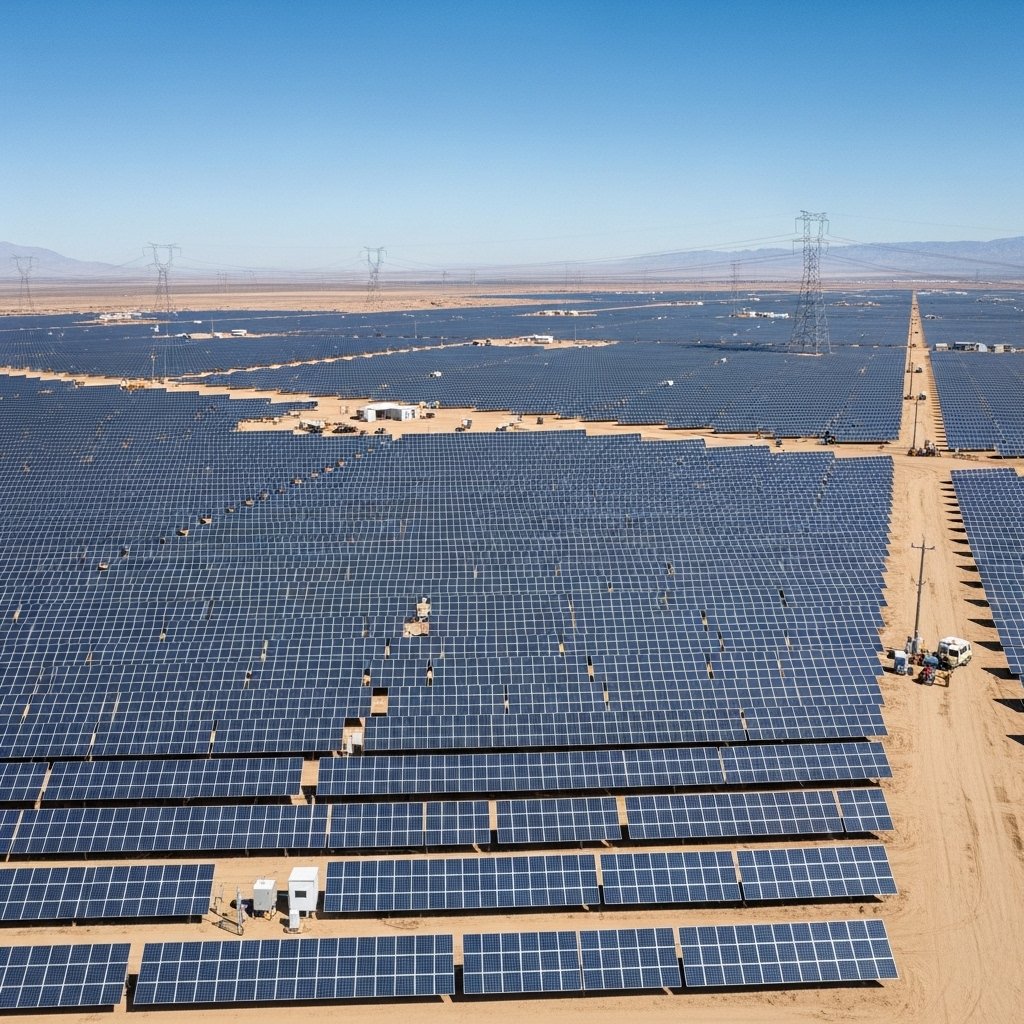
Solar capacity additions continue at record pace across western and southern states. Project pipelines reflect falling module costs and faster permitting on private land. Utility filings show power purchase agreements below fossil benchmarks in several markets. Grid interconnection queues remain a constraint, prompting process reforms at regional transmission operators.
Wind energy growth and regional patterns
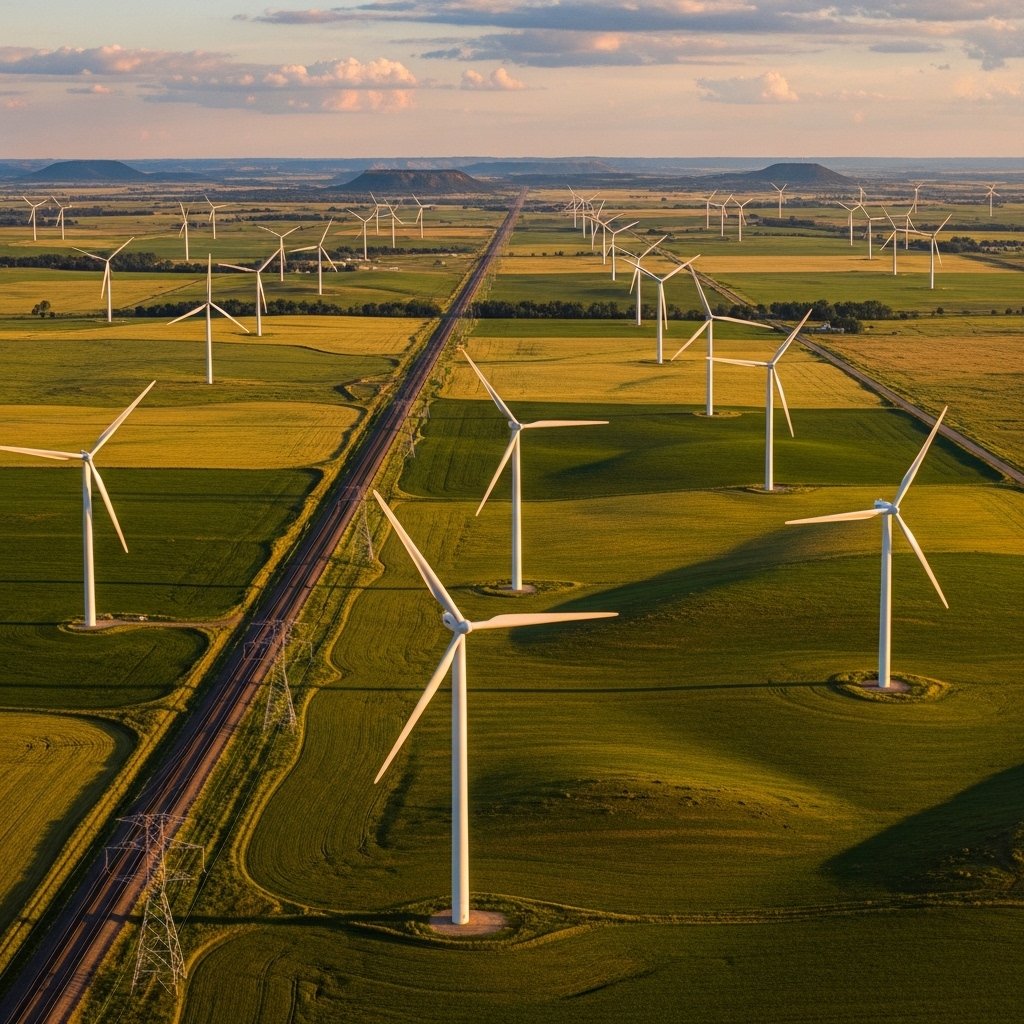
Onshore wind capacity rises fastest in the Midwest and Texas, where land availability and transmission corridors align. Offshore wind projects progress along the Atlantic coast with staged procurement. Port upgrades and vessel orders support construction timelines. Contract structures emphasize fixed pricing to reduce exposure to wholesale power volatility.
Energy storage deployment
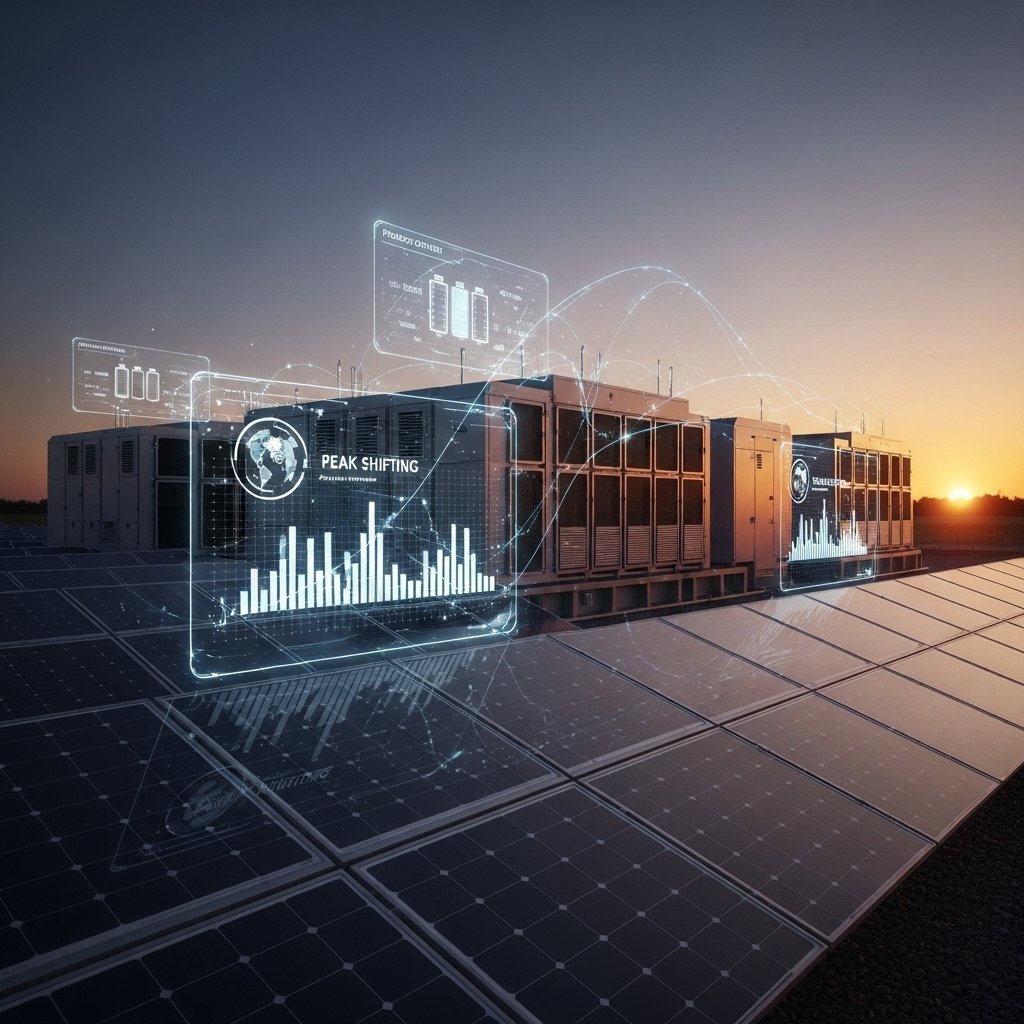
Battery storage installations increase alongside variable generation. Grid operators report improved peak management and frequency control. Most new projects pair lithium ion systems with solar plants, extending delivery into evening demand windows. Cost curves decline as manufacturing scale grows, supported by domestic content incentives.
Transmission and grid modernization

Transmission investment aims at the congestion and reliability constraints. Renewable areas are connected to the centers of demand within cities through high voltage lines. State-of-the-art conductors and computerized controls increase throughput on existing corridors. Siting coordination on a federal basis reduces the approval time of projects across state lines and this has solved a long-standing congestion in the delivery of power.
Electric vehicles and charging networks

The future of vehicle electrification is through consumer financing and fleet requirements. The sales figures indicate consistent growth in light duty segments. Highway and metropolitan centers are equipped with public charging networks whose funding is based on federal and state programs. Utility rate designs are responsive to off peak charging which relieves the pressure on the local distribution systems.
Clean energy manufacturing reshoring
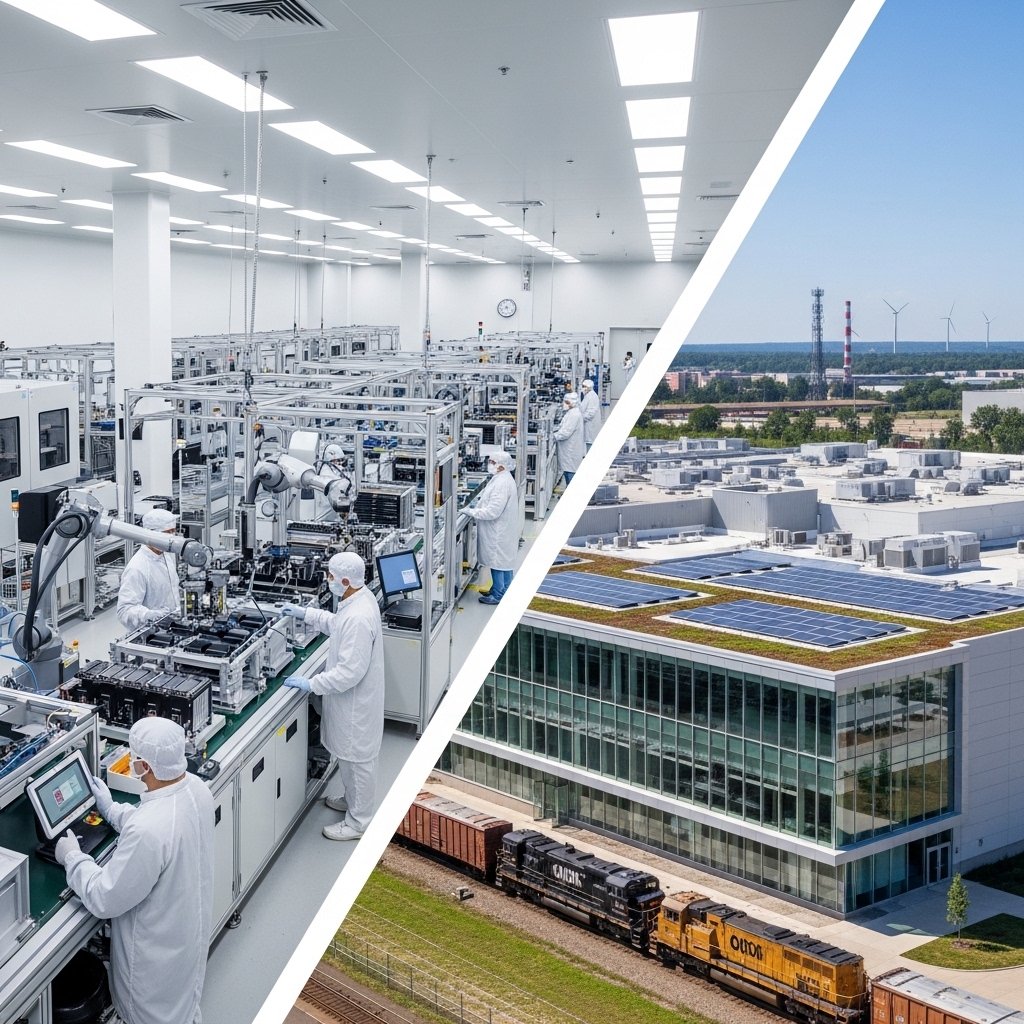
Battery, solar components and power electronics are some of the new plants announced in manufacturing. The site selection is in favour of location with skilled labor and rail access. Localization of supply chains minimizes risk of import and risk of delivery. The employment records show an increase in jobs in those counties where new facilities will be built.
State level leadership and variation
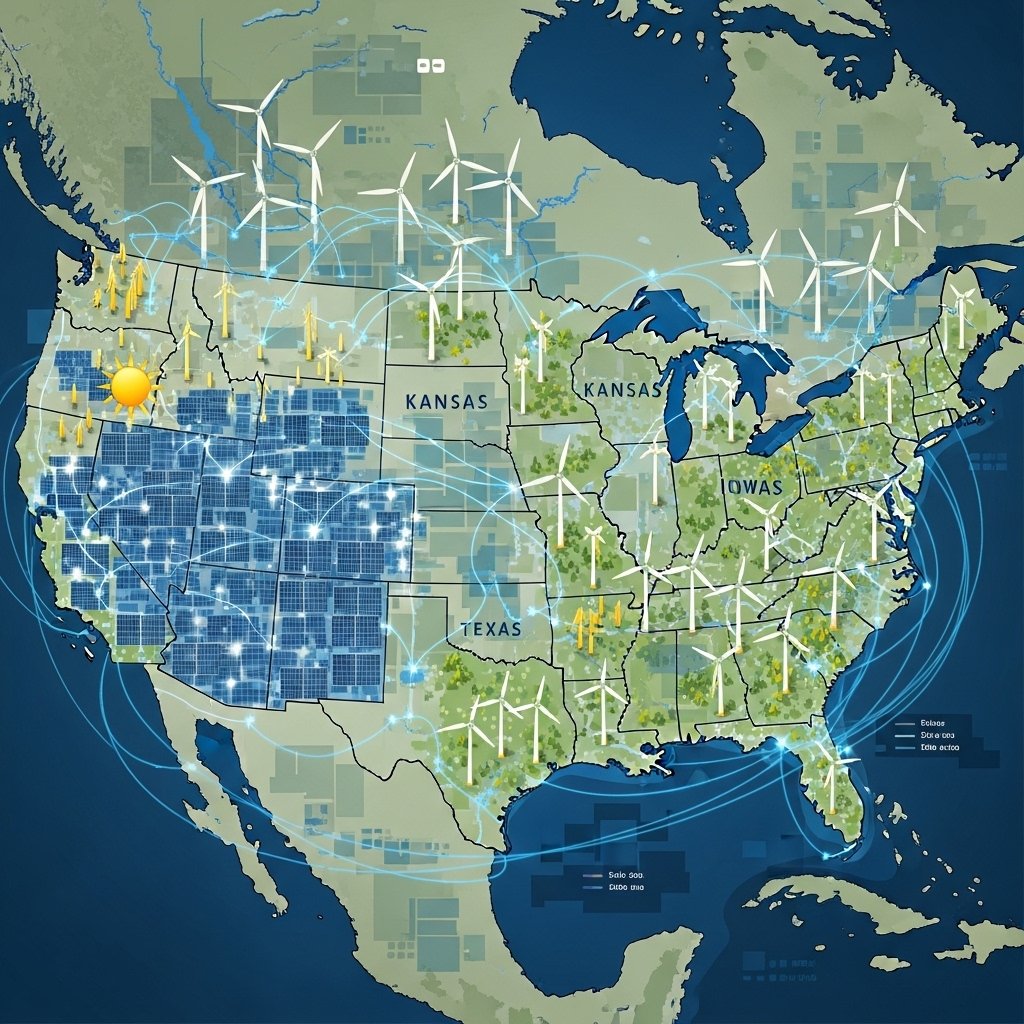
States create results by renewable standards and permitting rules. The main drivers of demand in California and New York are the procurement targets, whereas Texas leads on installed capacity via market design. Geographical variation accounts to resource endowments and policy decisions. Interstate coordination is significant to common transmission assets.
Private capital and market response

The infrastructure funds and the private equity funds allocate more funds to clean assets. Deal volume monitors policy consistency and offtake integrity. Corporate customers enter into long term power contracts to control the cost of energy and reporting emission. Return on scale and experience decreases as financial disclosures indicate increasing returns.
Workforce development and training
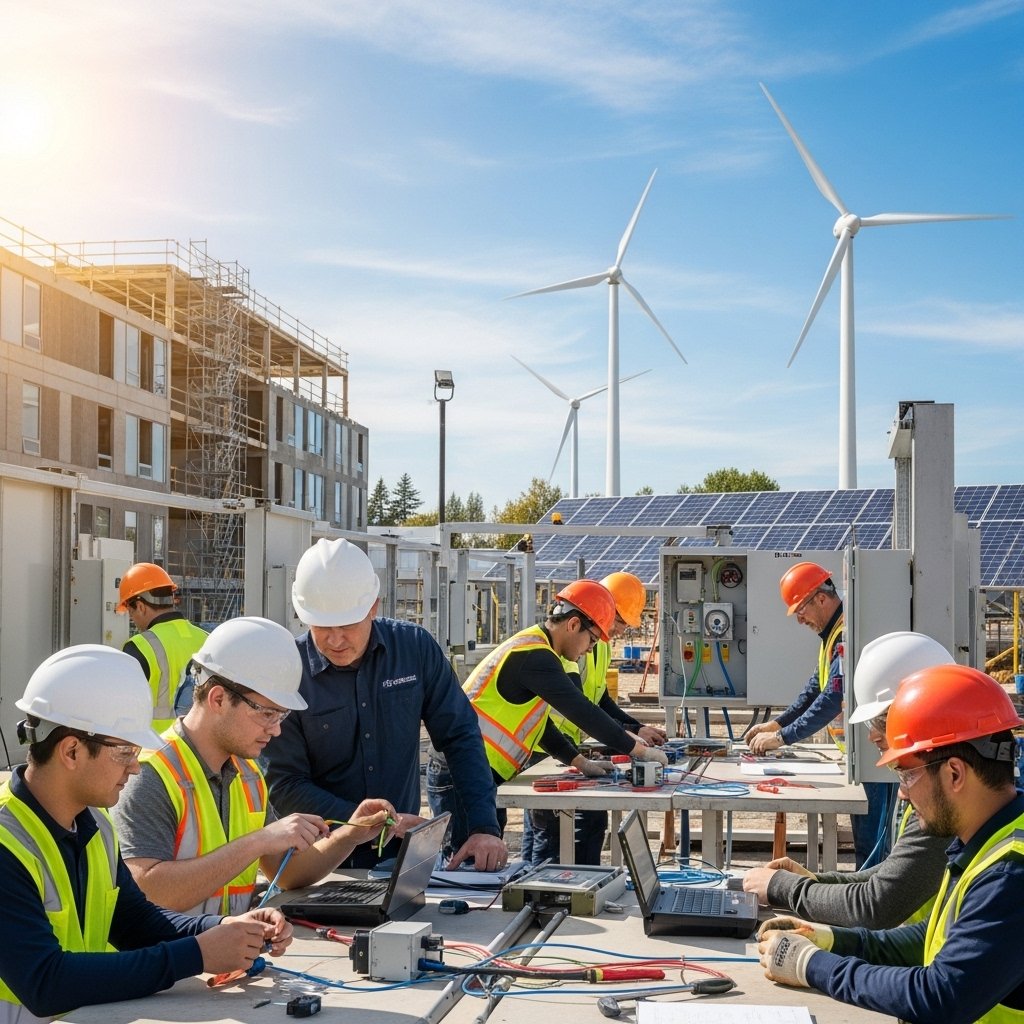
There is an increase in labor demand in construction, operations and manufacturing jobs. Local colleges increase the electrical work and power systems. Apprenticeships associate government-funding with local employment. The data on training indicates rises in speed of the placement in case the curricula are based on regional project pipelines, which contributes to the maintenance of workforce.
