
Over ten years, smartphones have influenced the way individuals communicate, work, and obtain information and have become an essential part of their daily lives that can hardly be imagined without smartphones. But the fast development of artificial intelligence is starting to change that reliance, and it opens up new avenues of engagement with technology that are more natural, seamless, and not so tied to one device, indicating the beginning of a significant change that is already taking place unnoticed across industries and day-to-day life all over the world.
Beyond Touch Screens

The common tapping and swiping trend is being slowly overtaken by voice, gesture, and context-aware interaction, and does not require constant interaction with the screen. Devices are now able to respond even before they are touched as machines are now able to read the mind.
The Emergence of Voice Interfaces

Voice assistants have become more sophisticated tools that can comprehend complicated commands, perform actions, and keep the context throughout the conversation. This enables the users to control the schedules, search, and control the environments without use of traditional screens.
Devices Becoming Invisible Too.
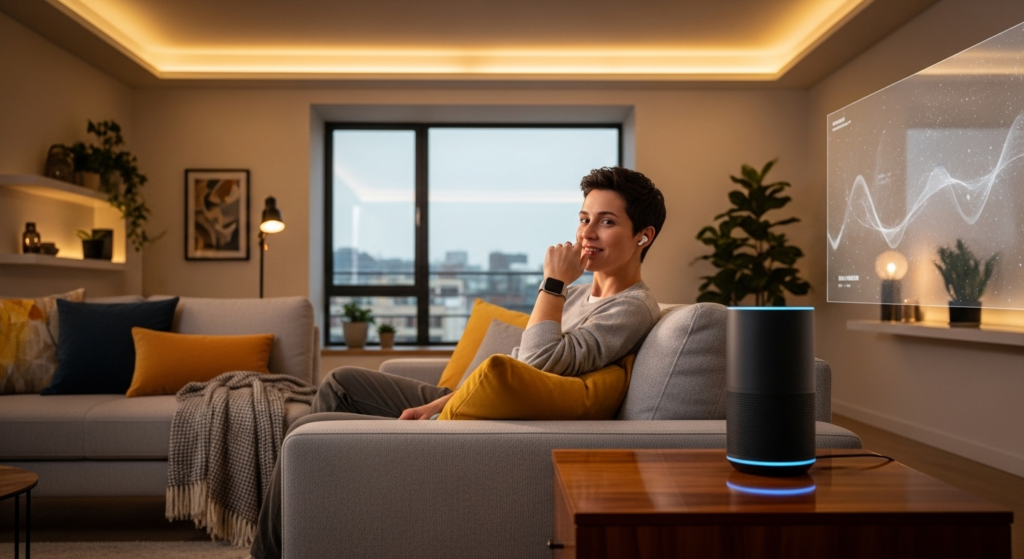
Technology is shifting to be less noticeable and more a part of the daily environment and is becoming integrated in houses, offices, and personal accessories. Users do not hold a phone but instead have an interaction with systems found on speakers, wearable devices, or ambient devices.
Wearables: Coming into the Limelight

Wearable devices such as smart glasses, watches, and other devices are becoming more of a smartphone in that they are able to provide notifications, directions, and a way to communicate with a user right before their eyes or on their wrists. These machines eliminate the use of handheld screens.
Context-Aware Smart System

The AI systems can be more and more aware of the place, habits, and preferences, and provide corresponding information automatically. This eliminates the manual search process, and the interactions are made efficient and personal.
Apps Losing Popularity
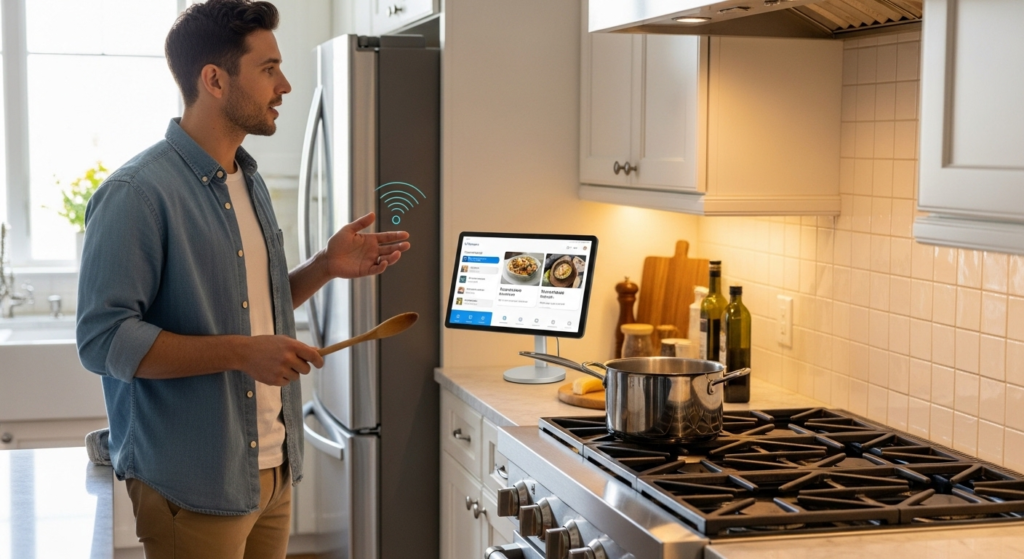
The use of traditional mobile apps is gradually being overtaken by AI-based services that deliver functions in real-time without the users needing to open certain platforms. Users do not have to navigate through apps and, instead, state what they need and get their results instantly.
Fluid Cross Device Experiences

AI allows the creation of a connected ecosystem that allows numerous devices to interact with one another without any problems; therefore, tasks can flow between devices without interruption. This makes it a singular experience as opposed to being focused on a single smartphone.
Privacy and Data issues

With the use of AI increasingly becoming a part of everyday life, issues of information protection and privacy are becoming increasingly more prominent, demanding stricter measures and open processes. The users are increasingly conscious of the manner of collection and usage of their information.
Industries: Fast-Changing Technology

Companies in various industries are embracing AI as a way of enhancing customer experiences, simplifying business processes, and coming up with new products that do not necessarily require smartphones as the main interface. Such a change is intensifying innovation and competition.
Future of Phones without Tradition

The very notion of having a smartphone as a primary personal device might become a relic soon when AI-based tools will take over the primary functions it performs in more efficient manners. Next is a more humanized and less invasive association with technology that is responsive and responsive to human needs instead of one that requires constant attention.
