
The manner in which individuals seek information has been gradually evolving in the last few years. It seemed natural and almost automatic to type short phrases into a search bar and scroll through the links. Today, digital communication is becoming more common. Many people are no longer searching for the answers on several pages, but they start to pose certain questions and get intelligent responses. It is too soon to tell precisely what the future of 2026 will be like, yet there are indications that AI companions will have a much larger role in the process of information discovery. That change may not occur in a single day, but it already seems that much closer.
Conversations feel more natural than keywords

Search engines work on a keyword basis, which at times requires one to rephrase questions several times. With AI assistants, individuals can talk or type the way they do in a chat with another person. Such a conversational flow might be less mechanical and more natural; thus, information-seeking does not seem like a requirement but rather a conversation.
Personalized context may improve over time
Most queries are handled in a similar manner by search engines. AI assistants, in their turn, may recall preferences, previously asked questions, and patterns. In the long run, this situation might influence responses more personally, but it will probably rely on privacy preferences and user selections.
Complex questions get clearer explanations

Search results may be overwhelming when the subjects are stacked or piled. AI assistants can have complex concepts divided into smaller and clearer pieces. Such a method would simplify technical or complicated topics without the need to use advanced research knowledge.
Follow-up questions happen instantly

In the case of search engines, it is impossible to refine a query without beginning all over again. Follow-up questions can be made in the same conversation with the AI assistants. This constant movement may render the process of exploration less rigid, particularly in cases where intrigue takes one on unanticipated paths.
Voice interaction is becoming common

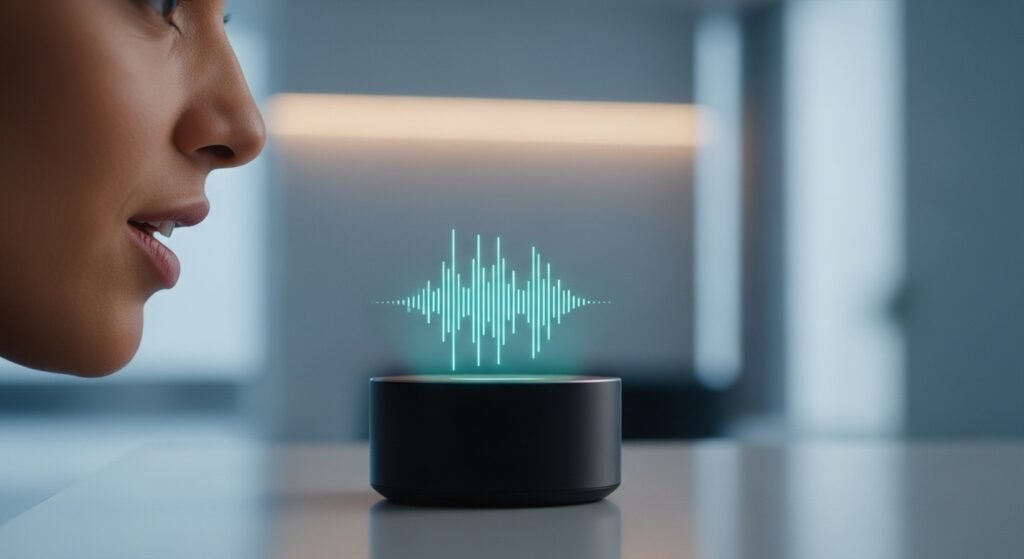
Voice commands are becoming widely used by more individuals using phones, as well as speakers and cars. AI assistants can integrate into voice technology. With the emergence of speaking to devices, the old-fashioned text-based search may gradually start playing second fiddle.
Task completion goes beyond information

In the search engines, links are predominantly given. In some cases, AI assistants may compose emails, prepare schedules, invent outlines, or even calculate some numbers on the same screen. This increased feature could blur the distinction between searching and doing.
Learning styles may influence preference

Other individuals study more by talking than by reading. AI assistants can facilitate that style by changing explanations. Although this type of format is not liked by everybody, it might change to be more attractive to some users in the long run.
Reduced information overload could feel refreshing

The search engine is sometimes so full of advertisements, headlines, and rival links. AI assistants appear more presentable. Whereas verification can be significant, the less complex version may be less daunting.
Workplace efficiency might drive adoption

In the work environment, time tends to be more crucial than custom. In case AI assistants can be used to complete research and work more quickly, they can be promoted in workplaces. That fuel efficiency may increase their efficiency in everyday life.
Search engines may evolve rather than disappear

It is also possible that instead of replacing search engines completely, AI assistants will redefine them. New fusions in the two technologies could emerge. The future of information search is not yet in view, but in 2026, people might have a different look at the process of information search, though some of the familiar tools may still be in the background.
