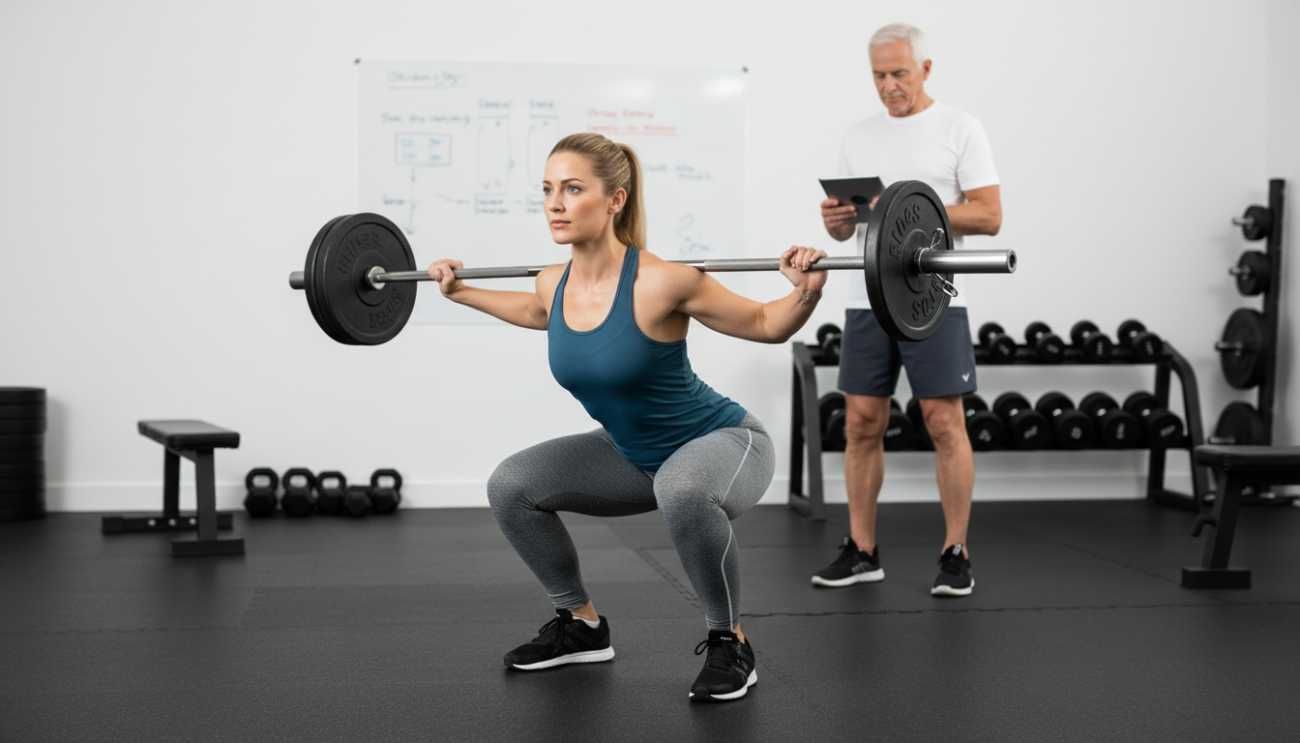
Squats are used as an easy indicator of lower body strength, body balance, and body control. Squat capacity is one of the proxies used by fitness researchers to determine daily movement ability. The change of performance requirements occurs with age, as a result of muscle mass, joint defense, and recovery rate. Clearly defined benchmarks assist the adult in testing the available capacity and can help set attainable training targets in the areas of health, independent living and long-term mobility.
Ages 20 to 29
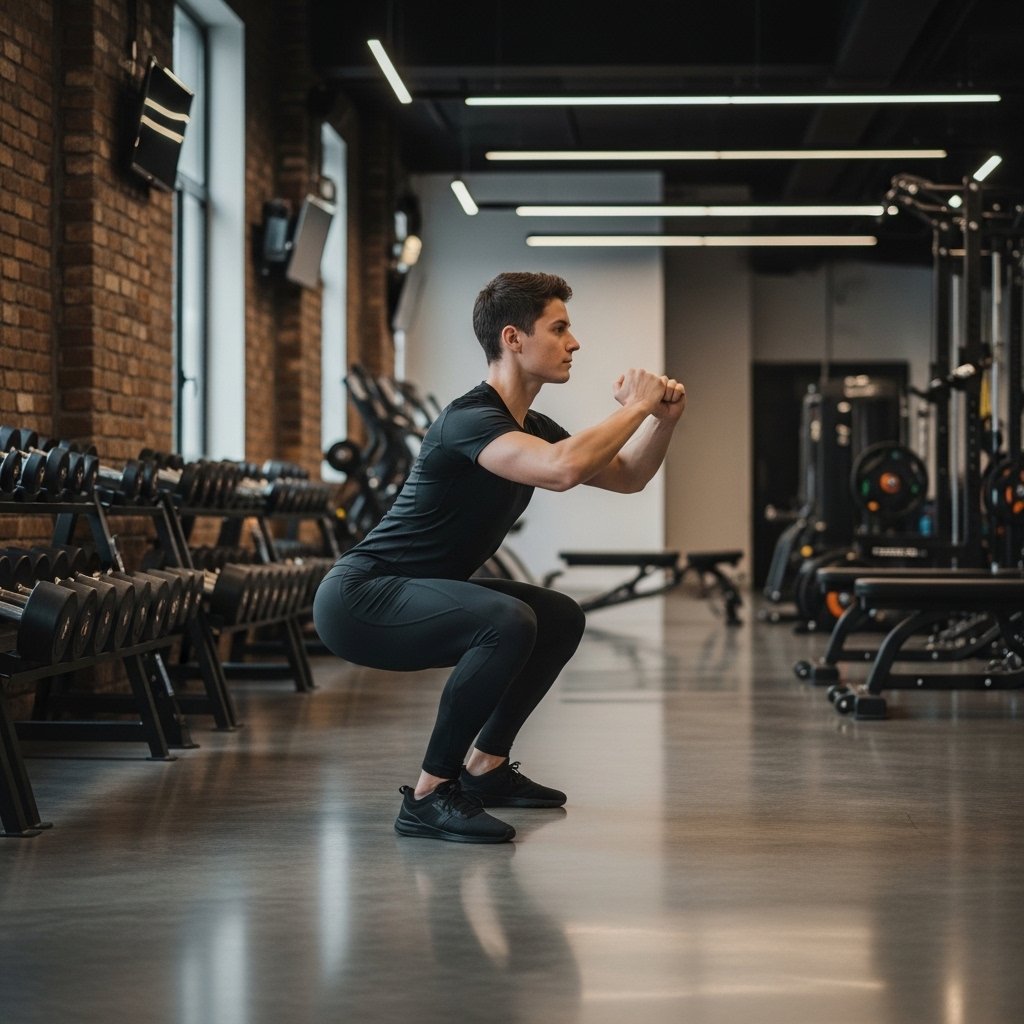
Twenty-somethings are adults who demonstrate optimal muscle strength and coordination. Strength testing lab research claims above-average healthy adults could easily sustain 40 to 50 bodyweight squats with no form loss. This range indicates a good neuromuscular regulation and good recovery after repetitions.
Ages 30 to 39
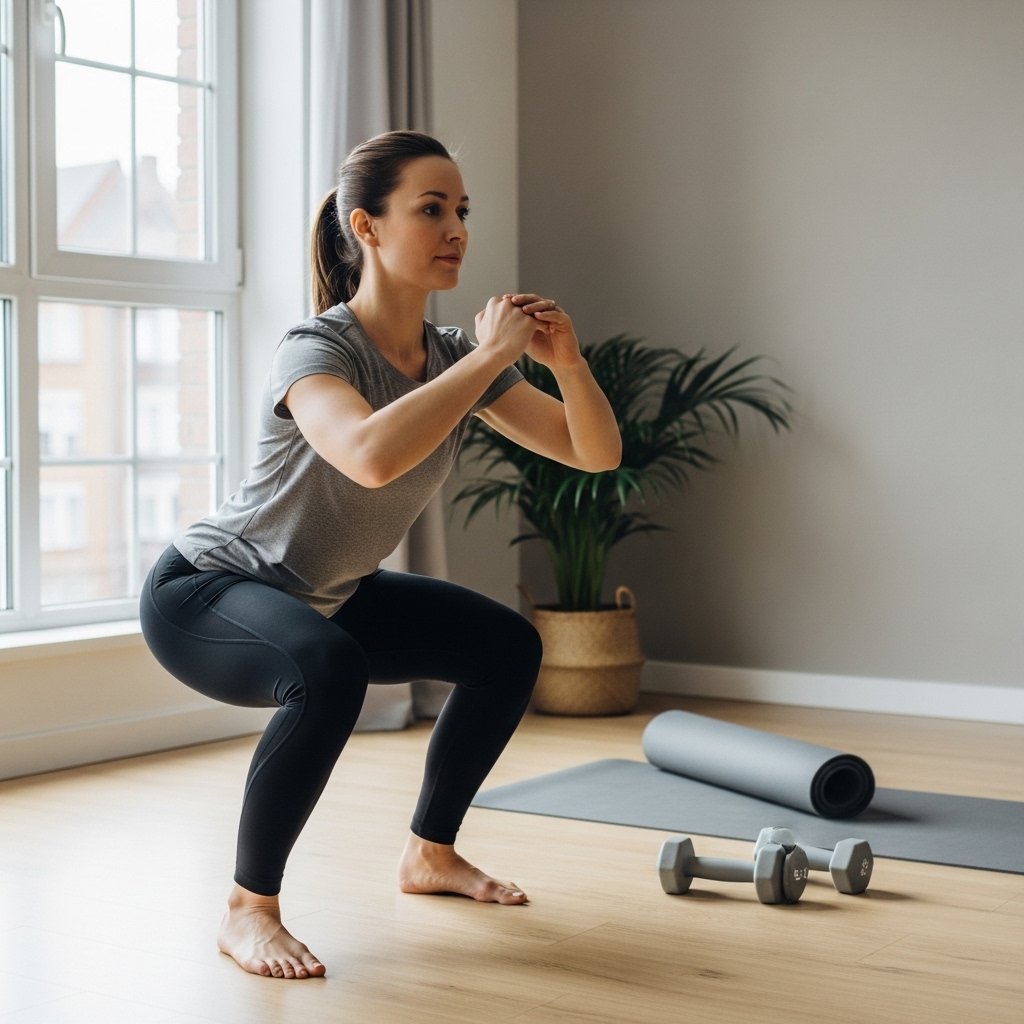
Without frequent resistance training, the muscle mass decreases slowly with age in the thirties. The observational fitness studies propose that 35 to 45 controlled squats depict good lower body workouts. Regular training frequency counteracts age associated deterioration and promotes stability in knees and hips.
Ages 40 to 49
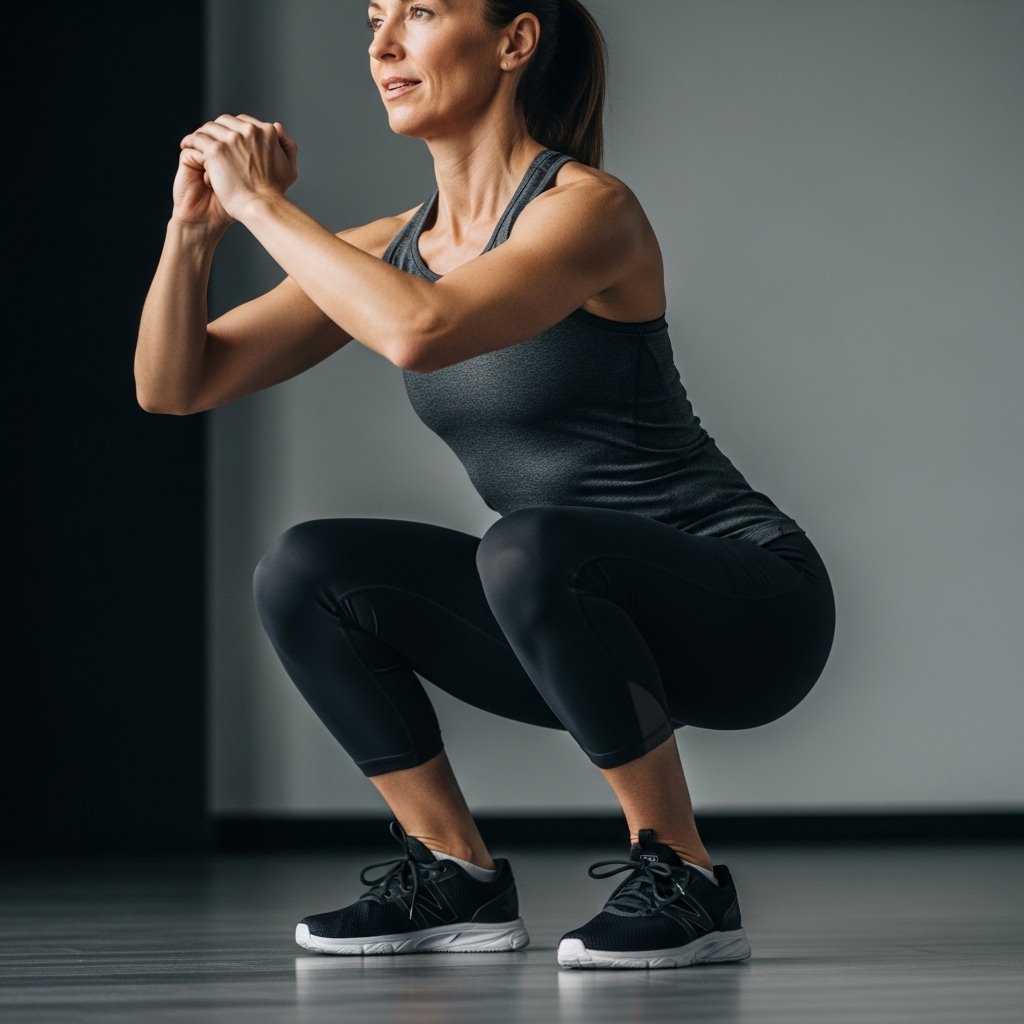
Forties are the adults who have lower tolerance and slower recovery to the joints. The data available on clinical exercise is associated with 30 to 40 correct squats of preserved functional strength. Stress is placed on quality of form, managing breathing and free and regular tempo as opposed to speed or volume.
Ages 50 to 59

Community health programs reveal that one of the practical targets of strength assessment in this decade is 25-35 squats. Stress to muscle fibers is slower to respond and therefore depth and alignment is more significant than the number of repetitions. Stair climbing and chair rise are facilitated by regular practice.
Ages 60 to 69
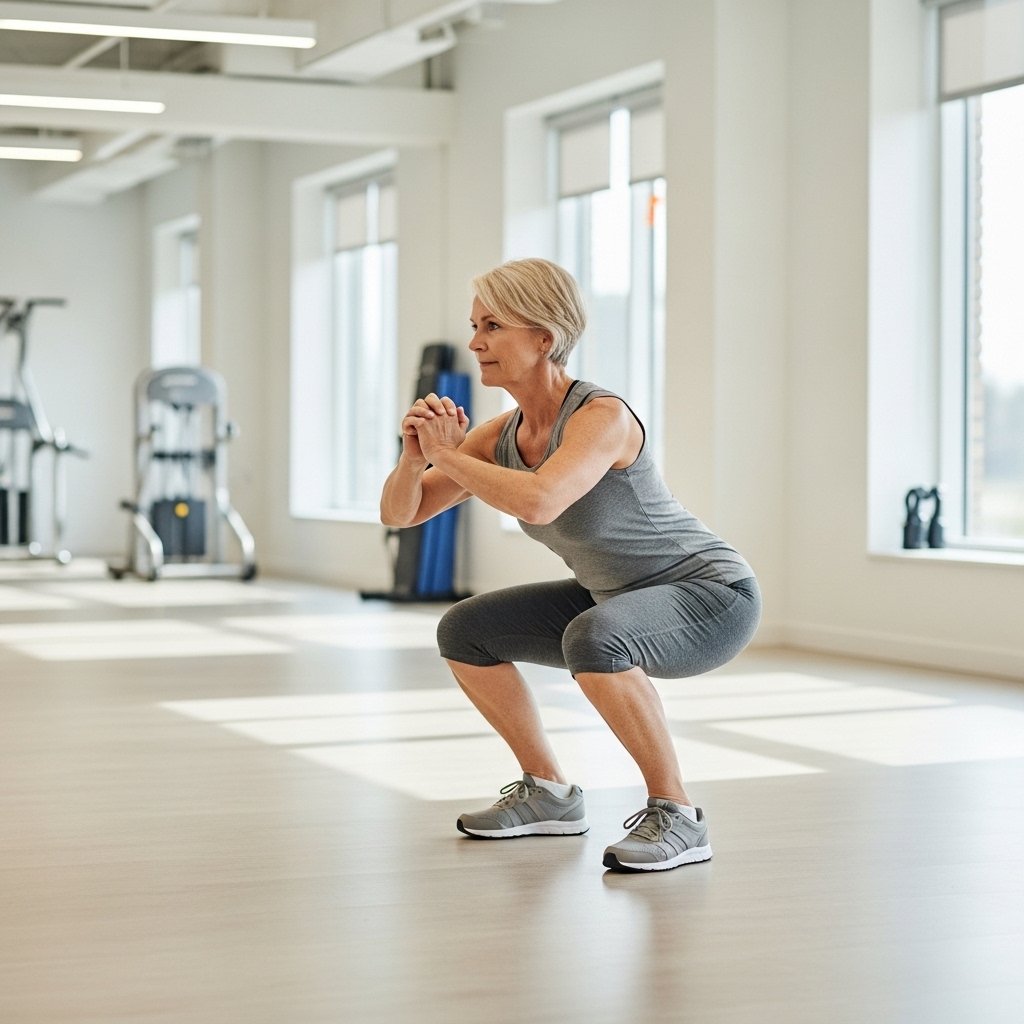
In the sixties, balance and joint comfort shape squat performance. Geriatric fitness research associates 20 to 30 squats with preserved independence. Use of bodyweight only, stable footwear, and rest pauses improves consistency and reduces unnecessary joint strain.
Ages 70 to 79
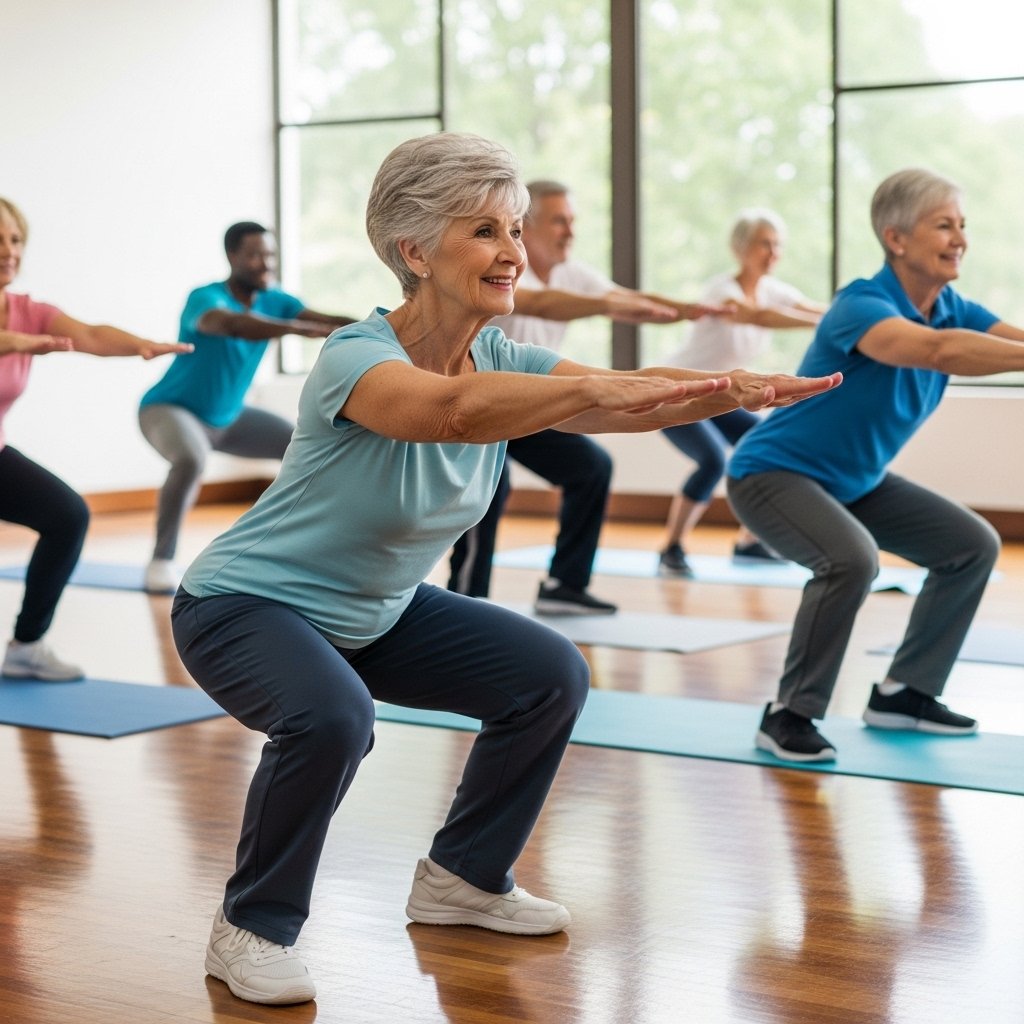
Older adults in this range often focus on movement confidence and fall prevention. Functional screening programs report 15 to 25 squats as a strong indicator of lower body endurance. Shallow depth squats still deliver benefits for circulation and muscle activation.
Ages 80 and Above

In adults older than eighty years, the squat capacity is quite diverse and depends on the level of activity throughout life. The 10-20 assisted or partial squats are frequently mentioned as significant physical therapy standards. With the help of a chair or rail, the safety is ensured and the leg strength is retained.
Form Standards Matter More With Age

Biomechanics studies reveal that squat bottom and position have more load on the joints than the frequency of repetitions. Knees tracking above toes, neutral position of the spine and controlled descent are stress diminishing. Form correctness maintains long term movement capacity in all ages.
Rest and Recovery Between Sets
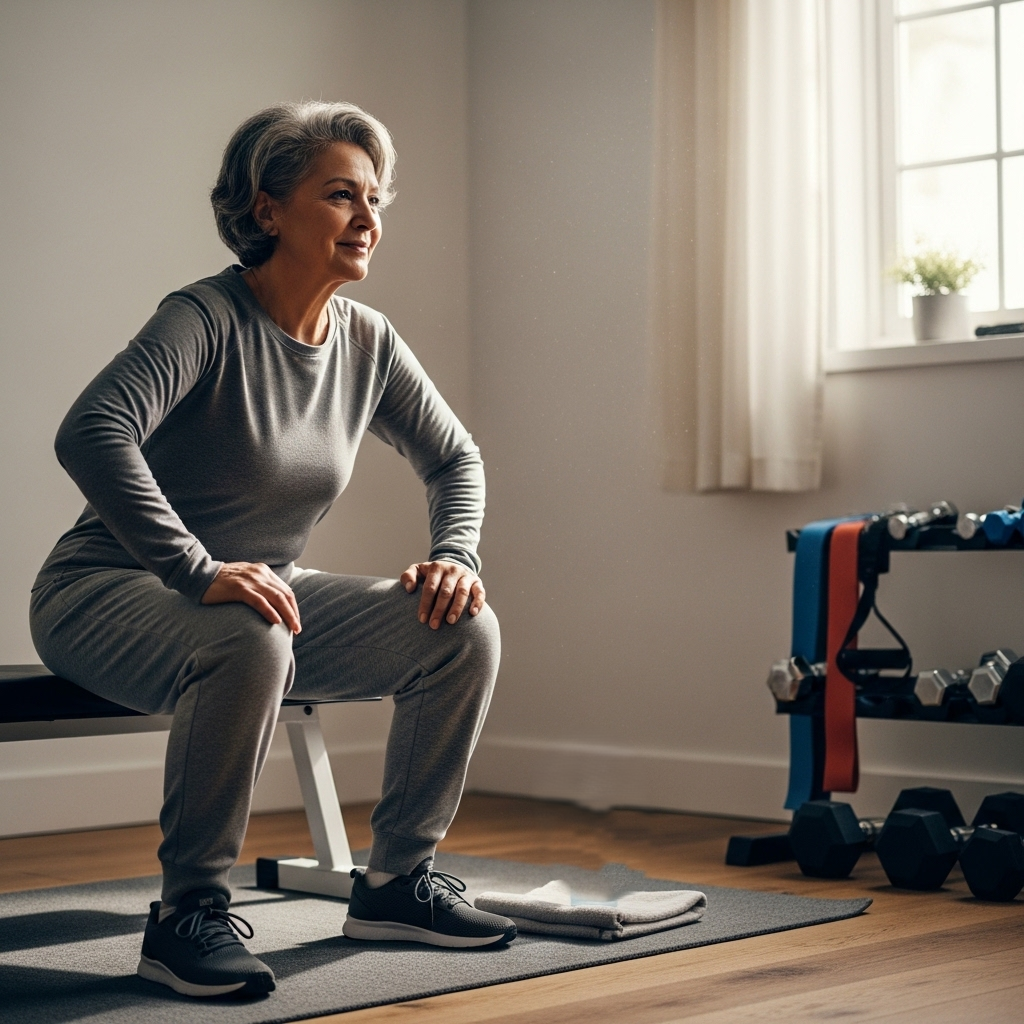
Recovery time increases with age due to slower protein synthesis. Exercise physiology studies support longer rest intervals for older adults. Spacing sets across the day or alternating training days sustains performance while supporting muscle repair.
Using Squats as a Health Indicator
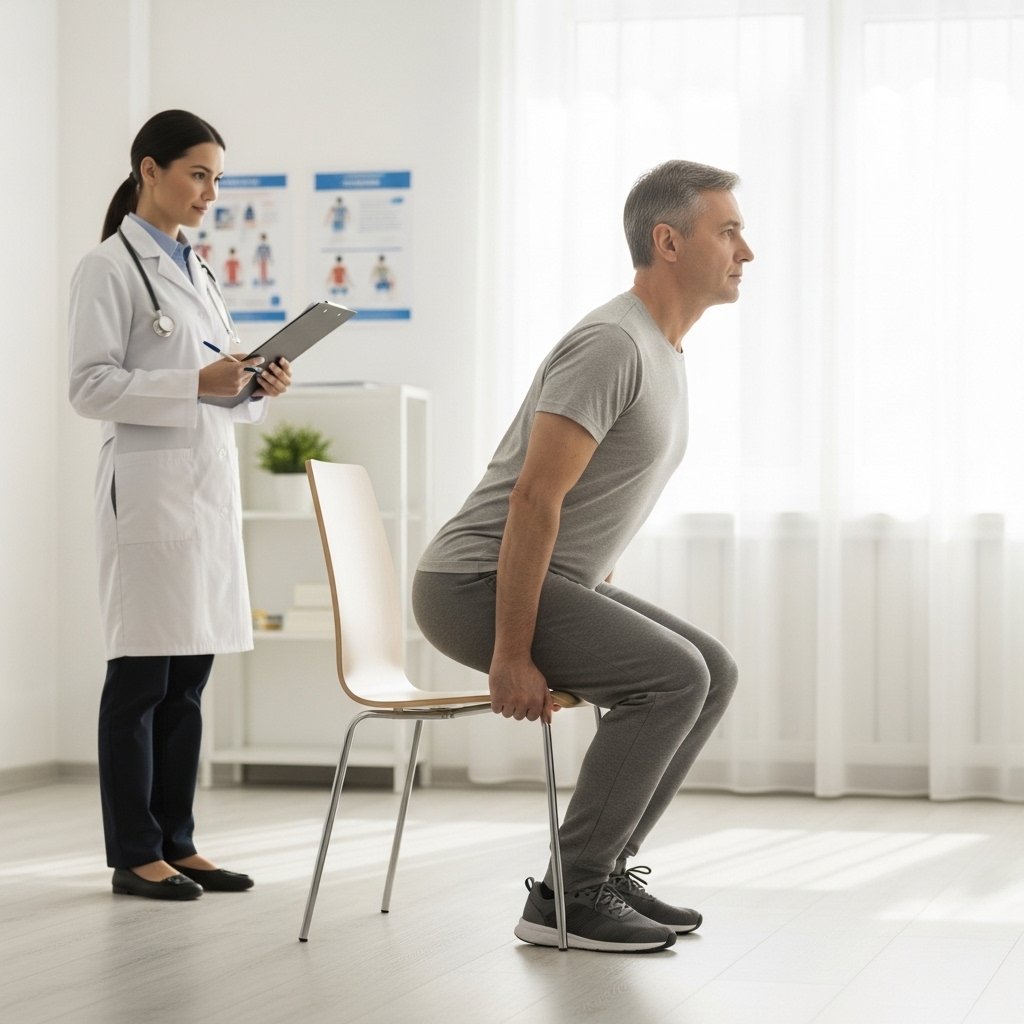
Public health screenings often include sit to stand tests similar to squats. Higher repetition capacity correlates with stronger cardiovascular markers and daily task performance. Tracking squat ability over time offers a simple method to monitor physical aging trends.
