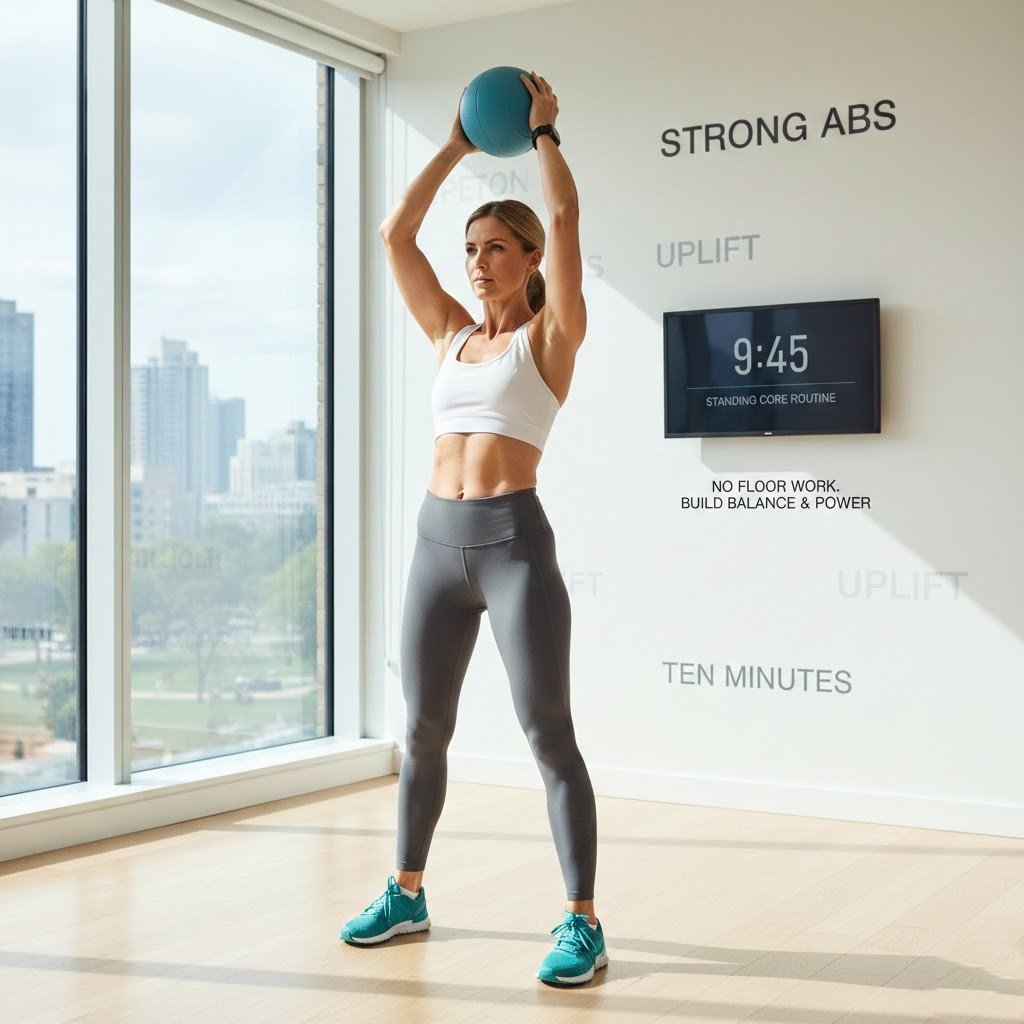
Traditional ab routines rely on sit ups and crunches performed on the floor. These movements place repeated load on the neck and lower spine. A standing approach shifts core training into an upright position where posture and balance matter. Exercise science links upright movement patterns with deeper abdominal activation. A short standing routine supports core strength, coordination, and time efficiency within a ten minute window.
Why Standing Core Training Delivers Results
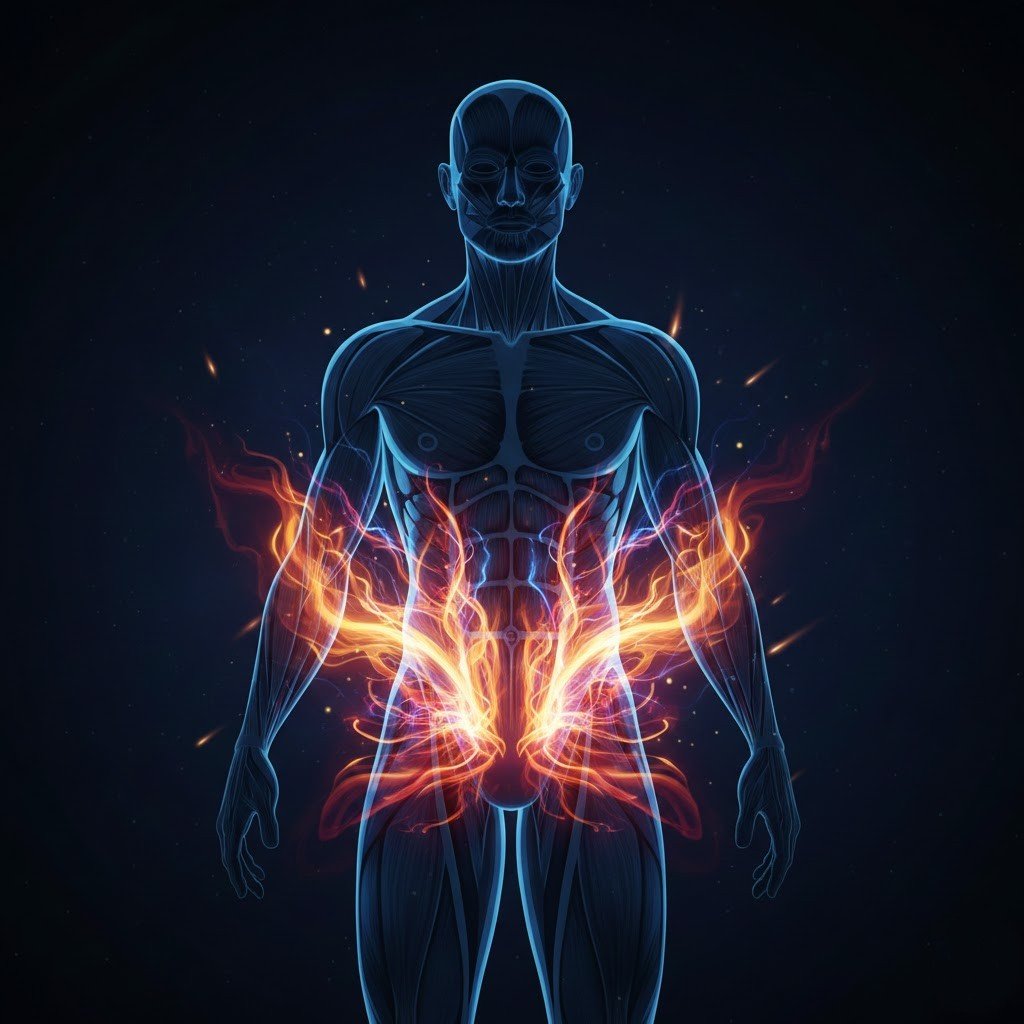
Balance and postural control is required in standing core exercises. The abdominal muscles act in conjunction with the hips and lower back to put the body in balance. Electromyography research demonstrates that when an individual becomes upright, the stabilizing muscles engage more than in the flexion exercises, when the body is on the floor.
Move One Standing Knee Drives
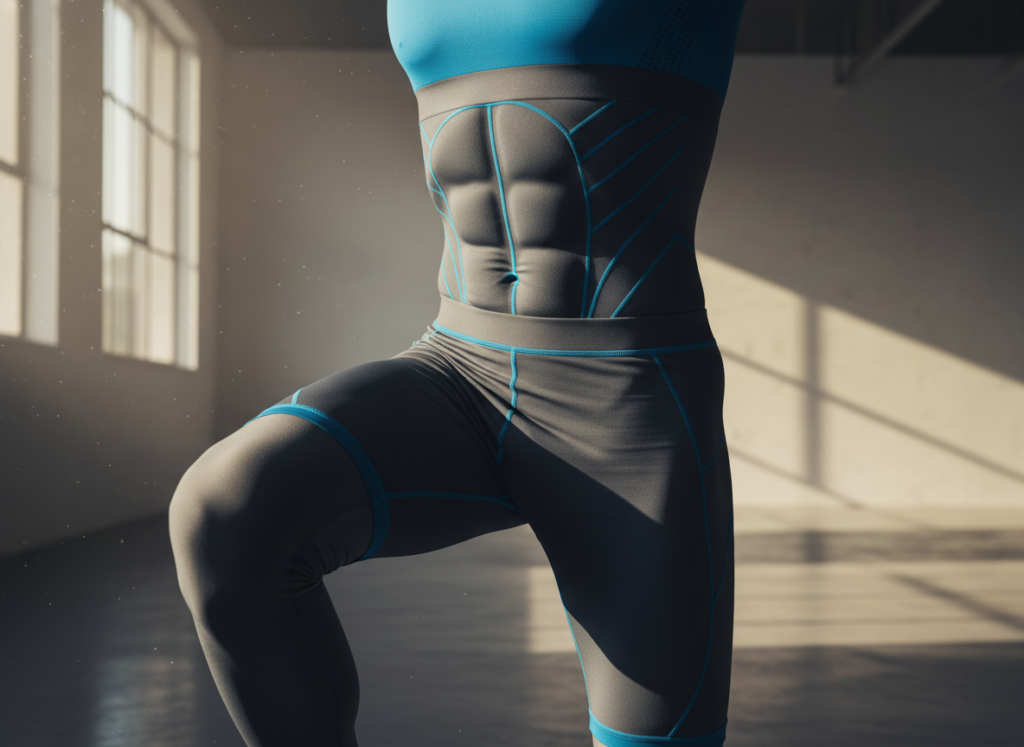
Standing knee drives focus on lower abdominal engagement and hip stability. The movement mirrors walking mechanics, which supports functional strength. Controlled repetitions improve muscular endurance across the core without compressing the spine or loading the neck.
Move Two Standing Oblique Twists

Standing twists train the oblique muscles responsible for rotation and trunk stability. Rotational strength supports daily actions such as turning and lifting. Movement analysis links controlled torso rotation with improved waist muscle activation.
Move Three Standing Side Bends

Side bends build lateral core strength, which supports spinal alignment. Weak lateral muscles often affect posture and balance. Conditioning data associates side bending strength with improved control during upright movement tasks.
Move Four Standing Cross Body Punches

Cross body punches combine rotation with upper body movement. This pattern improves coordination between the abs, shoulders, and hips. Athletic training studies link diagonal movements with faster core response during dynamic tasks.
How to Structure the 10 Minute Session

Each exercise runs for 40 seconds followed by 20 seconds of rest. The four movements repeat twice to complete ten minutes. Heart rate tracking shows moderate intensity with sustained core engagement.
Who Gains the Most From Standing Core Work

Office workers benefit from posture focused training. Adults managing back or neck sensitivity gain a safer option. Beginners value simple movement patterns. Busy schedules benefit from short sessions with full core involvement and no floor contact.
