
A quiet social experiment can reveal more about human nature than hours of discussion. When ordinary people are placed in simple, unfamiliar situations, their reactions often uncover hidden assumptions, empathy, and biases. These moments don’t just highlight differences they show how much we all have in common beneath the surface. By observing how strangers respond to kindness, discomfort, or curiosity, we begin to question our own perceptions. This experiment isn’t about judging anyone; it’s about understanding how quickly we form opinions and how easily they can change when given a chance to connect in meaningful ways.
First Impressions Form Quickly
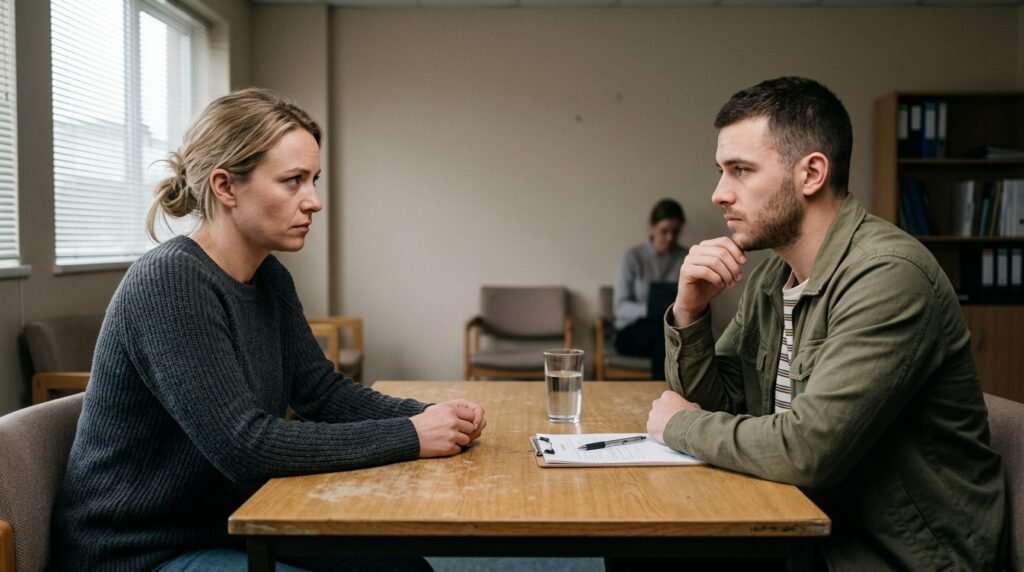
Participants often made judgments within seconds of meeting someone. Clothing, posture, and tone shaped their opinions instantly. Yet, many later admitted those early impressions were incomplete or entirely inaccurate.
Small Kindness Creates Big Impact
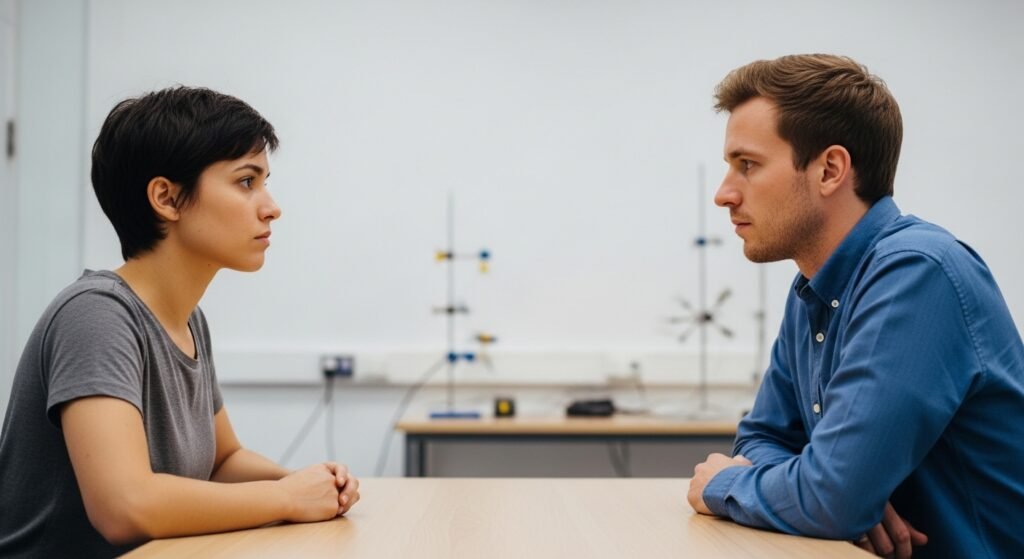
Simple gestures, like offering help or a smile, shifted the entire tone of interactions. People who began guarded quickly became open, proving that kindness can break barriers without effort.
Assumptions Often Miss the Truth

When asked to guess someone’s background, many participants were wrong. This highlighted how easily assumptions replace understanding when we don’t take time to truly listen.
Listening Changes Everything

When participants paused to listen instead of respond, conversations deepened. They discovered shared experiences that were invisible at first glance, creating unexpected connections between strangers.
Discomfort Reveals Growth

Being placed in unfamiliar situations made people uneasy at first. However, that discomfort often led to reflection, helping participants recognize their own habits and reactions more clearly.
Empathy Develops Through Exposure

Hearing personal stories changed perspectives quickly. Participants who initially felt distant became more compassionate once they understood the experiences behind each individual.
Body Language Speaks Loudly

Even without words, posture and expressions influenced interactions. Open gestures encouraged trust, while closed-off behavior created distance, showing how nonverbal cues shape communication.
Shared Experiences Build Trust
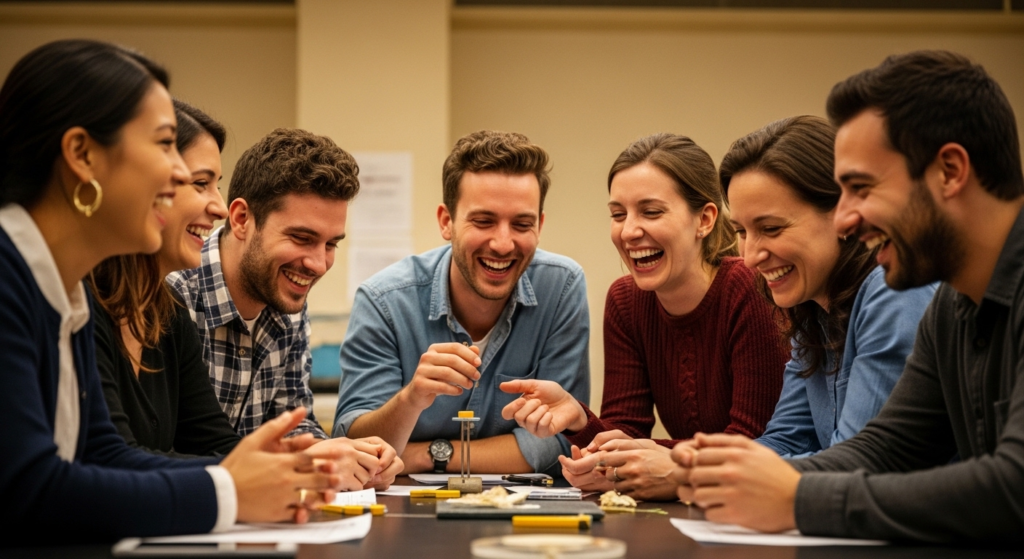
When participants found common ground whether a hobby or life challenge—they relaxed. This sense of familiarity helped strangers connect faster and more genuinely.
Silence Can Be Powerful

Moments of silence were not always uncomfortable. In many cases, they allowed participants to reflect and respond more thoughtfully, improving the quality of conversations.
Judgments Can Change Quickly

After spending just a few minutes together, many participants revised their initial opinions. This showed how flexible perceptions can be when people remain open-minded.
Perspective Shift Through Connection

By the end of the experiment, participants viewed others differently. What once seemed unfamiliar became relatable, reminding them that everyone carries unseen stories worth understanding.
