
A quiet social experiment conducted in a busy public setting set out to observe how ordinary people respond to everyday situations. Without grand setups or dramatic twists, it focused on small, relatable moments someone dropping belongings, a stranger asking for help, or a person appearing lost. What unfolded was a revealing look into human behavior, showing how empathy, hesitation, and awareness shape our responses. The experiment did not aim to judge but to understand. The results highlight how subtle choices reflect deeper values, offering insight into the balance between self-interest and compassion in modern life.
Immediate Reactions Matter Most
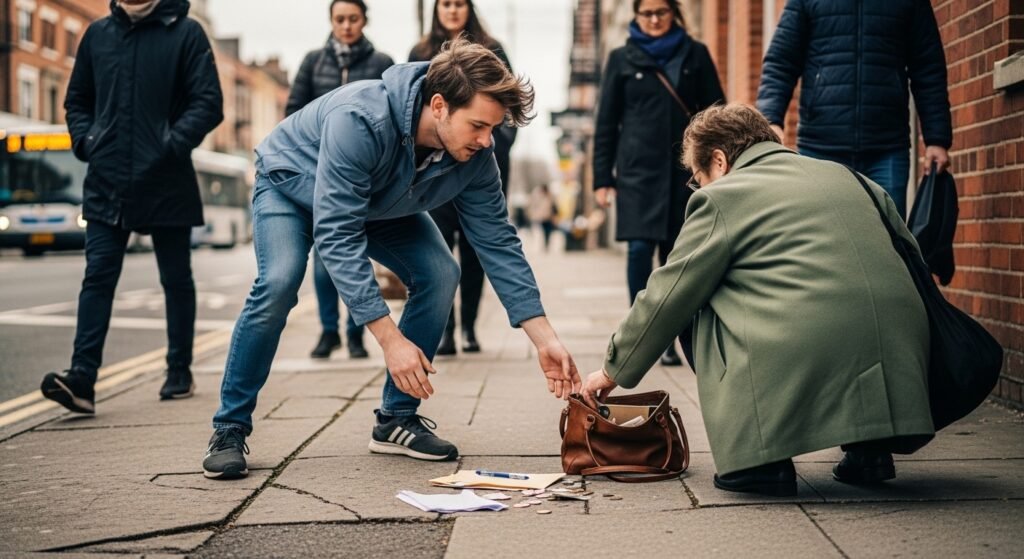
The first few seconds often determined whether someone stepped forward or walked away. Quick decisions reflected instinct rather than overthinking, showing how deeply ingrained habits influence everyday kindness without conscious analysis or external pressure.
Crowd Size Influences Responsibility

When more people were present, individuals were less likely to act. Many seemed to assume someone else would help, illustrating how shared environments can reduce personal responsibility even in simple, low-risk situations.
Eye Contact Encourages Action

Participants who made direct eye contact with someone in need were more likely to assist. That brief human connection appeared to break hesitation and create a sense of personal involvement, prompting quicker and more genuine responses.
Familiar Situations Increase Helpfulness
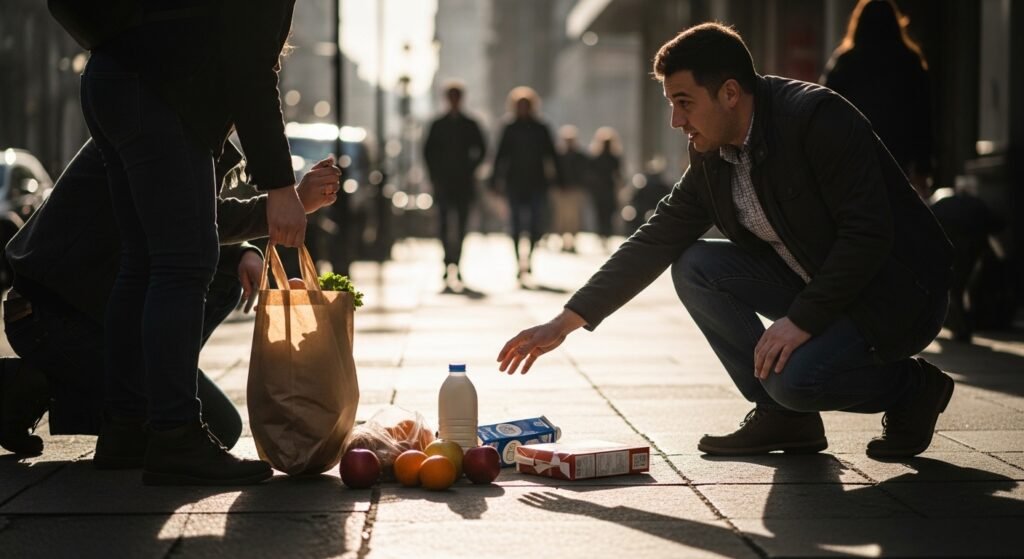
People were more willing to assist when the situation felt relatable. Simple scenarios like picking up dropped items received quicker responses, while less familiar circumstances led to hesitation, suggesting comfort plays a role in decision-making.
Time Pressure Reduces Awareness

Those who appeared busy or in a hurry often overlooked situations requiring attention. The experiment highlighted how daily routines and perceived urgency can limit awareness, even when opportunities to help are directly in front of us.
Age Differences Show Varied Responses
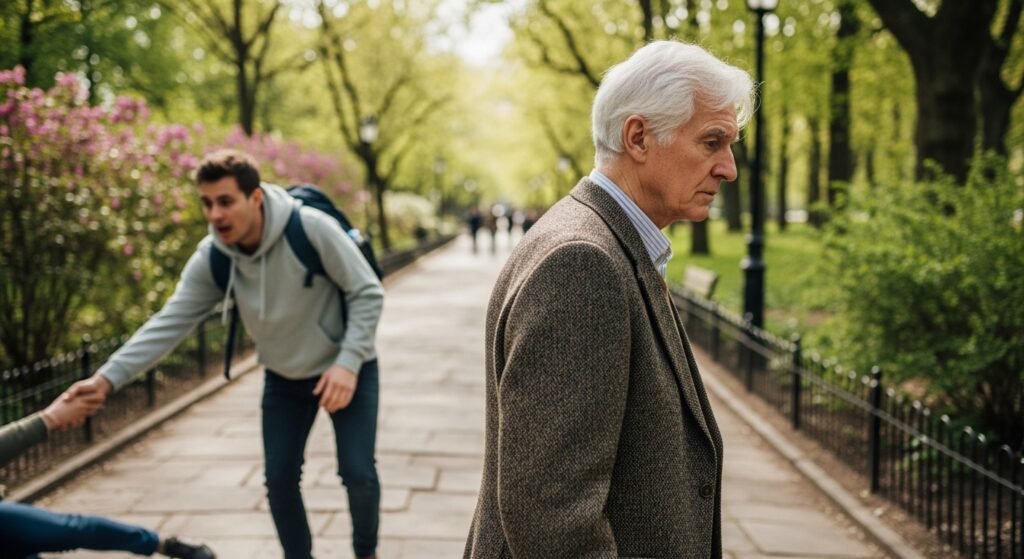
Older participants tended to pause and assess before acting, while younger individuals reacted more quickly but sometimes inconsistently. These differences revealed how experience and perspective shape how people respond to everyday interactions.
Body Language Sends Strong Signals

Clear non-verbal cues, such as visible confusion or distress, increased the likelihood of receiving help. Subtle or unclear signals often went unnoticed, showing the importance of communication beyond words in public spaces.
One Person’s Action Inspires Others

When one individual stepped forward, others often followed. This ripple effect demonstrated how a single act of kindness can influence group behavior, encouraging collective support in situations where hesitation initially prevailed.
Distractions Limit Engagement
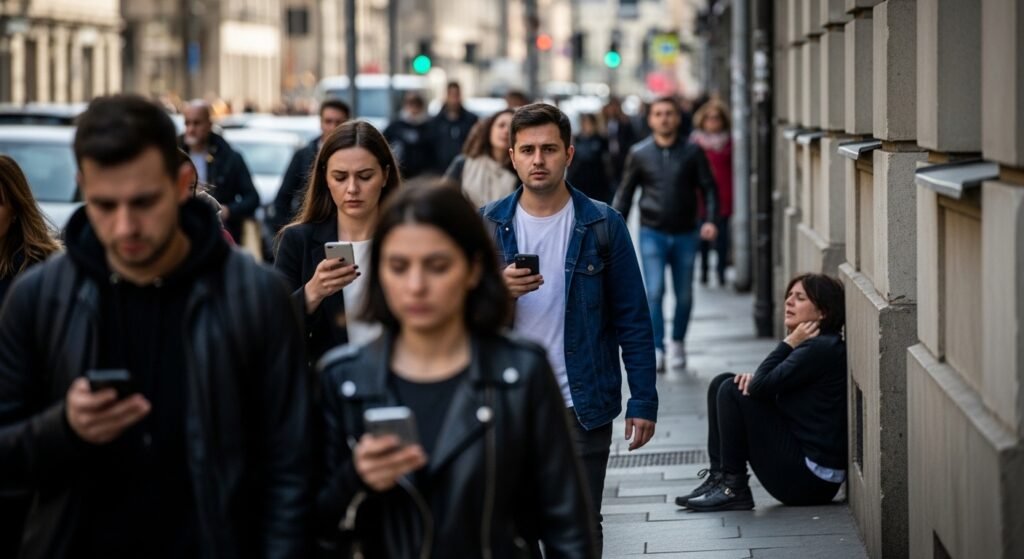
People using phones or focused on devices were less likely to notice surrounding situations. The experiment revealed how modern distractions reduce situational awareness, affecting the ability to respond to real-world interactions.
Simple Requests Are More Effective

Direct and clear requests for help received better responses than indirect signals. When people understood exactly what was needed, they were more confident in stepping forward, reducing uncertainty and hesitation.
