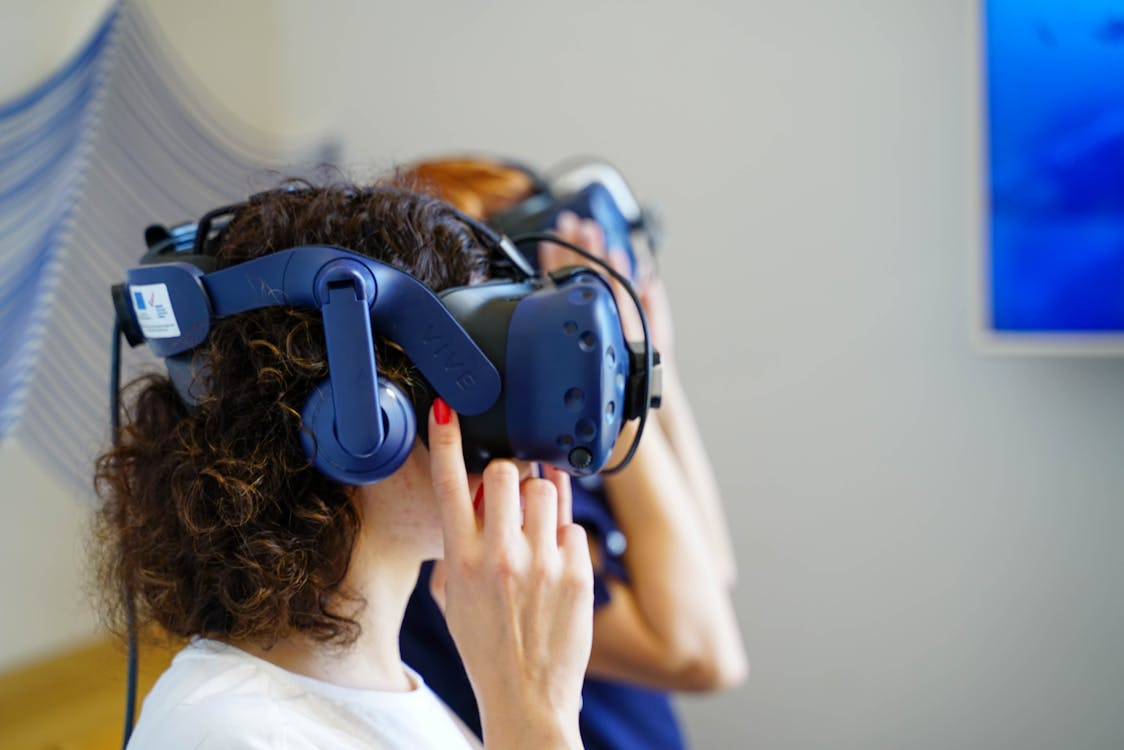
Technology is evolving rapidly, and some innovations can actually trick your senses. Meaning, some innovations create experiences that seem almost unreal, blending perception and illusion in fascinating ways. The innovative technological solutions demonstrate to users how their sensory perceptions can be easily altered through visible effects and sound manipulation. The following are a few tech-driven innovations that can change the way we perceive reality.
Virtual Reality Headsets
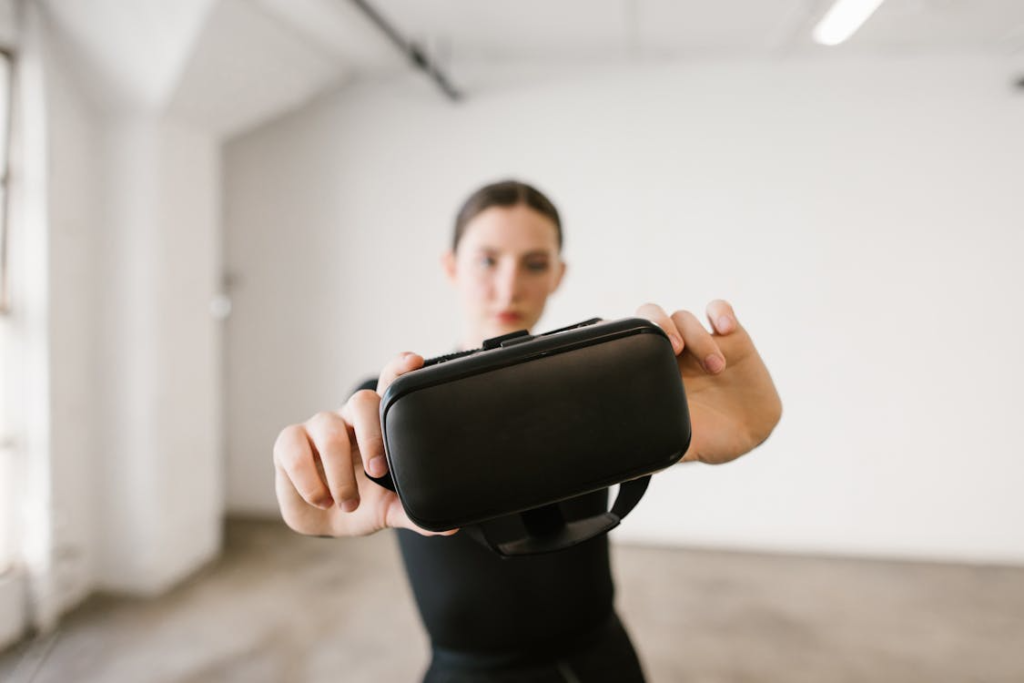
Virtual reality headset devices create fully immersive environments that can make users feel present in a completely different place. The system uses visual elements together with motion tracking to create virtual environments that users can perceive as actual spaces that they can explore.
Haptic Feedback Technology
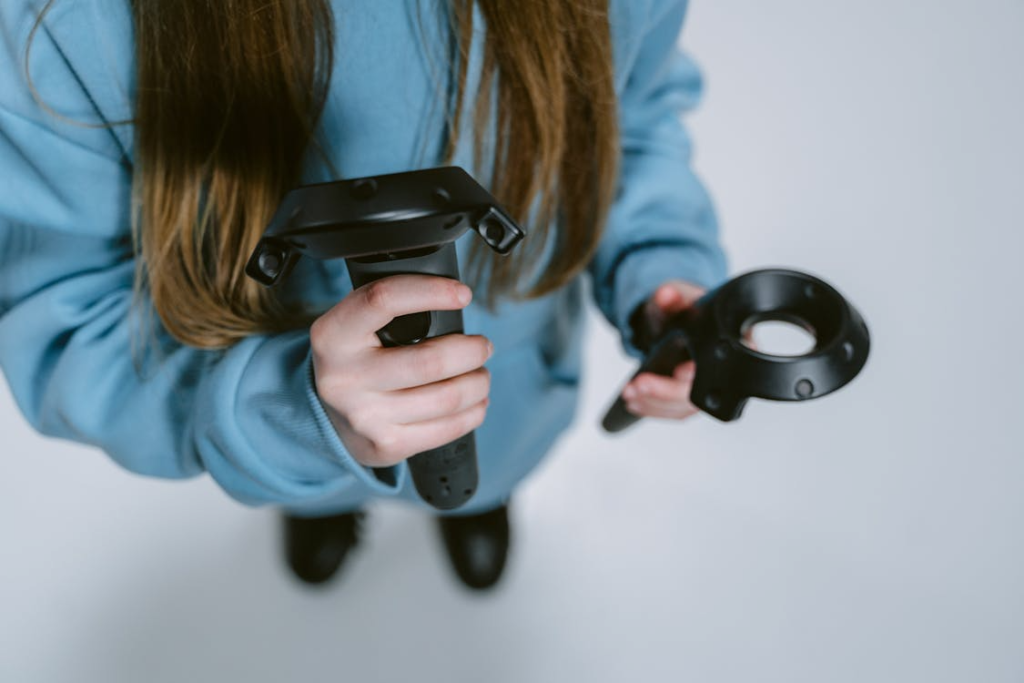
Haptic technology creates touch sensations through its use of vibration and motion. The technology exists in gaming controllers and smartphones to provide users with an additional physical interaction experience, which boosts their digital immersion through small yet significant enhancements.
Motion Simulation Platforms
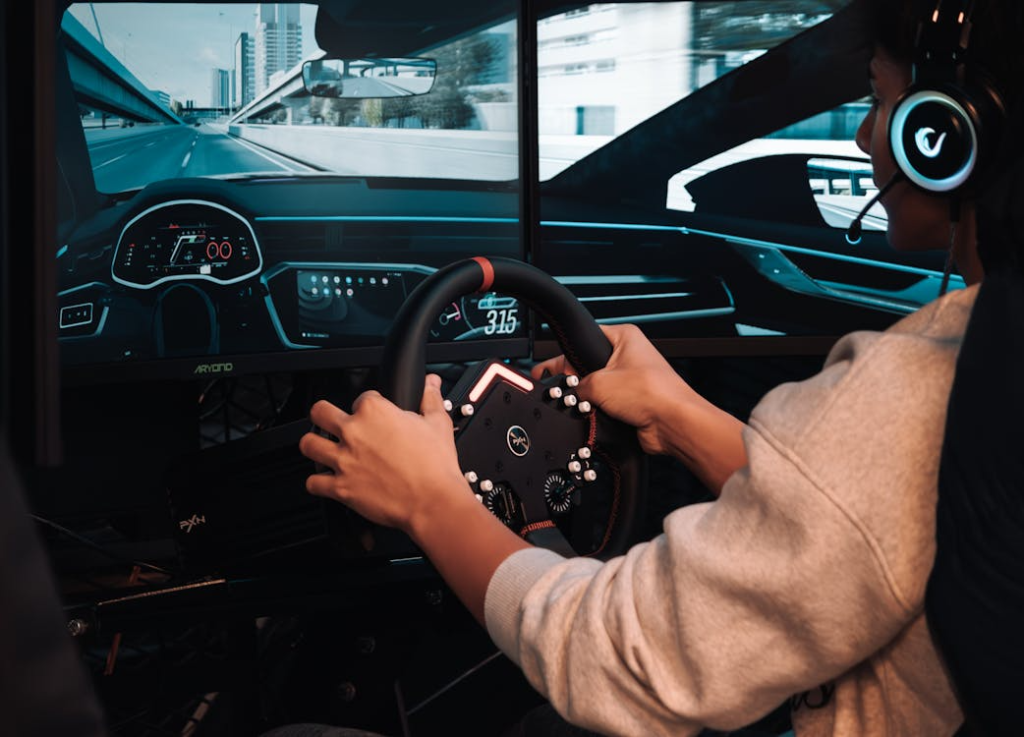
Motion simulators are often used in gaming and training environments to mimic movement. The system combines physical movement with visual elements to produce a simulation that enables users to experience actual travel.
Optical Illusion Displays
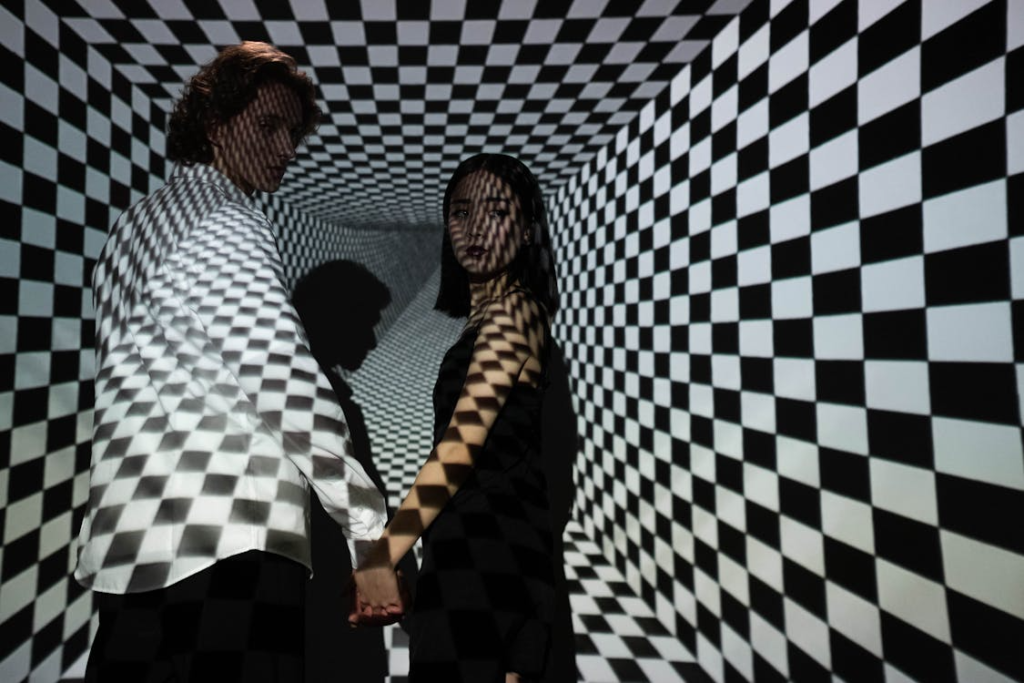
Optical illusion displays use patterns, light, and contrast to trick the eyes. The setups generate different visual effects which include movement, depth, and distortion while the surface stays completely stationary.
Gesture-Control Interfaces
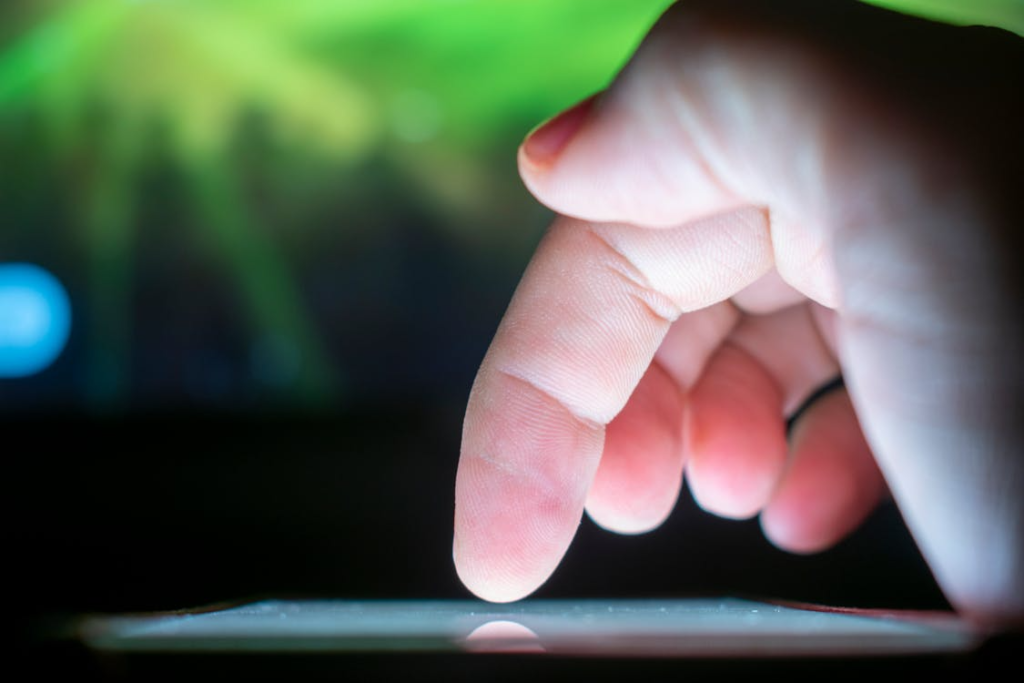
Gesture recognition allows users to control devices through hand movements without needing to touch the devices. It transforms physical movement into operational commands, which provide users with an easy-to-use experience that resembles advanced futuristic technology.
Projection Mapping
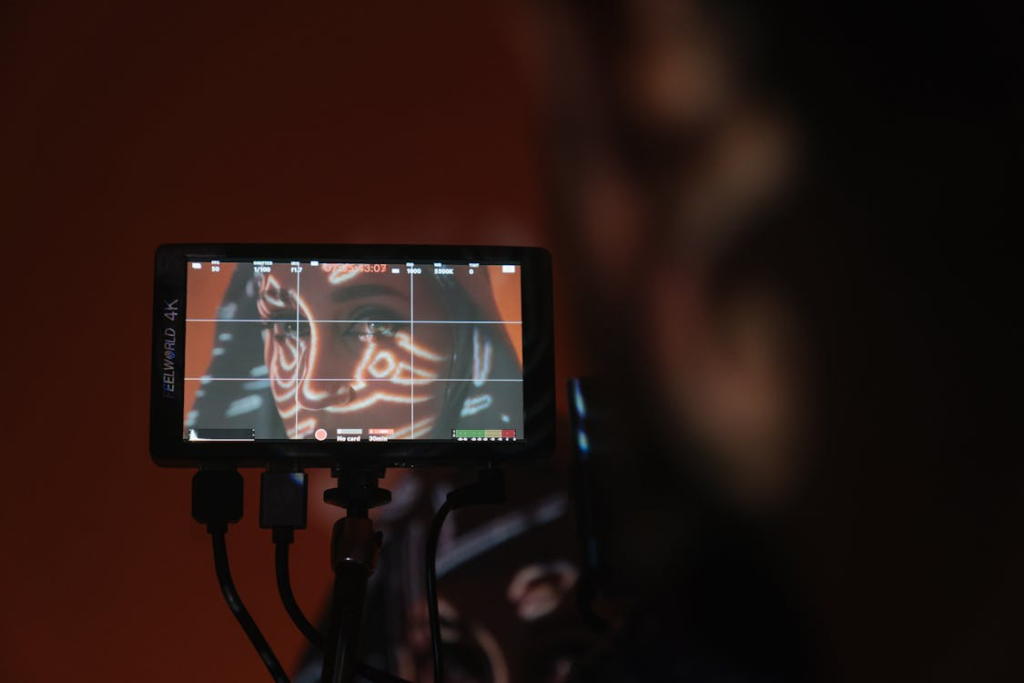
Projection mapping creates moving visual displays that show content across different surfaces. The technology enables buildings and objects to create visual effects that combine real-world elements with digital elements.
Brain-Computer Interfaces
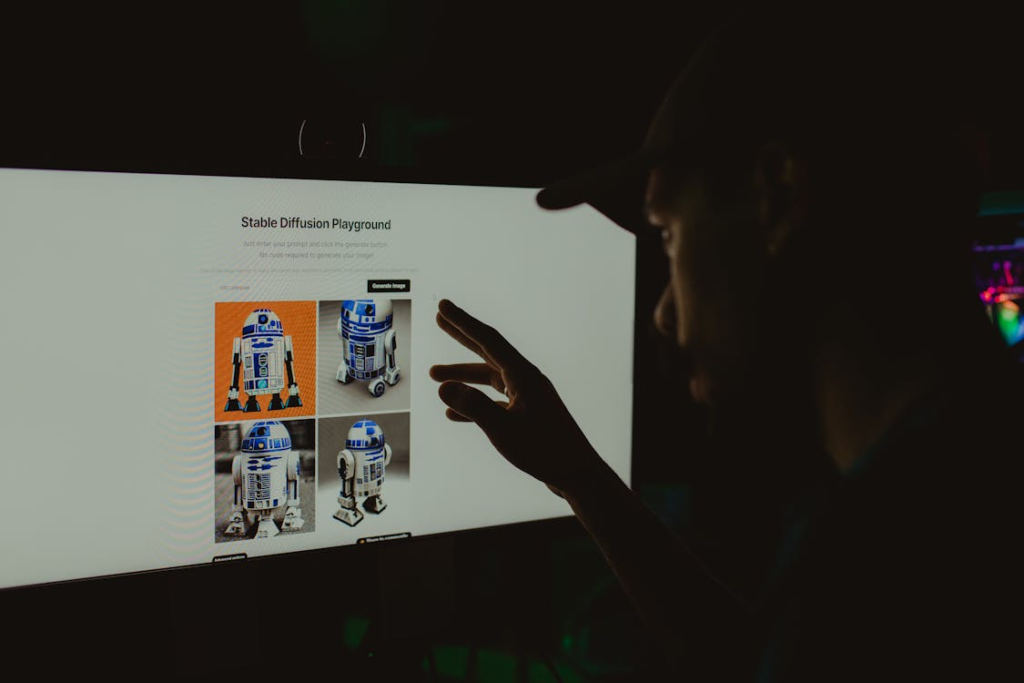
Brain-computer interfaces establish links that interconnect human thought patterns with machine systems. The systems enable users to operate devices by using their brainwaves, which creates an innovative method for human-machine interaction.
Augmented Reality Filters
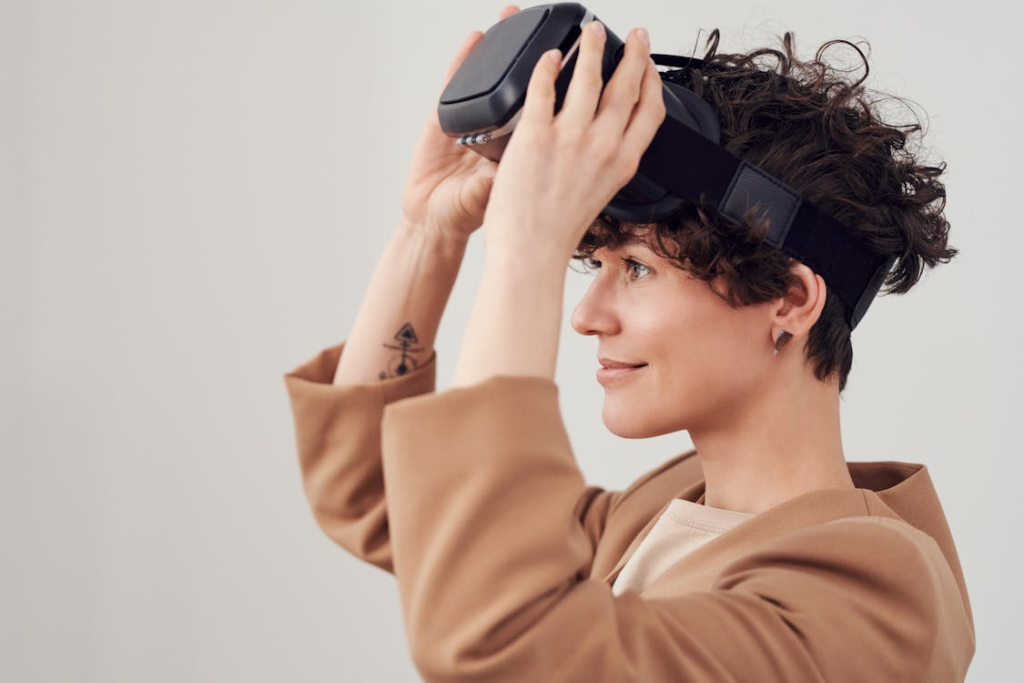
Augmented reality filters create 3D virtual elements that they combine with real-world environments to create interactive experiences. Popular on social platforms, it enables users to transform their facial appearance and surroundings, which results in creating realistic yet entirely artificial visual effects.
Mixed Reality Devices
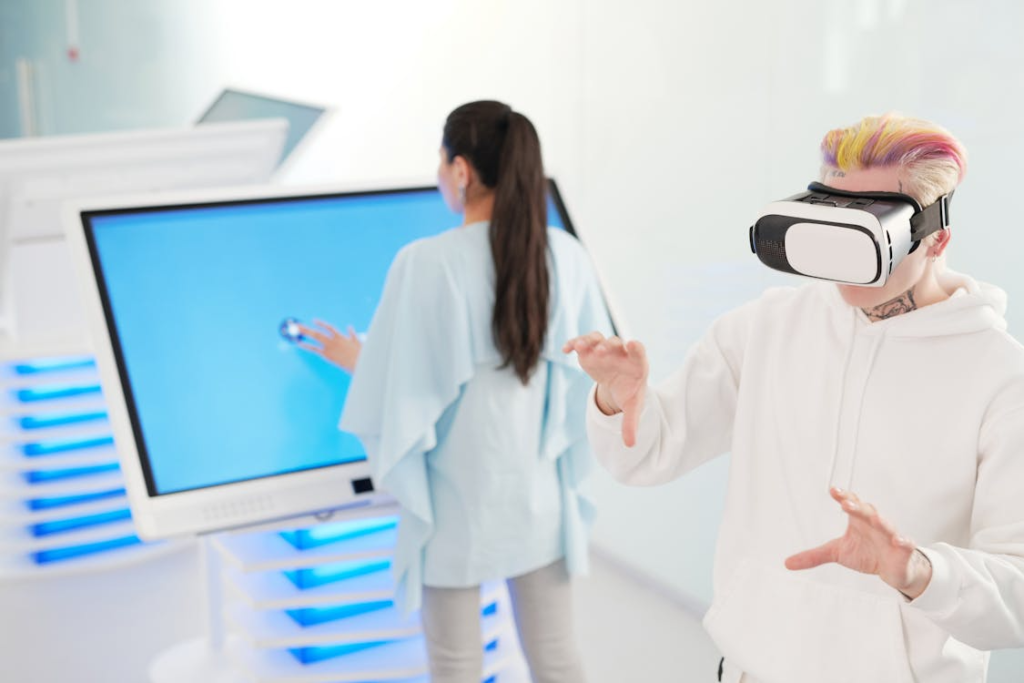
Mixed reality combines elements from both augmented reality and virtual reality. The technology enables digital objects to interact with actual environments, which results in experiences that users can perceive as both real and imaginative.
