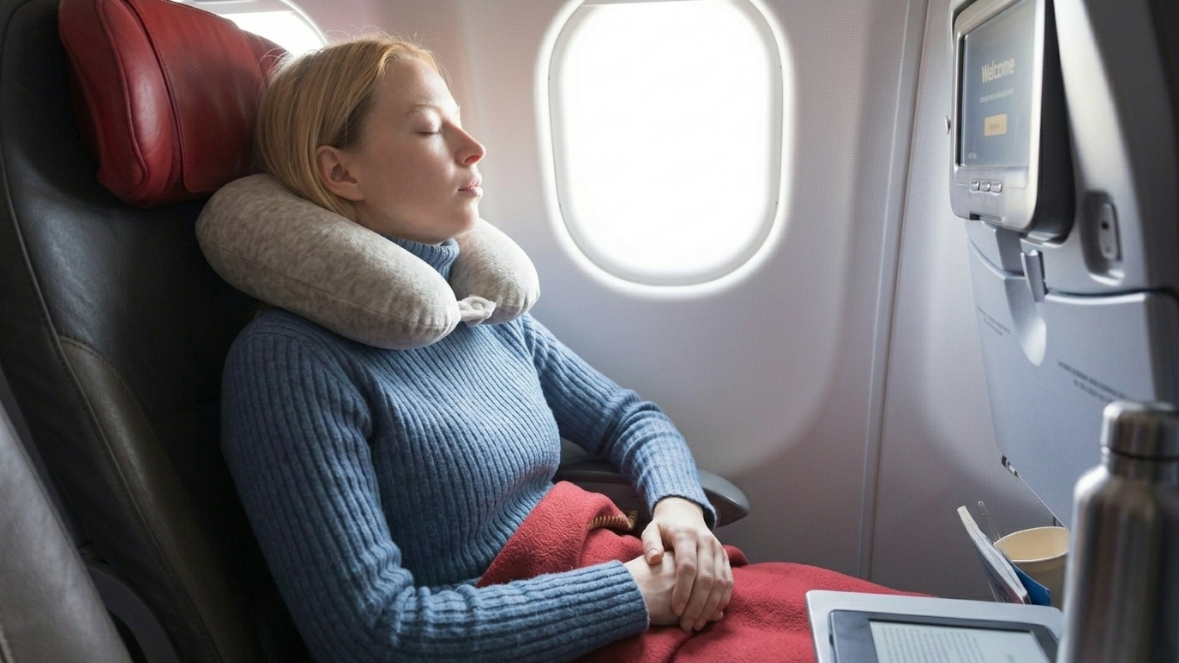
Traveling by plane can make it difficult to sleep due to factors like noise, light, and limited space in the cabin. Crew members and frequent flyers with airlines such as Emirates and Singapore Airlines often adopt helpful habits to make sleeping during flights easier. These are common-sense strategies focused on comfort, timing, and small adjustments that enhance the overall in-air experience, especially during takeoff and landing.
Choose the Right Seat
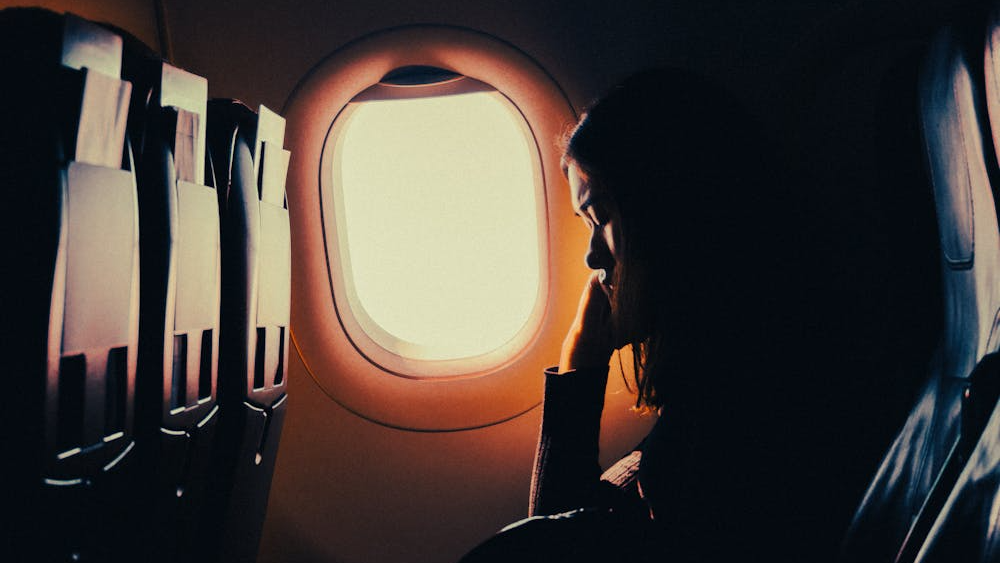
Windows seats are usually a more comfortable place to rest. They provide a place to rest and less distraction than aisle seats. Not moving around the aisle continuously will assist in establishing a more consistent and non-distracting sleeping environment.
Dress for Comfort
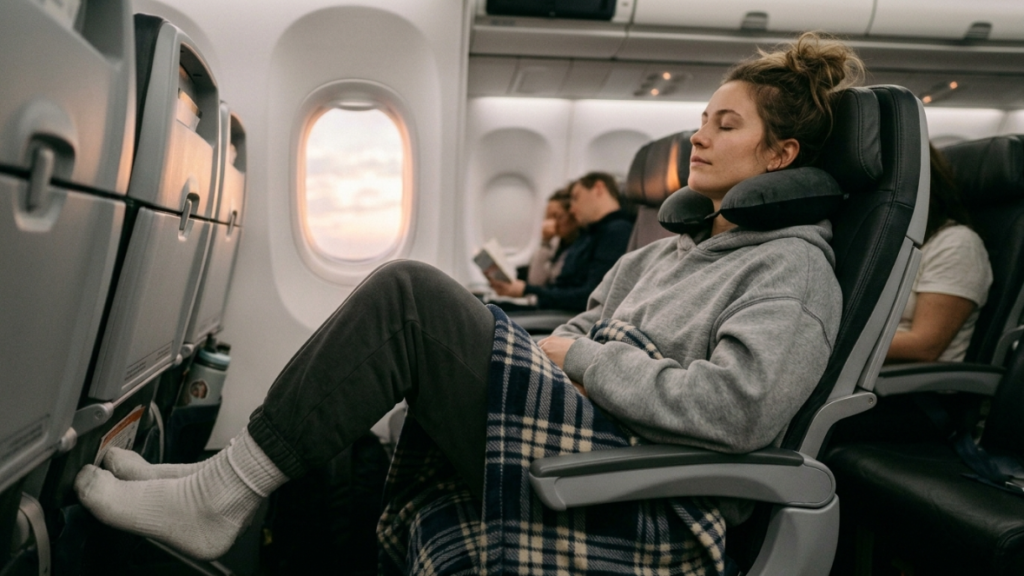
Comfortable clothes with a loose fit are beneficial in letting your body naturalize. It is easier to add an extra layer, such as a light hoodie or scarf, and adjust to the fluctuating cabin temperature, ensuring comfort without having to change it a lot throughout the flight.
Use a Neck Pillow

An inflatable neck pillow prevents your head from falling. It will keep you straight and help take the pressure off your neck and shoulders, making it easier to sleep longer without pain.
Block Out Light and Noise
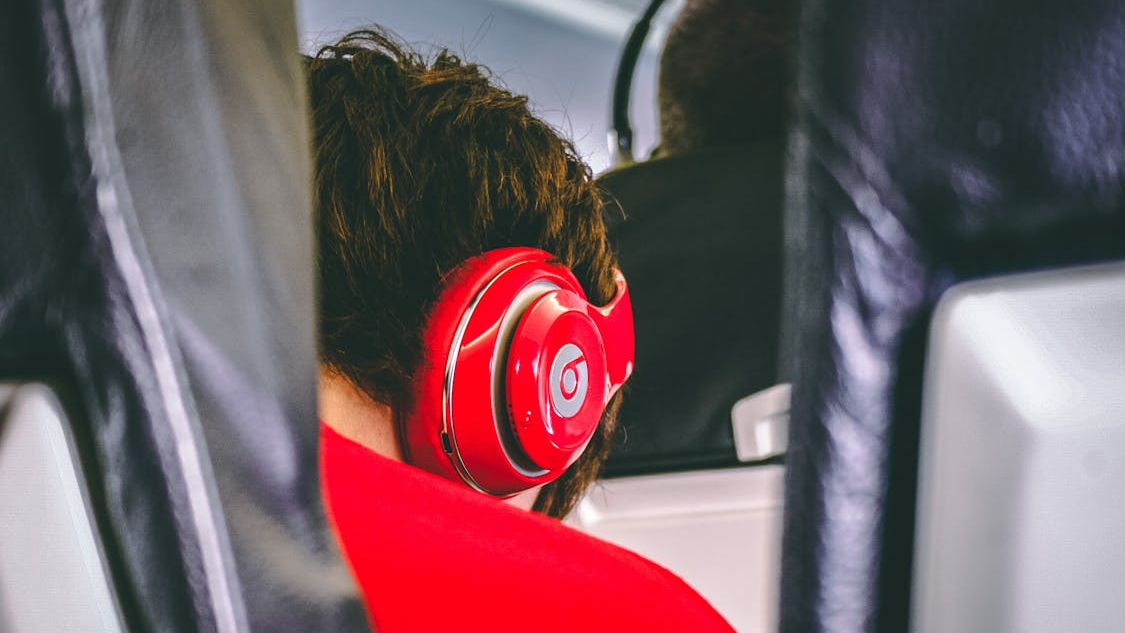
Noise-cancelling headphones and eye masks can help to make the environment darker and quieter. This combination will make your body rest, despite the cabin lights being on or announcements during the journey.
Adjust Your Sleep Timing
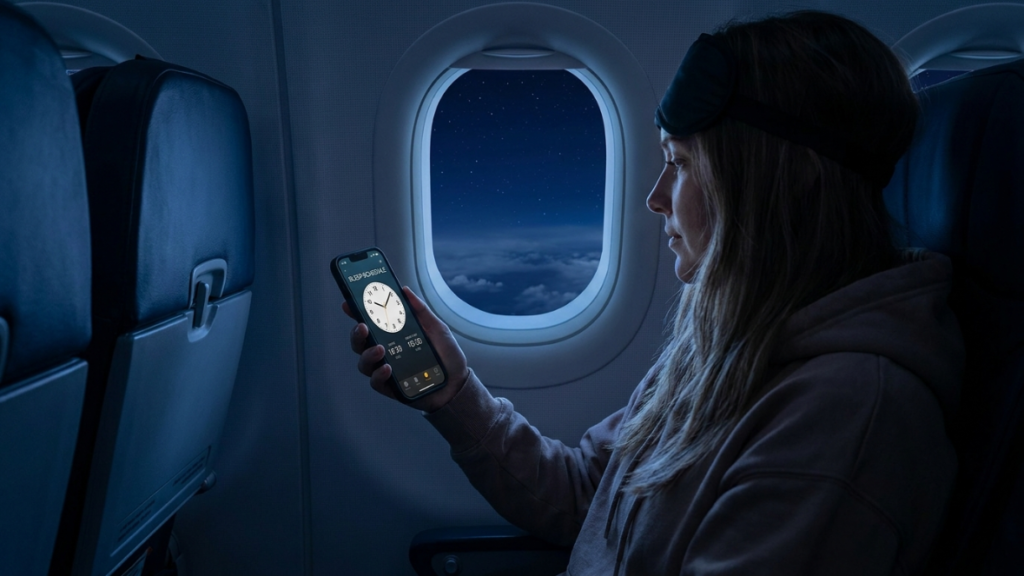
It can be helpful to attempt to align your sleeping schedule with where you are going. Taking a nap at the right time on the flight can ensure that your body adapts to it more easily, and you will feel more relaxed when you land.
Stay Light on Food Before Sleeping
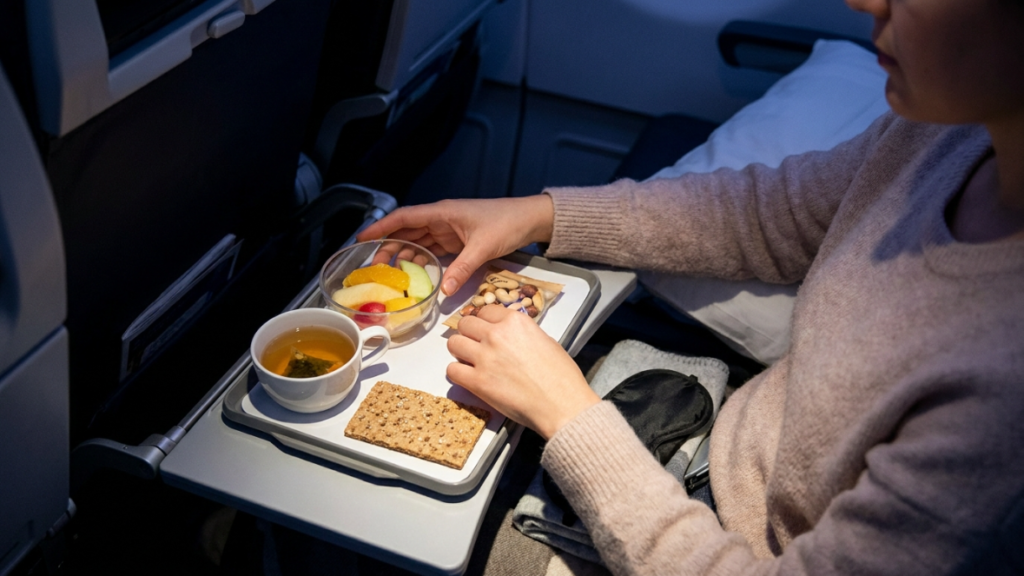
It is preferable to eat light meals before going to sleep to prevent pain. Heavy food may complicate relaxation, and lighter food may enable your body to relax more easily into restful sleep.
Stay Hydrated Throughout the Flight
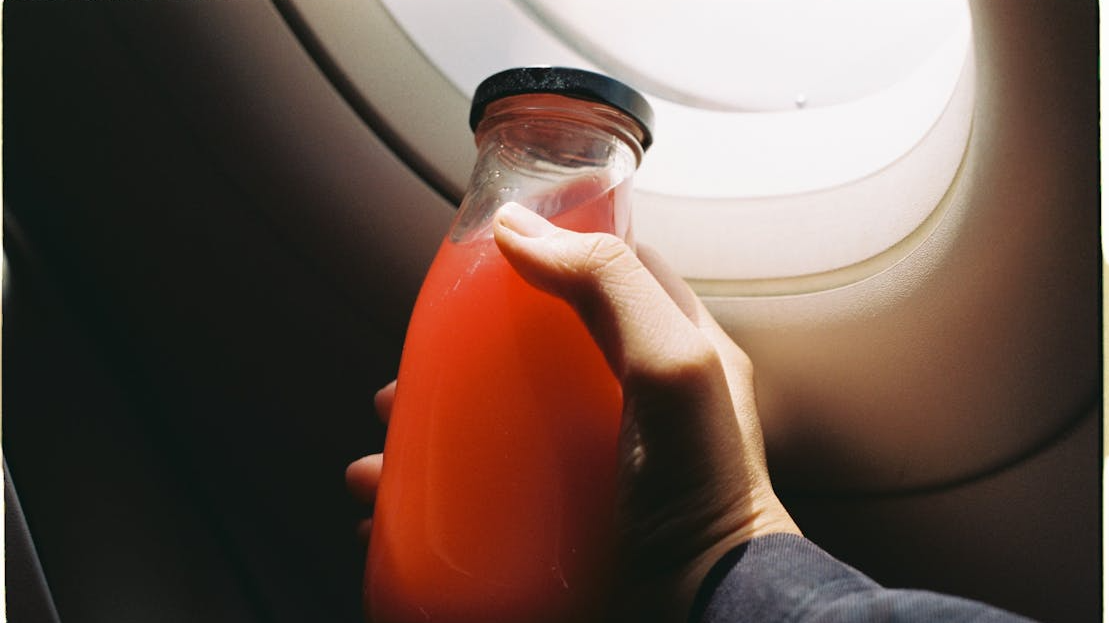
Water is recommended to be taken frequently in order to avoid dryness and fatigue. Cabin air may be dry, and staying hydrated will contribute to overall comfort and help you feel more natural when resting on longer flights.
Conclusion
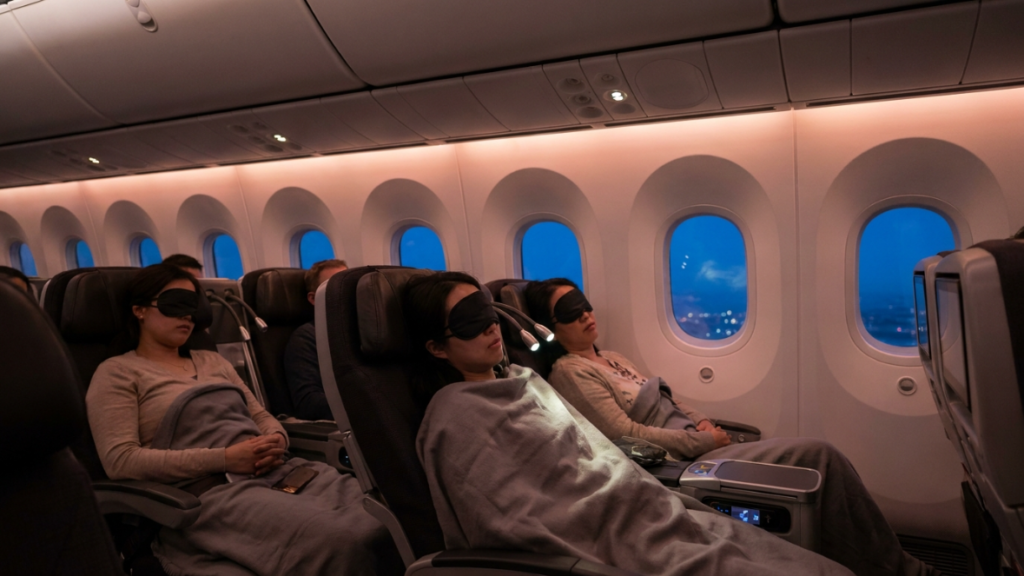
Getting good sleep on an airplane can be significantly improved by making a few simple and thoughtful changes. Each habit contributes to your overall comfort, such as choosing the right seat and creating a comfortable atmosphere. These easy tips, often shared by flight attendants, can help enhance in-flight rest, leaving you feeling more refreshed, balanced, and ready to enjoy your journey after landing.
