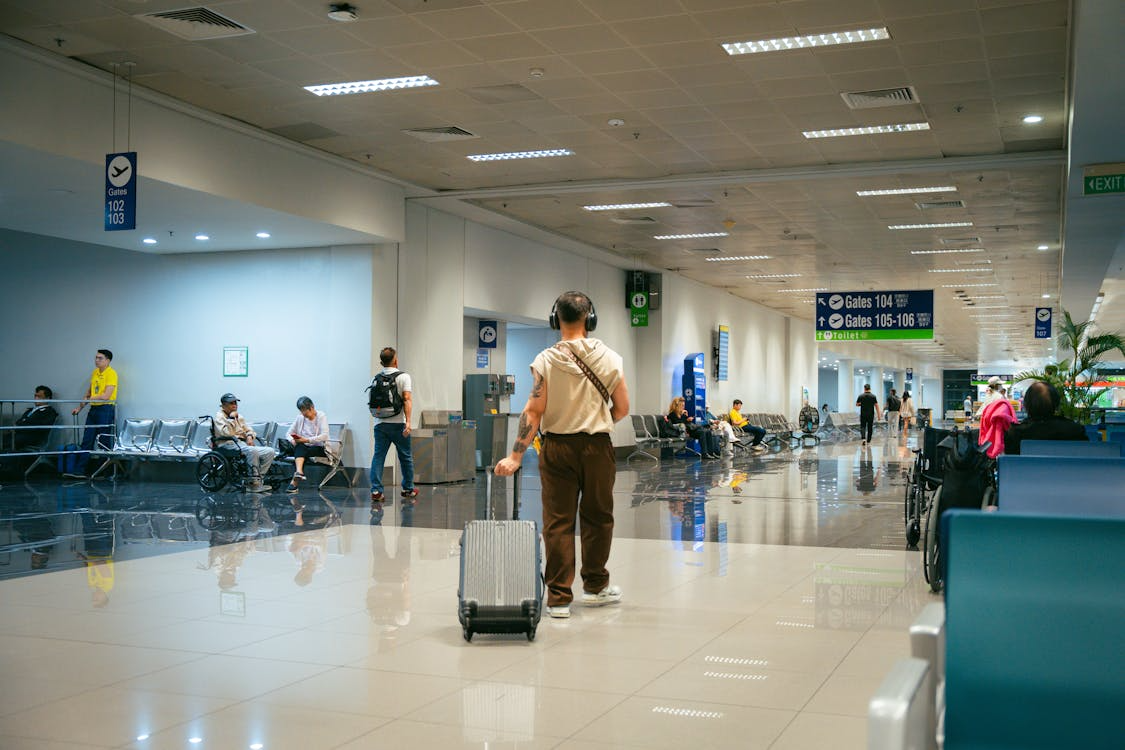
Airport security can raise small questions, especially when it comes to everyday gadgets like headphones. The Transportation Security Administration checkpoints can be confusing for travelers who want to understand how X-ray scanners work with electronic devices. People who use Sony and Apple premium products need to learn about screening processes because this knowledge helps them understand the screening system before they send their items through the conveyor belt.
X-Rays Are Designed for Electronics
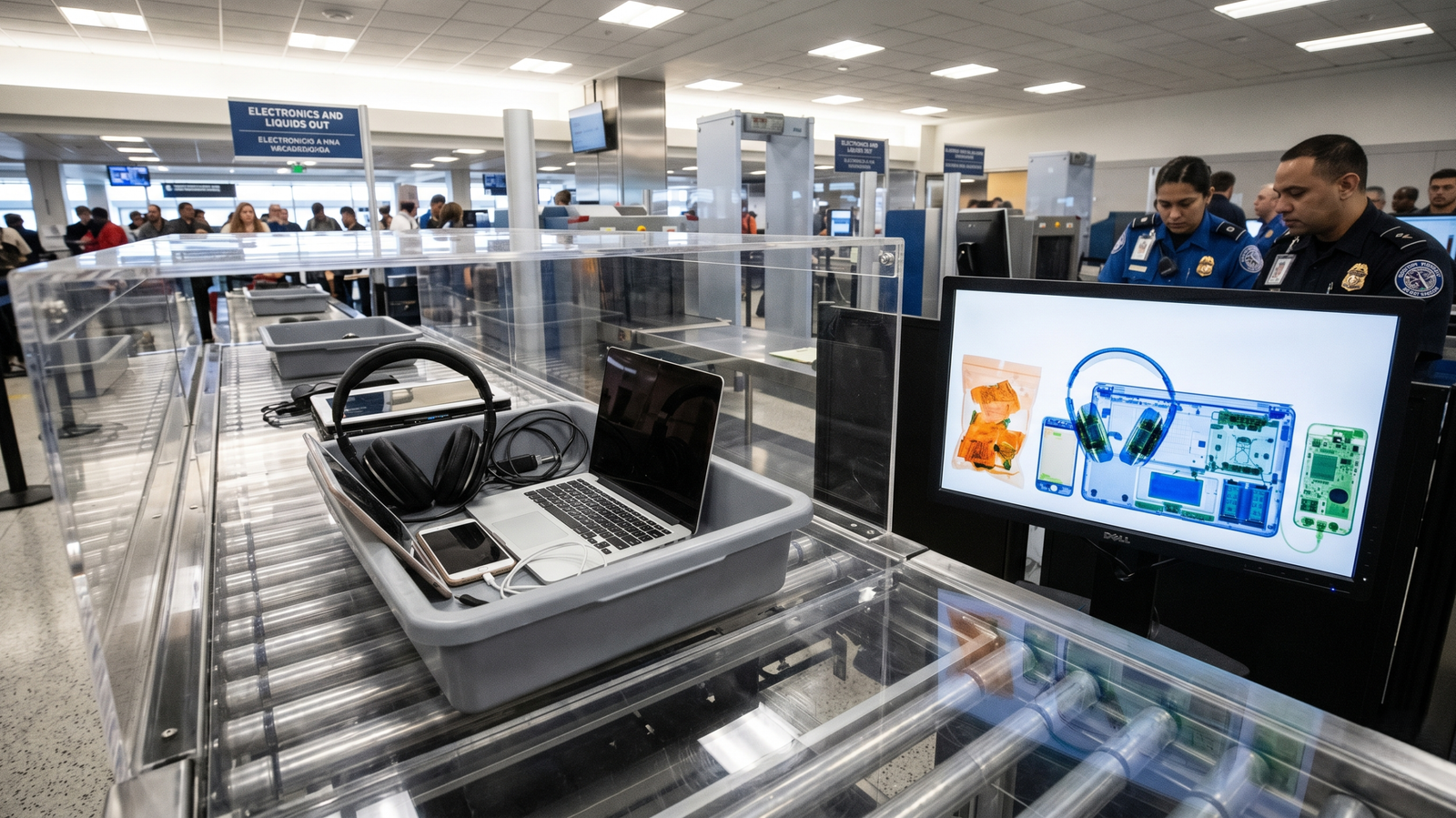
The TSA X-ray machines are designed to examine standard travel items, which include electronic devices. The system operates at low radiation levels, specifically calibrated to maintain safety, allowing headphones to be used without affecting their internal components or performance.
No Impact on Sound Quality
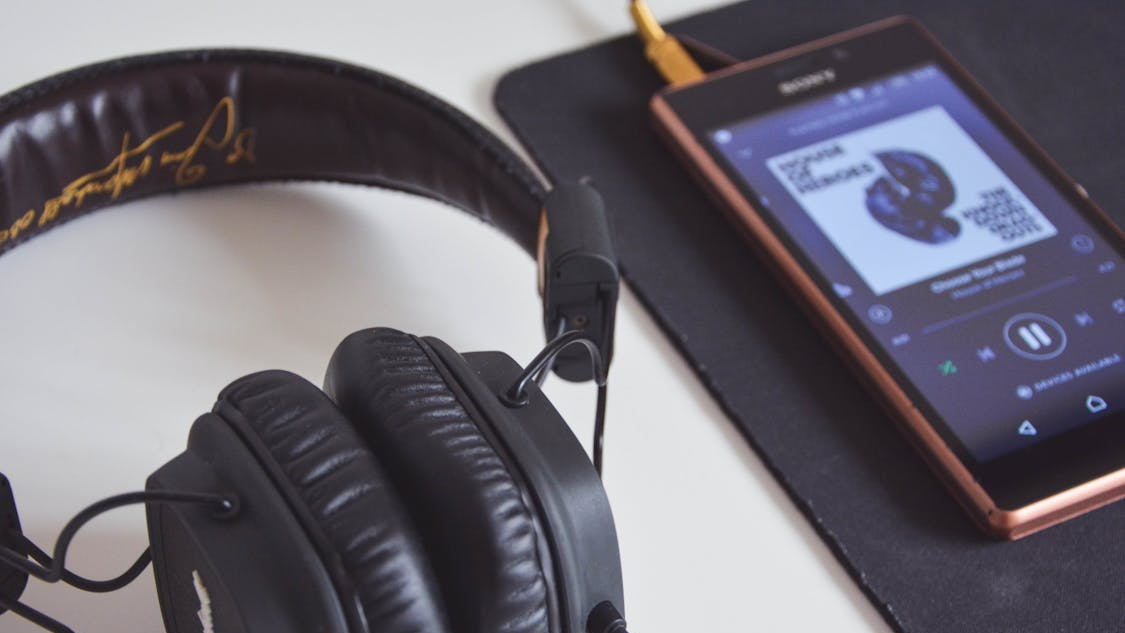
Headphones rely on drivers, wiring, and digital components that aren’t sensitive to X-ray exposure. Airport scanners do not affect sound output, connectivity, or the long-term audio quality of headphones, which maintain their performance after travel.
Wireless and Wired Both Stay Safe
Whether you’re carrying Bluetooth headphones or wired ones, both types handle X-ray screening similarly. The scanning technology operates without interfering with wireless components, batteries, and wires.
Batteries Are Not Affected
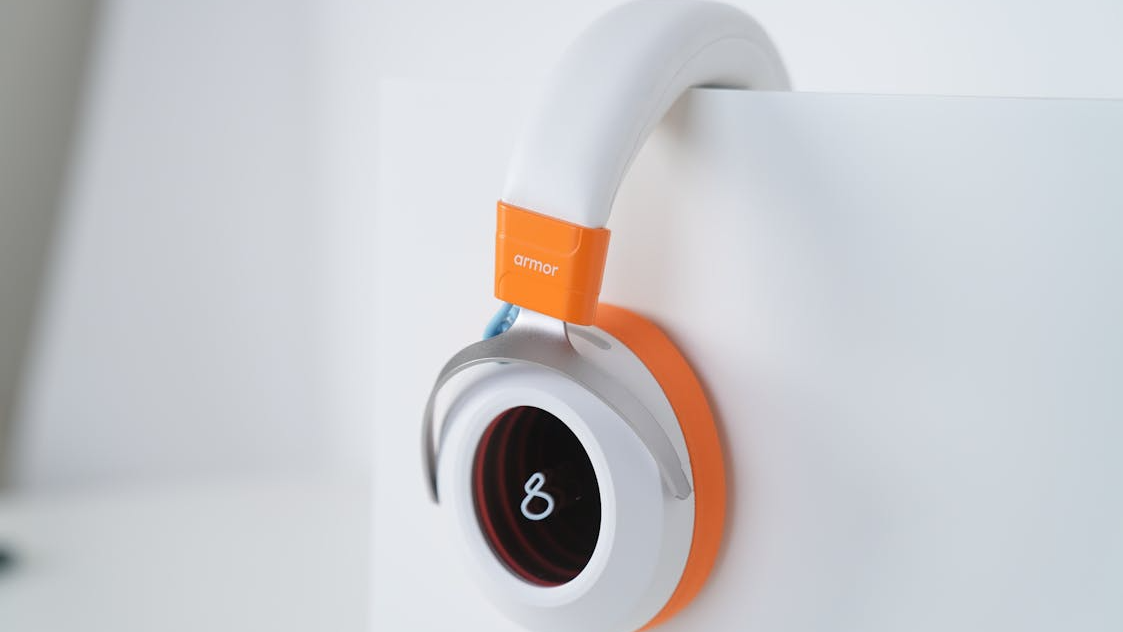
Most modern headphones include lithium-ion batteries. These batteries are built to handle typical travel conditions. While scanning, battery performance and charging capacity aren’t affected. Hence, it’s safe to carry along with you.
Protective Cases Add Extra Peace of Mind
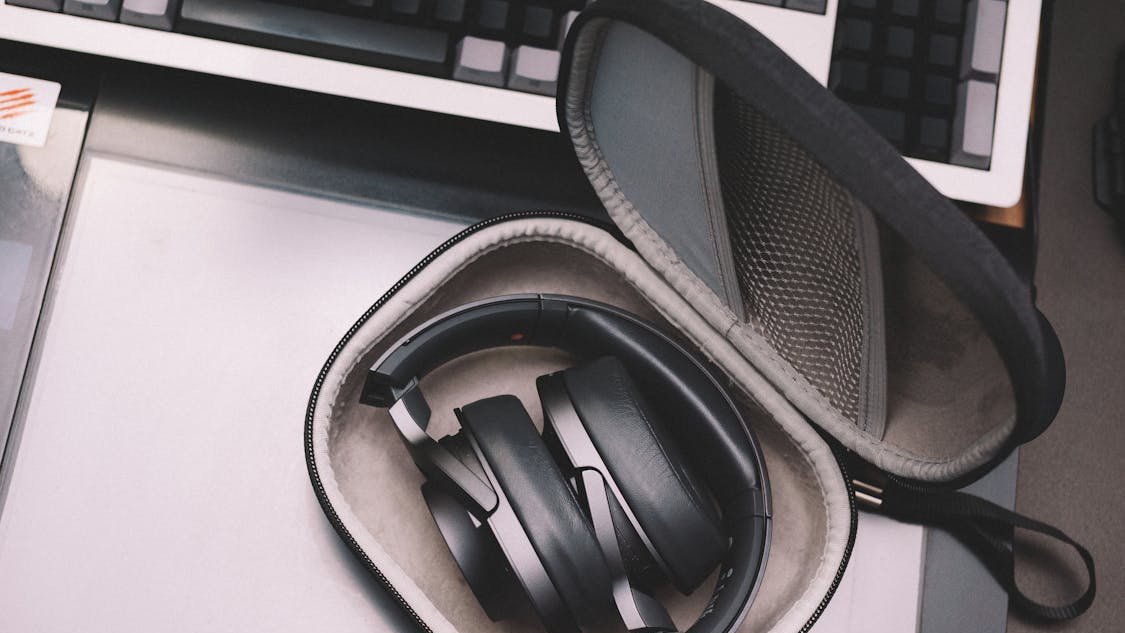
The headphones need protection from physical movement during screening, which a case can provide. While X-rays themselves don’t cause harm, a case adds protection against bumps and pressure from other items in trays.
No Data or Settings Are Altered
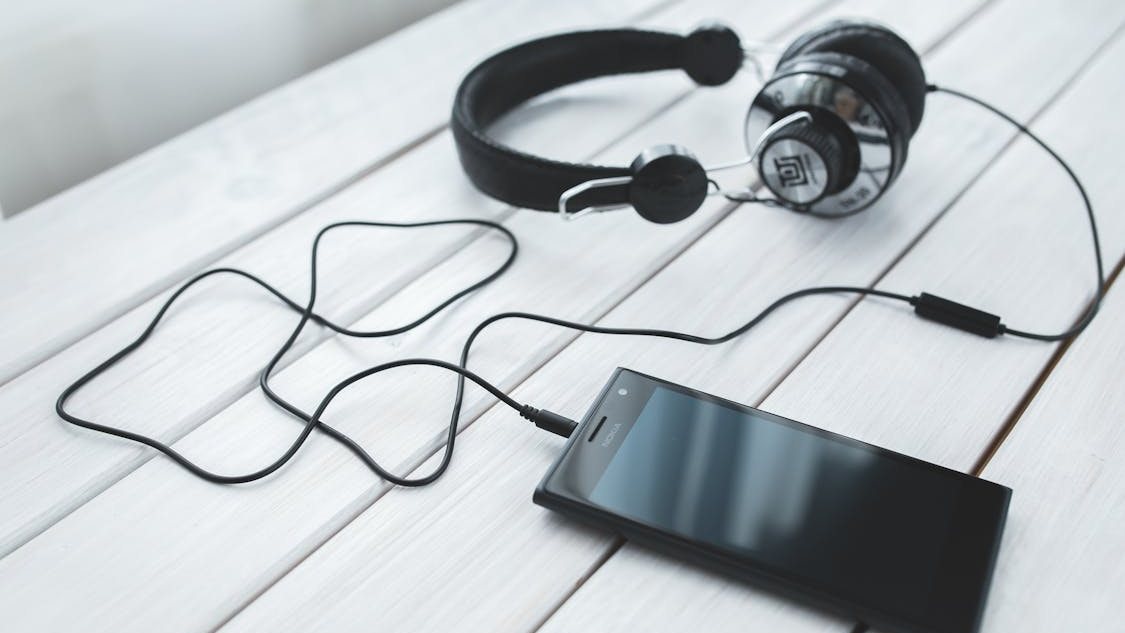
Headphones with smart features or stored settings remain unchanged after scanning. X-rays operate without any effect on data, which results in unchanged pairing settings, user preferences, and device firmware that existed before entering security.
Common Practice for Frequent Travelers
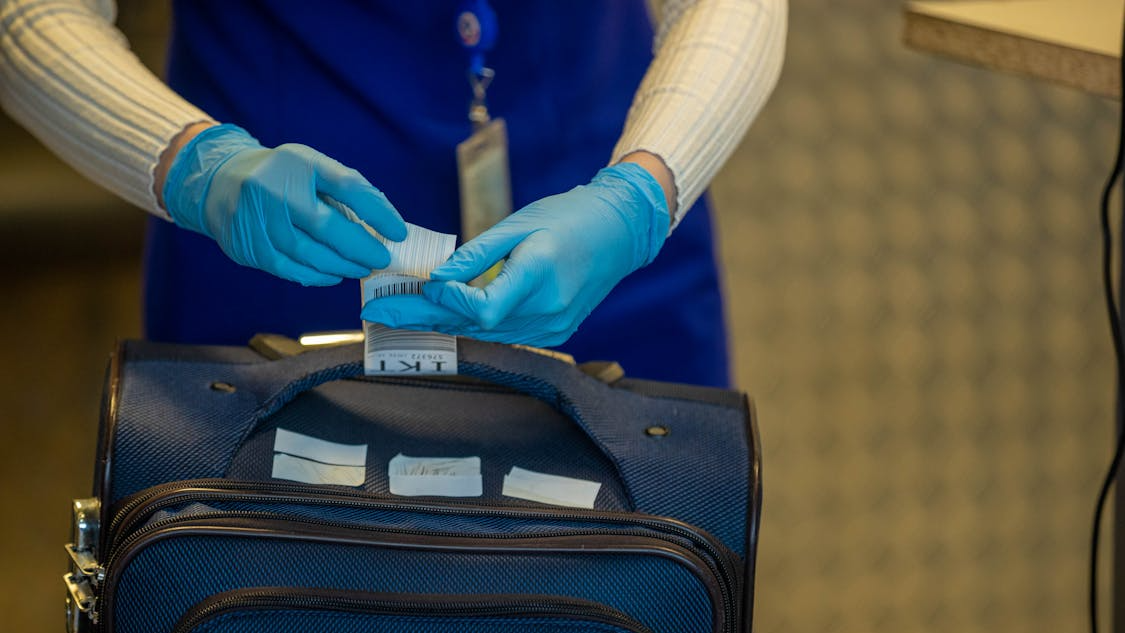
Frequent flyers regularly send headphones through X-ray machines without issues. The security process explains how personal electronics undergo standard checks at airports through their routine experience, which pilots demonstrate at their job.
Simple Tips for Smooth Screening
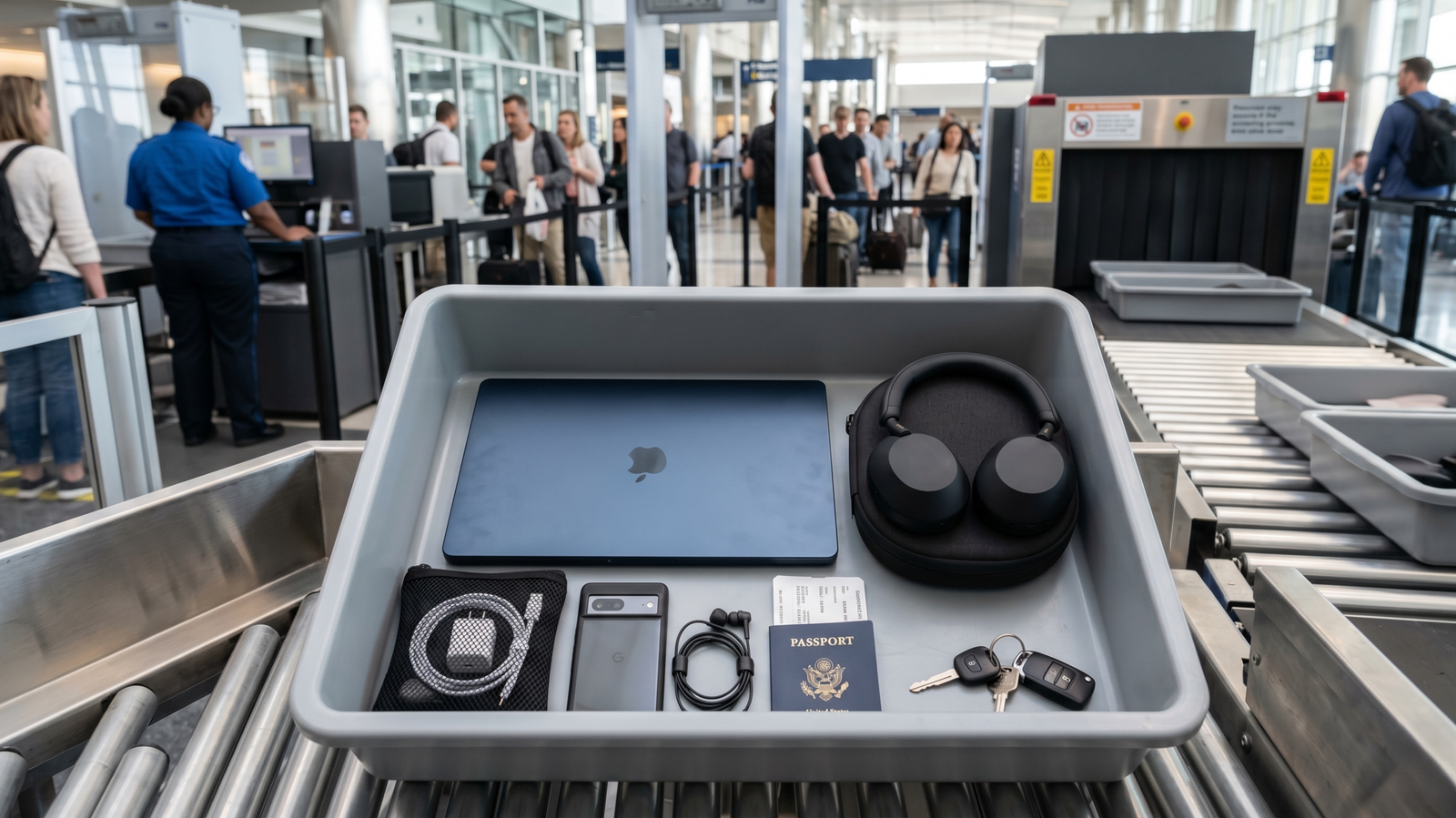
Placing headphones in a tray or carry-on bag helps keep the process organized. This way, the security process becomes faster and easier for travelers and staff members when equipment remains untangled and accessible.
