
The idea of machines reading human thoughts was once science fiction, but researchers are now turning it into reality. Brain-computer interfaces (BCIs) use sensors to detect brain activity and translate it into digital signals that software can interpret. Current systems do not possess the ability to read thoughts, yet they can identify the patterns that connect to speech, movement, and intention. The current technological system shows its actual purpose through present capabilities and future development plans.
What a Brain-Computer Interface Actually Does
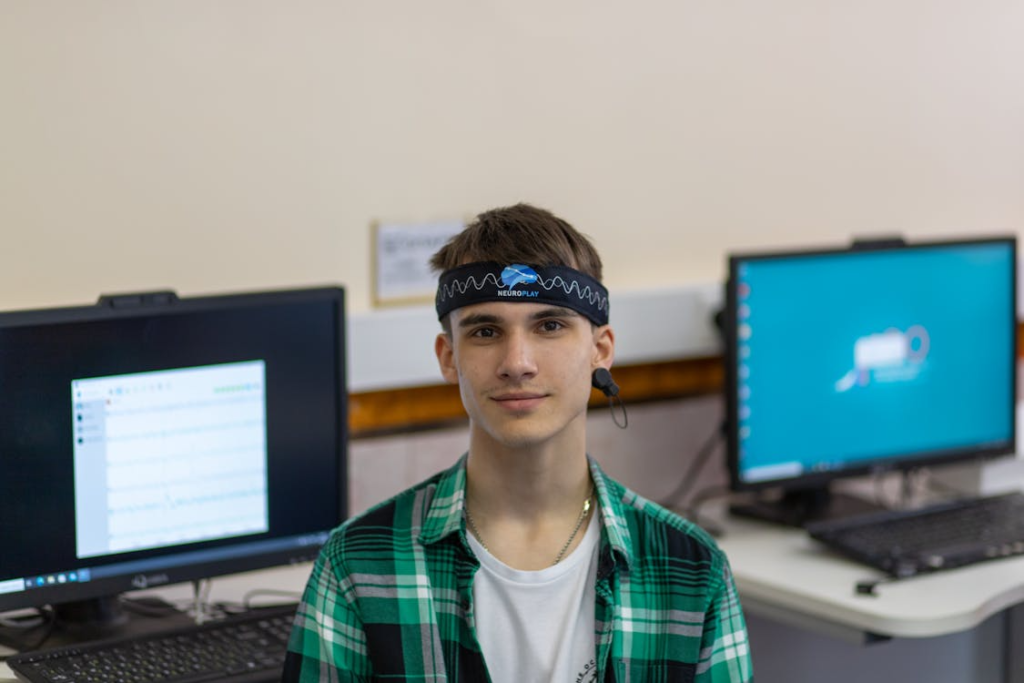
A BCI connects the brain to a computer by measuring electrical signals produced by neurons. AI processes these signals to detect patterns that include both movement imagination and speech attempt. BCIs do not read thoughts; instead, they analyze brain activity that corresponds with particular actions and intentions.
AI Is the Key That Makes It Work

Brain signals appear to be difficult to interpret because they contain many complex patterns and unpredictable elements. The AI models process the data to detect specific patterns, which enable them to produce output that can control elements like cursor movement, text input, and device operation.
It’s Already Helping People With Paralysis
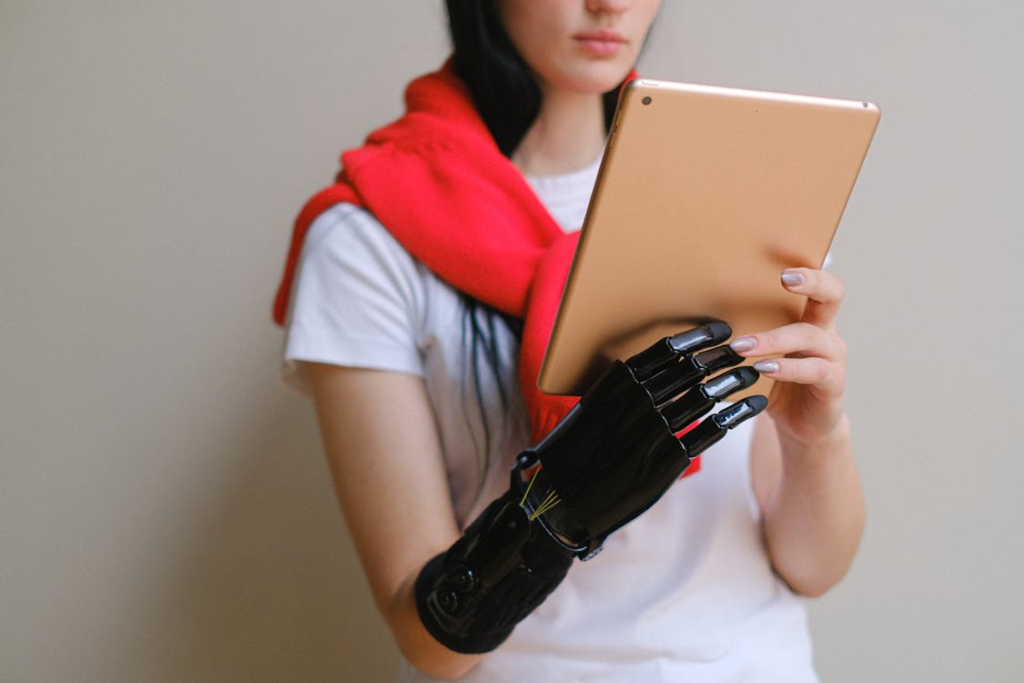
BCI technology enables people who have lost their ability to move to communicate and control their limbs. Some systems allow users to type by thinking or move robotic arms with their mind. Companies like Neuralink and research teams at Stanford University are leading breakthroughs in this area.
Speech Decoding Is Advancing Rapidly
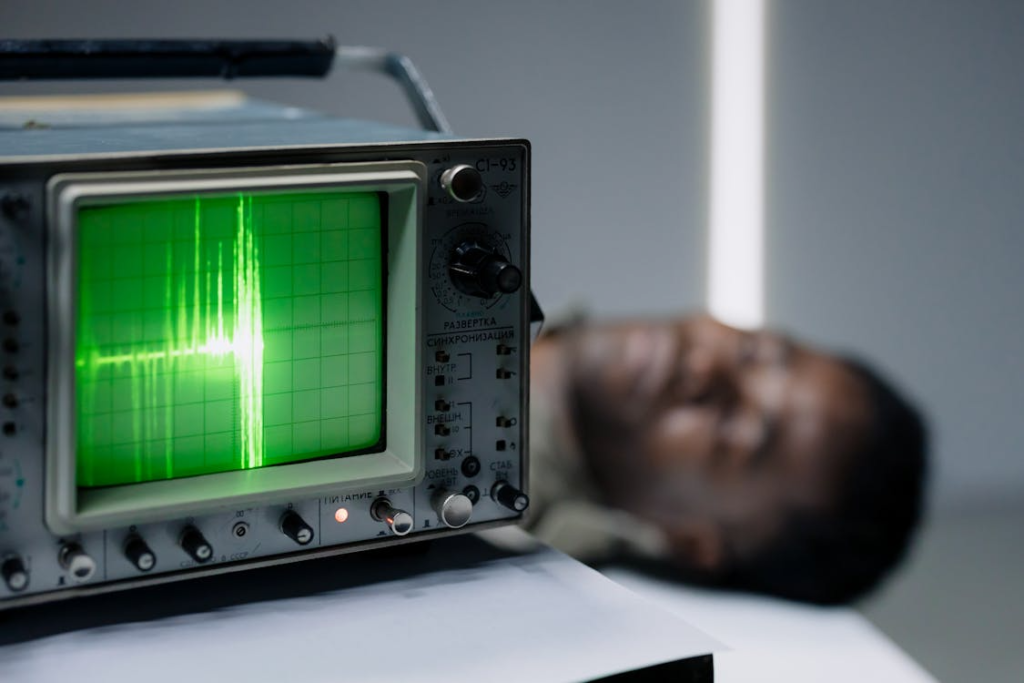
Researchers have developed systems that convert brain signals into spoken words and complete sentences. The technology remains in its experimental stage, but it has the potential to help individuals who have lost their ability to speak.
It Doesn’t “Read Your Mind” Completely

Despite headlines, BCIs cannot access your private thoughts, memories, or emotions freely. The system achieves its best performance when it undergoes training for specific tasks, which involve pattern detection associated with moving a cursor or forming words.
Ethical Concerns Are Growing

As the technology advances, concerns about data privacy, consent, and misuse are increasing. Brain data, which contains highly sensitive information, will become essential with the increasing adoption of brain-computer interfaces.
Future Applications Go Beyond Medicine

While healthcare is the main focus today, future uses could include several domains such as gaming and virtual reality supported by hands-free computing and enhanced human-computer interaction. Well, it is still in research and early testing phases. Widespread consumer use is likely years away, but progress is accelerating.
