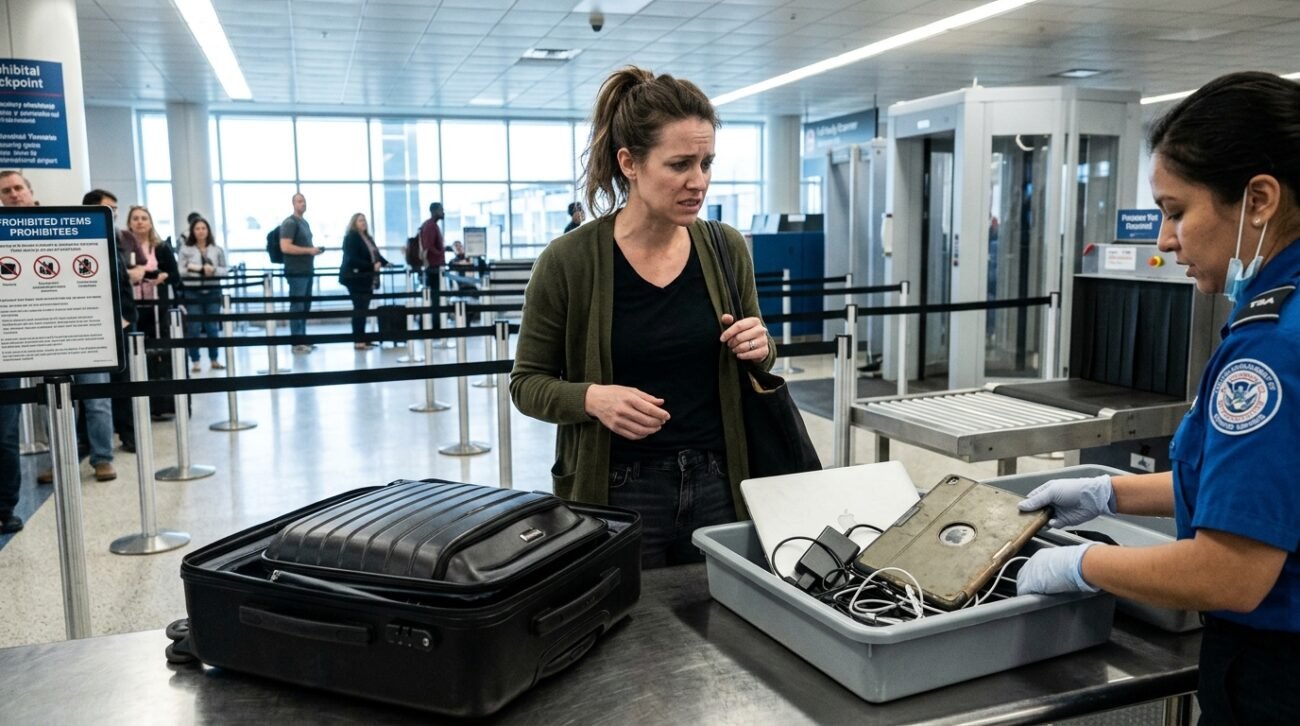
Airport security permits most electronics to pass through security checkpoints, but there are specific items that may still face screening delays or confiscation. The Transportation Security Administration evaluates security risks based on factors like fire hazards, concealed threats and inspection visibility. Knowing the complete information about these regulations enables you to avoid money and time while experiencing reduced airport stress.
High-Capacity Lithium Batteries
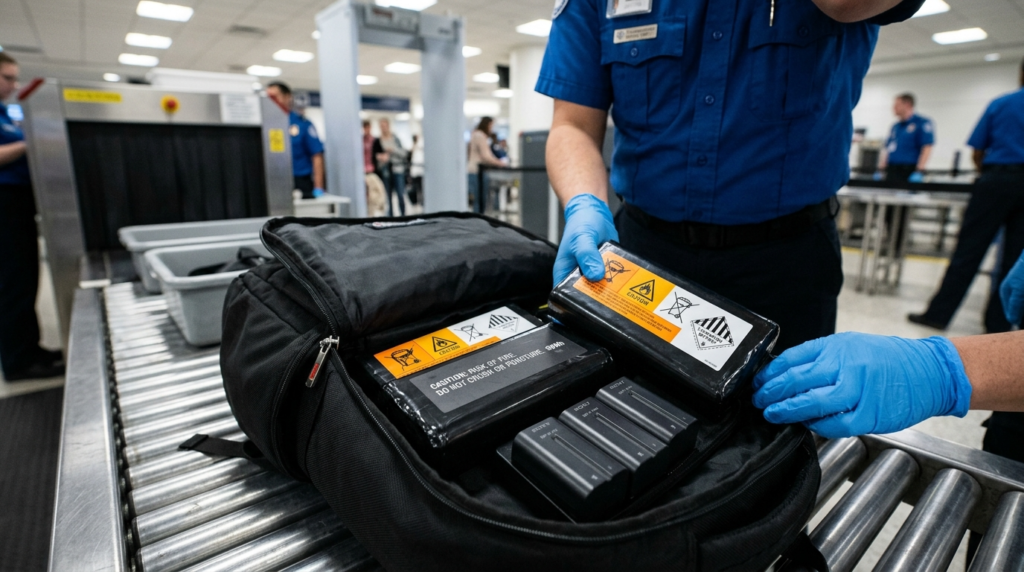
Loose lithium-ion batteries pose a significant safety risk. Most airlines allow batteries up to 100 watt-hours (Wh) in carry-on bags, while those between 100–160 Wh typically require airline approval. Anything above that limit is generally prohibited.
Modified or DIY Electronic Devices
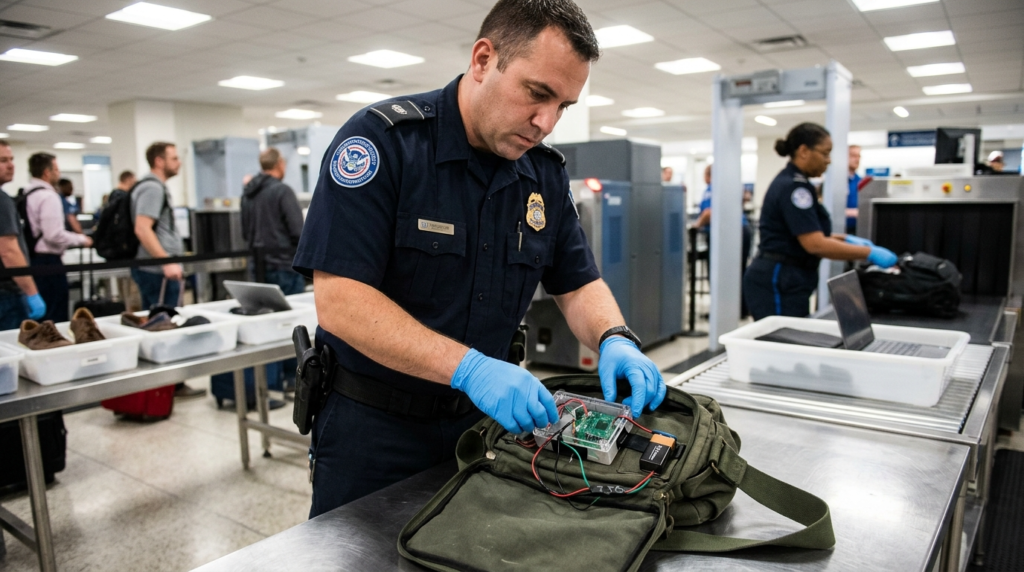
Devices that look unusual because they contain homemade electronics and heavily modified gadgets and items with visible wiring will create extra inspection requirements. Security officers train in rapid threat identification because they will remove any item that does not match established device classifications.
Disguised Electronics
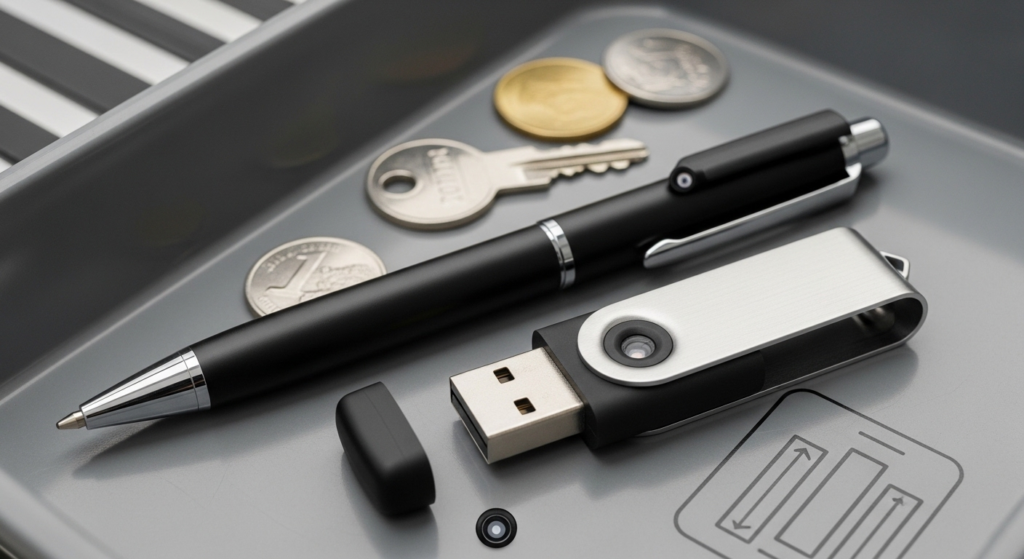
Disguised electronics such as hidden cameras in pens, USB drives and chargers can be flagged. If officers cannot clearly identify a device or understand its purpose, it may be treated as a potential security risk.
Large Power Banks
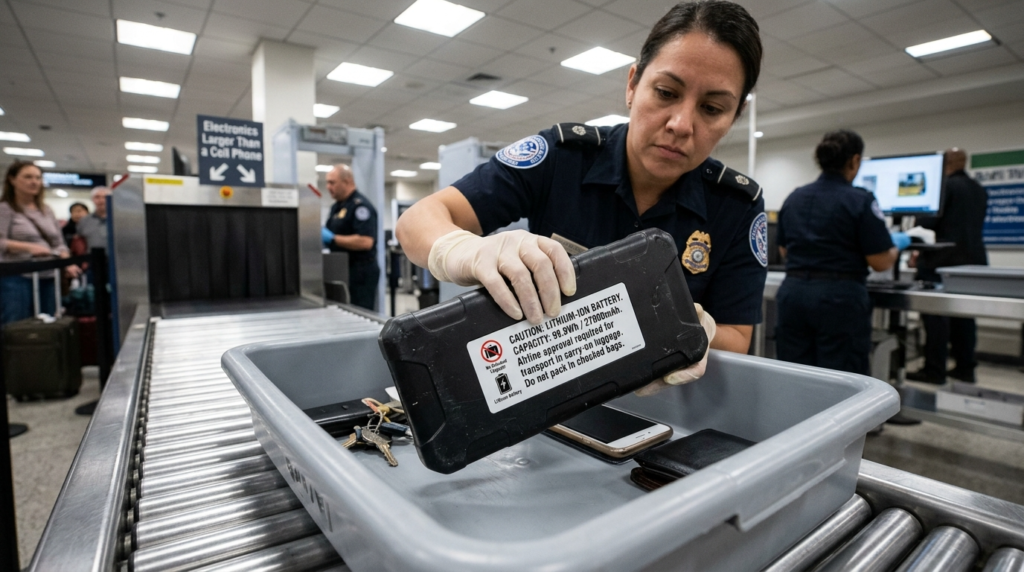
Most airlines allow power banks up to 100 Wh, which is sufficient for typical consumer devices. The high-capacity models which manufacturers design for laptops and industrial equipment use exceed regulatory restrictions which result in their loss to authorities.
Stun Devices or Shock Gadgets
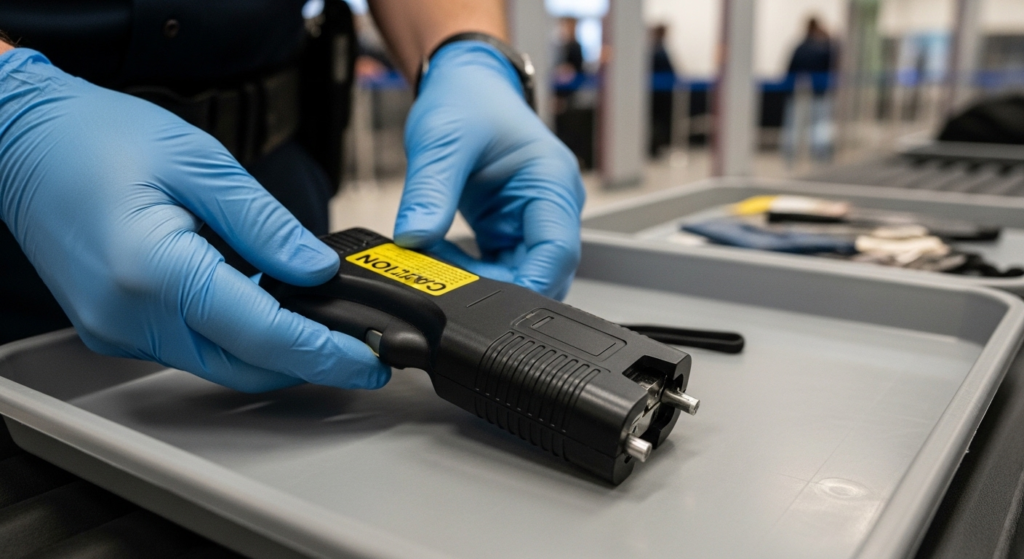
Travelers are not allowed to bring electronic self-defense devices which include stun guns and tasers into their carry-on luggage. Some airlines allow them in checked baggage under specific conditions but many travelers make the mistake of packing them in carry-ons which leads to immediate confiscation at security.
Electronic or Plasma Lighters
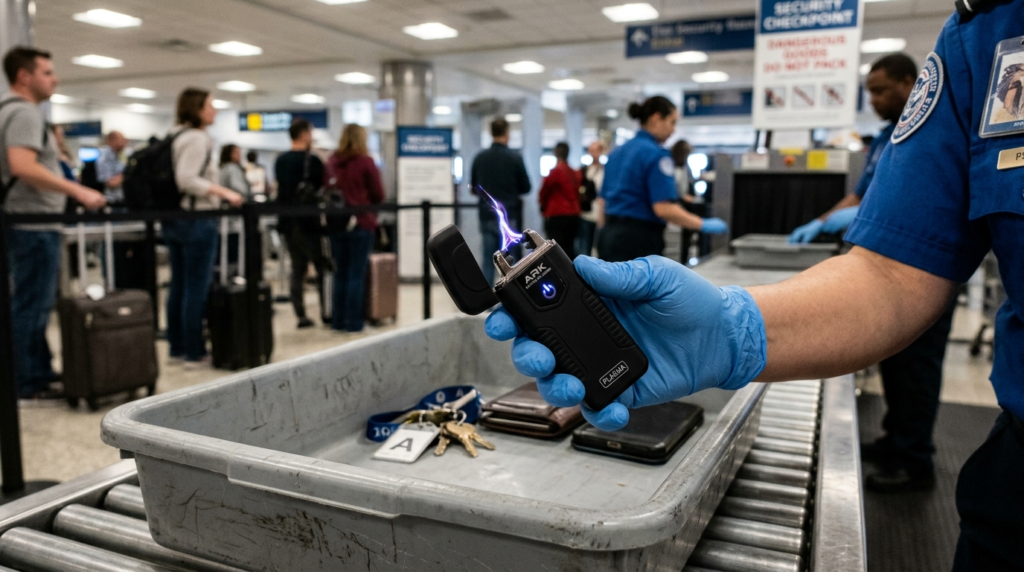
Not all lighters are treated equally. The regulations permit a specific number of traditional lighters but they prohibit the use of plasma lighters and lighters that contain lithium batteries. The presence of electrical components and batteries results in their classification as electronic hazards.
Devices That Can’t Be Powered On
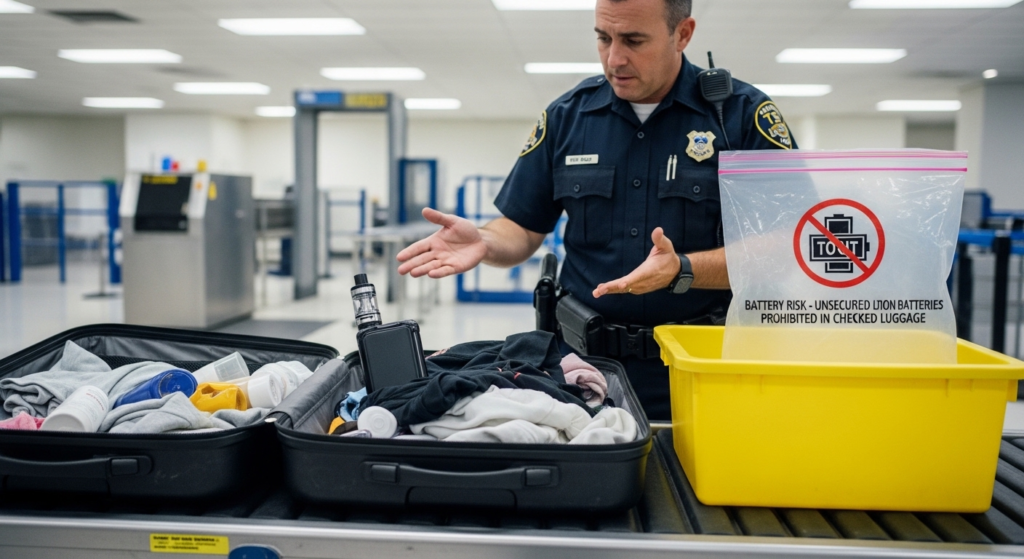
Security officers may ask you to power on larger devices such as laptops, tablets, or cameras. If a device cannot be turned on, it may be considered unsafe. On international flights or high-security routes, officers may deny the item from passing through the checkpoint.
