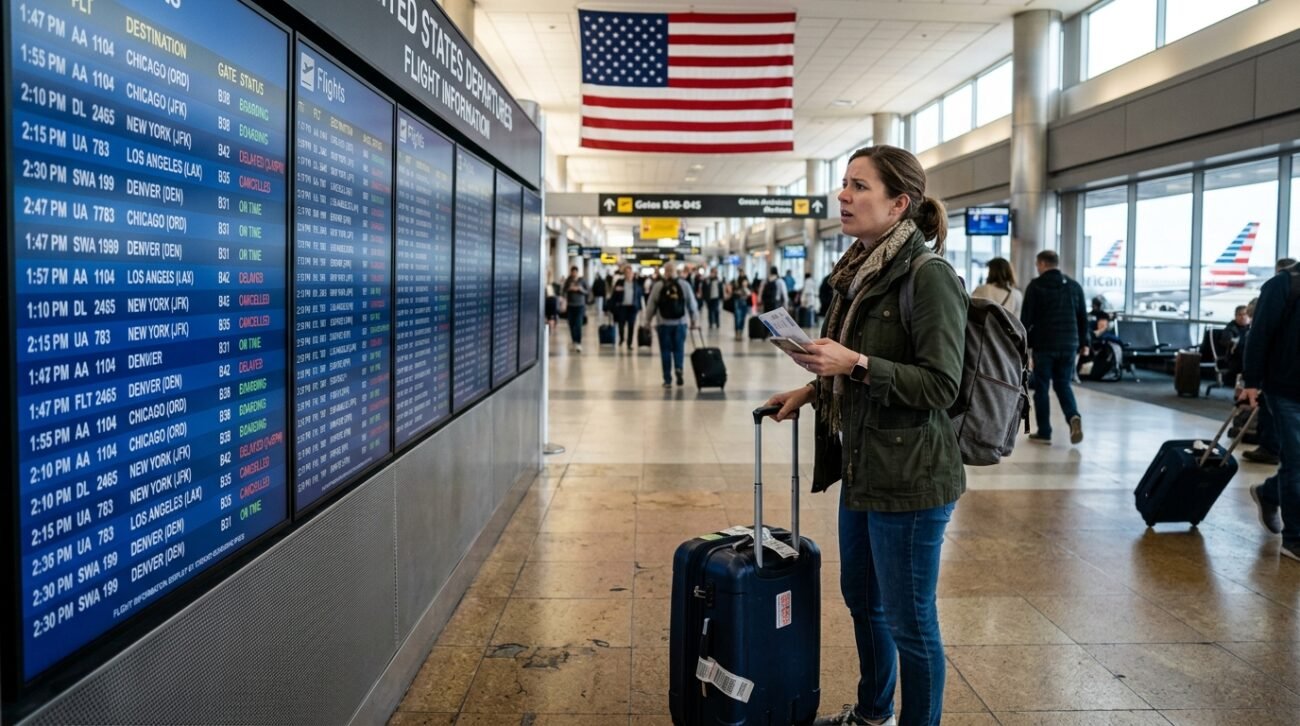
The United States stands out as a leading international tourist destination which attracts visitors through its various natural landscapes and cultural heritage and entertainment options. However, not every traveler chooses it as a destination. The process of travel decision-making involves three main factors which include personal preferences and travel costs and governmental policies and public perceptions. The process of understanding these reasons helps people achieve an impartial view about how people select their travel destinations worldwide.
High Travel Costs

The U.S. is often considered an expensive destination. The expenses for accommodation and food and transportation and attractions show significant increases when compared to most countries.
Strict Visa and Entry Requirements
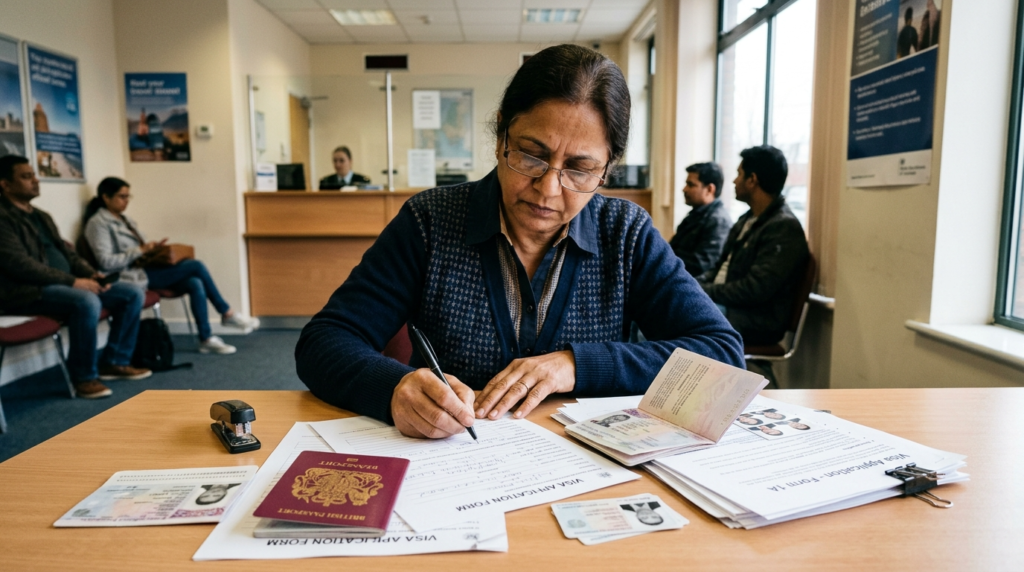
Travelers from many countries must go through detailed visa processes which include both interviews and documentation requirements that consume substantial time and create unpredictable outcomes.
Healthcare Costs Concerns
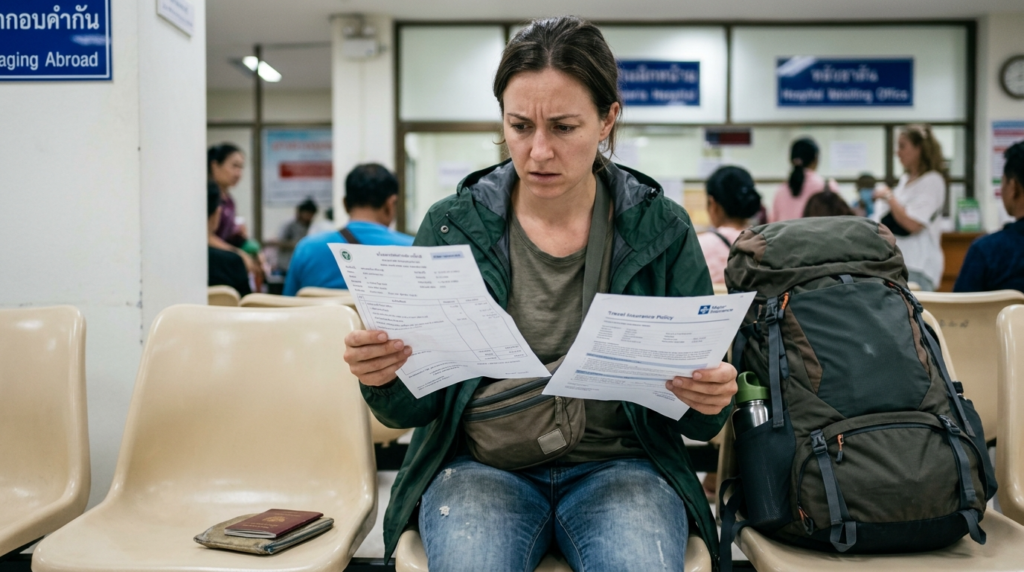
The U.S. has one of the most expensive healthcare systems in the world. The costs of even minor medical issues create a necessity for travelers to obtain travel insurance.
Perception of Safety Issues
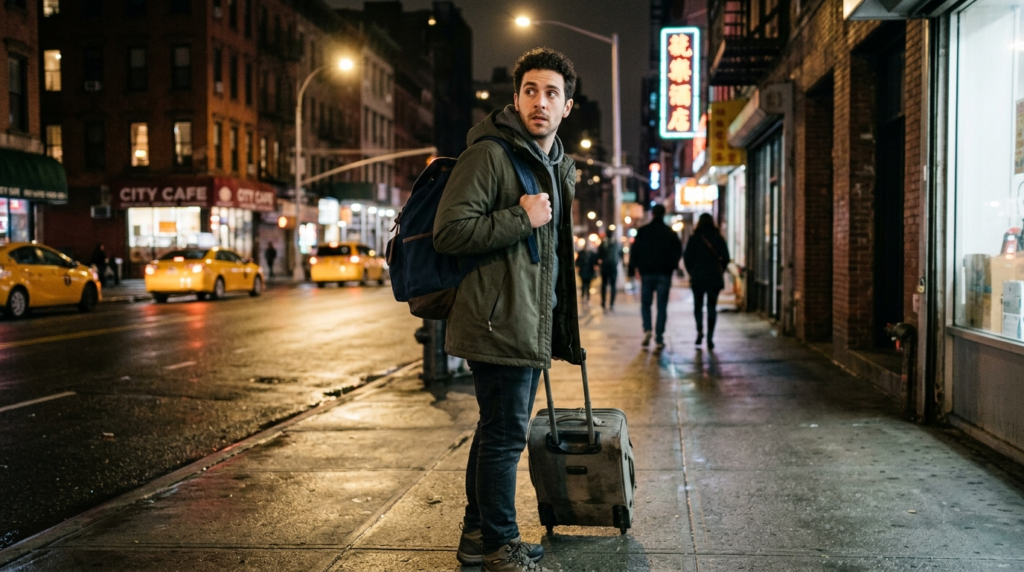
Some travelers are concerned about crime rates or incidents reported in the media. People make decisions based on their safety perception even though safety conditions differ between locations.
Limited Public Transportation in Some Areas

The United States lacks public transportation systems which enable visitors to travel easily between various locations because its cities depend on vehicle transportation.
Cultural Differences and Expectations

It would not be wrong to say that international travelers encounter challenges with tipping customs and service procedures and social conventions which seem strange to them.
Long Travel Distances
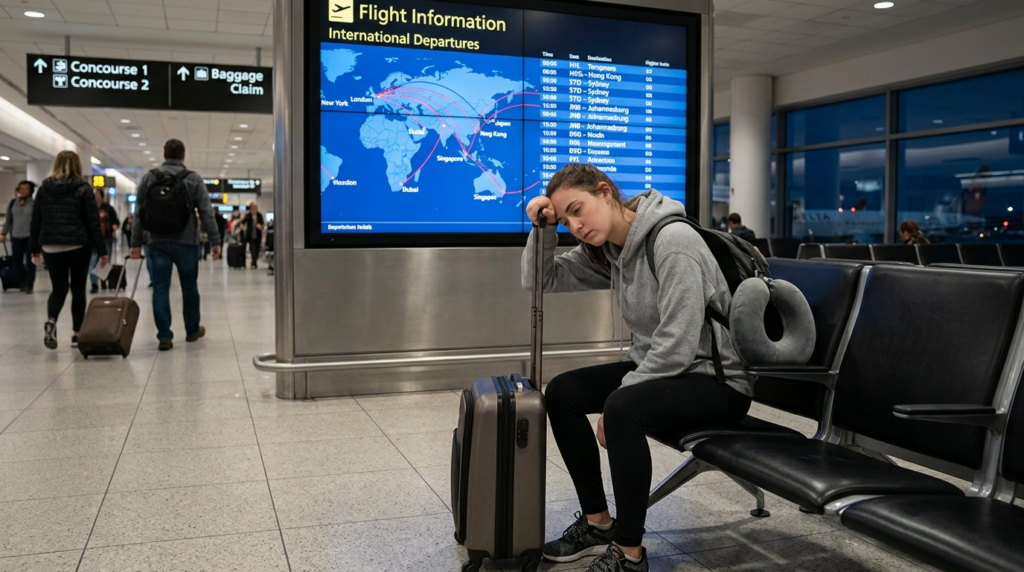
The size of the U.S. means its destinations exist at distant locations from one another. The process of traveling between cities demands extensive flying or driving which results in increased travel time and expenses.
Currency Exchange Rates
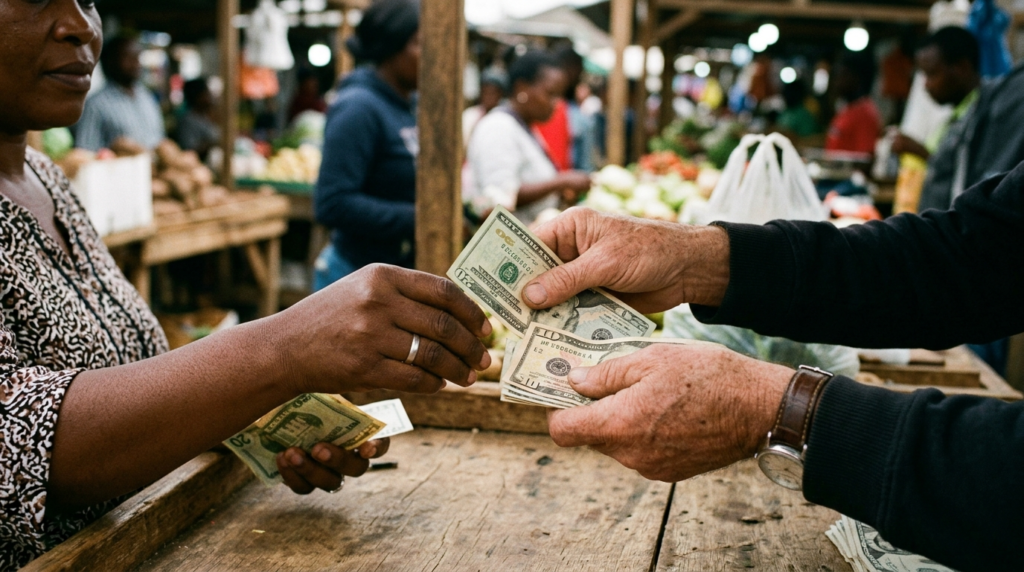
Currency exchange rates show travelers from countries with weaker currencies that their trip costs become higher because they need to use U.S. dollars for expenses.
Entry Screening and Airport Procedures
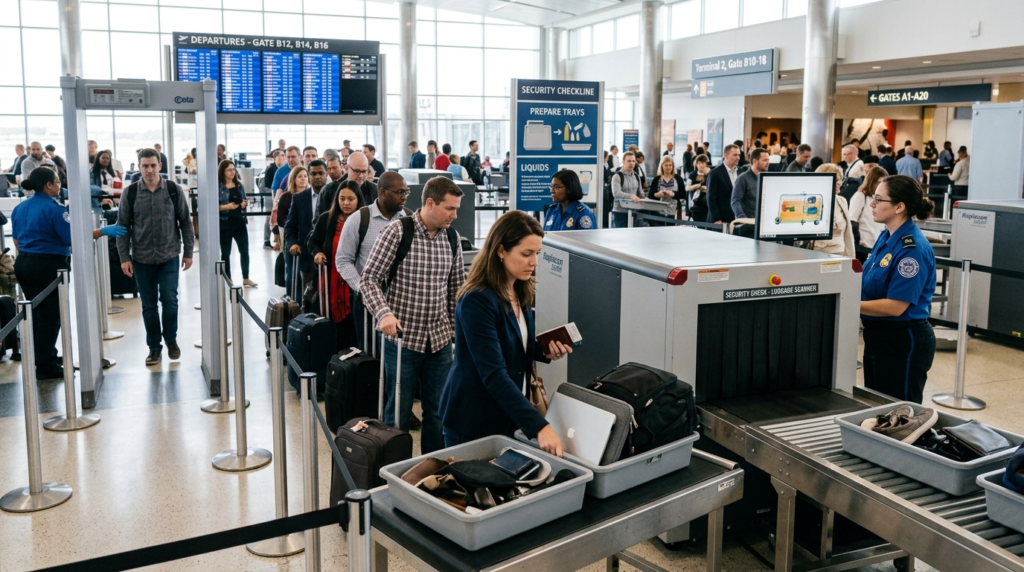
In the airport, before screening procedures are strict and systematic, there are procedures that have to be followed. Some travelers experience stress or intimidation when they go through the rigorous security checks and immigration procedures at airports.
Political or Social Perceptions
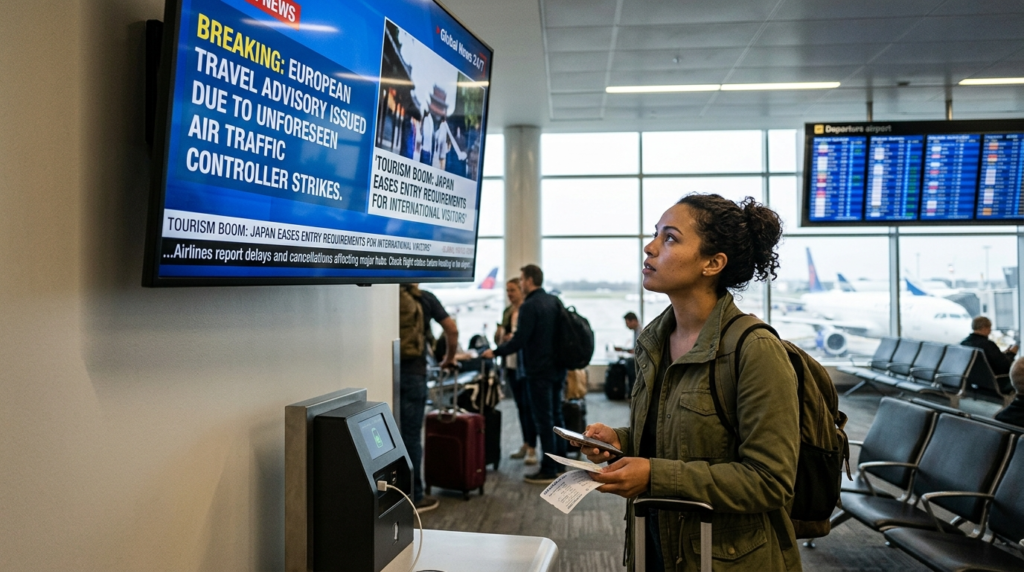
Political and social perceptions exist as personal interpretations of reality, which people develop through their cognitive biases. Travelers use political or social factors to make their travel choices which then determines their interest in traveling to specific destinations.
Availability of Alternative Destinations
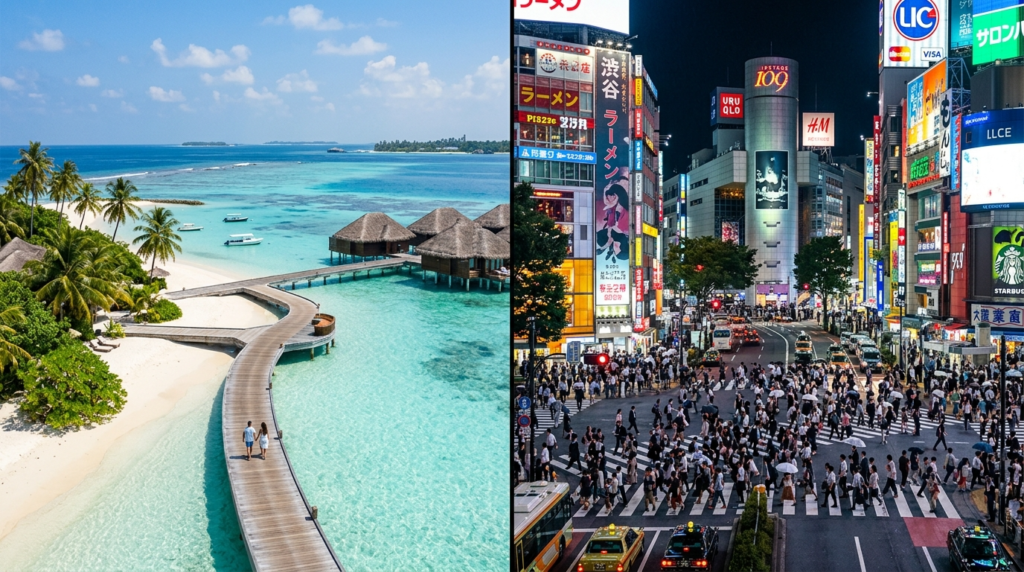
People can find multiple alternate destinations which provide comparable experiences to overvisited tourist attractions while maintaining less crowded environments and lower expenses. Travelers choose destinations that offer similar experiences at lower costs or with easier access.
Food and Lifestyle Preferences
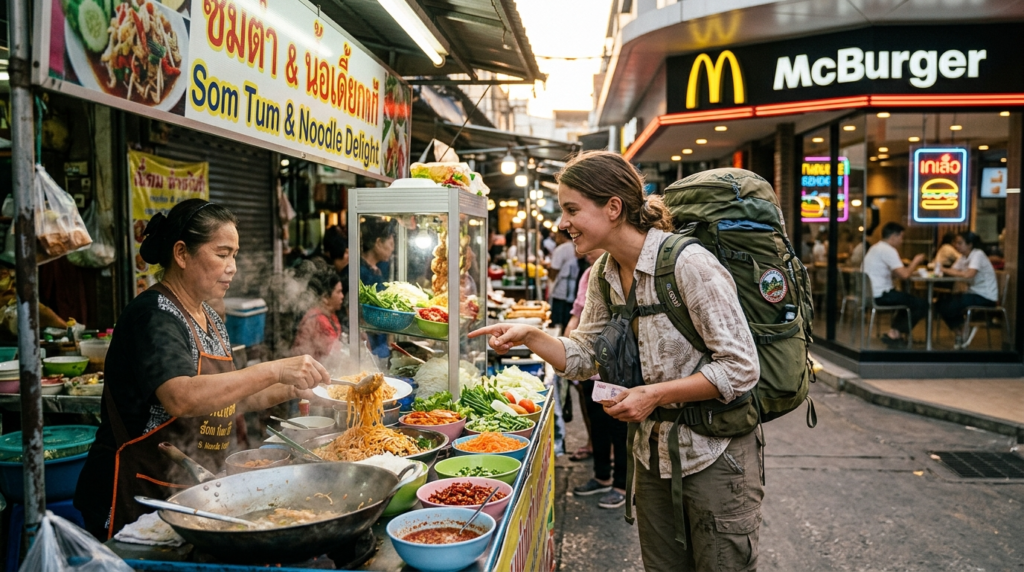
Food preferences are shaped by a complex interplay of taste, cost, health, and convenience. Some travelers choose their travel destinations based on their preference for foods and ways of life that differ from what they expect to find in the U.S.
