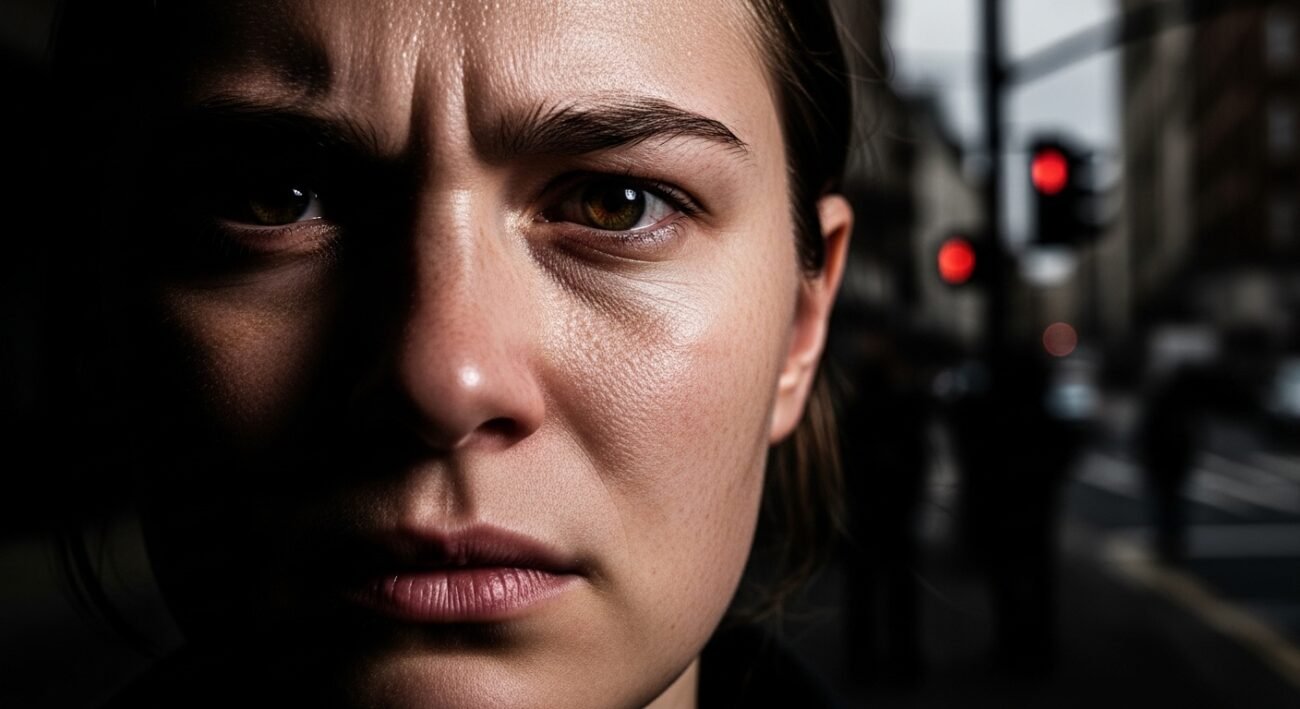
People demonstrate their behavior patterns and their mental framework and their ability to make choices through their response to stressful situations. Some people manage to remain tranquil, but other individuals experience mental breakdowns. The way people react to different situations stems from their accumulated experiences and their individual characteristics and their surrounding circumstances. People need to learn these patterns because they will help them handle stress situations more efficiently. People handle pressure situations through these ten common response patterns that they use throughout their daily life.
Fight Response

Some people respond quickly and take control of the situation. Their approach involves solving the problem through incremental steps while they display leadership skills and confidence during challenging situations.
Avoiding The Situation

Some people choose to avoid all types of pressure. People choose to delay making decisions and confrontational situations whenever they find themselves in situations that they cannot handle.
Freeze Response (Feeling Stuck)

Some individuals experience complete paralysis when they face extreme pressure. People experience mental paralysis because they think excessively, which results in decision delays that create extra stress.
Increased Focus and Clarity

Some individuals experience improved concentration when they face demanding situations. People achieve higher performance levels because they become more vigilant and their thinking speed increases and they handle deadlines better.
Emotional Reactions

Stress brings about emotional responses that include frustration and anxiety and impatience. When people fail to control these emotional reactions, it leads to communication problems and impediments to decision-making processes.
Dependence on Habits

People use their established patterns of behavior as their primary response mechanism when they encounter stress. People demonstrate specific responses to high-pressure situations based on their training and previous experiences.
Communication Style Shifts

People exhibit different communication patterns because some individuals speak more directly whereas others tend to decrease their communication abilities. The ability to work together with others gets affected by this situation.
Physical Reactions
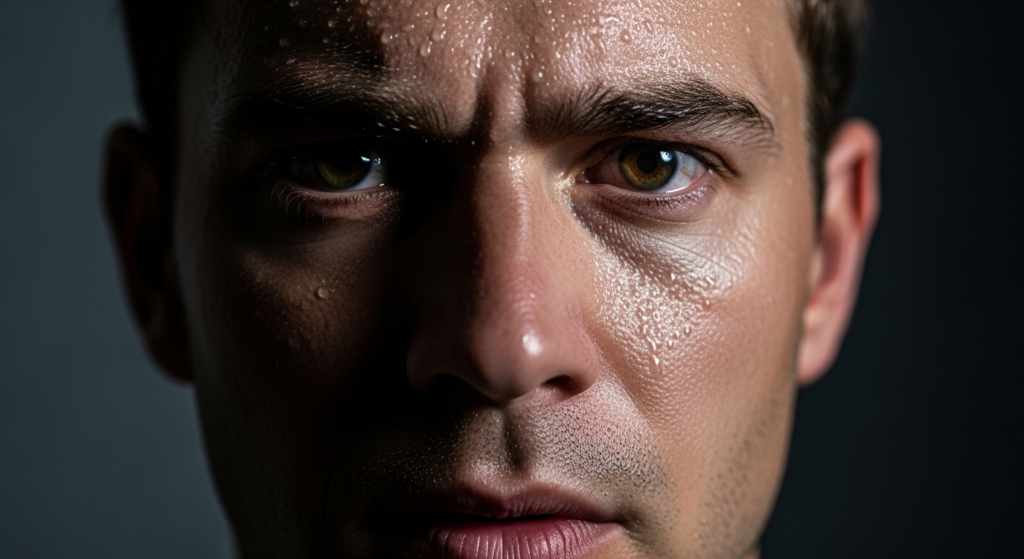
The body responds to stress through various physical symptoms that include increased heart rate and sweating and restlessness. People experience these physical symptoms as normal yet these symptoms have the potential to disrupt their ability to perform.
Learning and Growth Over Time

The process of developing skills requires people to learn how to manage their stress. They develop coping strategies, improve decision-making, and become more resilient.
