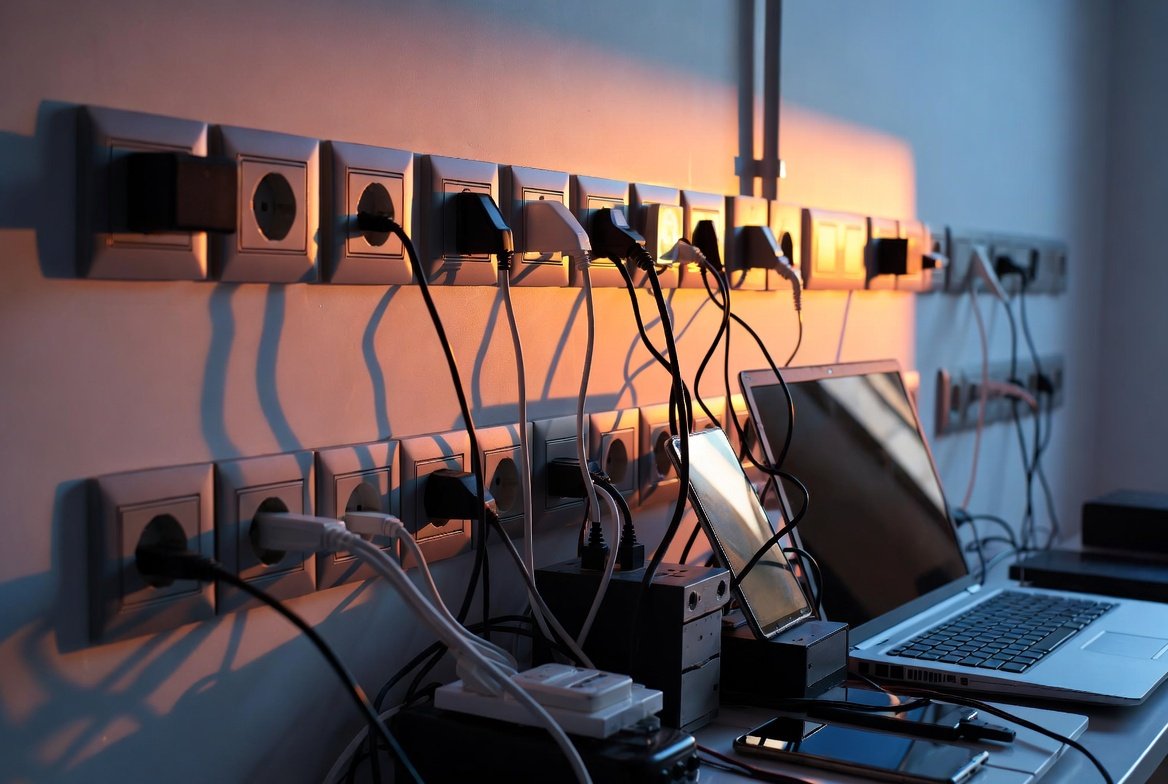
Electrical systems in modern homes are never given a second thought; one simply plugs in thousands of gadgets along with their chargers and appliances without so much as a blink. It is virtually impossible for any wiring of a house to not have a rating of ampacity; the gadgets do suck a great deal of power from the circuits, which could possibly overload them without you even realizing it. No tripped breakers also infer overheated wires or melted-outlets, and the fire hazard may be from electrical wiring defects.
Space Heaters

In some homes, if not all, they are probably the ones occupying the greatest amount of energy on any circuit. That is simply to say, “they are such great energy bullies.” Due to rather high currents allowed for heat being generated, there is a danger that prolonged period of use over a normal wall socket or extension cord could incur high draw and subsequently heat up the wiring behind your walls. An unplugged space heater must never be left unattended or in a power strip.
Antique or Cheap Chargers
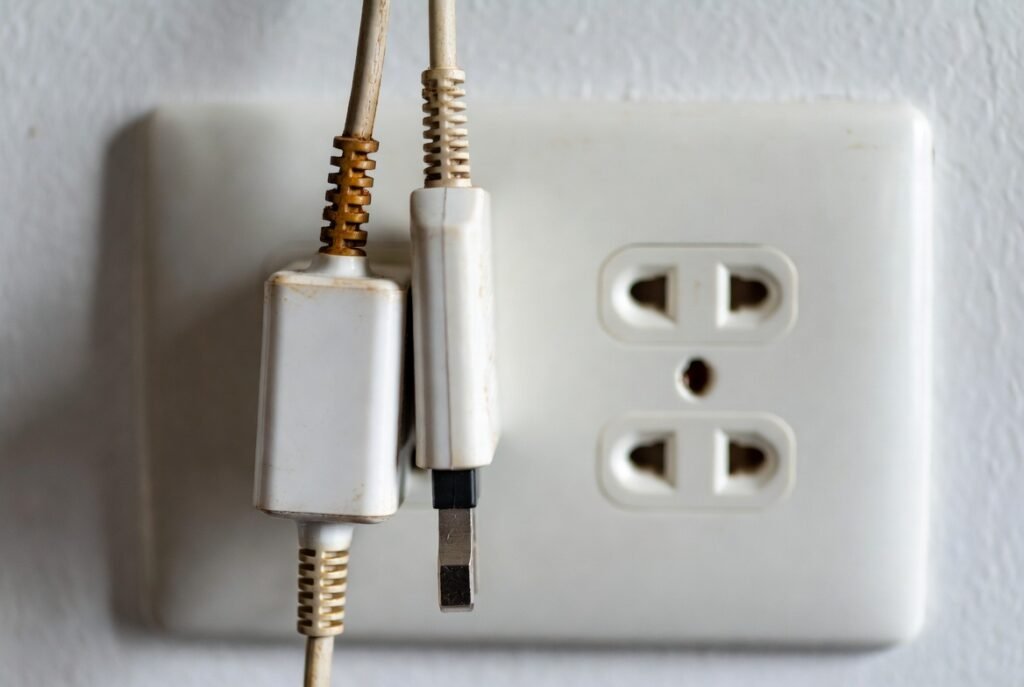
Your old phone chargers usually find their way into all those drawers where you keep your old electronic items. That is how cheap evil impostors or tarnished charging bricks developed internal faults. They either cause leakage of electricity or heat excessively via the outlet. If a charger gets hot while plugged, it should be immediately unplugged because it is either stressing your electrical system or it is just dead-on arrival-not charging any phone.
Counter appliances in the kitchen
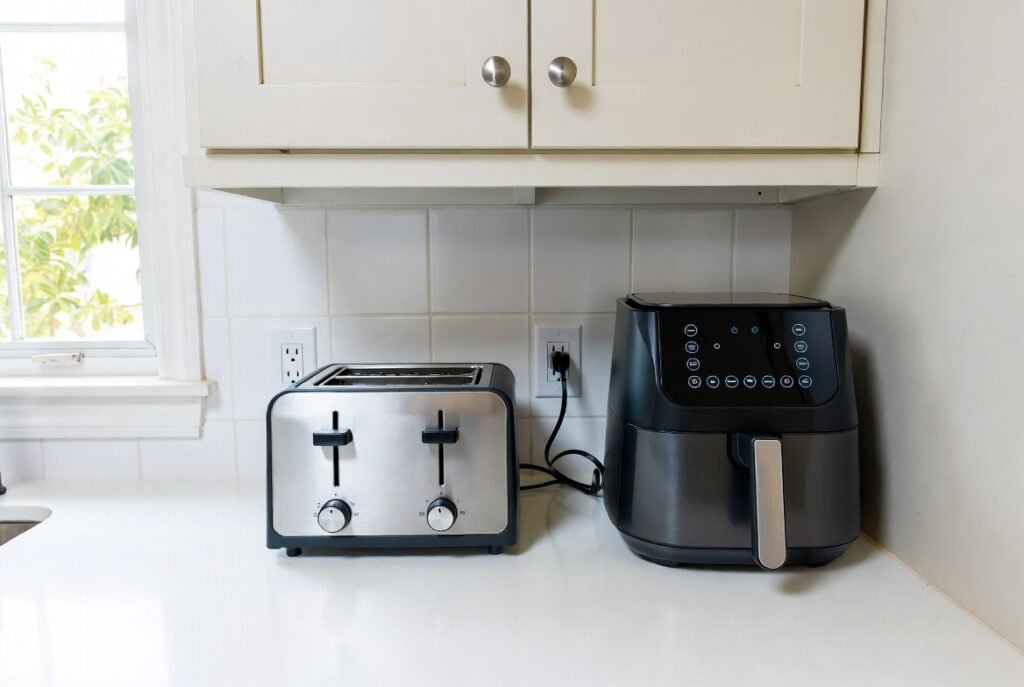
Toasters, air fryers, coffee makers – you name it, all those appliances zap watt power from the kitchen. A lot of new ones just keep a little LED display and sensors alive even when turned off. Five or six of them plugged into one kitchen circuit? Now that could pose a risk of overload. You and your kitchen wiring would be much better off if you unplugged the toaster or air fryer when done.
Desktop & High-End Gaming Computer
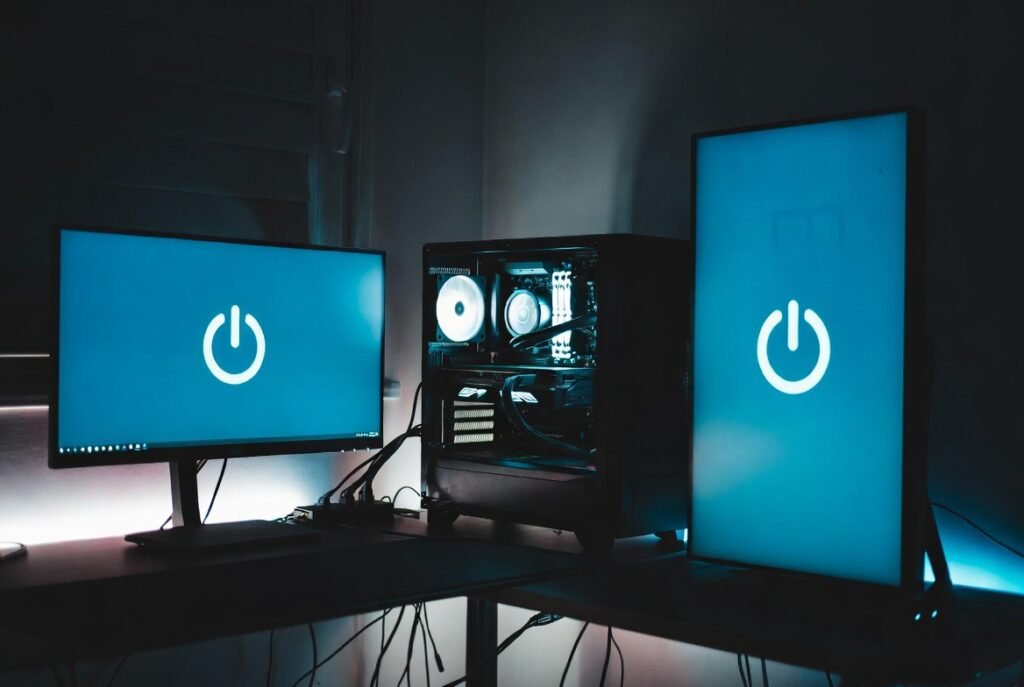
Running a gaming PC with one or more monitors requires a power load similar to a small refrigerator. These systems usually remain in sleep mode while wasting power, heating up the power supply unit. Next, they become victims of the sudden low resistance that flows through the main electrical panel of your house caused by thunderstorm surges or lightning.
Old Power Strips
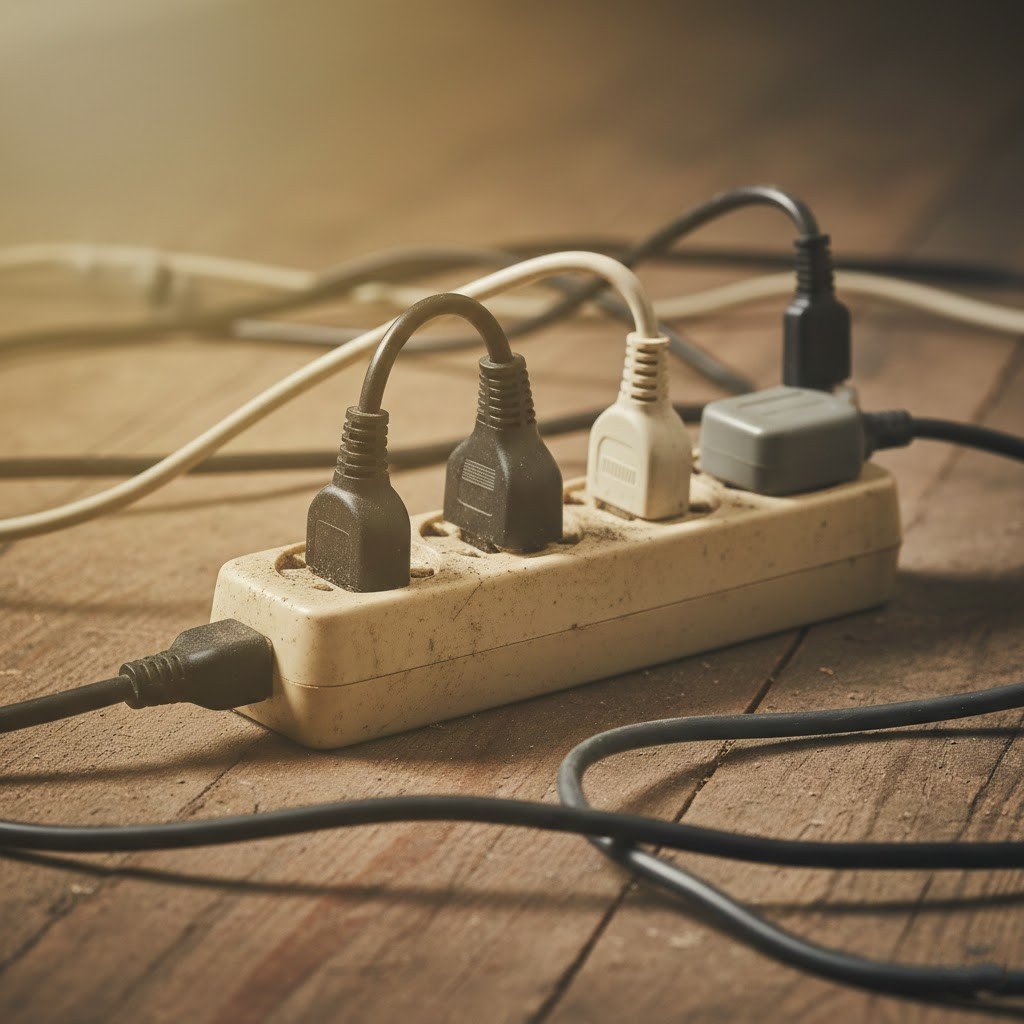
Not always an extension strip, no. One of the internal parts that tend to deteriorate is the metal oxide varistor. Hence, you run the risk of damaging your electronics plugged into an old power strip that couldn’t be protected anymore. When it feels warm or starts buzzing, unplug it.
Mobile A/Cs
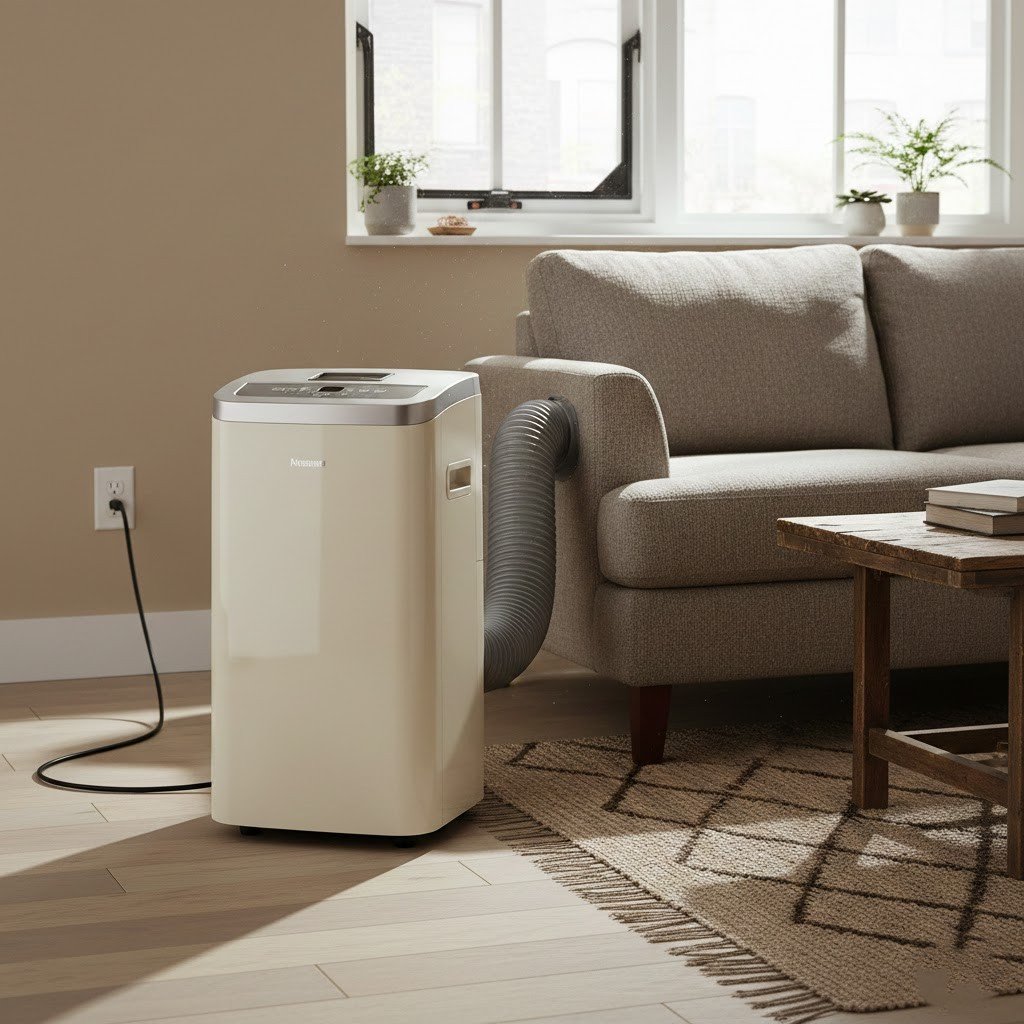
Much like the space heaters, electric portable A/Cs take a pretty hard toll on the power scale. Massive power is consumed while starting up their compressors. Now plug these A/Cs onto the same circuit that is powering your TV or computer, sit back, and enjoy the brownouts. In the long run, these voltage drops might just end up damaging other electronics connected on the same line.
Electric Power Tools in Garage
Drills, saws, sanders have induction motors that draw huge surges of electrical current the moment you pull that trigger. Keeping the tools on charge or connected to mains charge 24/7 might not help because the poorly insulated garage would undergo temperature swings and electrical draw that would only degrade wiring insulation inside your garage.
Old Non-Smart TVs
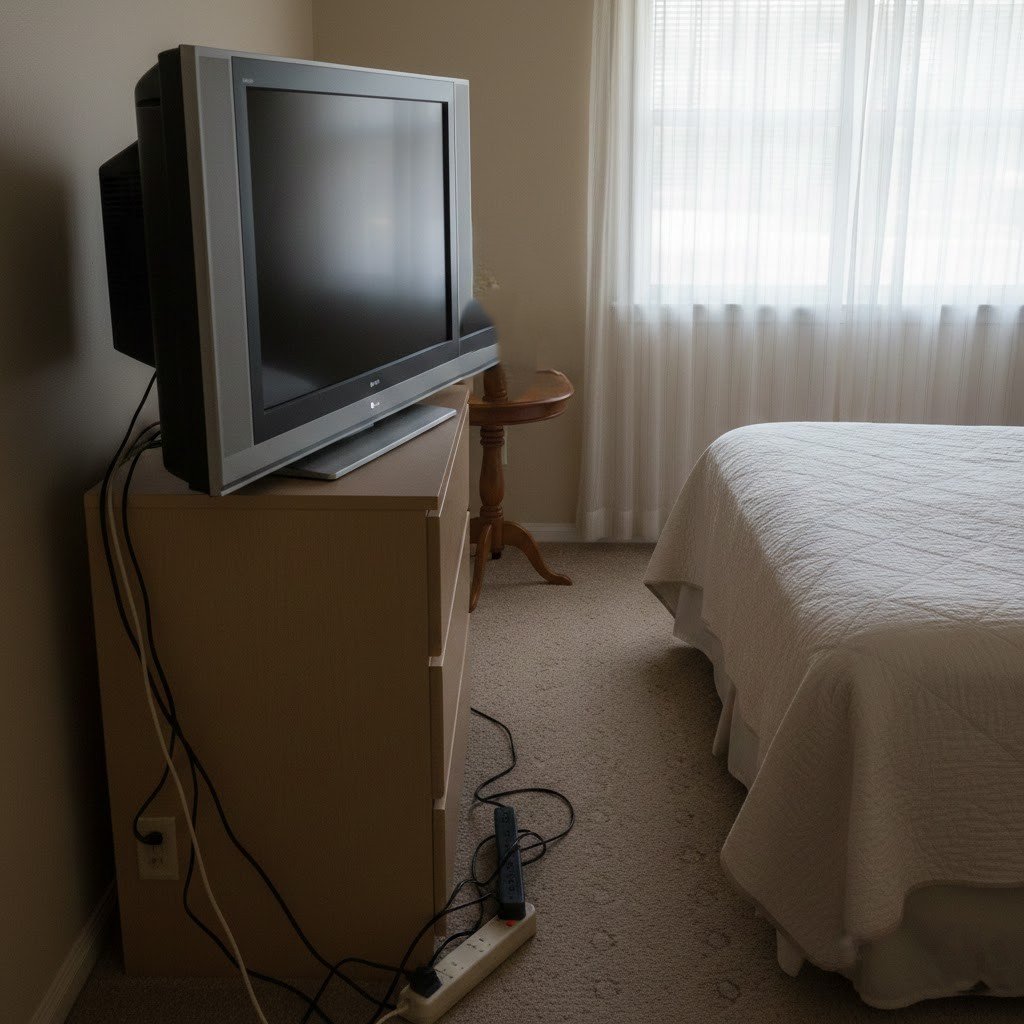
Formerly called vampire draw, plasma or LCD TVs. Waiting patiently for the evil one to activate it with his wand, the remote control. Disconnecting them from your guest room or basement for a couple of weeks would save energy and allow the internal power board not to fry itself and short out your outlet.
Electric Blankets
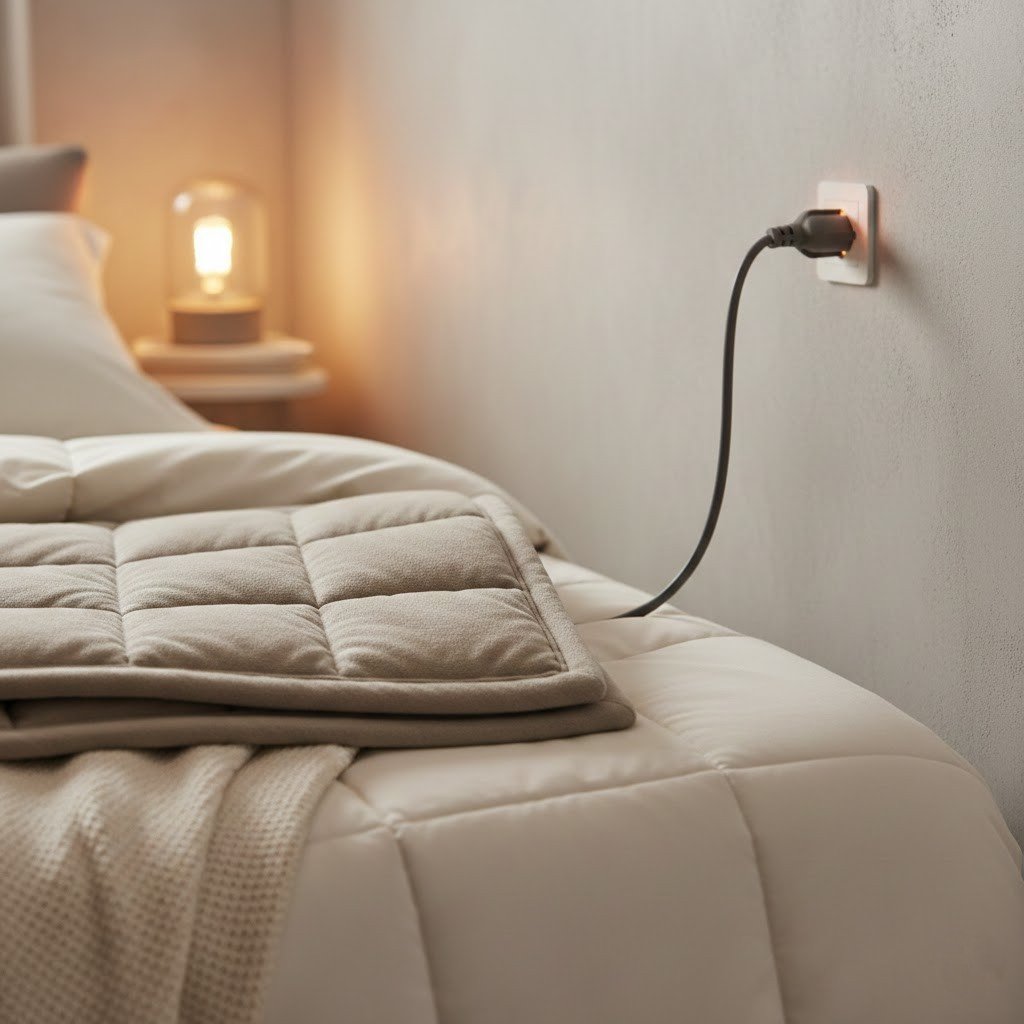
Electric blankets have very thin heating coils that may fray or bend with time. When you leave it on, plugged in, and then fold it, it may form hot spots. That fire risk would apply to the blanket itself and some erratic power draw from a damaged coil that sparks through the outlet next to your wall’s electrical box.
For An Extension Cord Going Permanent
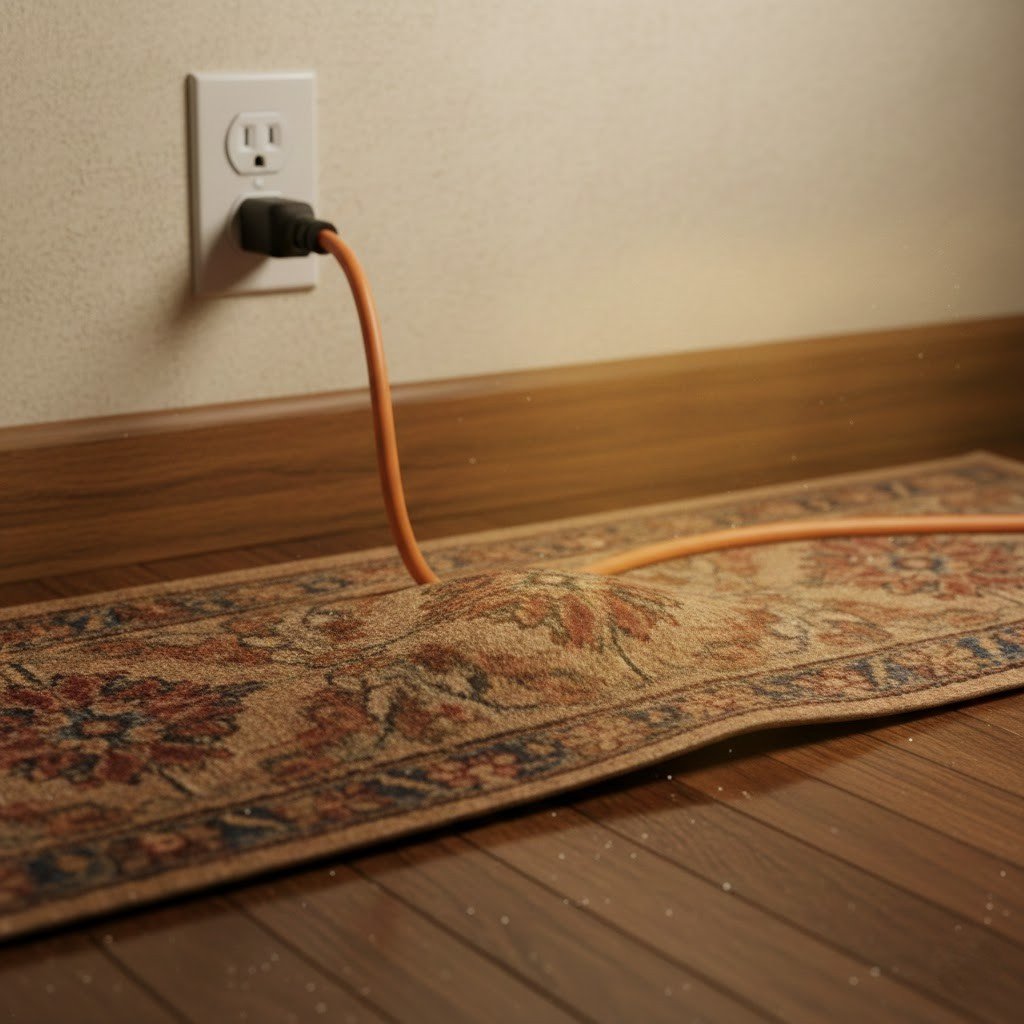
An extension cord ought to be used only temporarily. If you are now using it permanently under the rug or stapled to the baseboard wall to power a lamp or fan, it could trap heat for the cord to build pressure. Compared to “Romex” at the very inside of your walls, the thinner wire used in extension cords may melt and short-circuit, blowing your entire breaker line.
