
Scientists have conducted multiple experiments to investigate human decision-making processes which occur during challenging situations. Some experiments focused on morality—how people respond to authority, pressure, or ethical choices. The studies demonstrated how people behave through their patterns of obedience and empathy and decision-making abilities. The findings from these studies provide valuable insights which remain applicable in modern times. The experiments which follow present the ten most famous studies which investigated human moral behavior.
Milgram Experiment

The study required participants to administer electric shocks to a person who provided wrong answers. The shocks were not real, but participants believed they were. People who felt discomfort continued to work when an authority figure ordered them to do so.
Stanford Prison Experiment
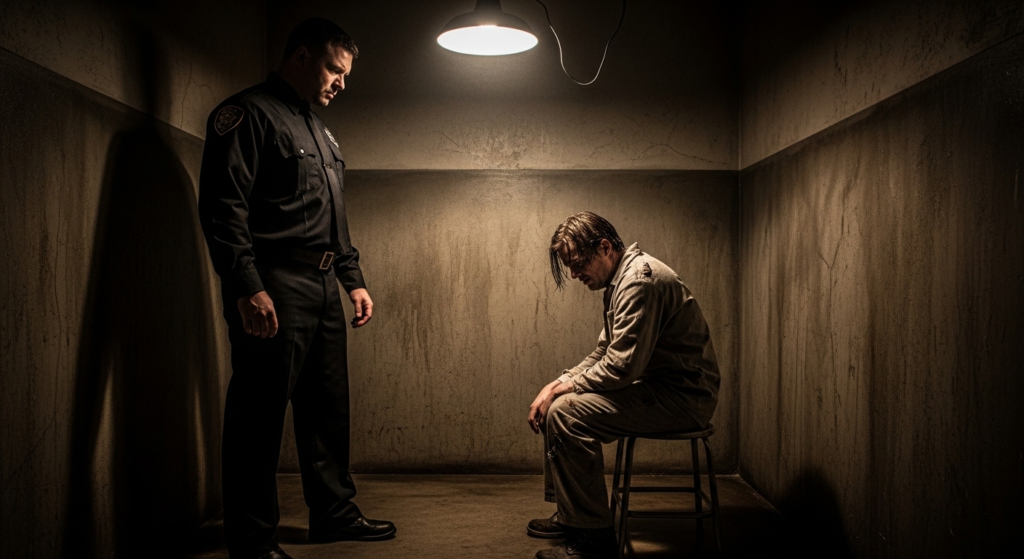
The guards developed strict control methods while the prisoners showed increasing levels of psychological distress. The research demonstrated how people quickly develop their designated roles while environmental conditions determine their abilities to make moral choices.
Asch Conformity Experiment

The group members reached a wrong conclusion, but most participants chose to follow the group despite knowing the correct answer. The experiment demonstrated that social pressure can affect decision-making because people tend to believe they know the correct answer.
Bystander Effect Experiment

The researchers studied how people respond when someone requires assistance. The researchers discovered that people become less likely to help when they see others present. People experience shared responsibility, which leads them to wait for someone else to assist the situation.
Robbers Cave Experiment

Two groups of boys were placed in competition at a camp. The two groups worked together better because they needed to achieve their common objectives. The research demonstrated that group membership affects human behavior while shared group membership helps to resolve disputes.
Trolley Problem Experiments

The participants received a moral dilemma which required them to decide between saving five lives or sacrificing one person. The study results demonstrate that people use different methods to evaluate moral behavior depending on whether it involves direct or indirect actions.
Marshmallow Test

Children were given the choice between an instant treat or two treats which required them to wait. The participants who waited before receiving their treat demonstrated self-discipline. The experiment provides evidence that early choices about decision-making today will determine future planning abilities.
Good Samaritan Experiment

The participants received an invitation to deliver a presentation which required them to walk past an individual who needed assistance. The study found that people who needed to complete their tasks quickly were less inclined to assist others. The research demonstrated how time constraints affect people when they make ethical decisions.
Lost Wallet Experiment

The researchers conducted their study by leaving wallets in public areas to check if passersby would bring them back. People returned many wallets when they found identification inside. The experiment helped researchers understand how people act in situations which require them to decide between honesty and trust.
Blue Eyes Brown Eyes Experiment

A school activity divided students into two groups based on their eye color and used different methods to educate both groups. The students showed immediate changes in their behavior because of the experimental treatment which formed discriminatory patterns in their interactions.
