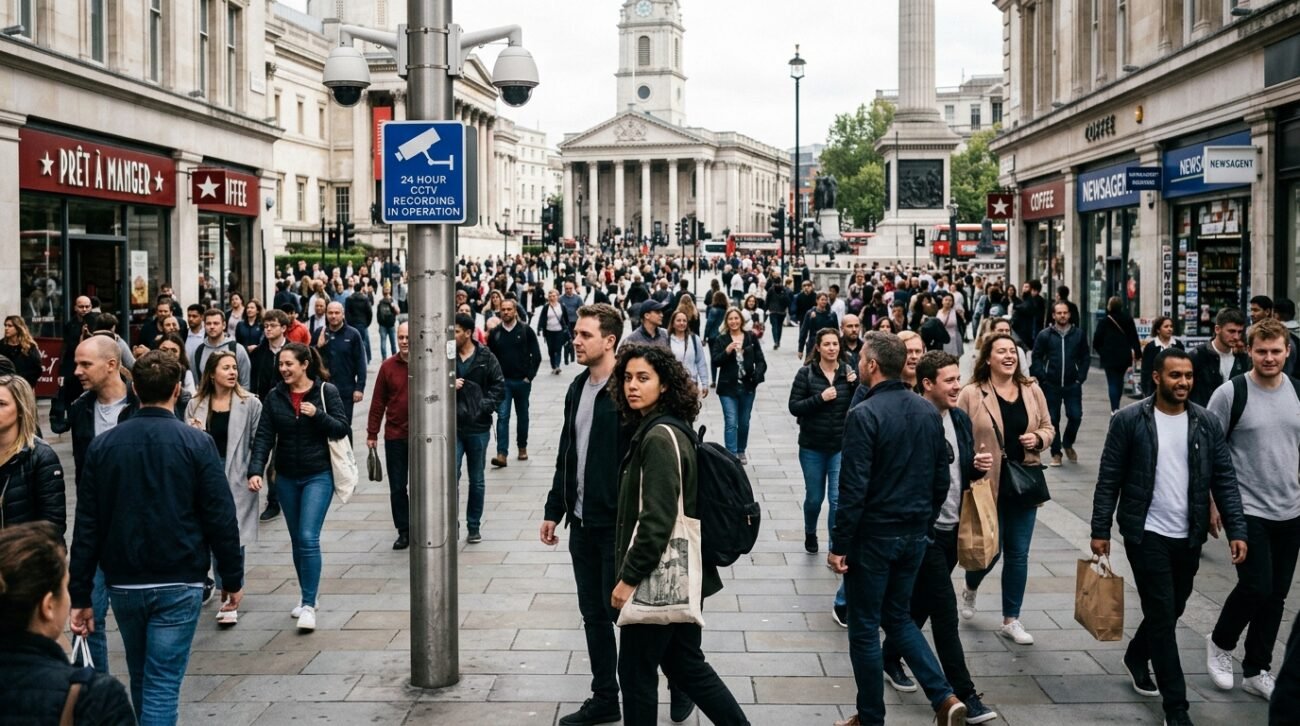
Face recognition technology is becoming more common in public spaces, from airports to shopping centers. Curious about its accuracy and limitations, we decided to test it ourselves. Our experience revealed both impressive capabilities and surprising gaps. While the system could identify some faces quickly, others were missed or misidentified. The technology works best under good lighting and with clear, frontal images. Yet factors like masks, hats, or low-quality cameras can dramatically reduce accuracy. Understanding how these systems function helps people navigate public spaces while staying aware of privacy concerns.
Accuracy in Open Spaces
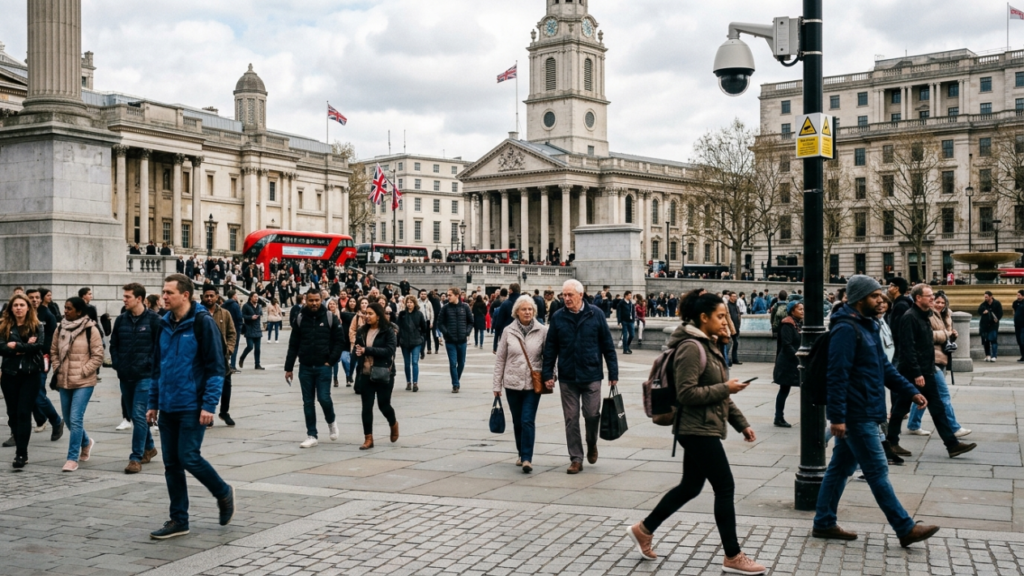
In large, busy areas, face recognition performed inconsistently. While some faces were recognized immediately, others were missed, especially when people were moving quickly or in groups.
Lighting Matters
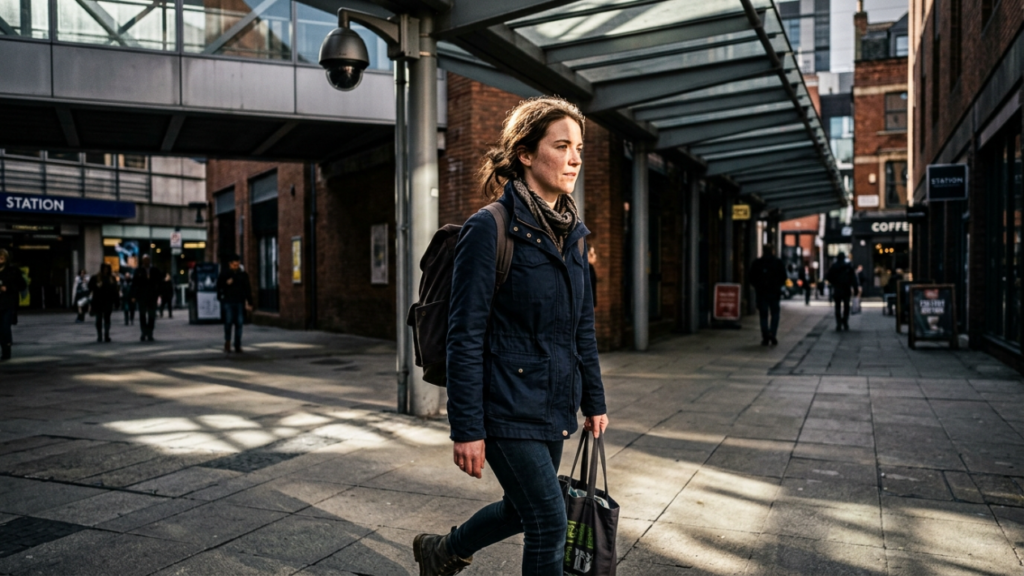
Proper lighting dramatically affected recognition. Shadows, dim lighting, or bright sunlight caused errors, making it clear that environmental conditions play a major role in performance.
Masked Faces
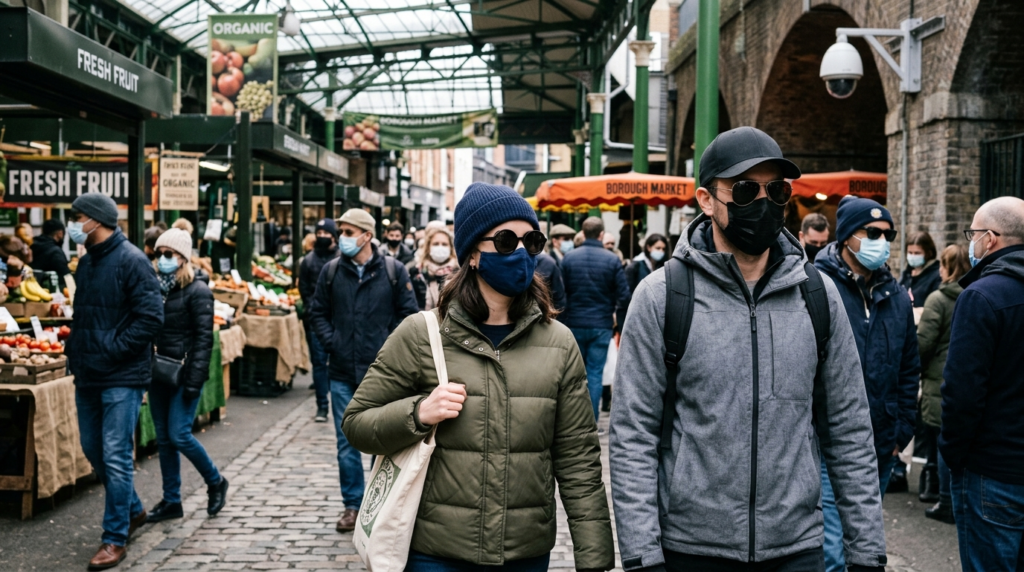
Masks, hats, and sunglasses significantly reduced the system’s ability to identify individuals. Even a partial mask could confuse the software, highlighting its sensitivity to facial coverage.
Age and Facial Changes
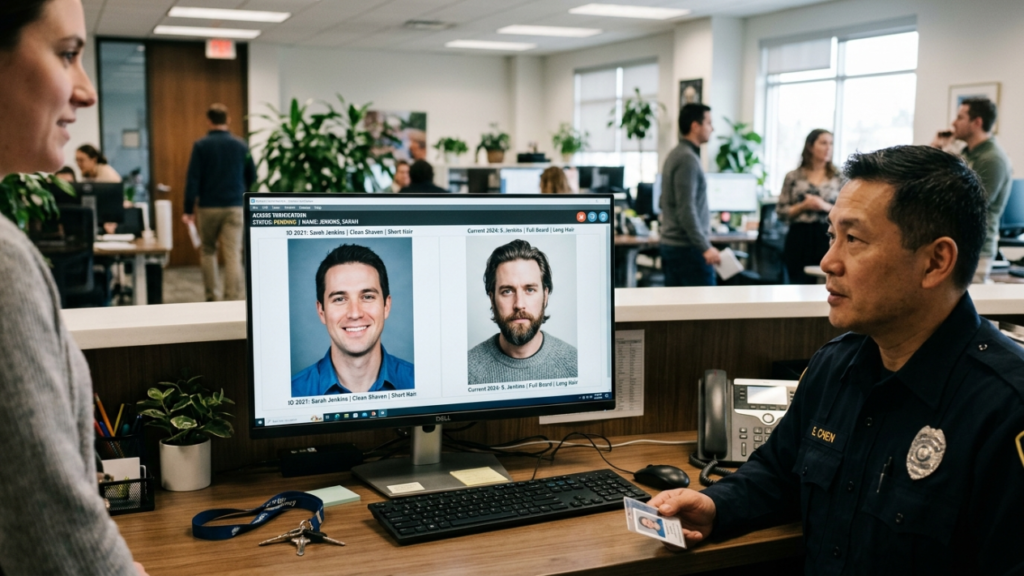
Faces with subtle aging signs or expressions sometimes caused misidentification. The system struggled when someone had changed their hairstyle or facial hair since the database image was taken.
Camera Quality
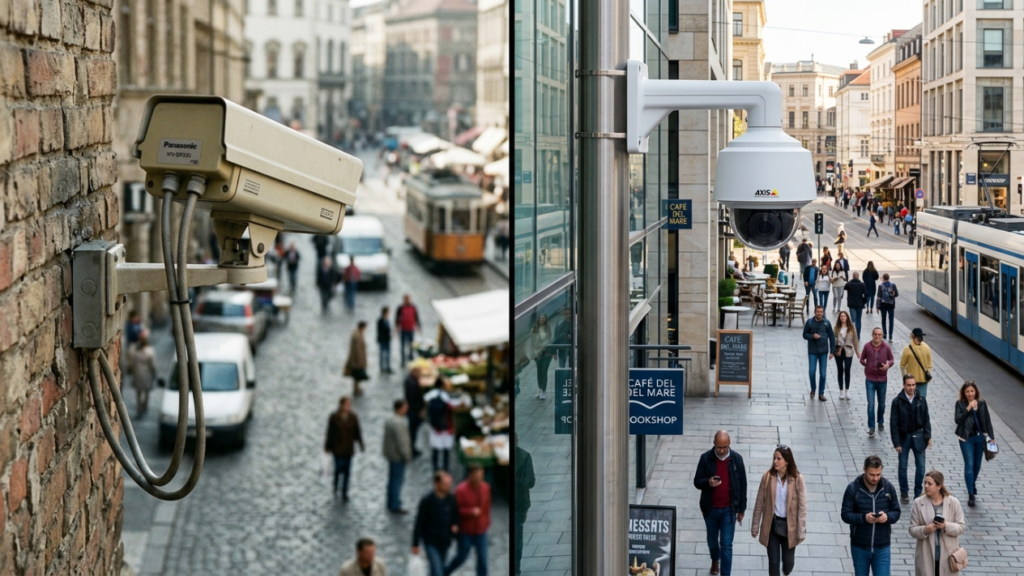
High-resolution cameras produced better results, while older or lower-quality cameras often failed to recognize faces. This shows the importance of technology and hardware in detection.
Crowd Density
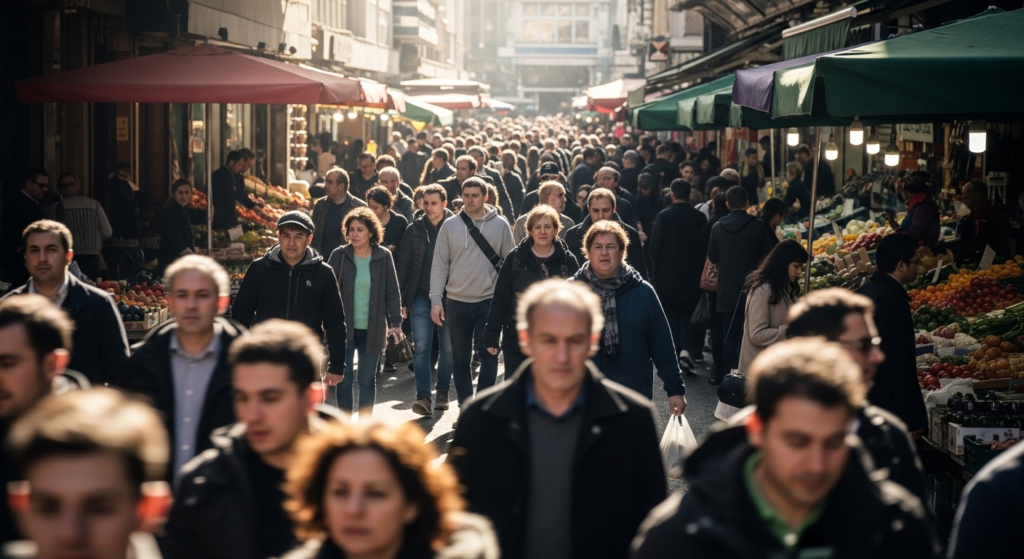
In crowded areas, recognition slowed or produced errors. Overlapping faces, movement, and obstructions made it challenging for the software to isolate individuals.
Real-Time Processing
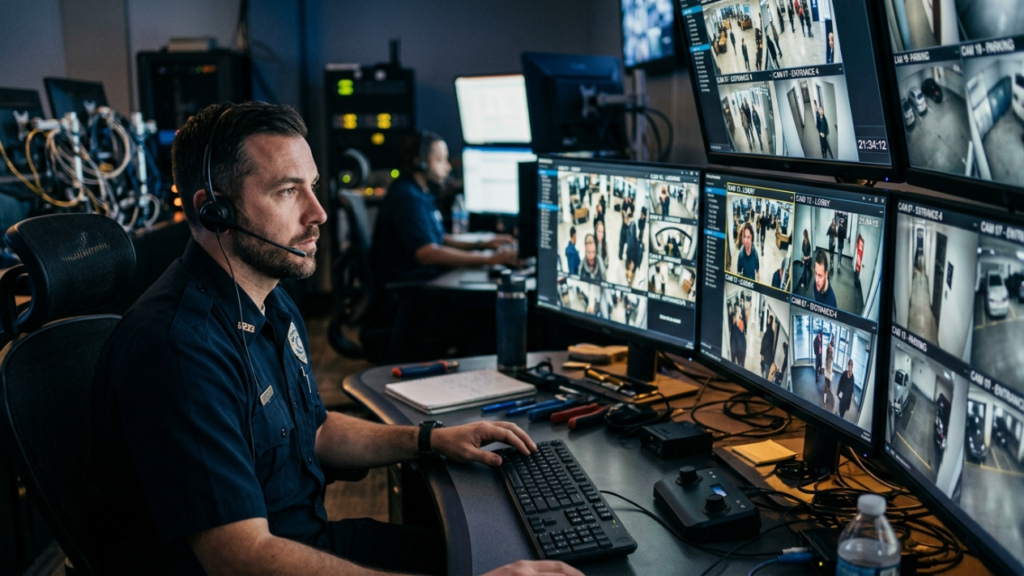
Face recognition worked faster in controlled environments than in busy public settings. Processing delays occurred when multiple faces were present simultaneously.
Security Applications
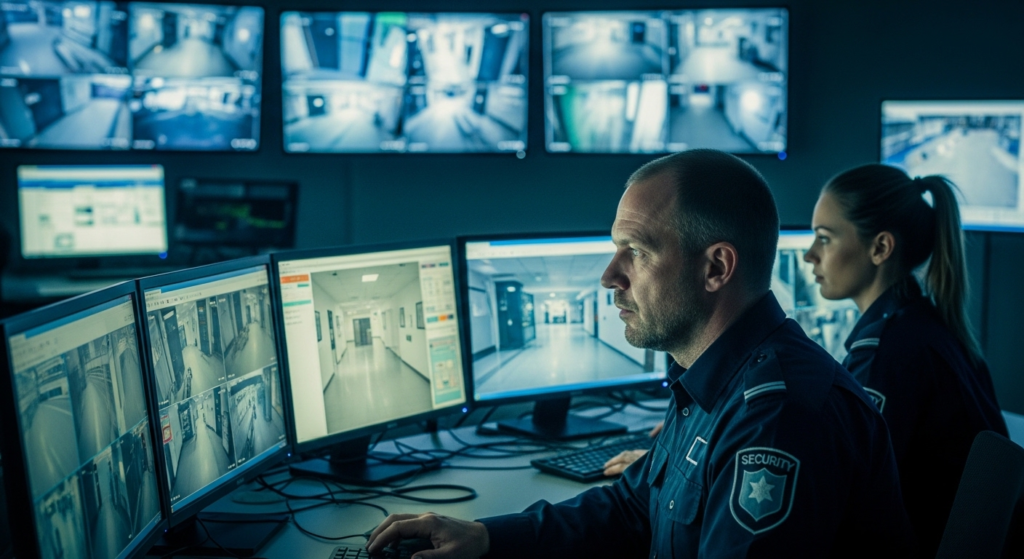
The technology is highly useful for security purposes, such as identifying known threats or finding missing persons, but it is not foolproof. Human oversight remains essential.
Privacy Concerns
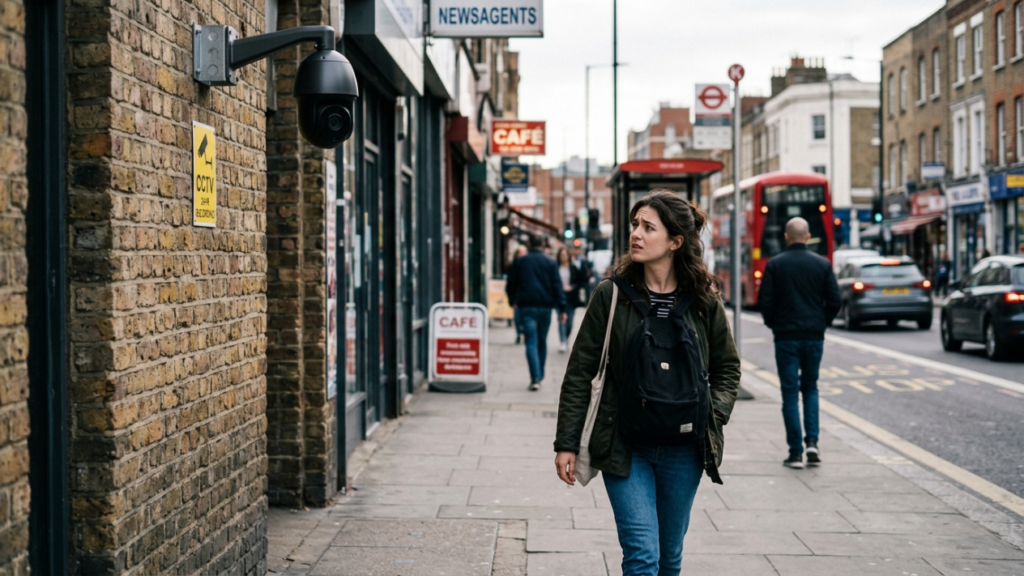
Many people were unaware that cameras were capturing and analyzing their faces. Transparency about data usage is critical to maintain trust and ethical standards.
Behavioral Influence
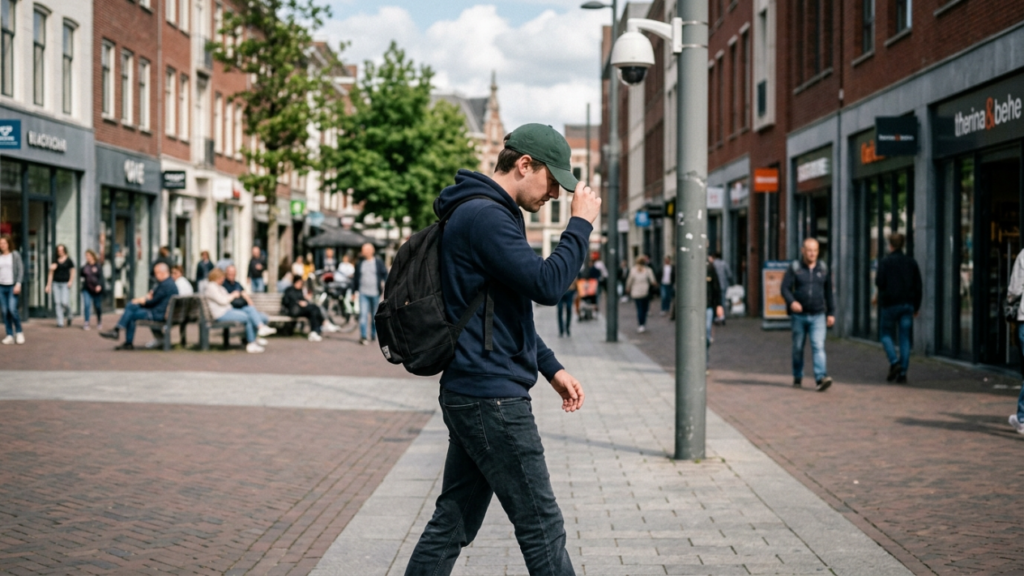
Knowing they were being scanned, some individuals adjusted their behavior, avoiding cameras or wearing accessories. This shows that awareness can affect real-world accuracy.
Misidentification Risks
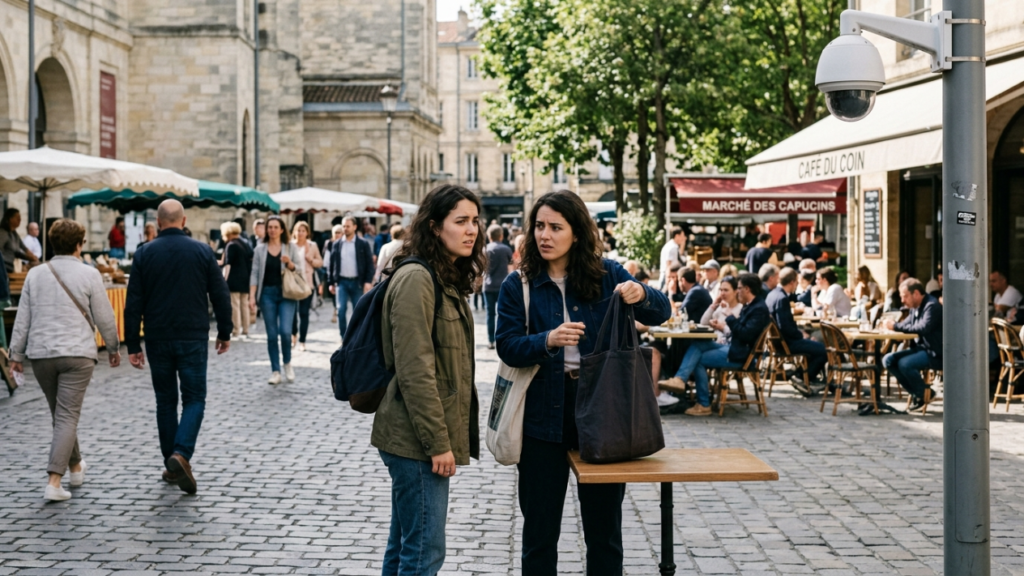
False positives occurred occasionally, especially with similar-looking individuals. Such errors can have significant consequences if relied upon without verification.
Consistency Across Platforms
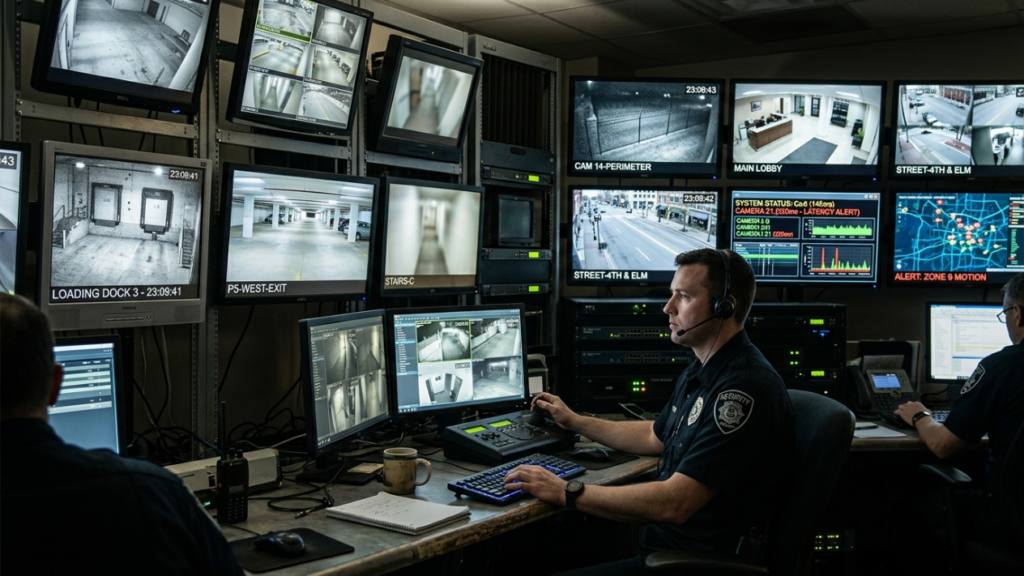
Different face recognition systems varied in performance. Some were faster but less accurate, while others required longer processing but had higher success rates.
Lighting and Angle Adjustments
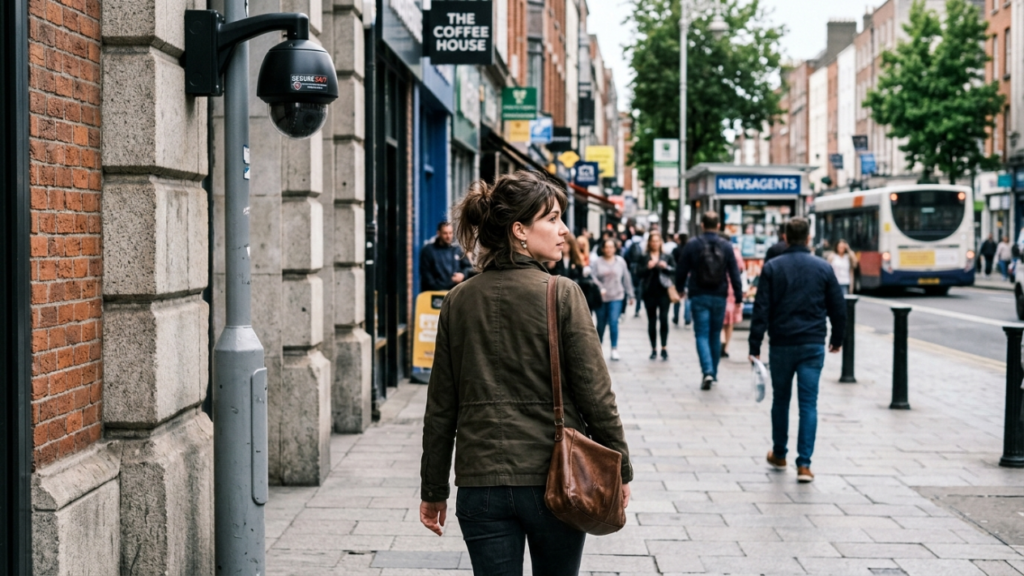
Small changes in angle or posture affected outcomes. Faces turned slightly to the side or tilted could fail detection, showing the system’s limits in dynamic situations.
Integration with Other Technologies
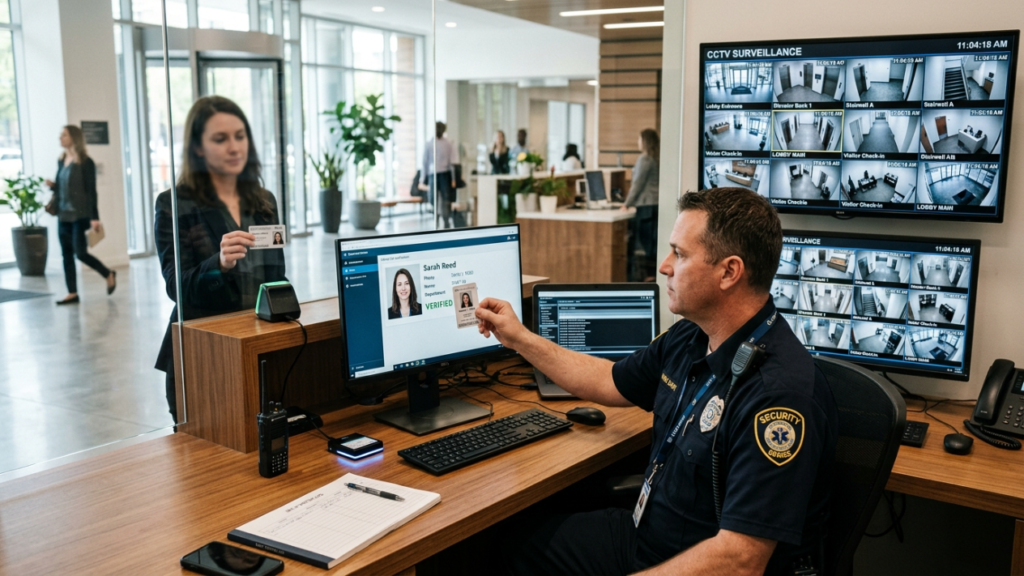
When paired with ID systems or databases, recognition improved. Combining face scans with additional information enhances accuracy and reliability.
Public Perception
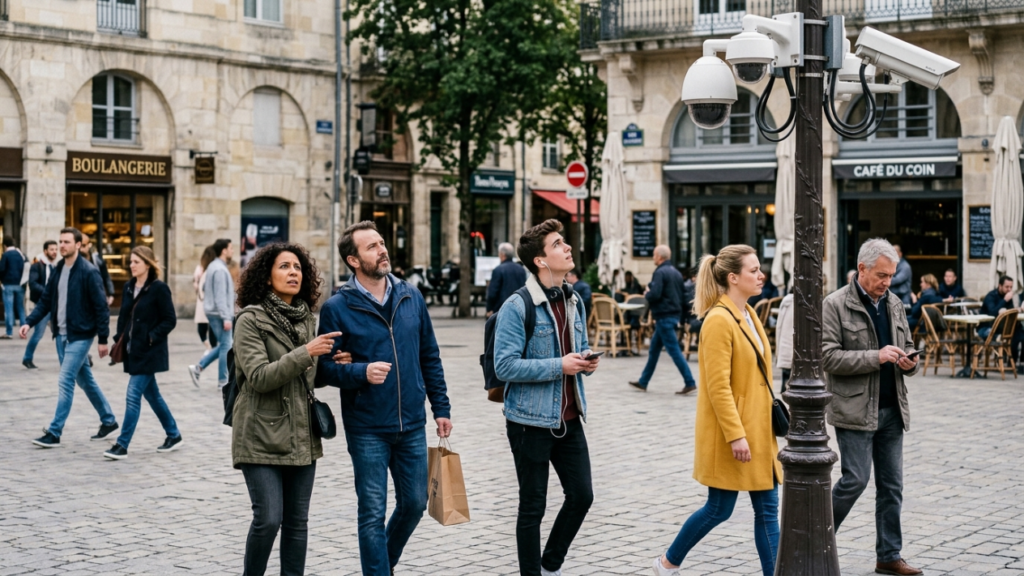
Reactions were mixed some were impressed by the technology, while others were concerned about privacy. Clear communication and regulations can help balance benefits and risks.
