
Smart glasses are becoming a part of everyday wearable technology, offering features such as hands-free communication, recording, and real-time information display. To understand how people respond to this emerging device in natural environments, a field-style observation was conducted in public spaces. The focus was not on disruption but on everyday interactions, awareness, and comfort levels among people nearby. The experience highlighted how technology blends into social settings and how individuals respond when faced with subtle, wearable digital tools. The findings provide insight into behavior, privacy expectations, and social adaptation as wearable technology continues to evolve in modern environments.
Setup and Context

The observation took place in common public areas such as parks and marketplaces. The aim was to see how people behave when smart glasses are present in normal daily environments without prior notice or explanation.
Device Overview
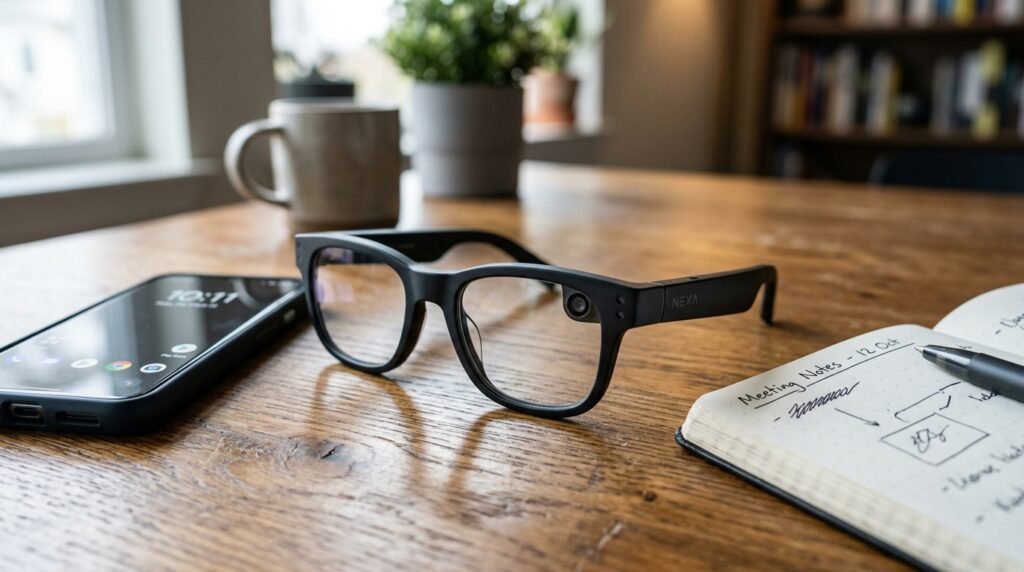
The smart glasses used included basic camera functions, audio capture, and display features. They were designed to look similar to regular eyewear, making them suitable for blending into everyday surroundings while still offering advanced digital capabilities for communication and information access.
Privacy Awareness

People around showed varying levels of awareness regarding recording devices. Some individuals appeared cautious, while others continued normal conversations without concern. This highlighted a general lack of clarity about wearable technology boundaries and how easily such devices can be noticed or overlooked in busy environments.
Natural Behavior Observation

In most cases, individuals behaved naturally without changing their actions. Conversations, walking patterns, and group interactions remained consistent. This suggests that wearable technology, when subtle in design, does not significantly alter public behavior unless it becomes highly visible or explicitly noticeable to others nearby.
Interaction Patterns

Interactions with people were generally neutral and polite. When brief conversations occurred, most individuals focused on the person rather than the device. Only a few asked questions about the glasses, showing curiosity rather than concern. This indicates that wearable technology is gradually becoming socially acceptable in everyday communication settings.
Public Comfort Levels
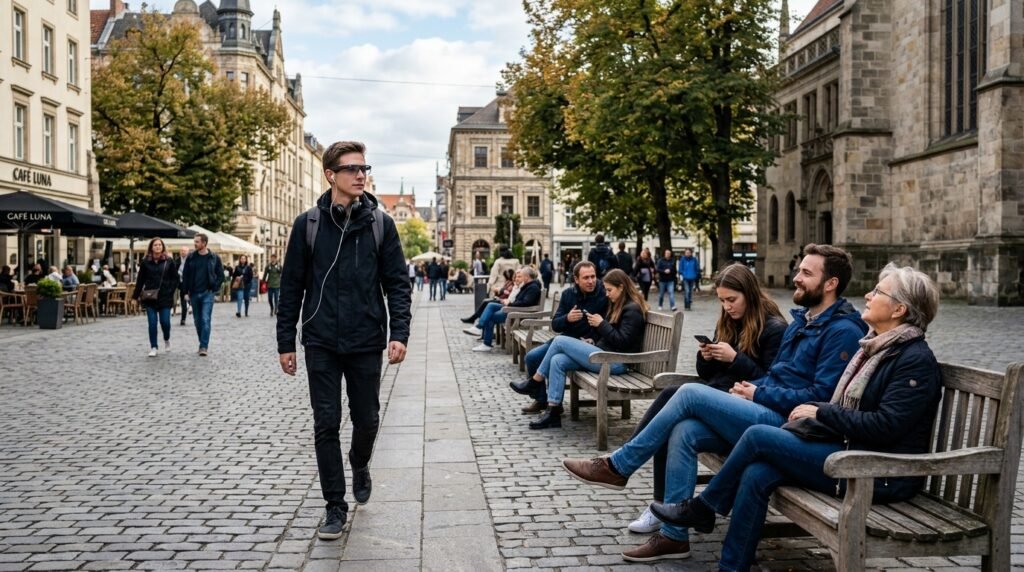
Comfort levels varied depending on proximity and awareness. Some individuals maintained distance when they noticed recording capability, while others showed no change in behavior. This reflects an ongoing adjustment phase where society is still adapting to personal technology that can operate discreetly in shared spaces.
Attention Response

The glasses did not consistently draw attention unless highlighted through movement or direct interaction. In crowded environments, most people focused on their own activities. This suggests that subtle wearable devices can exist in public without becoming a focal point, especially when designed to resemble common accessories like eyewear.
Ethical Considerations
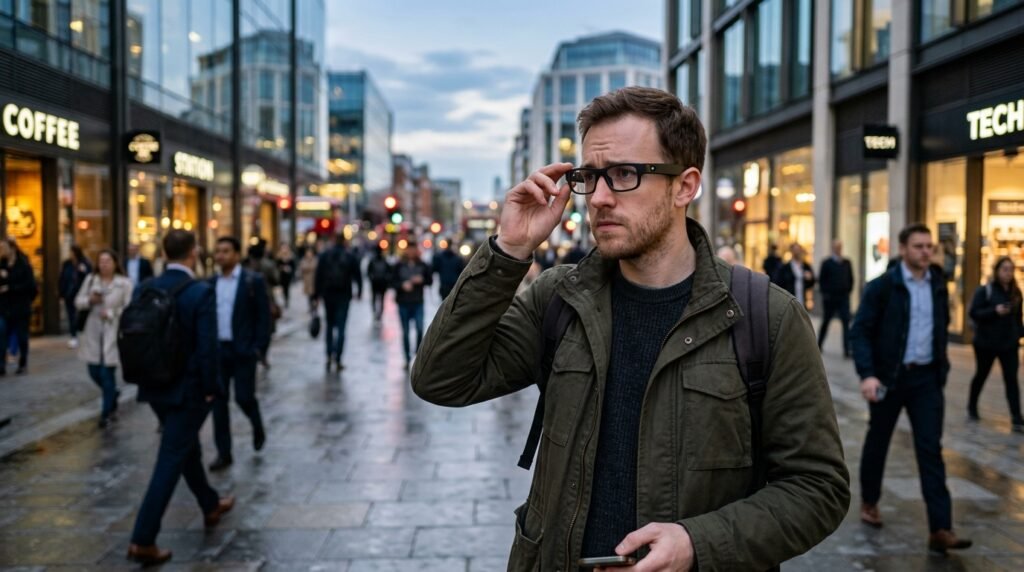
The use of recording-enabled wearables raises important ethical questions about awareness and consent. While technology offers convenience, it also requires responsible use to ensure that individuals in shared spaces are not recorded without understanding or permission. Clear guidelines and transparency remain essential for maintaining trust in public environments.
Data Handling Practices

Recorded information from smart glasses must be managed carefully to protect privacy. Secure storage, limited access, and responsible sharing practices are necessary. As wearable devices become more advanced, data protection becomes a key factor in ensuring that users and those around them remain safeguarded from misuse.
