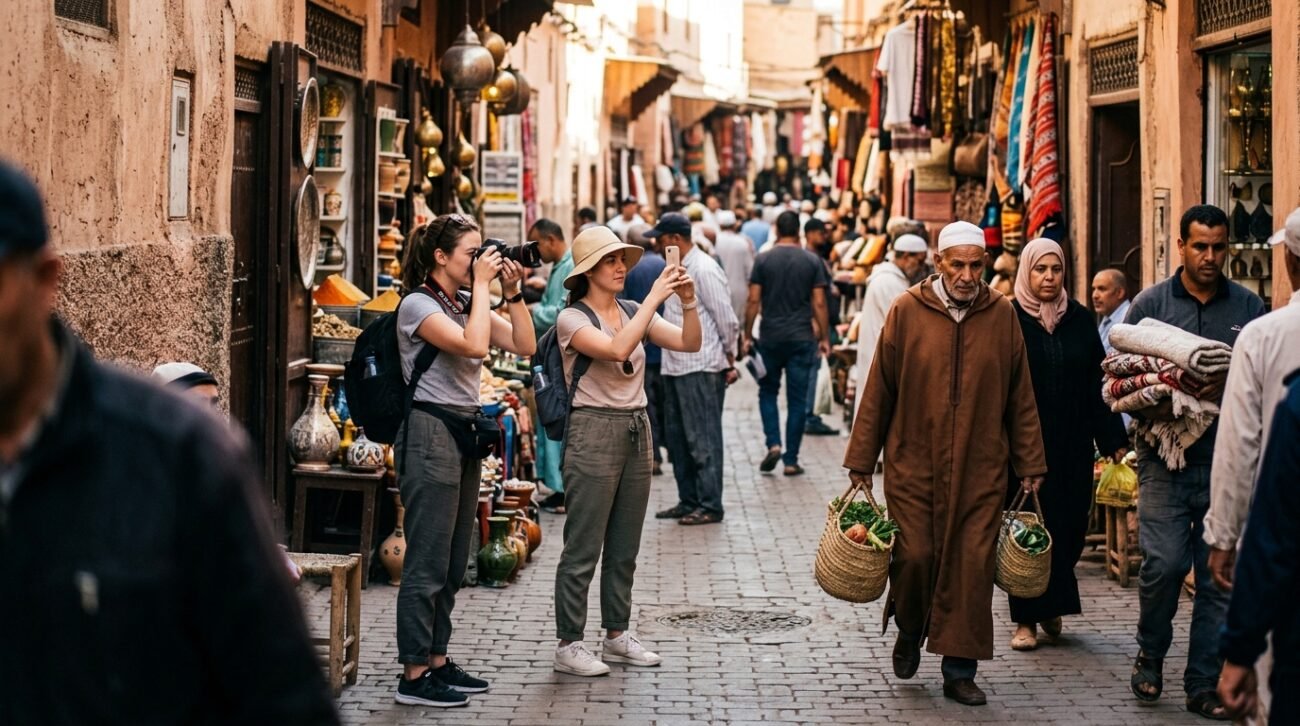
Travel often reveals subtle differences in how people are treated, depending on whether they are visitors or residents. While some destinations go out of their way to welcome tourists warmly, locals may receive more practical, everyday interactions. This contrast can shape how experiences are remembered, from dining and shopping to transportation and hospitality. It is not always about favouritism; sometimes it reflects familiarity, expectations, or economic factors. Understanding these differences helps travelers navigate new places more confidently while also appreciating the perspective of residents who interact with the same systems daily in a very different way.
First Impressions Matter More for Tourists
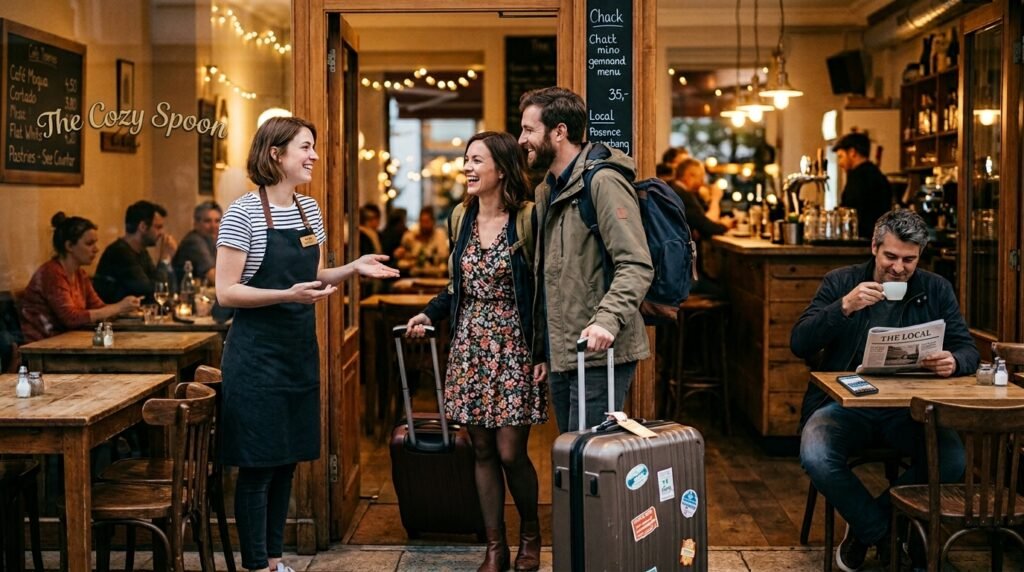
Visitors often receive warmer greetings because businesses aim to create a positive impression. Locals, being familiar faces, may experience more routine interactions that are polite but less enthusiastic in tone.
Pricing Can Vary Subtly
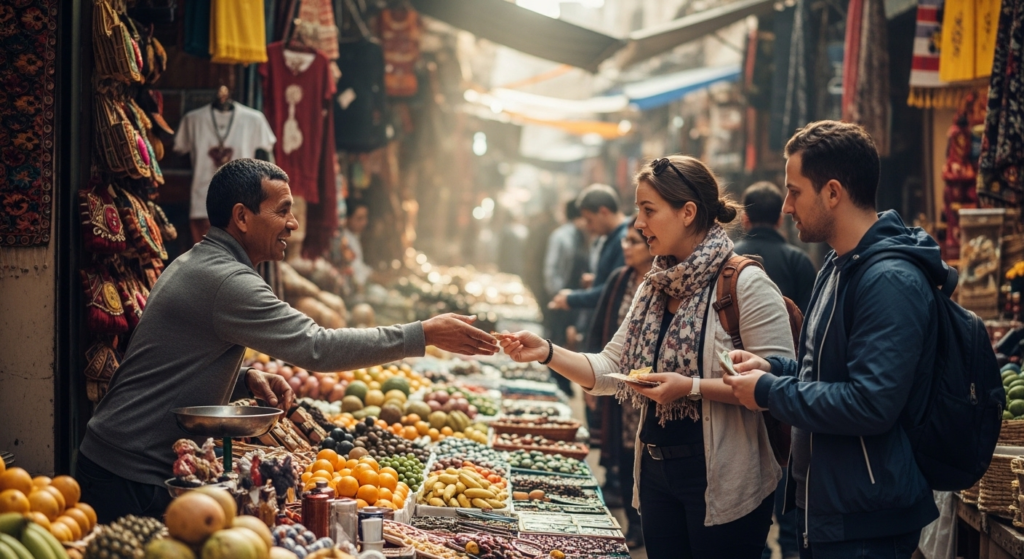
Tourists may sometimes face slightly higher prices, especially in busy areas. Locals usually know standard rates and where to find better value, giving them an advantage in everyday transactions.
Service Speed Differences
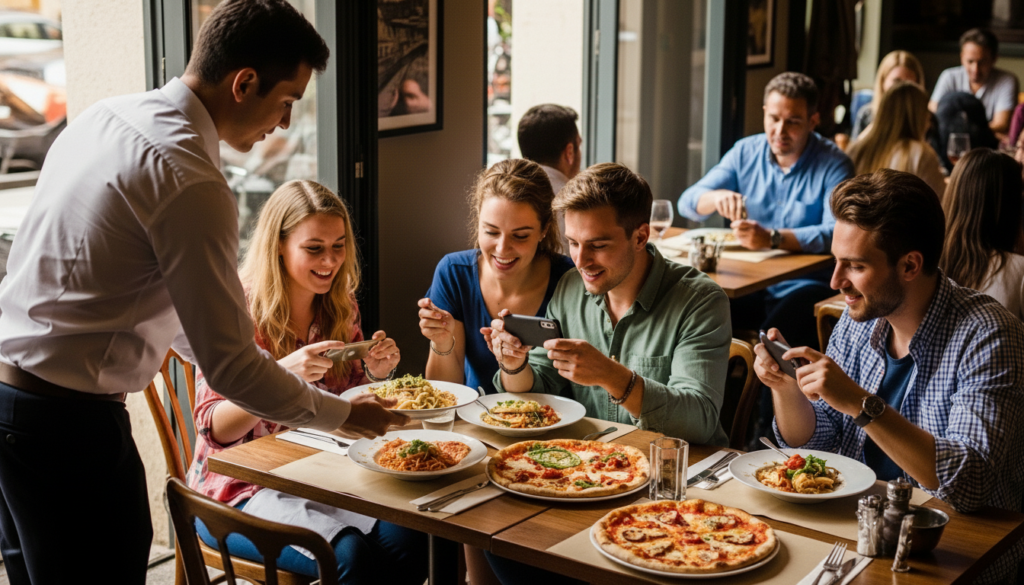
In some places, staff may prioritize tourists to ensure quick and pleasant experiences. Locals, on the other hand, might encounter a more relaxed pace, as their presence is not seen as time-sensitive.
Access to Insider Knowledge
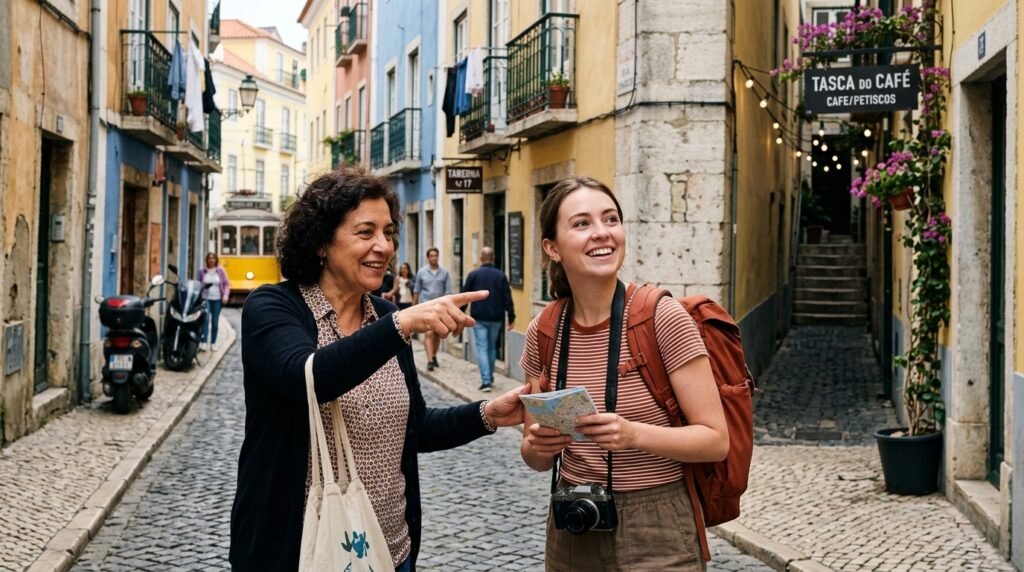
Locals benefit from deep familiarity with hidden spots, shortcuts, and trusted services. Tourists rely on recommendations, which can sometimes lead to more curated but less authentic experiences.
Flexibility in Rules

Residents may find it easier to navigate local systems, permits, or processes due to familiarity. Tourists often follow stricter guidelines since they are less aware of informal practices.
Hospitality Expectations

Tourists often expect attentive service and cultural warmth. Businesses respond accordingly, while locals typically engage in more straightforward, less ceremonial interactions.
Communication Advantage
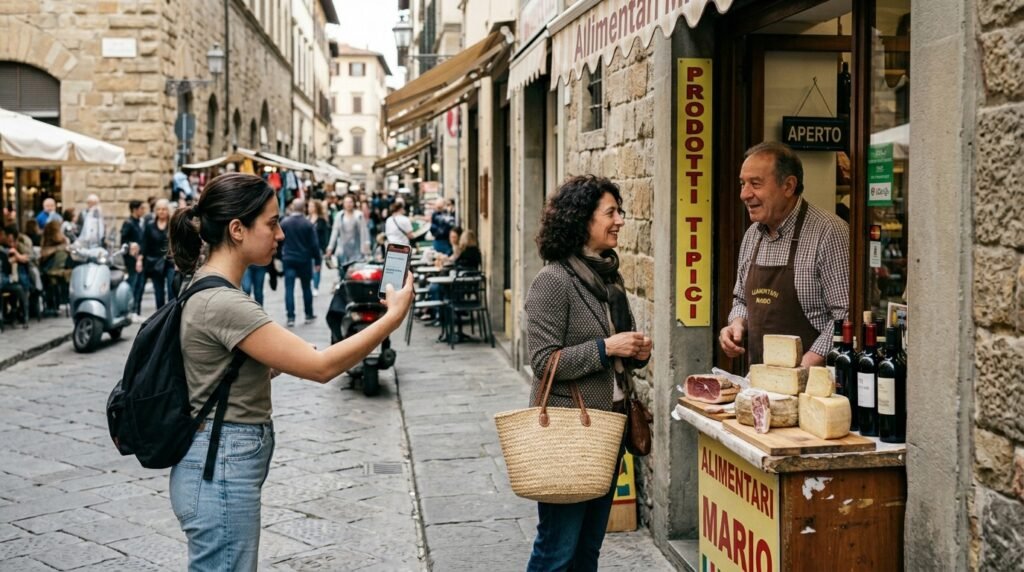
Locals communicate more easily, especially in native languages or dialects. Tourists may receive extra assistance, but communication gaps can still affect the quality of their experience.
Trust and Familiarity
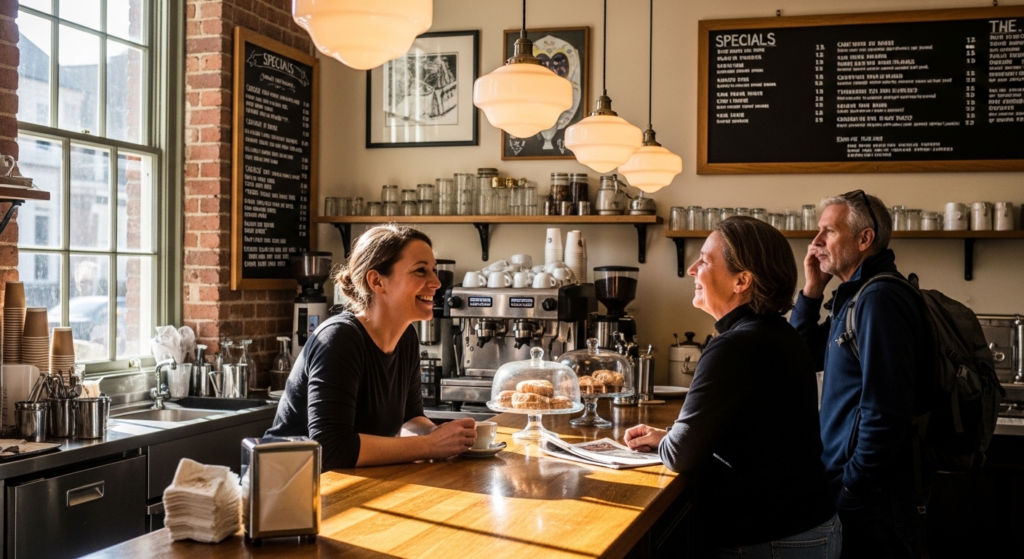
Regular customers build trust over time, which can lead to better deals or personalized service. Tourists, being temporary visitors, usually do not benefit from such long-term relationships.
Cultural Sensitivity
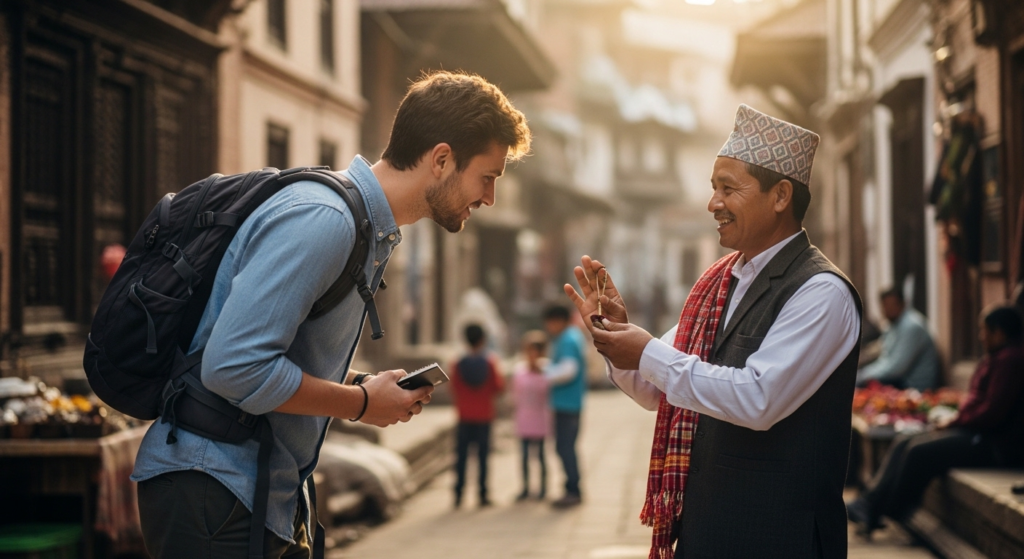
Tourists are often given more leeway for cultural misunderstandings. Locals are expected to follow social norms closely, as they are part of the community.
Availability of Services
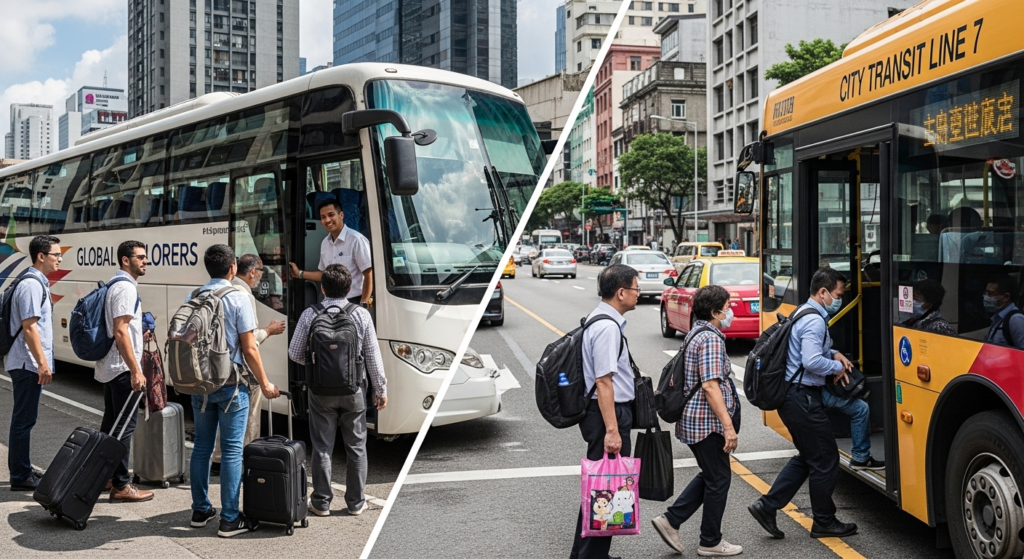
Some services are designed specifically for tourists, offering convenience and guidance. Locals may use more practical, cost-effective options that are less visible to visitors.
Local Perspective Shapes Experience
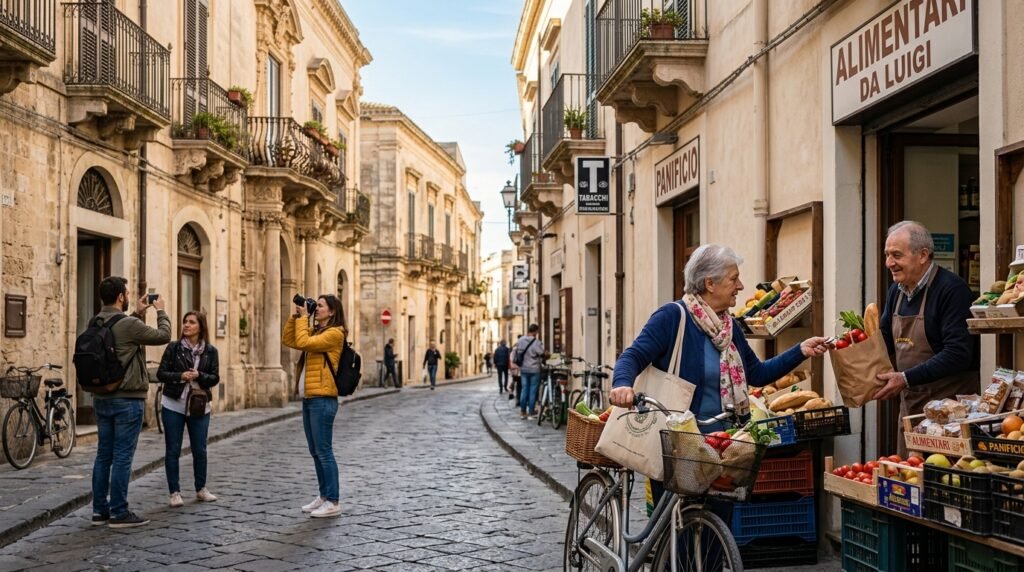
Residents experience places through daily routines, noticing details that tourists may overlook. Their interactions are shaped by long-term familiarity rather than short-term impressions, creating a deeper but less curated engagement.
Overall Experience Balance

Tourists may enjoy enhanced attention and curated experiences, while locals benefit from familiarity and efficiency. Neither experience is universally better; both offer unique advantages depending on perspective and expectations.
