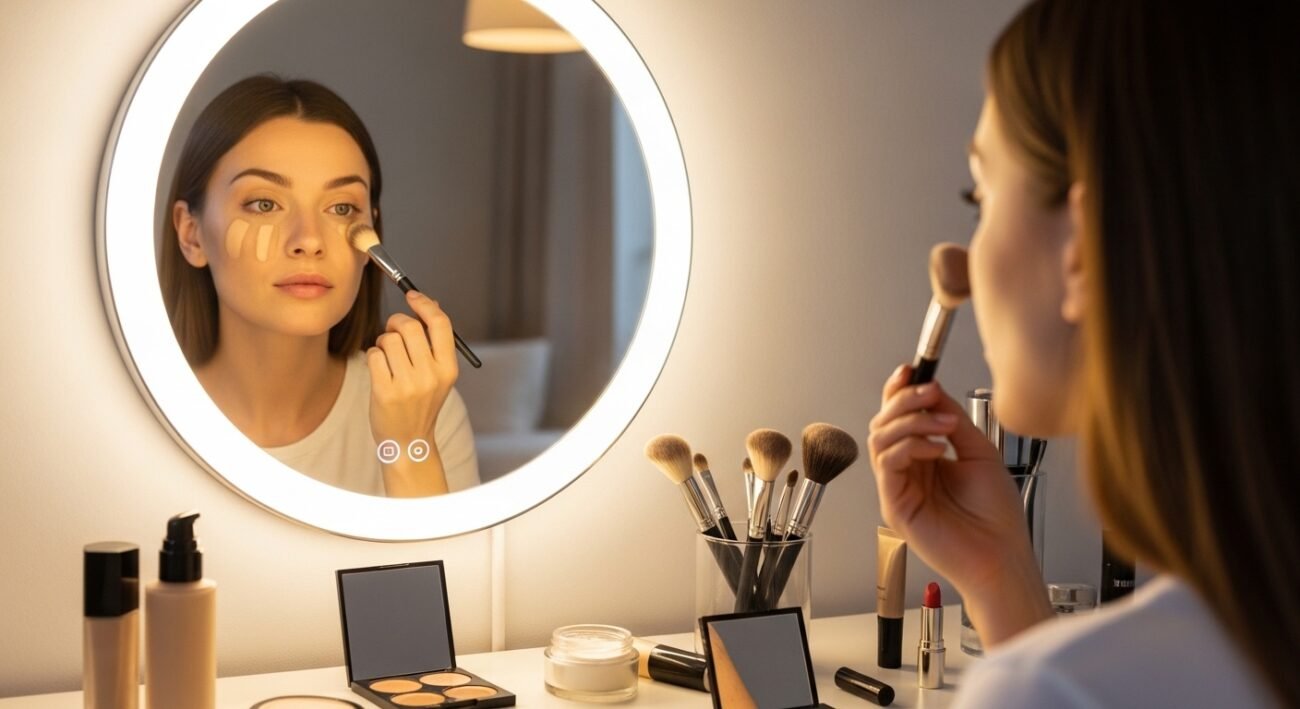
Concealer and loose powder can either elevate your makeup or subtly work against you. Many people follow routines that once worked but no longer deliver the same smooth, fresh finish. Small application habits often overlooked can lead to creasing, dryness, or a tired appearance. The good news is that these issues are easy to fix once you know what to look for. By refining a few techniques and understanding how products interact with your skin, you can achieve a more polished and natural result. Here are some common mistakes and simple ways to avoid them for a smoother, more flattering makeup look.
Using Too Much Concealer
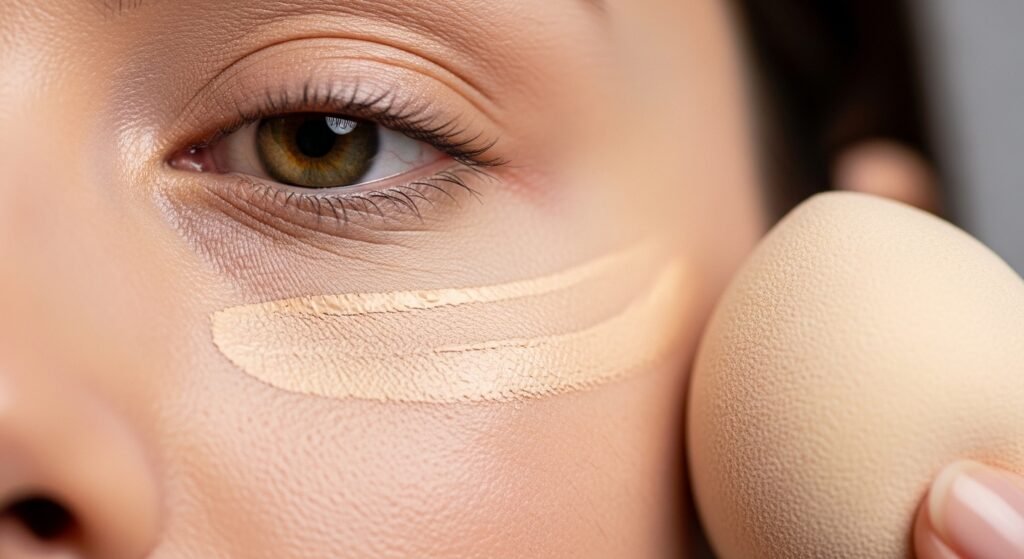
Applying thick layers may seem like better coverage, but it often settles into fine lines. A small amount blended well gives a smoother, more natural finish without drawing attention to texture.
Skipping Skin Prep
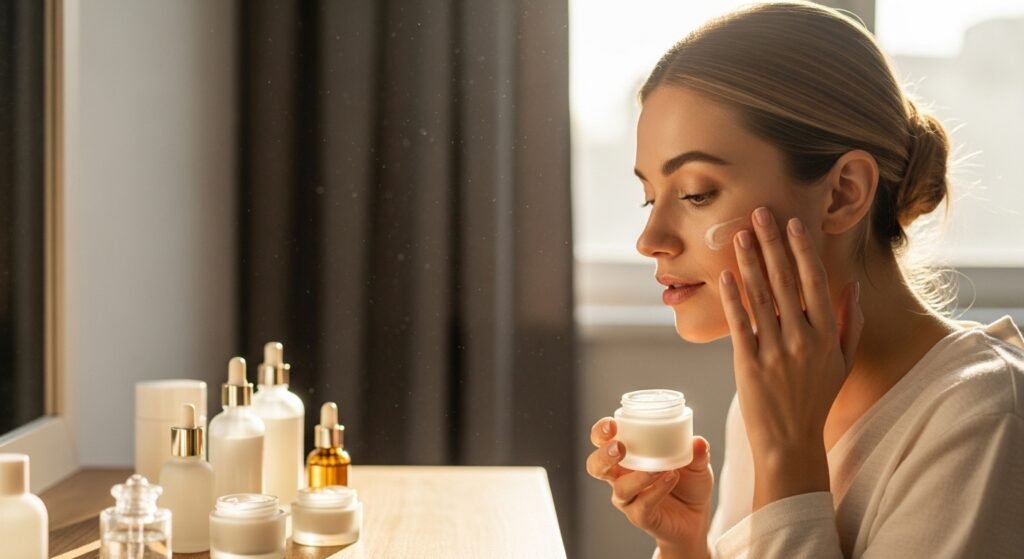
Ignoring hydration before makeup can make concealer cling to dry patches. A lightweight moisturizer helps create a smooth base and allows products to blend evenly without looking patchy.
Choosing the Wrong Shade
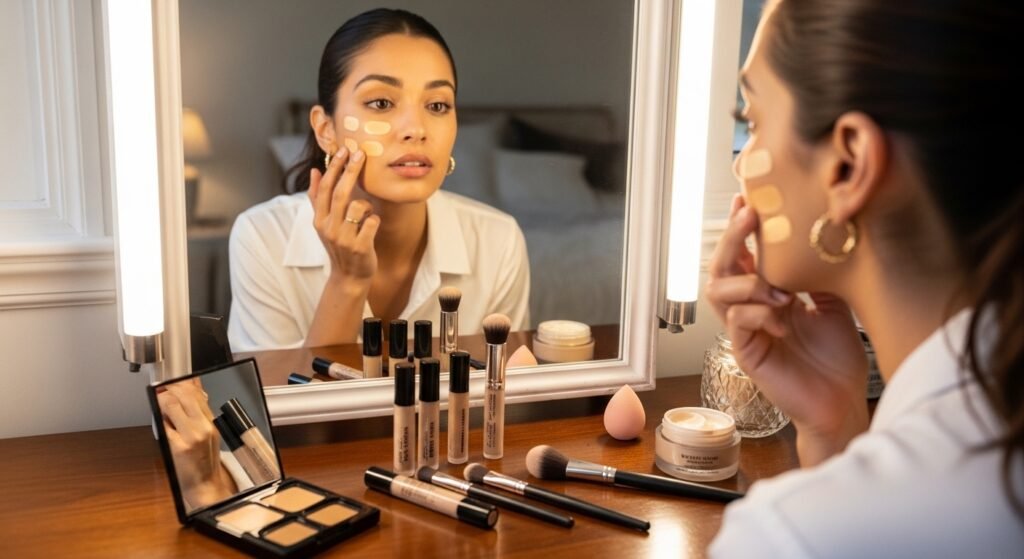
A concealer that’s too light or too dark can highlight imperfections instead of hiding them. Matching your undertone and selecting a slightly brighter shade ensures a balanced, natural appearance.
Applying Concealer Before Foundation
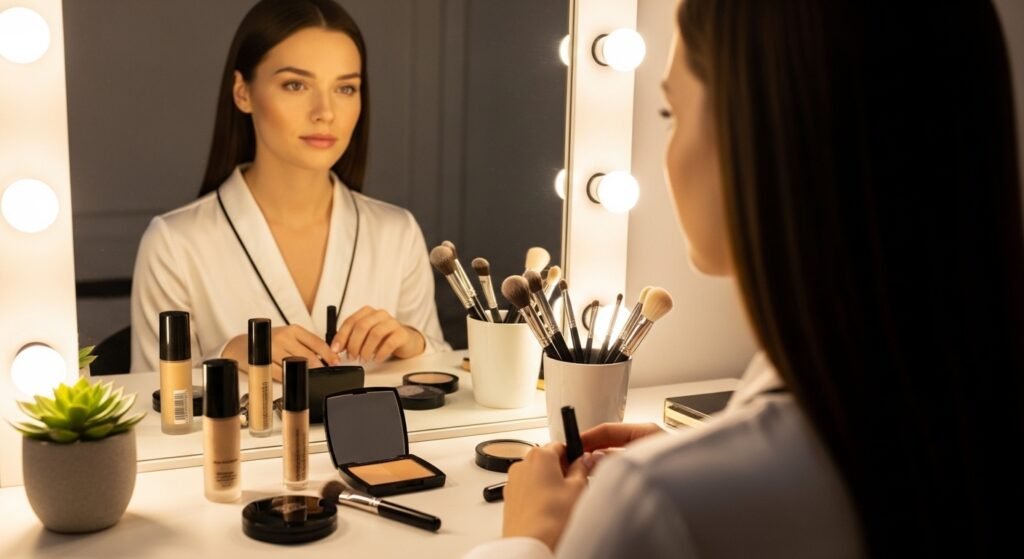
Layering concealer first can lead to uneven coverage. Applying foundation before concealer helps you use less product and target only areas that truly need extra coverage.
Over-Blending the Product
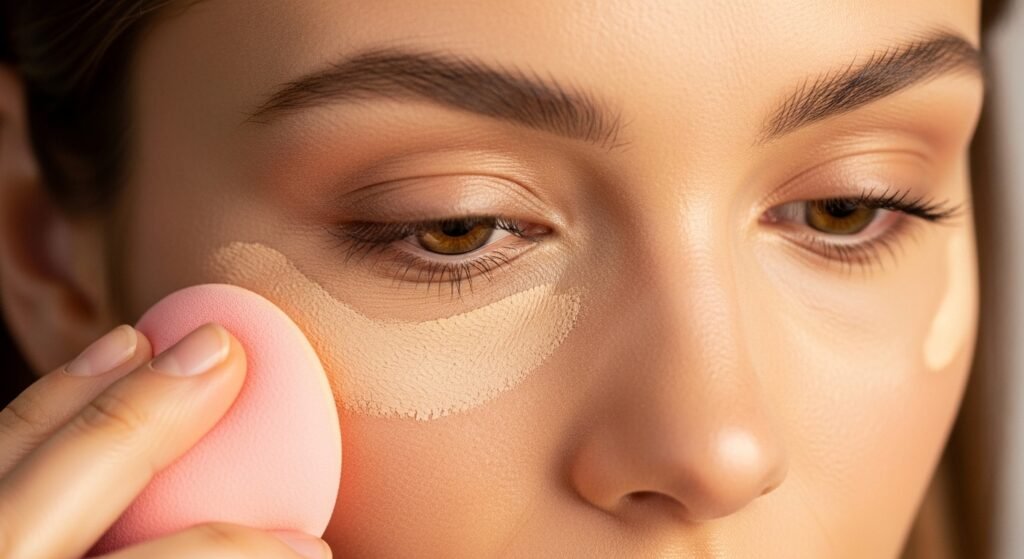
Blending too much can remove the coverage you just applied. Gentle tapping motions keep the product in place while still creating a seamless, natural-looking finish.
Using the Wrong Tools
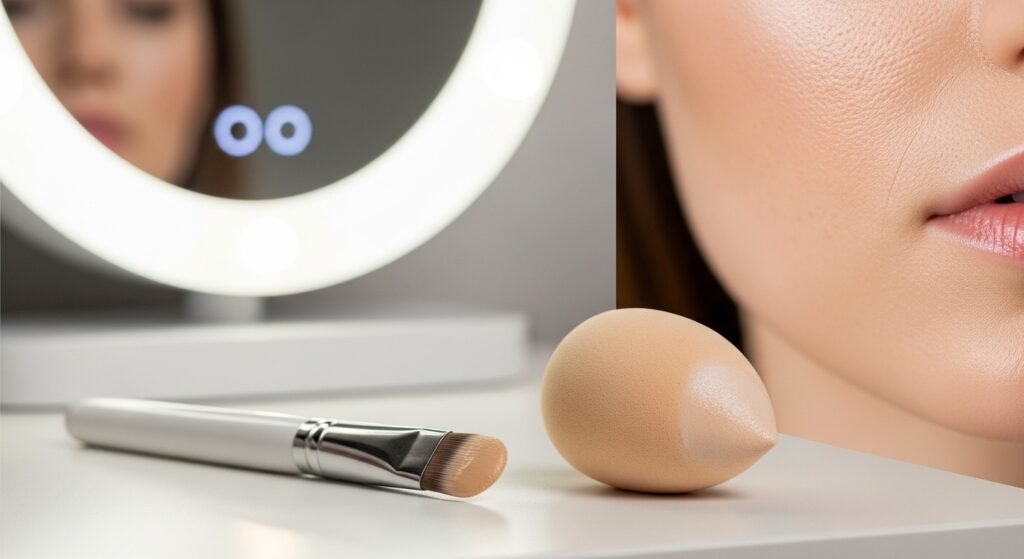
Fingers, brushes, and sponges all give different results. Using a damp sponge often provides a softer, more skin-like finish compared to dense brushes that may leave streaks.
Setting Too Quickly with Powder
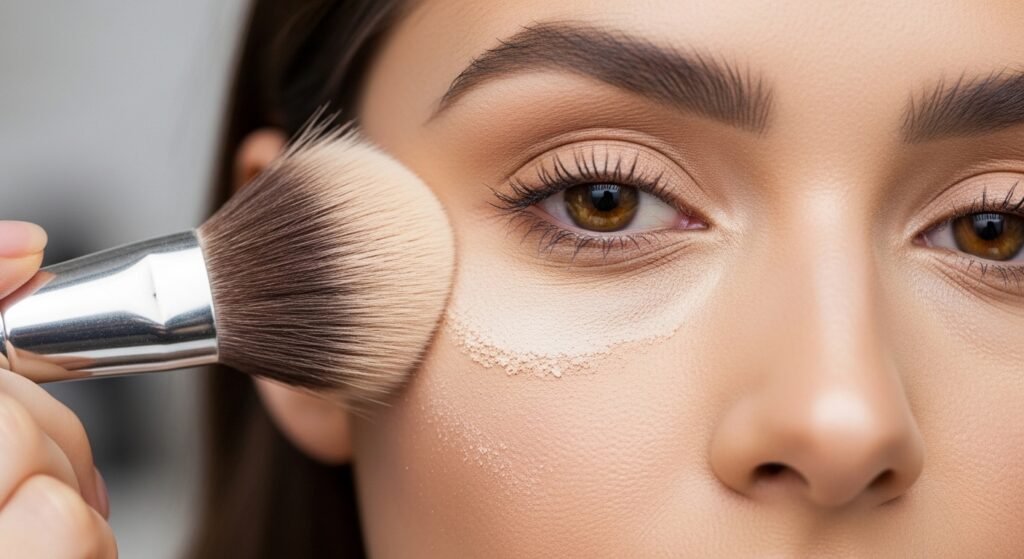
Applying loose powder immediately without letting concealer settle can cause uneven texture. Allowing a few seconds before setting helps the product smooth out naturally.
Using Excess Loose Powder
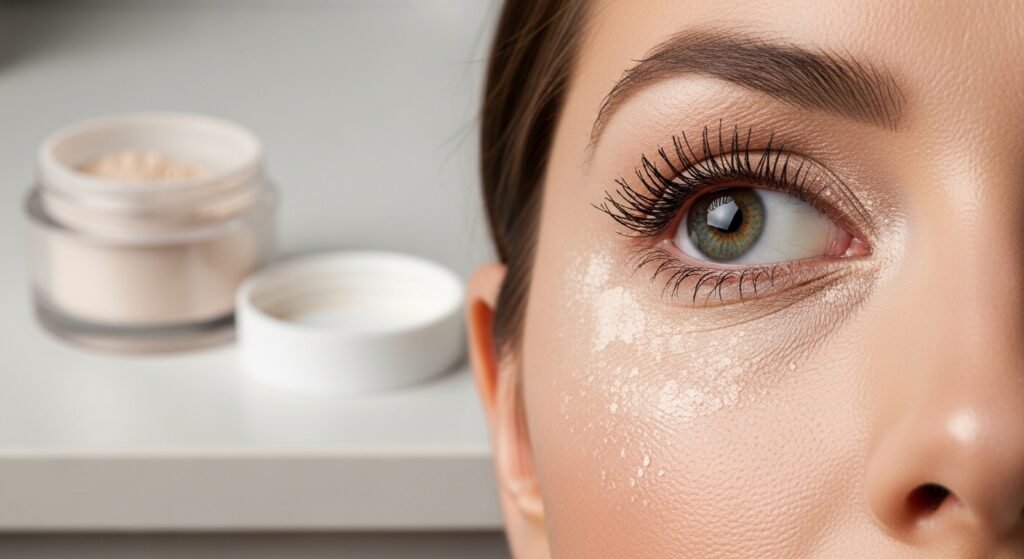
Too much powder can make the under-eye area look dry and heavy. A light dusting is enough to set the makeup while maintaining a soft and fresh appearance.
Baking for Too Long
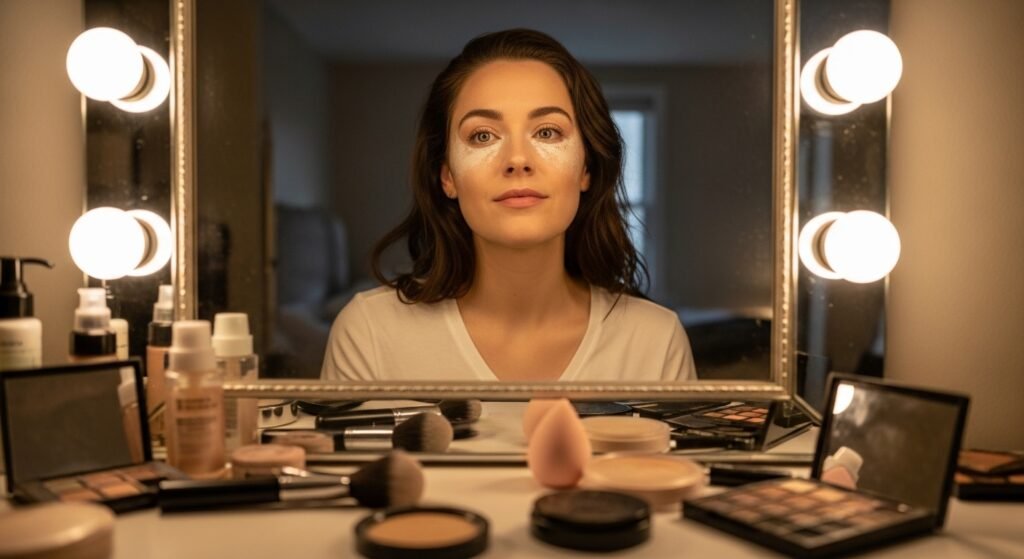
Leaving powder on the skin for extended periods can emphasize lines and dryness. A short setting time works better for a refined and comfortable finish.
Ignoring Fine Lines
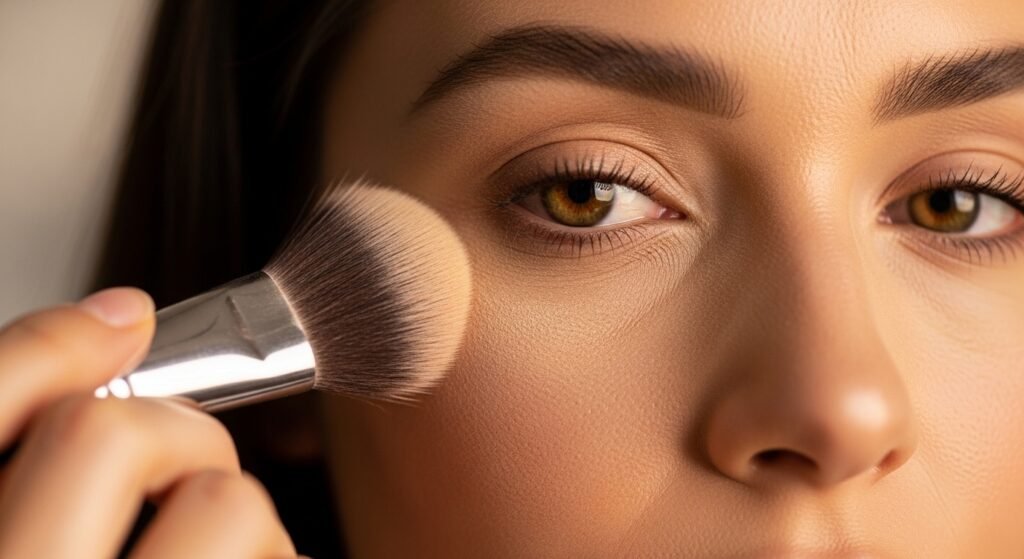
Not smoothing out creases before setting with powder can lock them in place. Gently blending the area first ensures a smoother and more even result.
Using the Same Technique Everywhere

Different areas of the face need different approaches. Under-eyes require lighter application, while blemishes may need more coverage. Adjusting your technique improves overall balance and finish.
