
Sustained postures put constant pressure on hip flexors, buttocks and knee joints. The decrease in movement decreases joint lubrication and stabilizing muscles. Occupational studies on health have shown an association between long sitting and increased frequency of knee pain in desk employees. A daily routine of mobility and strength will help to keep the joints aligned, enhance blood circulation, and apply no more stress on the knee structures when moving.
Seated Knee Extension Hold

In this activity, the quadriceps are used, which helps in maintaining the stability of the knee during the walking and standing. One leg is held straight forward, then slowly, a hold taken all the way in a chair. Isometric quadriceps studies reveal that knee support without joint strain is enhanced by isometric quadriceps work particularly among individuals who have restricted movements during working hours.
Heel Slides on the Floor
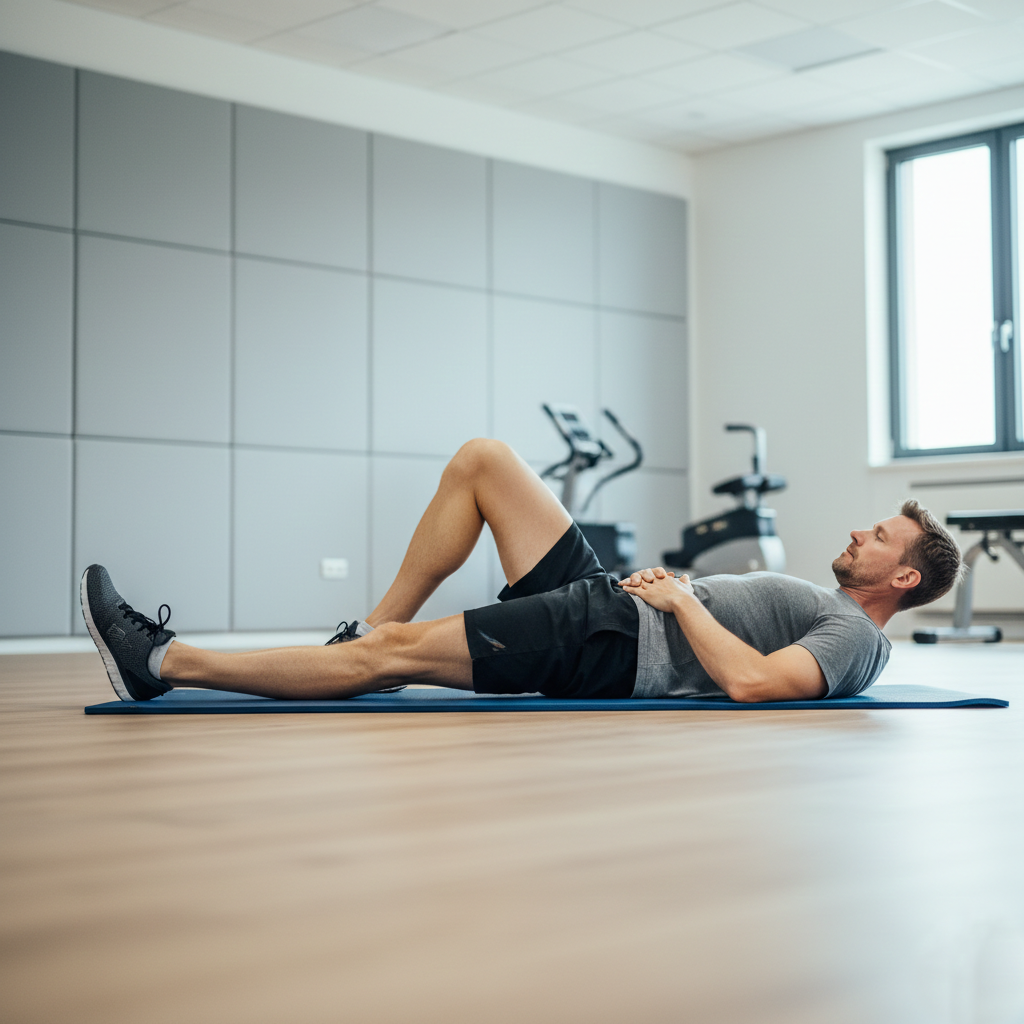
The knee range is regained with the help of heel slides following long immobile postures. Lying on the back, one leg slides backwards to the hips, and then back to its straight position. Clinical rehabilitation evidence correlates this movement with the increased mobility of the joint and decreased stiffness by promoting painless flexion in the absence of additional load.
Standing Hamstring Stretch
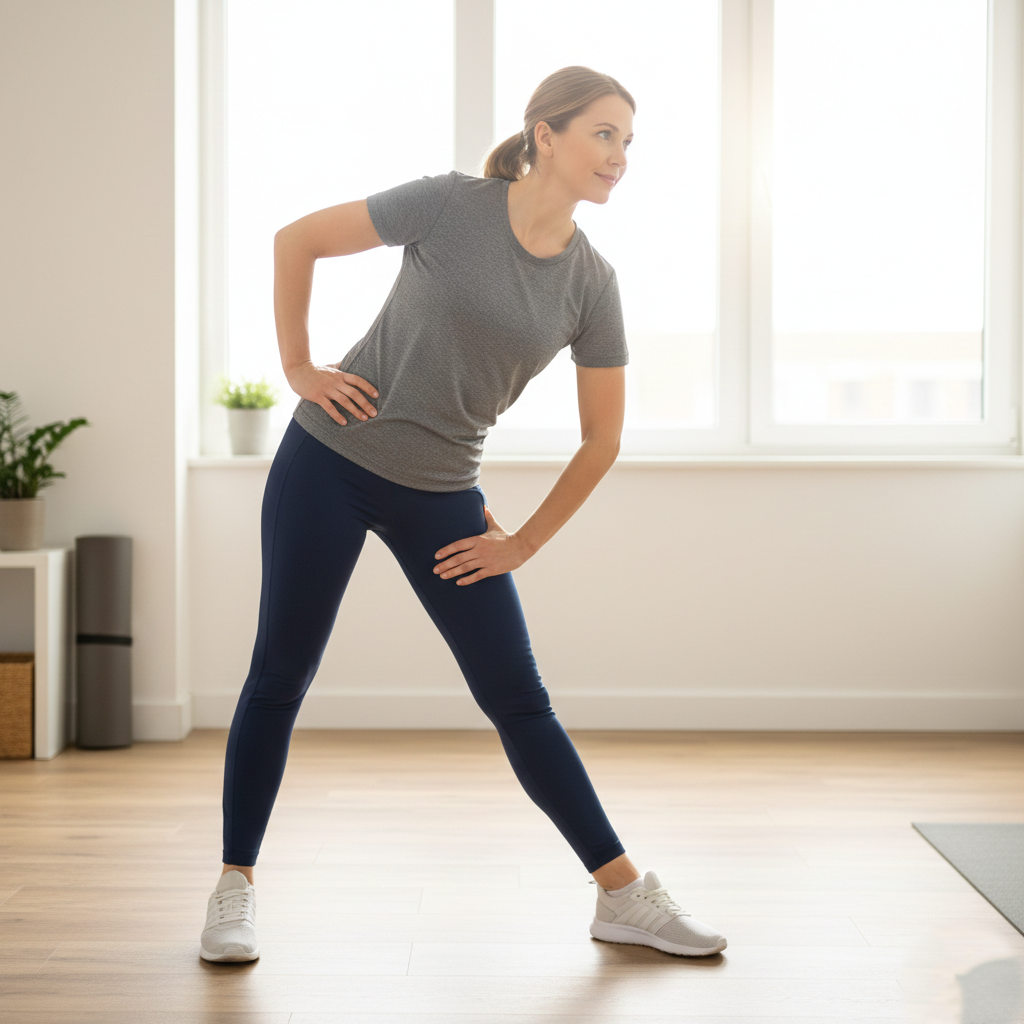
Tight hamstrings increase pull on the knee joint during daily movement. A standing forward hinge with one heel placed ahead lengthens the posterior chain. Workplace ergonomics research associates regular hamstring stretching with lower reports of knee tension among seated professionals.
Glute Bridge Hold
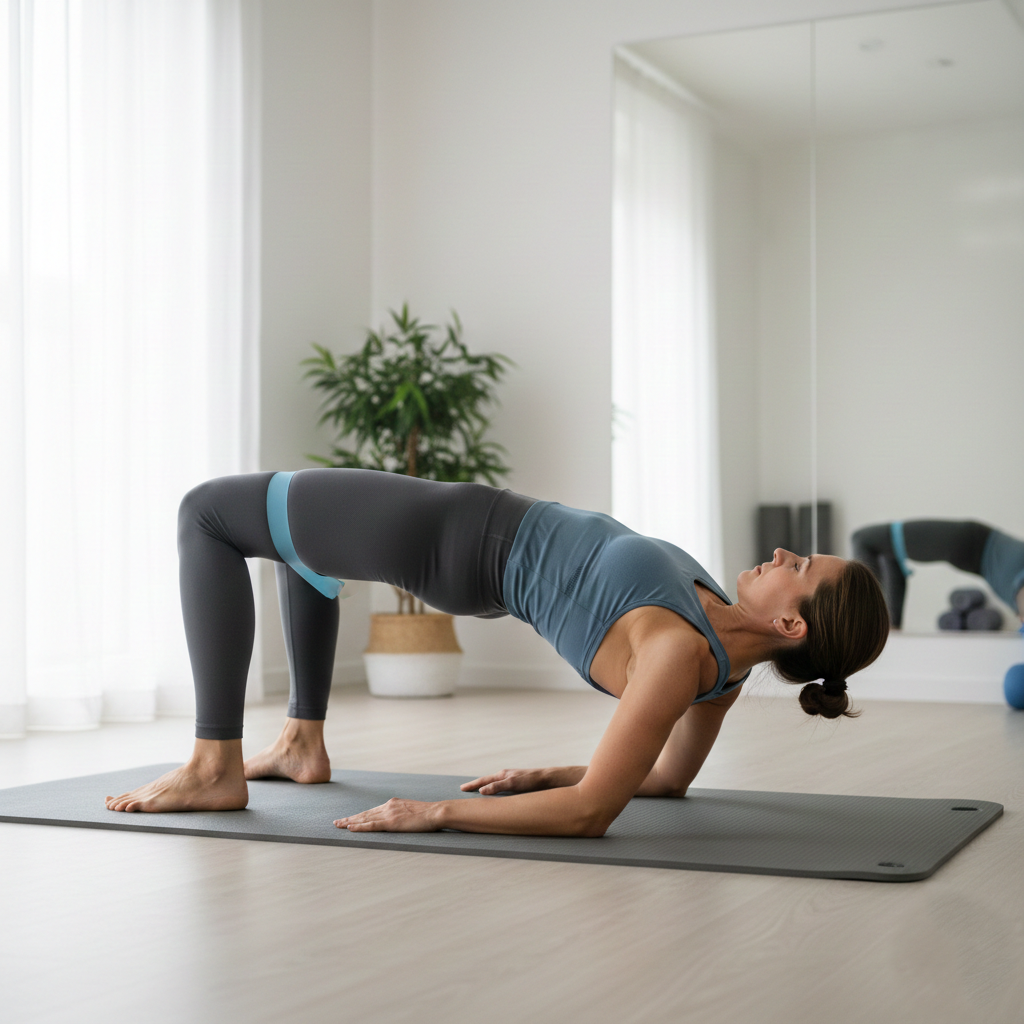
Weak glutes redistribute the load in standing and walking on the knees. The hips are brought into a controlled position lying on the back with knees bent. The research on biomechanics identifies the glute activation as one of the factors that reduce knee stress during the process of transition between sitting and standing.
Bodyweight Sit to Stand

Repeated sit to stand movement retrains proper knee tracking. From a chair, controlled standing followed by slow sitting reinforces strength patterns used throughout the day. Functional movement research highlights this drill as effective for improving knee control during common daily tasks.
Calf Raise Balance Drill
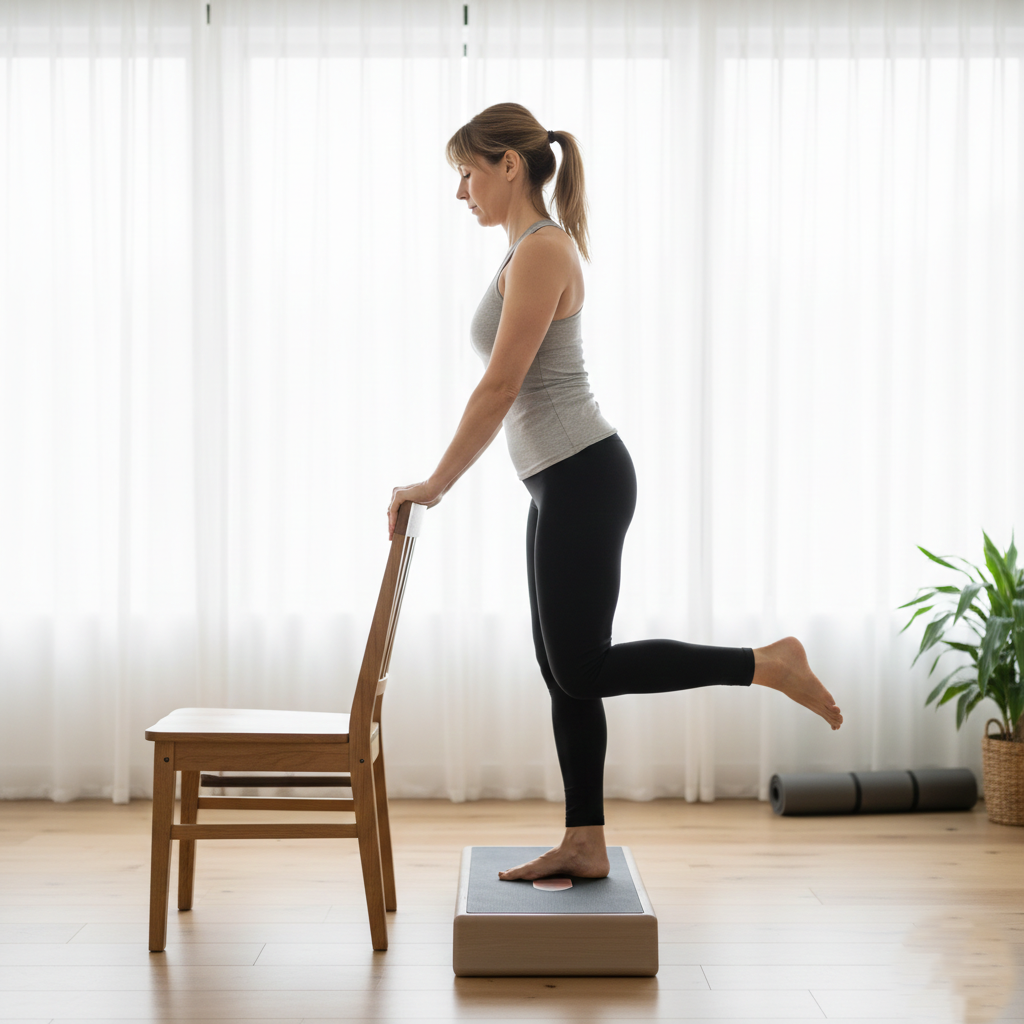
Lower leg weakness alters knee alignment during steps. Standing calf raises performed slowly, with balance focus, strengthen ankle and calf support. Gait analysis research links stronger calves with improved knee stability during walking and stair use.
Hip Flexor Stretch Hold

Shortened hip flexors from sitting tilt the pelvis forward, increasing knee load. A kneeling or standing hip flexor stretch restores length. Musculoskeletal studies connect improved hip mobility with reduced compensatory strain across the knee joint.
Side Lying Leg Raise
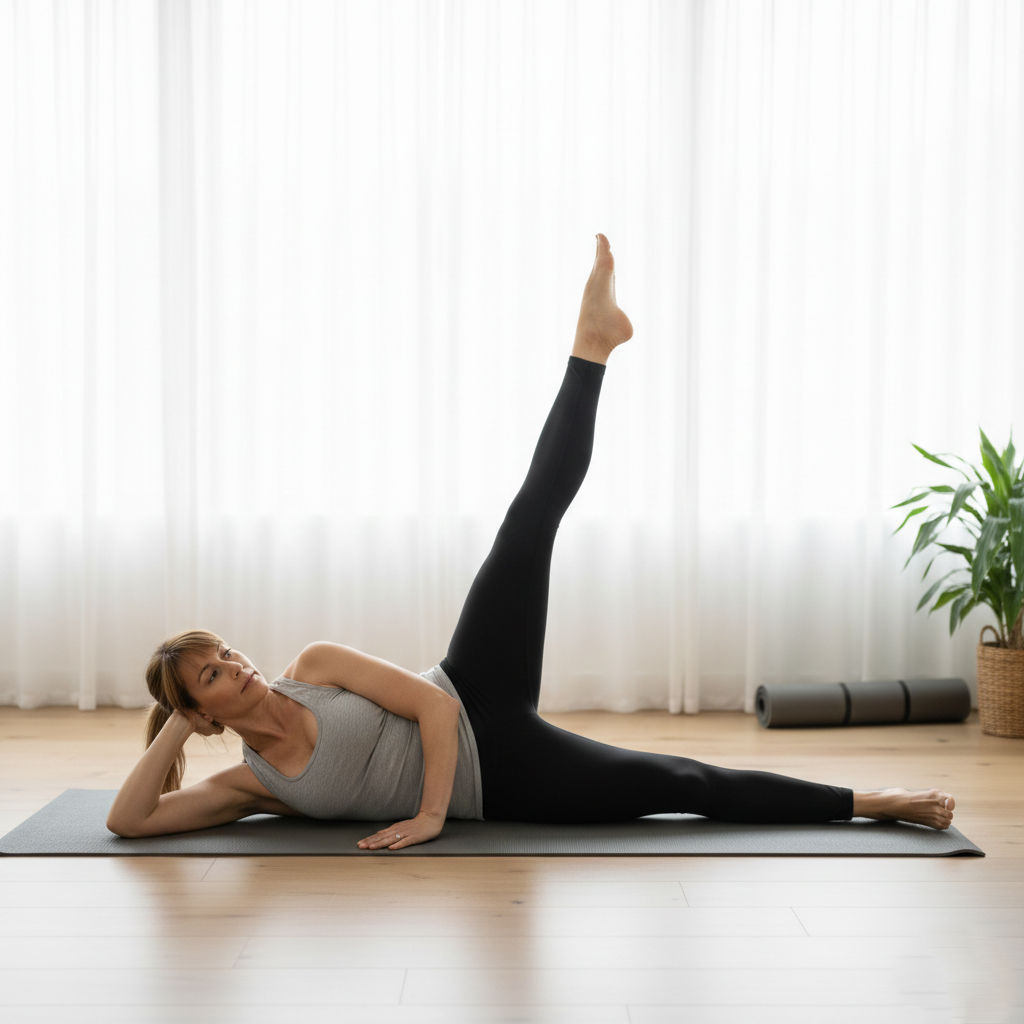
Hip abductor weakness affects knee tracking during movement. Side lying leg raises activate lateral hip muscles responsible for alignment. Sports medicine research associates stronger abductors with better knee positioning during walking and standing tasks.
Ankle Mobility Rock
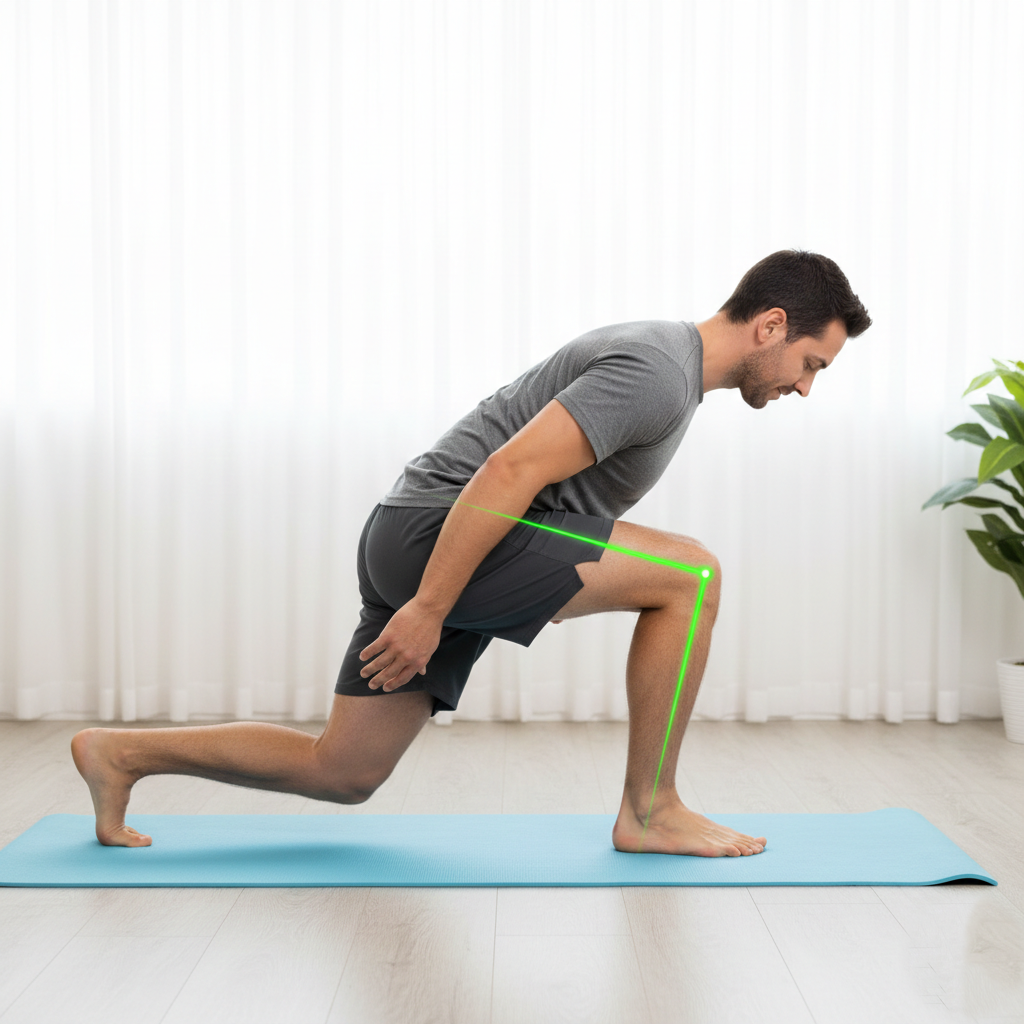
Limited ankle motion transfers stress upward toward the knee. A gentle forward ankle rock, keeping heels grounded, improves dorsiflexion. Mobility research shows ankle range improvements support healthier knee mechanics during squatting and rising from chairs.
Short Walking Reset
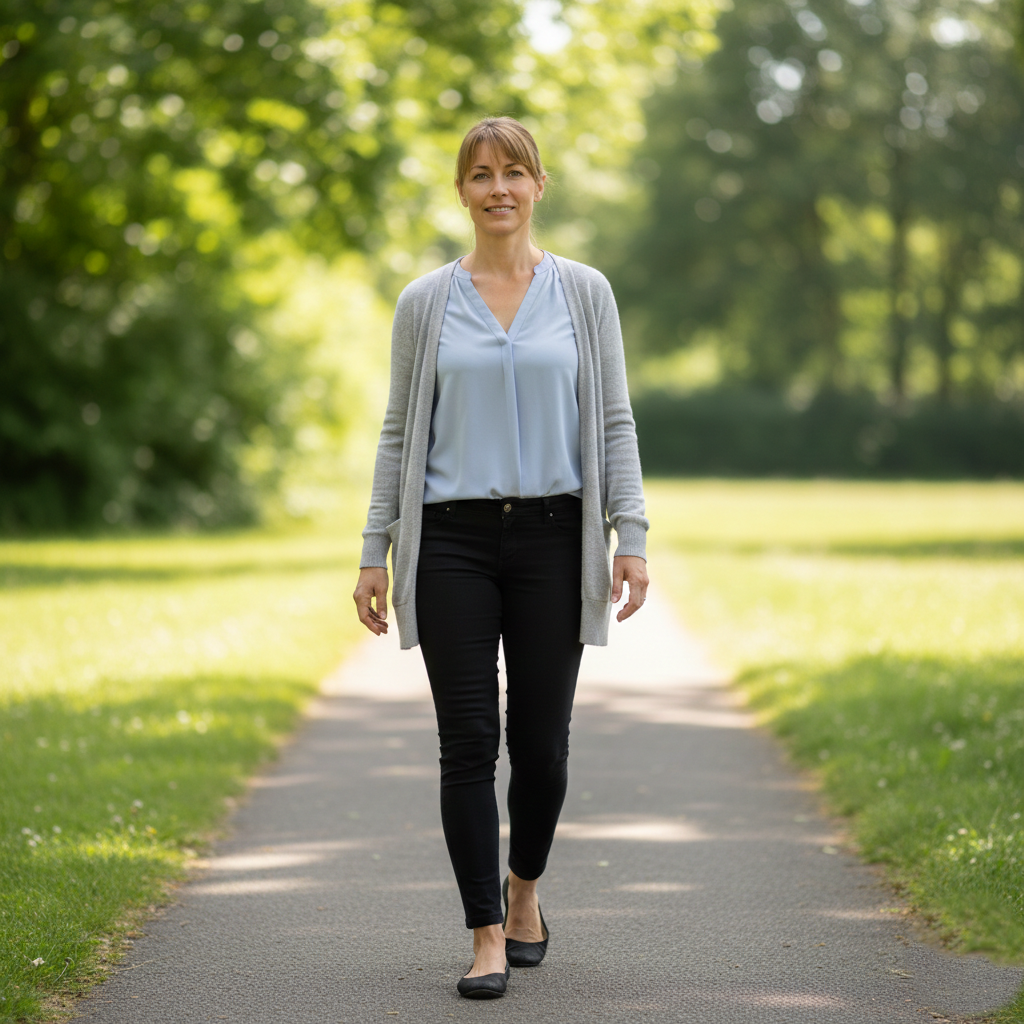
Brief walking breaks counter joint compression from static sitting. A five minute walk every hour increases circulation around the knee. Occupational health data shows frequent low intensity movement lowers joint discomfort reports compared with uninterrupted sitting periods.
