
Data privacy has become one of the most important concerns in the modern digital world. As technology continues to shape everyday life, people are increasingly aware of how their personal information is collected, stored, and used. Businesses rely heavily on data to improve services, but this dependence also raises serious questions about security and trust. From social platforms to financial apps, users expect transparency and protection. Companies are now under constant pressure to follow regulations, prevent breaches, and maintain credibility. Understanding why data privacy remains a critical issue helps highlight the balance between innovation and responsibility in today’s connected environment.
Growing Consumer Awareness

Consumers today are more informed about how their data is used. They actively seek transparency and demand accountability, pushing companies to adopt clearer privacy policies and improve communication regarding data collection and protection practices.
Rising Cybersecurity Threats

Cyberattacks continue to evolve, targeting sensitive user information. Companies face increasing pressure to strengthen their defenses, invest in advanced security systems, and ensure that personal data remains protected against breaches and unauthorized access.
Strict Global Regulations

Governments around the world have introduced stricter privacy laws. Compliance with these regulations is essential, requiring companies to adjust their systems, processes, and reporting methods to avoid penalties and maintain operational stability.
Trust as a Business Asset

Customer trust directly influences brand reputation. Companies that prioritize privacy build stronger relationships, while those failing to protect user data risk losing credibility, customer loyalty, and long-term business opportunities in competitive markets.
Expansion of Digital Services

As more services move online, the volume of personal data collected increases significantly. This expansion requires companies to implement robust systems that manage, secure, and responsibly use data across multiple digital platforms.
Challenges with Third-Party Sharing

Many businesses share data with external partners, creating additional risks. Ensuring that third parties follow strict privacy standards is essential to prevent misuse, leaks, or unauthorized handling of sensitive information.
Data Breach Consequences

A single data breach can lead to financial loss and legal challenges. It also damages public perception, making it difficult for companies to recover trust and maintain strong relationships with users and stakeholders.
Increasing Use of Artificial Intelligence

Advanced technologies rely heavily on large datasets. While they improve efficiency, they also raise concerns about how personal information is processed, stored, and protected within automated decision-making systems.
User Control Expectations
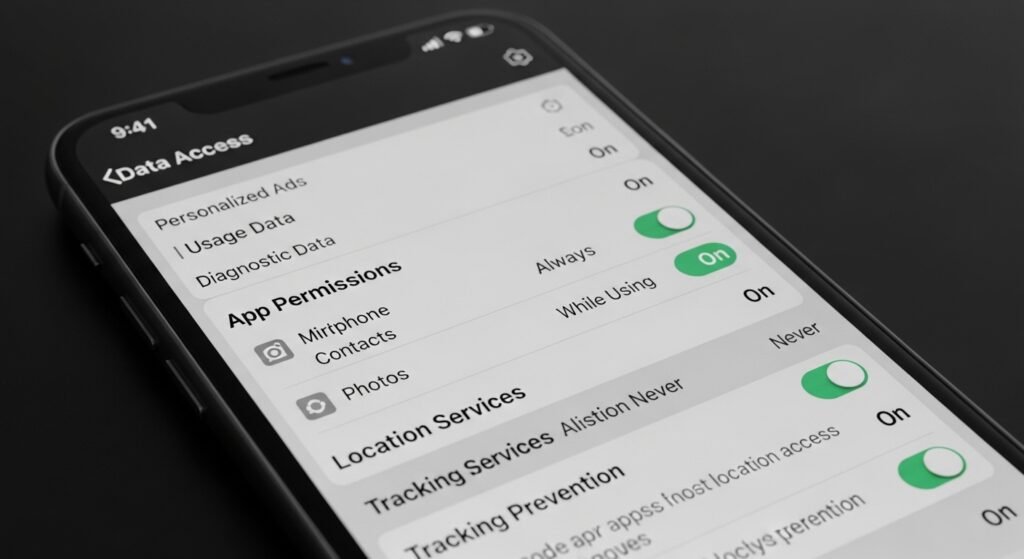
People now expect greater control over their personal information. Features like data access, editing, and deletion options are becoming standard, requiring companies to design systems that empower users without compromising security.
Cross-Border Data Transfers

Global operations require data to move across different regions. Managing these transfers while complying with varying legal standards is complex, making privacy management a critical part of international business strategy.
Reputation Risk Management

Public perception can shift quickly in the digital age. Companies must actively manage privacy practices to avoid negative attention, ensuring that their policies and actions consistently reflect a strong commitment to protecting user information.
Continuous Technology Evolution

Technology changes rapidly, introducing new risks and challenges. Companies must regularly update their privacy strategies to address emerging threats, ensuring that their systems remain secure and adaptable in a dynamic environment.
Ethical Responsibility

Beyond legal requirements, companies have an ethical duty to protect user data. Respecting privacy reflects responsible business conduct and supports long-term sustainability by aligning innovation with trust and accountability.
