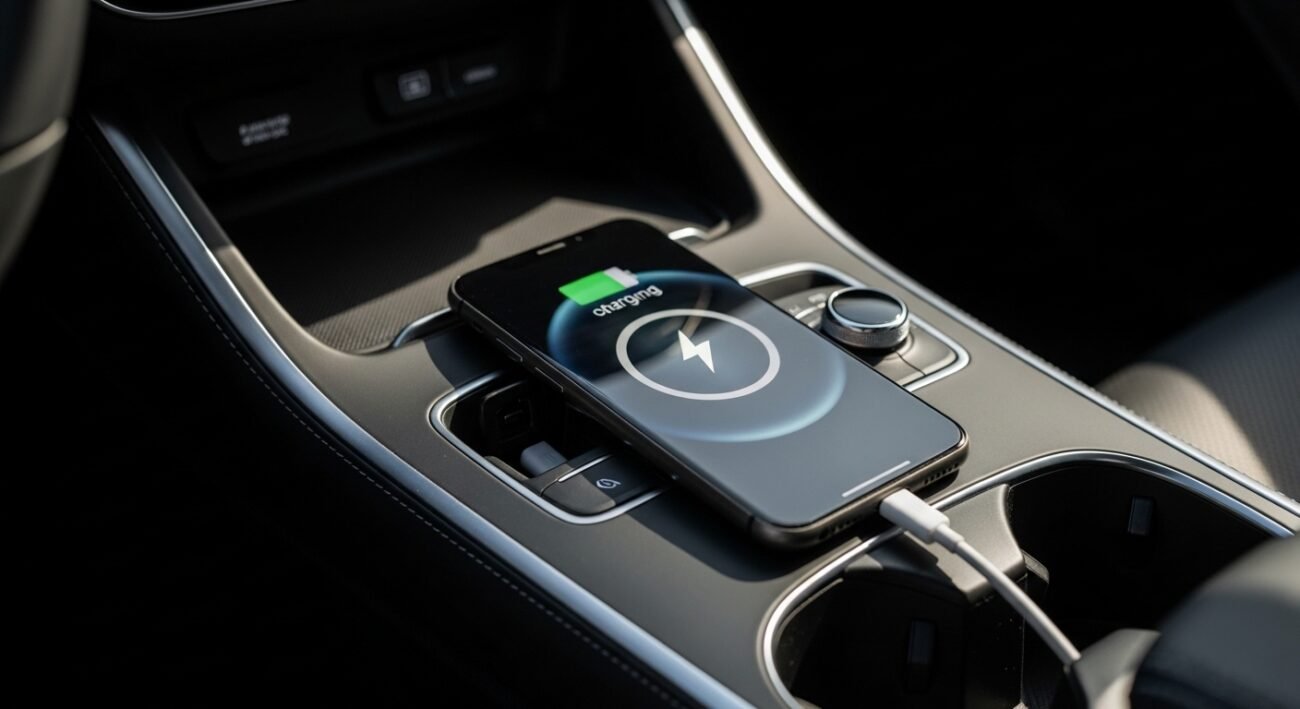
Charging your phone in the car feels convenient, especially during long drives or daily commutes. Most vehicles come with built-in USB ports, making it easy to plug in and power up. However, what many people overlook is that these ports are not always designed for safe and efficient charging. Over time, this small habit can quietly affect your phone’s battery health, charging speed, and even data security. Understanding the hidden drawbacks can help you make smarter choices and extend your device’s life. Here are several practical reasons to rethink using your car’s USB port regularly.
Battery Drain Instead of Charge
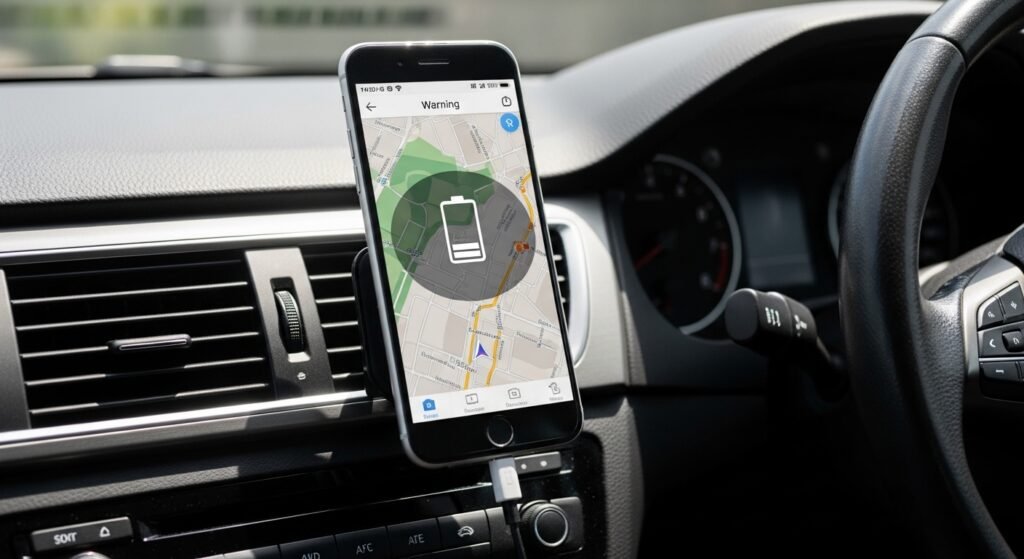
Many car USB ports supply low power, often slower than your phone consumes while running apps, navigation, or music. Instead of charging properly, your battery may drain gradually, leaving you with less power.
Inconsistent Power Output
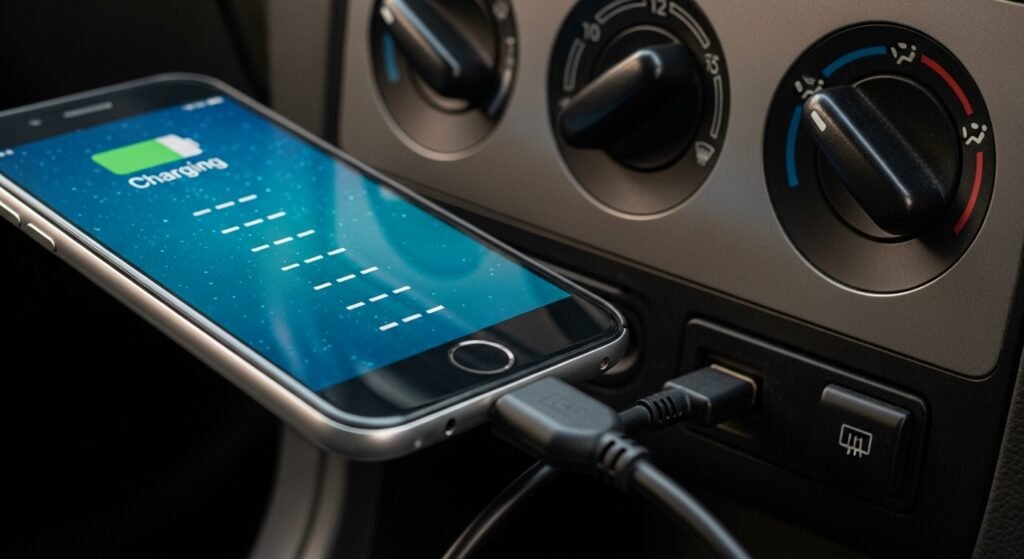
Car USB ports can deliver unstable voltage, especially in older vehicles. This inconsistency can stress your phone’s battery over time, reducing its efficiency and causing unpredictable charging behavior during daily use.
Slow Charging Speeds
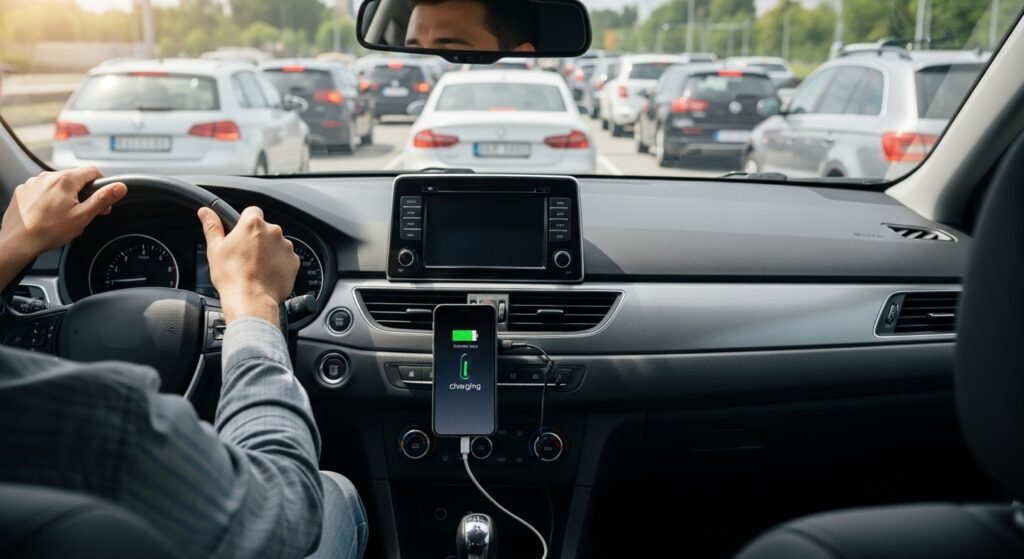
Compared to modern fast chargers, car USB ports usually offer limited output. This means your phone charges at a much slower rate, which becomes inconvenient during short trips or when you need quick battery top-ups.
Battery Health Impact
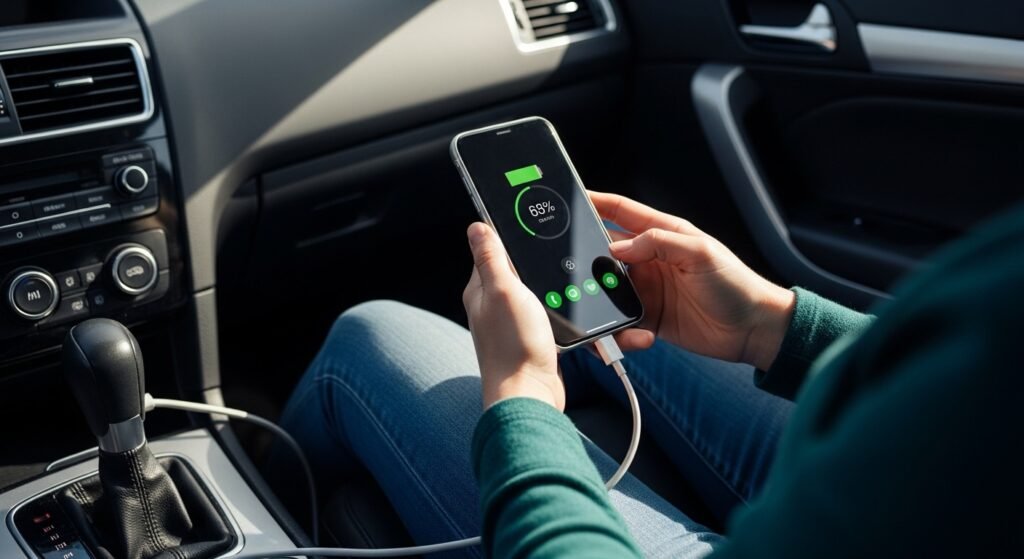
Repeated exposure to low and fluctuating power can gradually weaken your battery. Over time, this may lead to reduced battery capacity, forcing you to charge more frequently than usual.
Heat Build-Up Issues
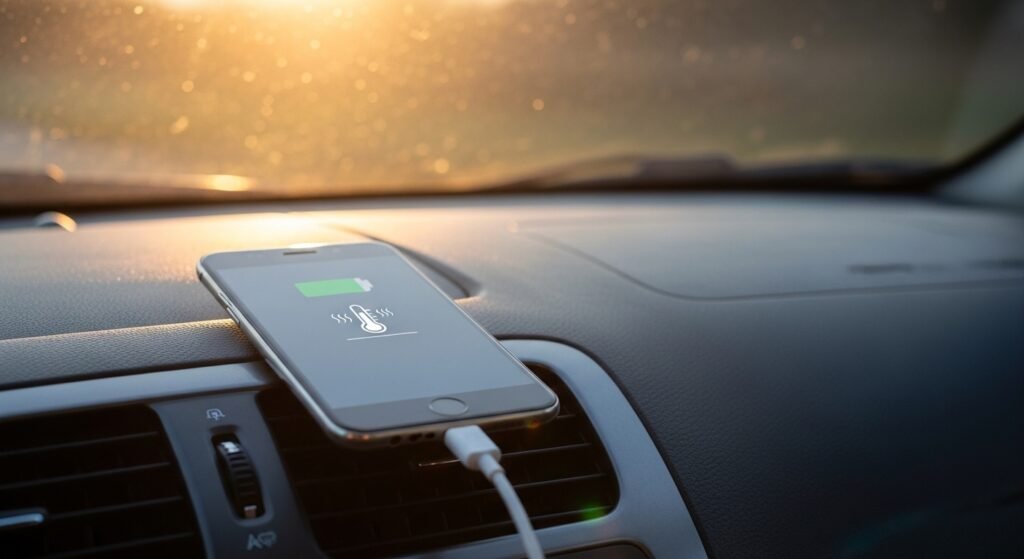
Charging inside a car, especially in warm weather, can increase device temperature. Combined with inefficient USB ports, this heat can strain internal components and shorten the overall lifespan of your phone.
Data Security Risks
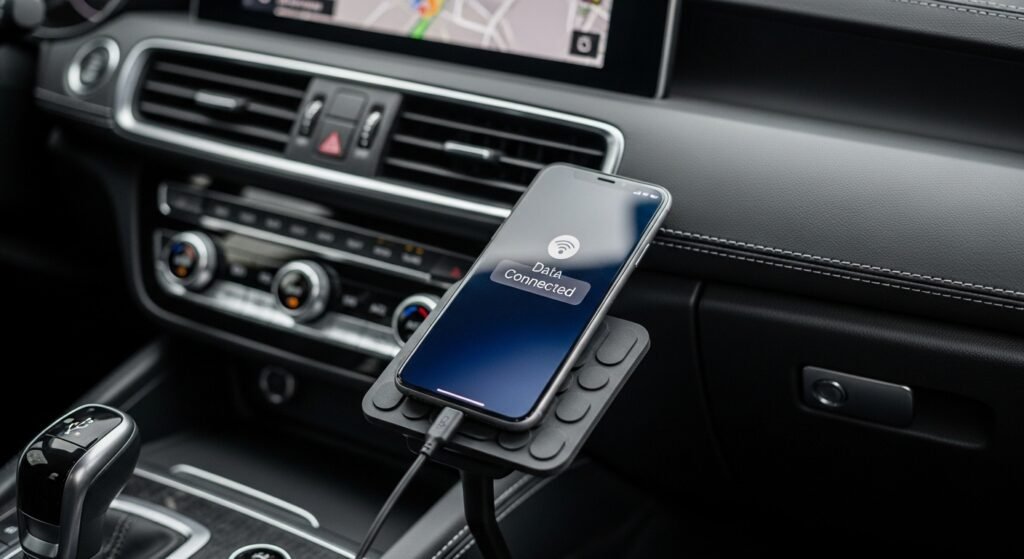
Some car USB ports are connected to infotainment systems that can access data. While rare, plugging your phone into unknown or shared systems can expose personal information without your awareness.
Wear and Tear on Cable
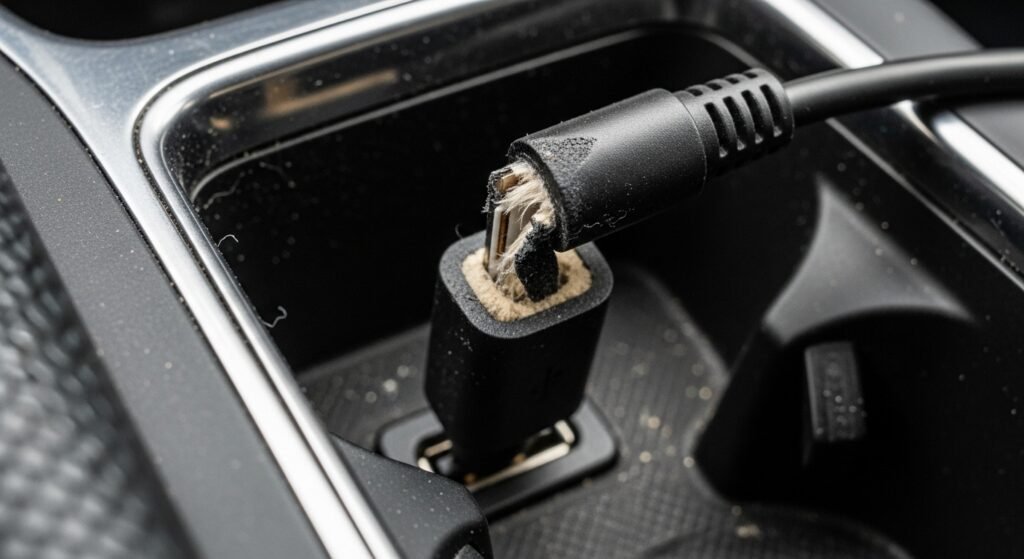
Frequent plugging and unplugging in tight car spaces can damage your charging cable. Bent connectors or loose fittings may lead to poor charging performance or eventual cable failure.
Compatibility Limitations
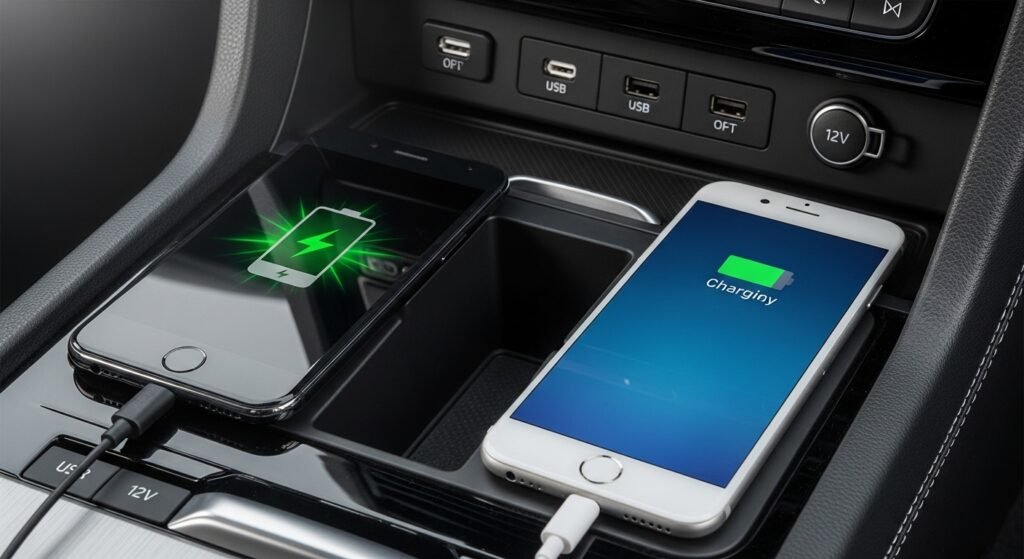
Not all car USB ports are optimized for every phone model. Differences in charging standards can result in improper power delivery, making your device charge inefficiently or inconsistently.
Distraction While Driving
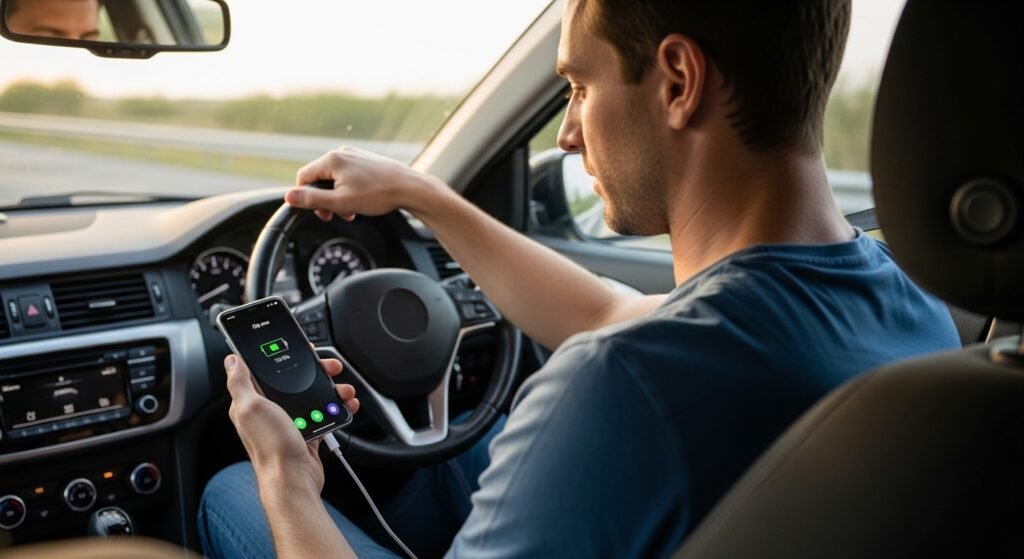
Relying on slow charging may tempt you to check your phone frequently to monitor battery levels. This small distraction can take your attention away from the road and affect driving focus.
Limited Charging During Idle Mode
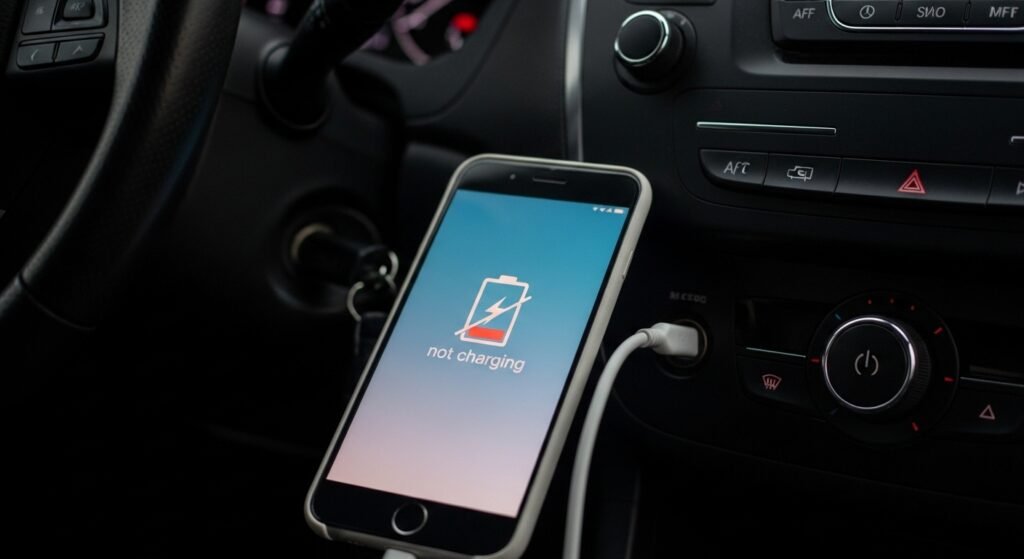
Some vehicles reduce or cut USB power when the engine is off. This means your phone might stop charging unexpectedly, especially during short stops or while waiting in parked mode.
Better Alternatives Available
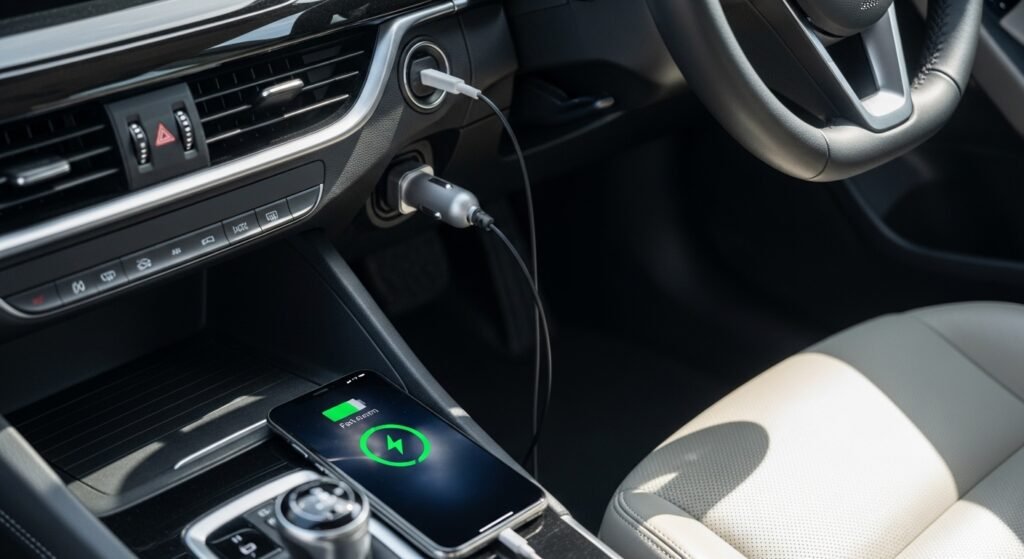
Using a high-quality car charger that plugs into the power socket provides faster, stable charging. These chargers are designed to match modern phone requirements, making them a more reliable option overall.
