
Artificial intelligence is no longer just about automation or efficiency; it is gradually reshaping how people live, work, and make decisions. From assisting professionals to influencing industries, AI is becoming deeply embedded in everyday systems. Its long-term direction, often described as its “endgame,” is not about replacing humans but enhancing capabilities in meaningful ways. Understanding this trajectory helps individuals and businesses prepare for a future where collaboration between humans and intelligent systems becomes the norm. The following insights explore where AI is heading and what it could mean for society, economies, and the way we approach challenges.
Human-AI Collaboration

The ultimate direction of AI is not complete independence but seamless collaboration. Systems are being designed to support human thinking, helping individuals make faster, more informed decisions without removing the human role entirely.
Smarter Decision-Making

AI is evolving into a tool that enhances judgment. By analyzing vast amounts of data quickly, it enables better predictions and insights, helping businesses and individuals reduce uncertainty in complex situations.
Personalization at Scale

One key goal is delivering highly personalized experiences. AI can adapt services, recommendations, and interactions based on individual preferences, making everyday activities more relevant and efficient for each person.
Automation of Routine Tasks

AI continues to take over repetitive work, allowing people to focus on creative and strategic activities. This shift is changing job roles rather than eliminating them entirely, emphasizing skill evolution.
Continuous Learning Systems

Modern AI systems are designed to learn continuously. They improve over time by processing new information, making them more accurate and reliable in solving problems across different industries.
Ethical and Responsible Use

As AI grows more powerful, ethical considerations become central. Developers and organizations are focusing on fairness, transparency, and accountability to ensure technology benefits society without causing unintended harm.
Integration Across Industries
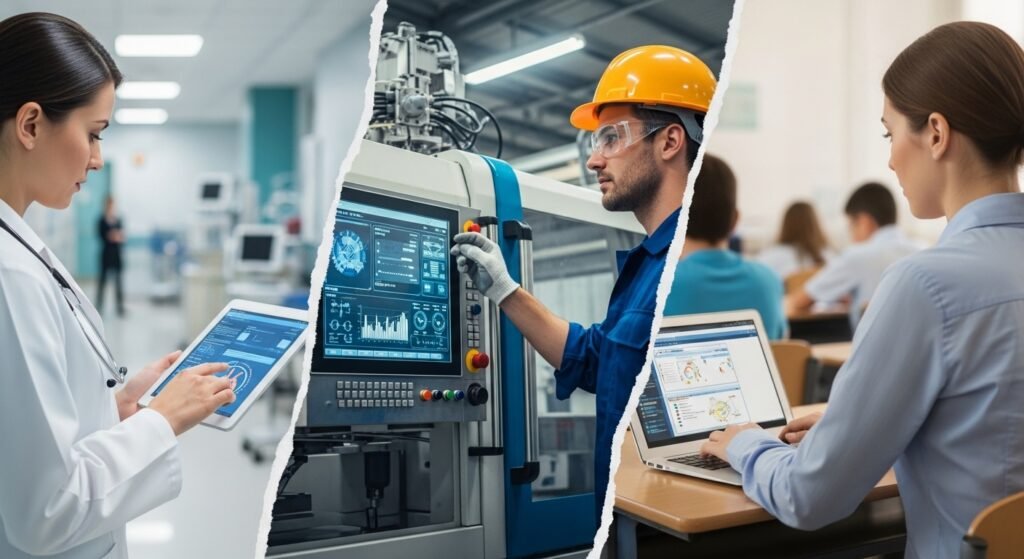
AI is no longer limited to tech companies. It is becoming a core part of healthcare, finance, education, and manufacturing, helping each sector improve efficiency and deliver better outcomes.
Enhanced Creativity Support

Rather than replacing creativity, AI is supporting it. From writing to design, intelligent tools assist users in generating ideas, refining concepts, and speeding up creative processes.
Improved Accessibility

AI is making technology more accessible to people with different needs. Tools like voice assistance and smart interfaces help individuals interact with systems more easily, improving inclusion.
Real-Time Problem Solving

The ability to respond instantly is a major focus. AI systems can analyze situations in real time, helping organizations react quickly to changes and solve issues before they escalate.
Building Intelligent Ecosystems

The long-term vision involves interconnected systems working together. AI will link devices, platforms, and services into unified ecosystems that operate smoothly and support daily life in the background.
