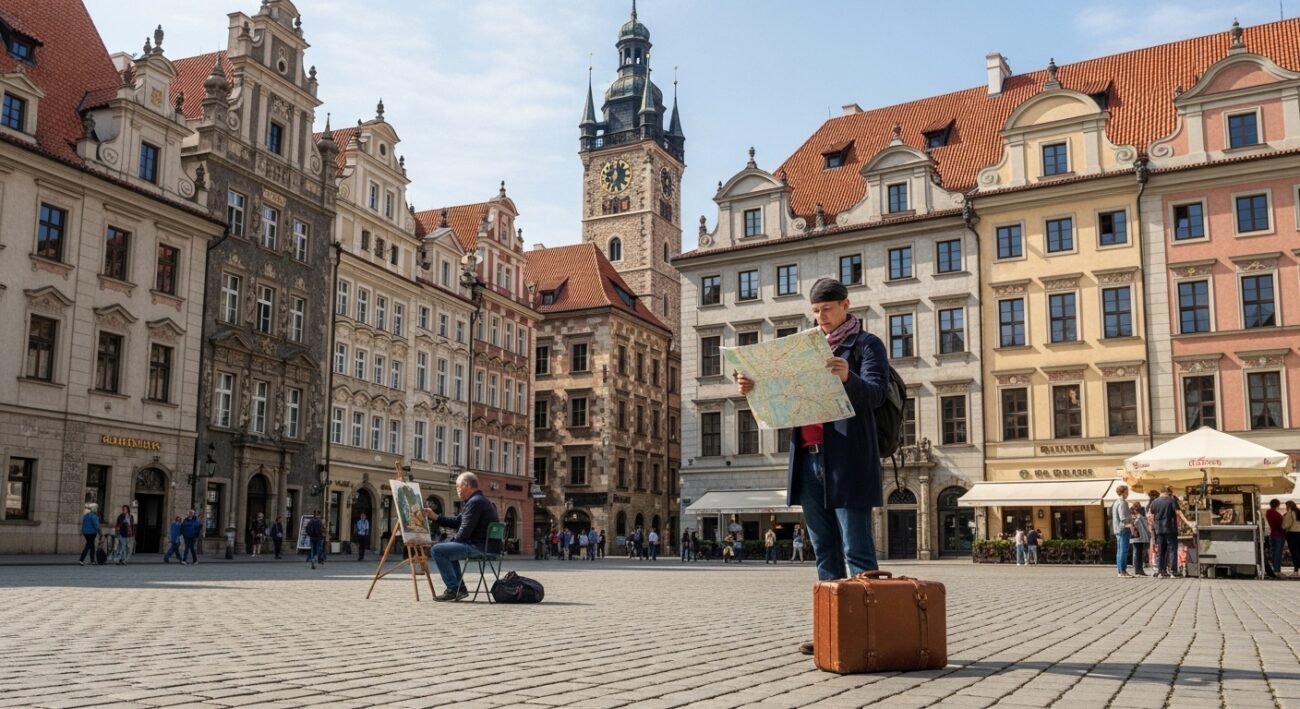
Europe remains one of the world’s most admired travel destinations, known for its historic cities, cultural treasures, and scenic landscapes. Yet the experience is not always ideal for every traveler. The continent’s fast-paced transport systems, long walking routes, language diversity, and cultural differences can challenge visitors who expect effortless vacations. Travelers who prepare well often have remarkable experiences, but those with certain expectations or habits may find the journey more stressful than enjoyable. Understanding who might struggle with European travel can help people decide whether the destination fits their preferences. The following types of travelers may want to reconsider or plan more carefully before booking a European adventure.
The Strict Routine Keeper
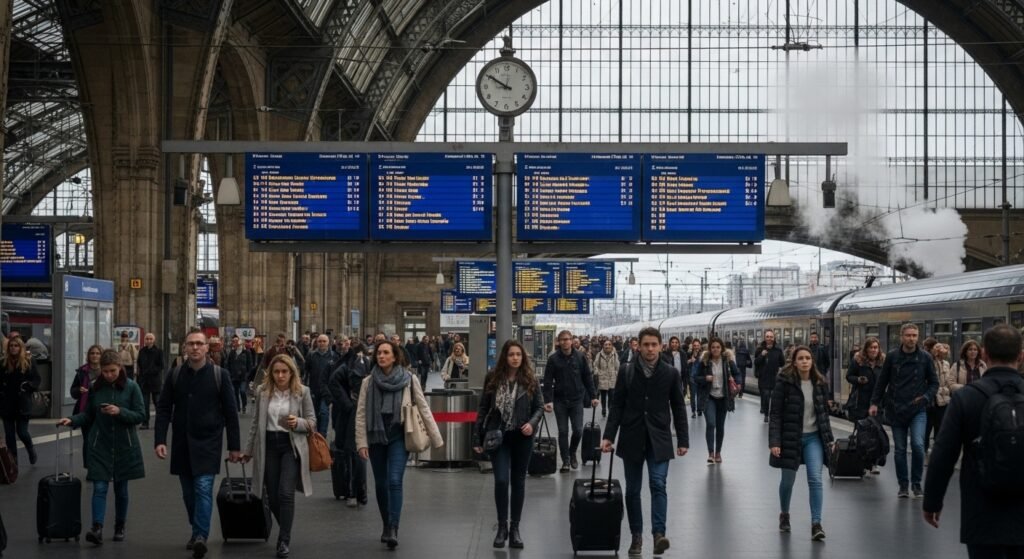
Travelers who depend on fixed daily routines may feel overwhelmed in Europe. Train schedules, museum hours, and regional customs vary widely, requiring flexibility. Visitors who prefer predictable days might struggle with the constant adjustments travel demands.
The Heavy Luggage Traveler

Many European cities feature cobblestone streets, narrow staircases, and compact accommodations. Travelers carrying multiple large suitcases may find transportation difficult. Packing lighter makes moving through stations, public transport, and historic neighborhoods far more manageable.
The Comfort-First Vacationer
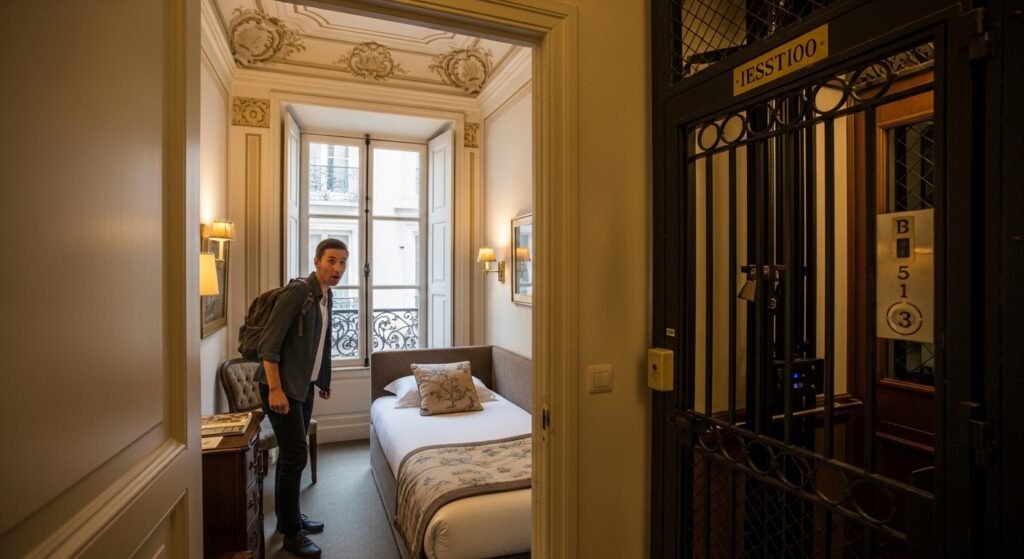
Those who expect large hotel rooms, spacious elevators, and expansive facilities might feel surprised by Europe’s compact accommodations. Historic buildings often prioritize charm over space, which can challenge travelers who prefer roomy environments.
The Tight Schedule Planner

Trying to see too many destinations in a short trip often leads to exhaustion. Europe’s cities deserve slow exploration. Travelers who rush between countries may spend more time commuting than enjoying local culture, food, and scenery.
The Budget-Only Traveler
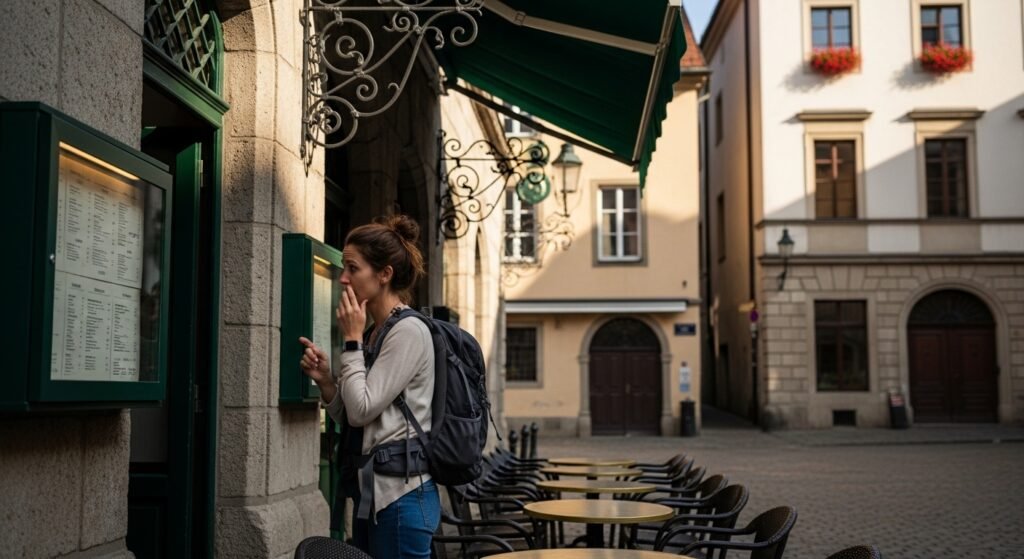
European destinations can be expensive, especially popular capitals and tourist hubs. Travelers unwilling to adjust their spending expectations may feel stressed by transportation costs, entry tickets, and dining expenses across different regions.
The Language-Shy Visitor
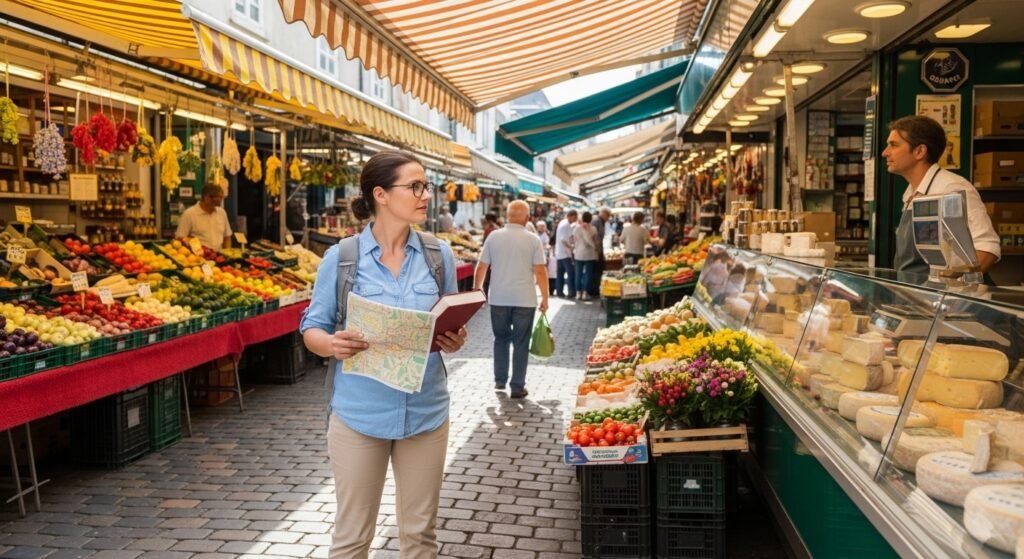
Although English is widely spoken in many places, not every location uses it daily. Travelers who hesitate to communicate across language differences may feel uncomfortable asking for directions, ordering meals, or navigating local services.
The Non-Walker
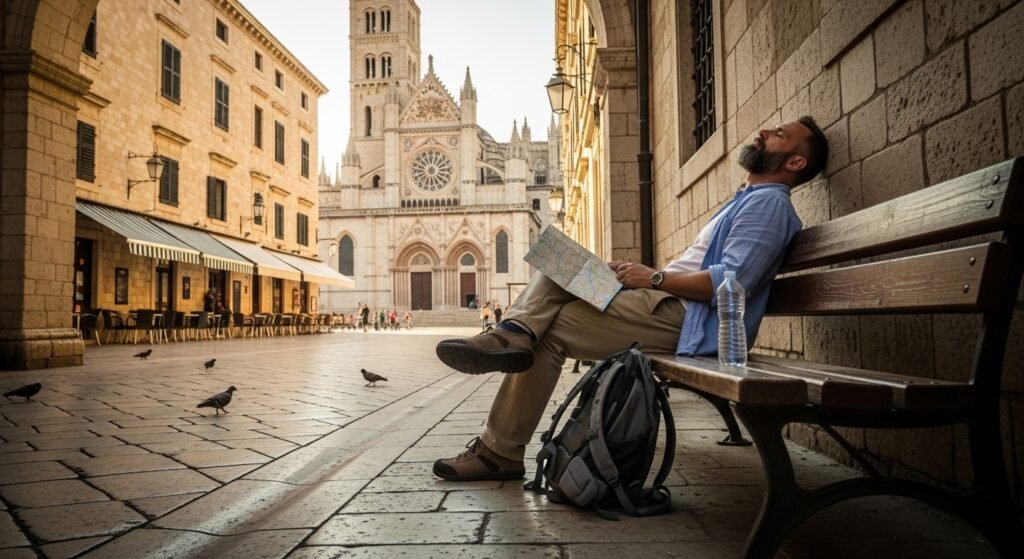
Exploring European cities often means walking long distances through historic districts where cars are limited. Visitors who prefer minimal physical activity may find sightseeing challenging, especially when attractions are spread across pedestrian zones.
The Instant-Service Expecter
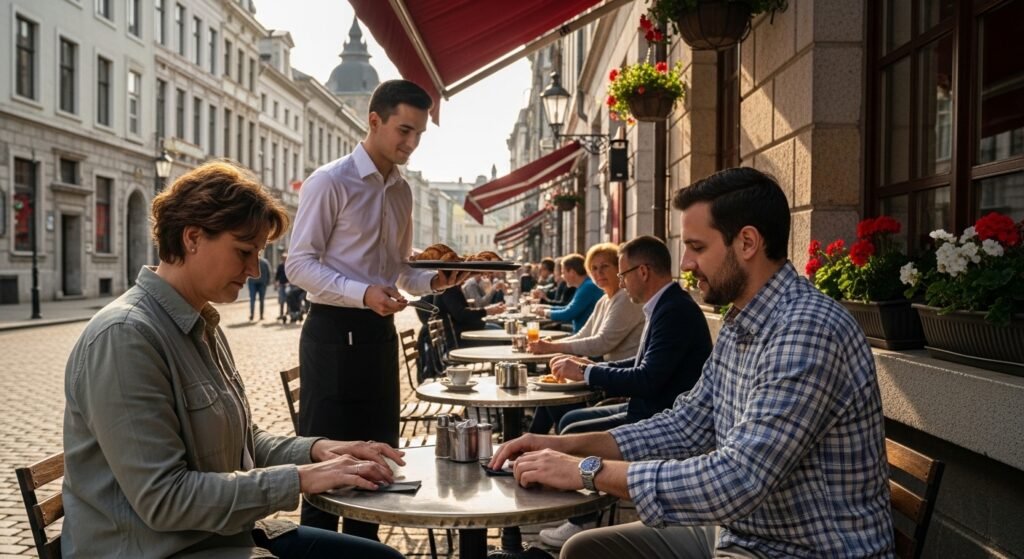
Service styles vary widely across Europe. Meals may take longer, and staff often encourage relaxed dining rather than quick turnover. Travelers expecting fast, highly attentive service might misinterpret the slower pace.
The Over-Planner
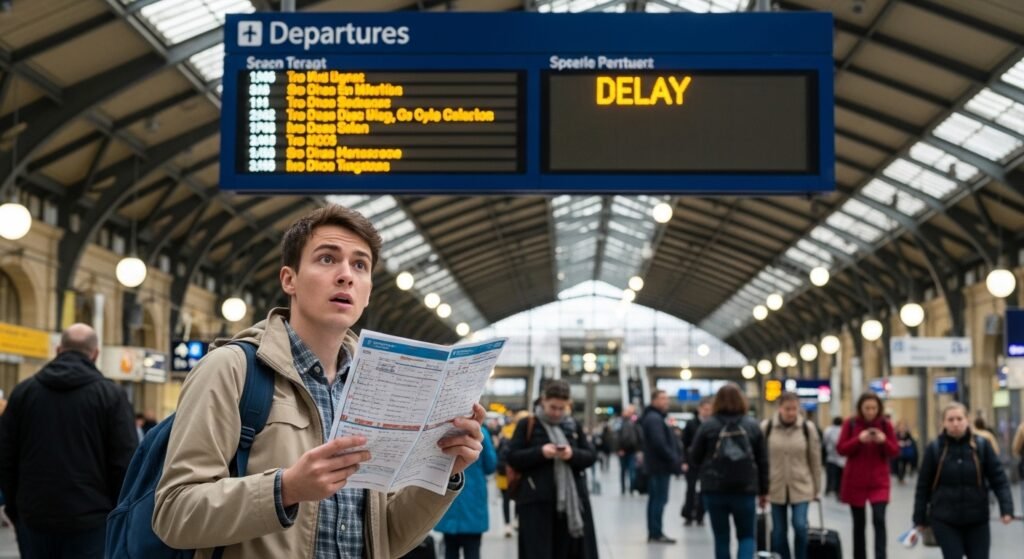
Travelers who attempt to control every moment may feel frustrated when transportation delays, weather shifts, or unexpected closures occur. Europe rewards those who allow room for spontaneity and local discoveries.
The Strict Food Traditionalist

European cuisine can vary dramatically from one country to another. Travelers unwilling to try unfamiliar dishes or regional ingredients may miss out on one of the continent’s most memorable experiences: its diverse culinary traditions.
The Always-Connected Traveler

Some travelers expect uninterrupted connectivity and constant digital convenience. While cities offer reliable internet, rural regions, trains, or historic sites may have limited connectivity, which can disrupt plans for those relying entirely on digital tools.
The Culture-Resistant Visitor

Europe’s charm lies in its traditions, etiquette, and local customs. Travelers unwilling to adapt to different dining times, greetings, or social expectations may struggle to fully appreciate the authentic cultural atmosphere.
