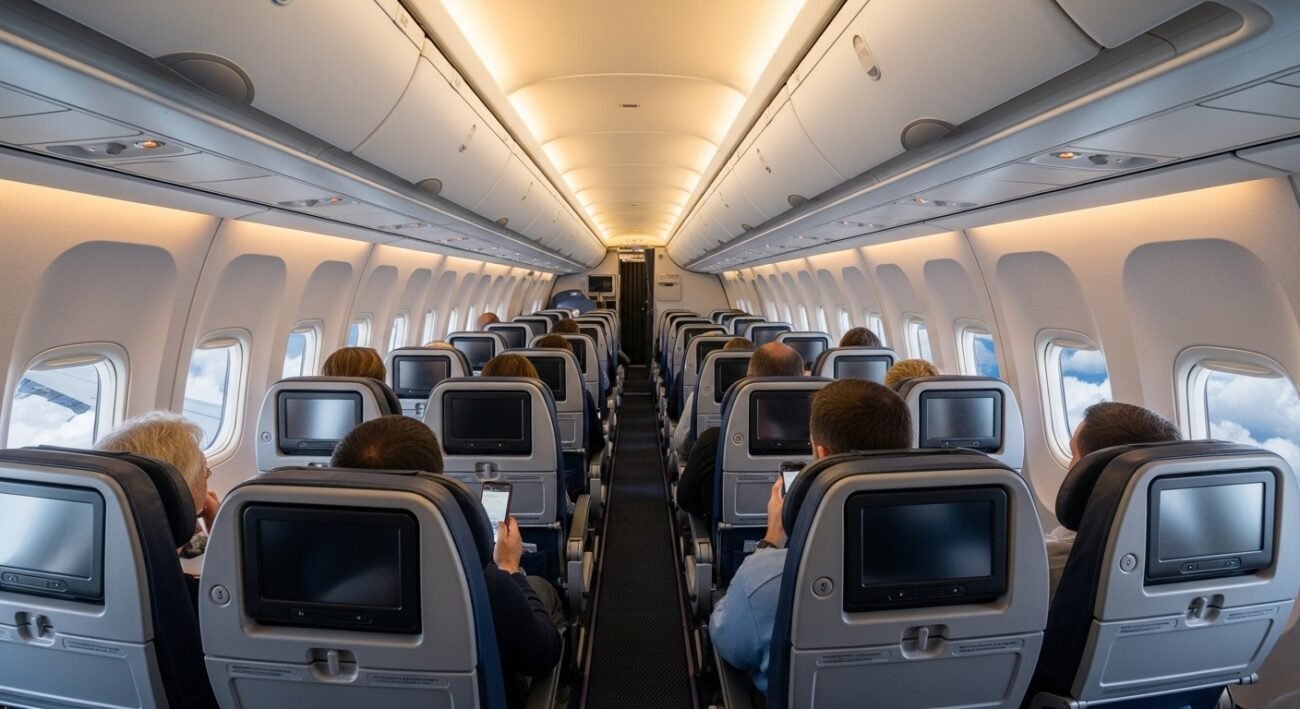
Modern airplanes are carefully designed machines, built not only for safety but also for comfort and efficiency. Many travelers focus on seats, meals, or window views, yet aircraft cabins include several clever features that quietly support the flying experience. Some help the crew manage emergencies, while others improve passenger comfort during long journeys. Because these details blend into the cabin environment, most people never notice them. However, once you learn about them, you start spotting them on almost every flight. From hidden sleeping areas for crew members to tiny holes in airplane windows, these thoughtful details reveal how much planning goes into every aircraft design.
Crew Rest Compartments
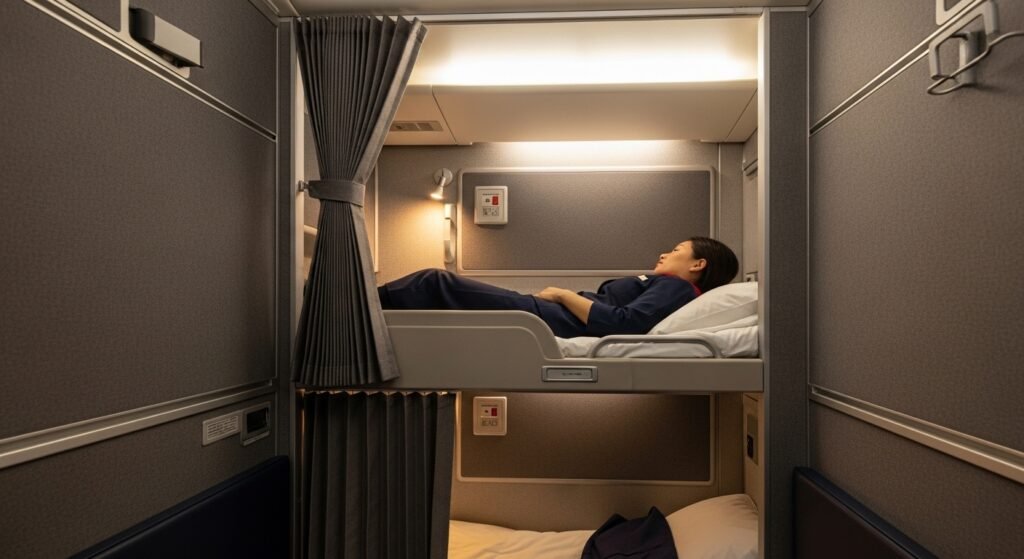
On long-haul flights, pilots and flight attendants need proper rest. Many large aircraft include hidden sleeping compartments above or below the passenger cabin. These spaces contain small beds and curtains, allowing crew members to recharge during lengthy journeys.
Tiny Hole in Airplane Windows
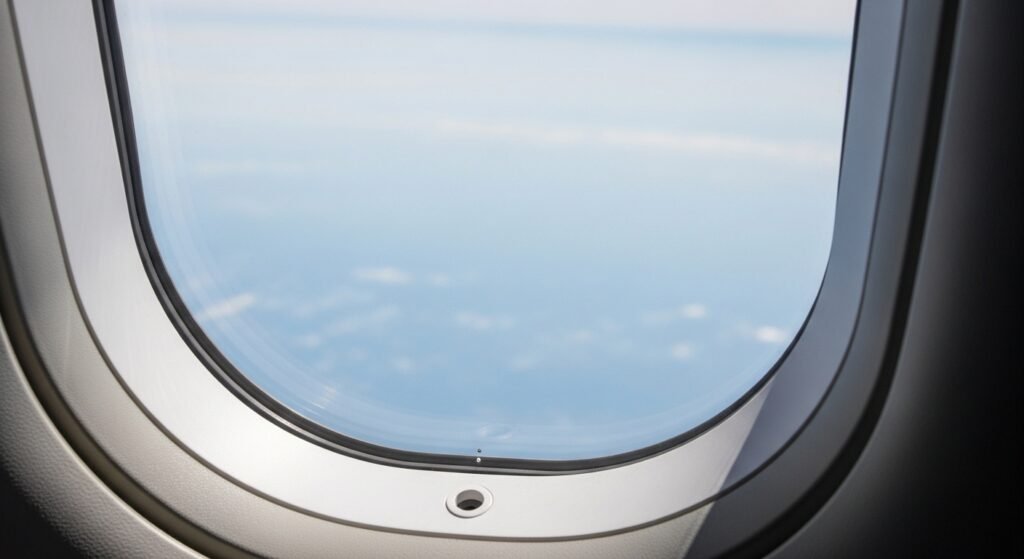
Look closely at an airplane window and you may see a small hole near the bottom. This opening helps regulate cabin pressure between the window layers. It also prevents fogging, ensuring passengers maintain a clear outside view.
Hooks on the Seat Back Tray
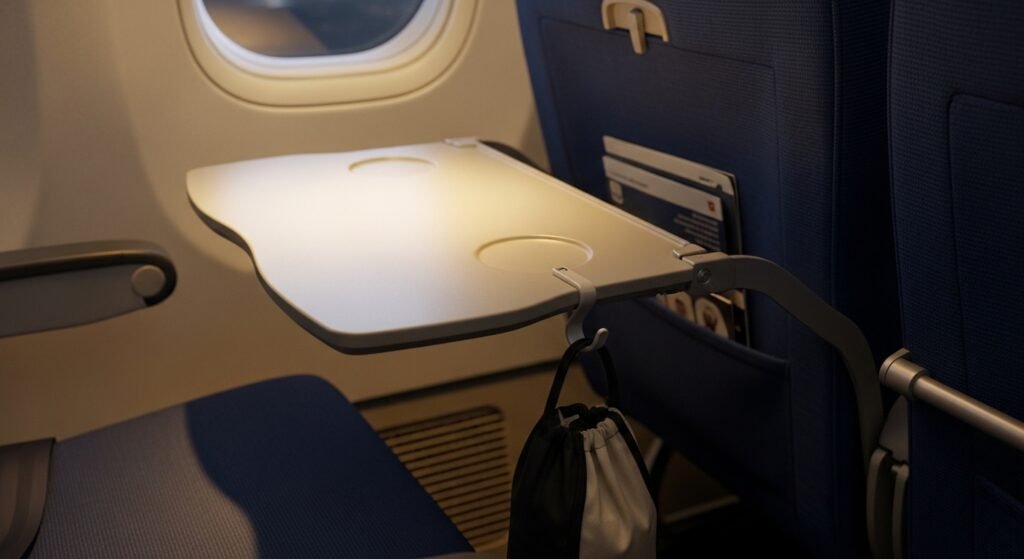
Some airplane tray tables include small hooks on the back. These are designed to hold light bags or personal items. The feature helps keep the floor area clear and allows passengers easier access to belongings.
Hidden Door Handles
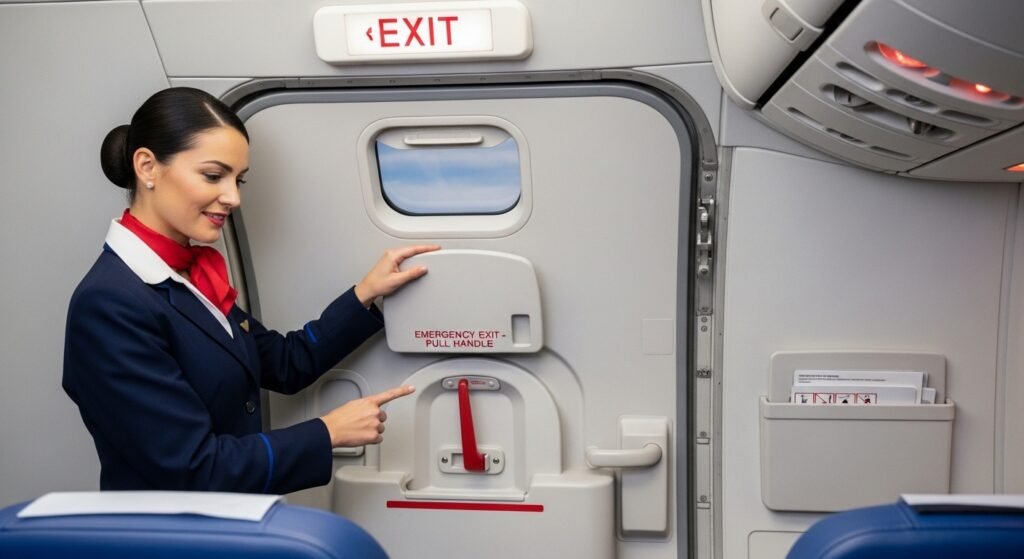
Aircraft doors are extremely heavy and must open smoothly during emergencies. Built-in handles or assist grips help flight attendants operate them safely. These handles are carefully placed so they remain discreet and do not interfere with cabin design.
Secret Staircases for Crew Access
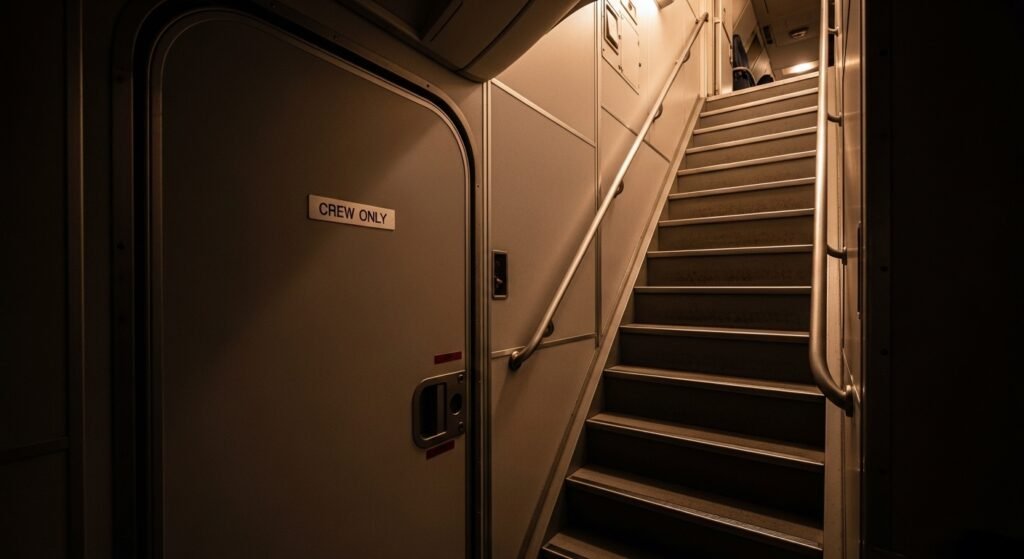
Certain wide-body airplanes contain narrow staircases leading to upper crew areas. Passengers rarely see these stairways because they are located behind service doors. They provide private access to rest compartments or storage sections.
Black Triangle Seat Markers
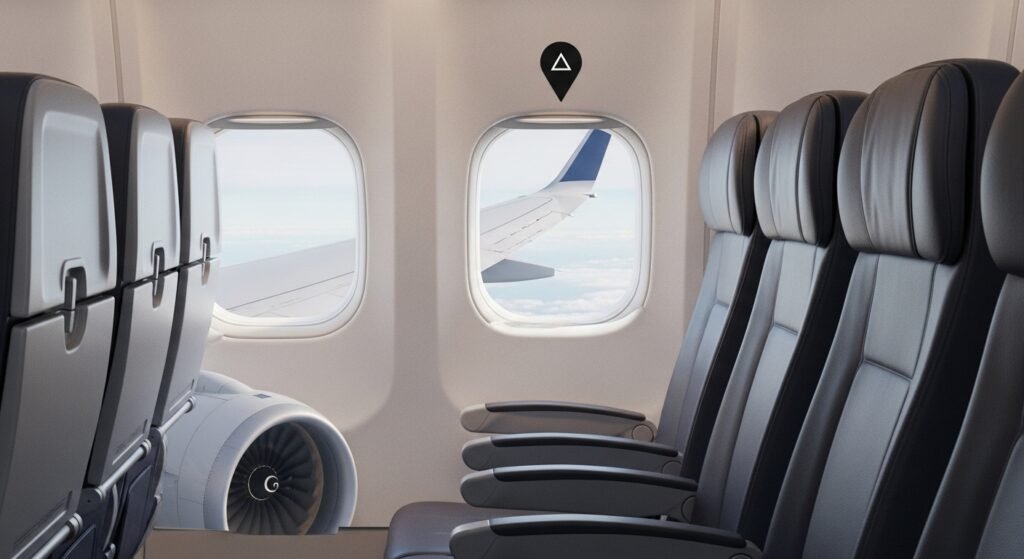
If you notice small black triangles on cabin walls above certain seats, they are not decorative. These markers help flight attendants quickly locate the airplane wings. This becomes useful when checking wing conditions during unusual situations.
Extra Ashtrays in Lavatories

Even though smoking is prohibited on modern flights, lavatories still include ashtrays. Aviation safety rules require them in case someone ignores regulations. The ashtray provides a safer place to dispose of a cigarette rather than risking a fire.
Special Armrests on Aisle Seats
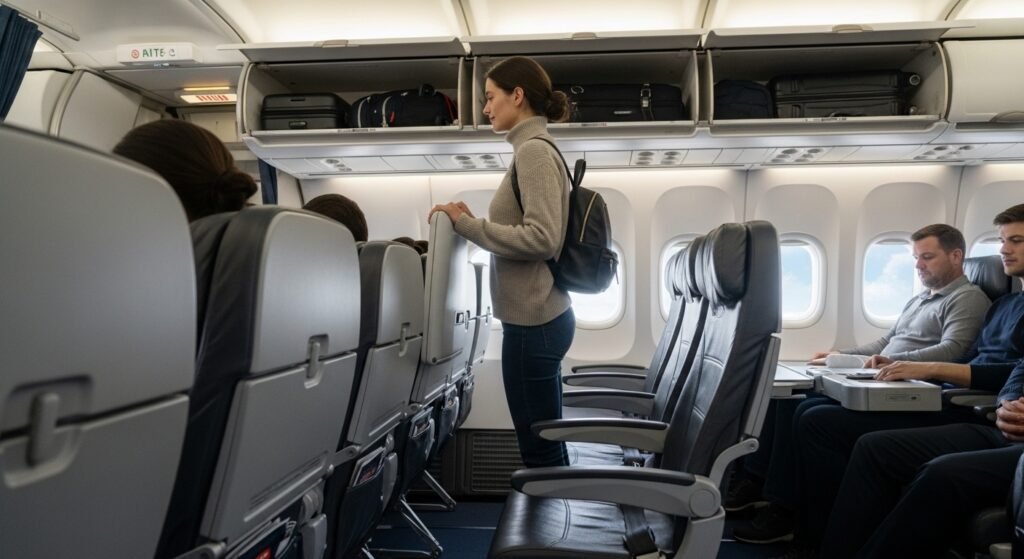
Many aisle seats have armrests that can lift completely upward. This design helps passengers move in and out of their seats easily. It also assists people who may need extra mobility support while boarding or exiting.
Small Holes in Overhead Bins
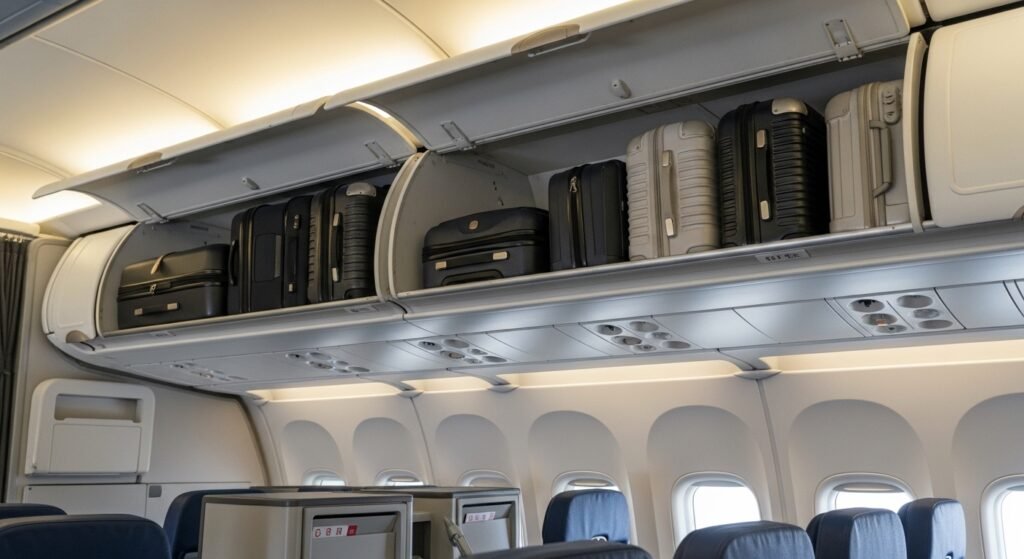
The overhead luggage bins sometimes include tiny ventilation openings. These holes allow air to circulate and help balance pressure changes during flight. They also prevent odors or moisture from building up inside closed compartments.
Window Alignment Rows
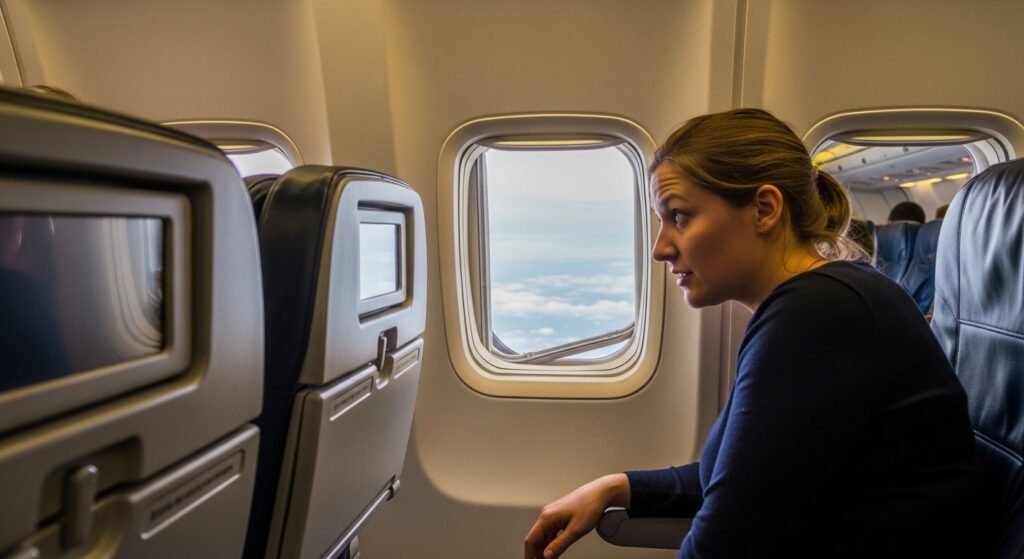
Airplane windows are not perfectly aligned with every seat. Designers place them according to the aircraft structure and frame spacing. This explains why some rows enjoy perfect views while others find the window slightly behind them.
Special Coating on Airplane Windows
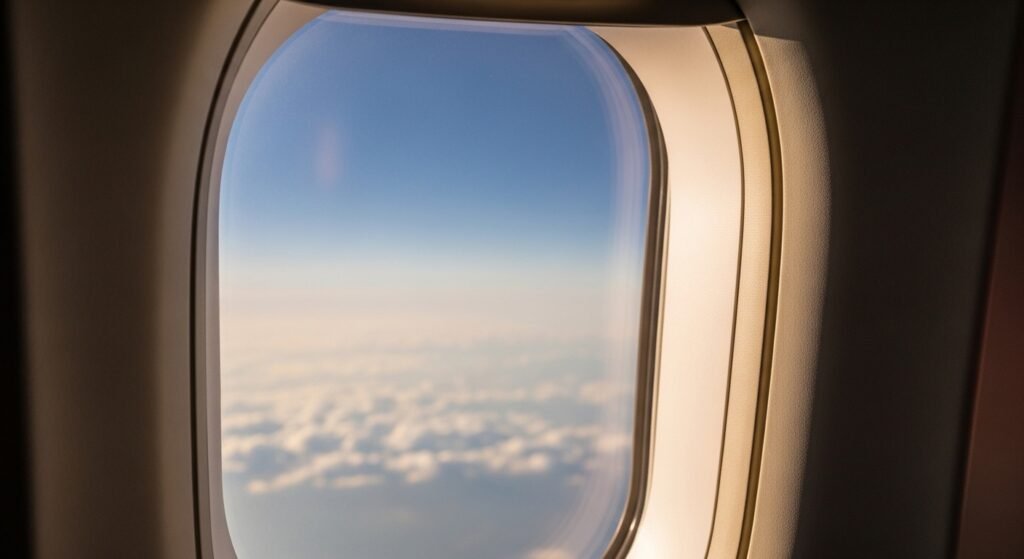
Airplane windows are made from multiple layers of strong material. Some include protective coatings that reduce glare and improve durability. This construction helps maintain visibility while protecting passengers from pressure and temperature changes.
