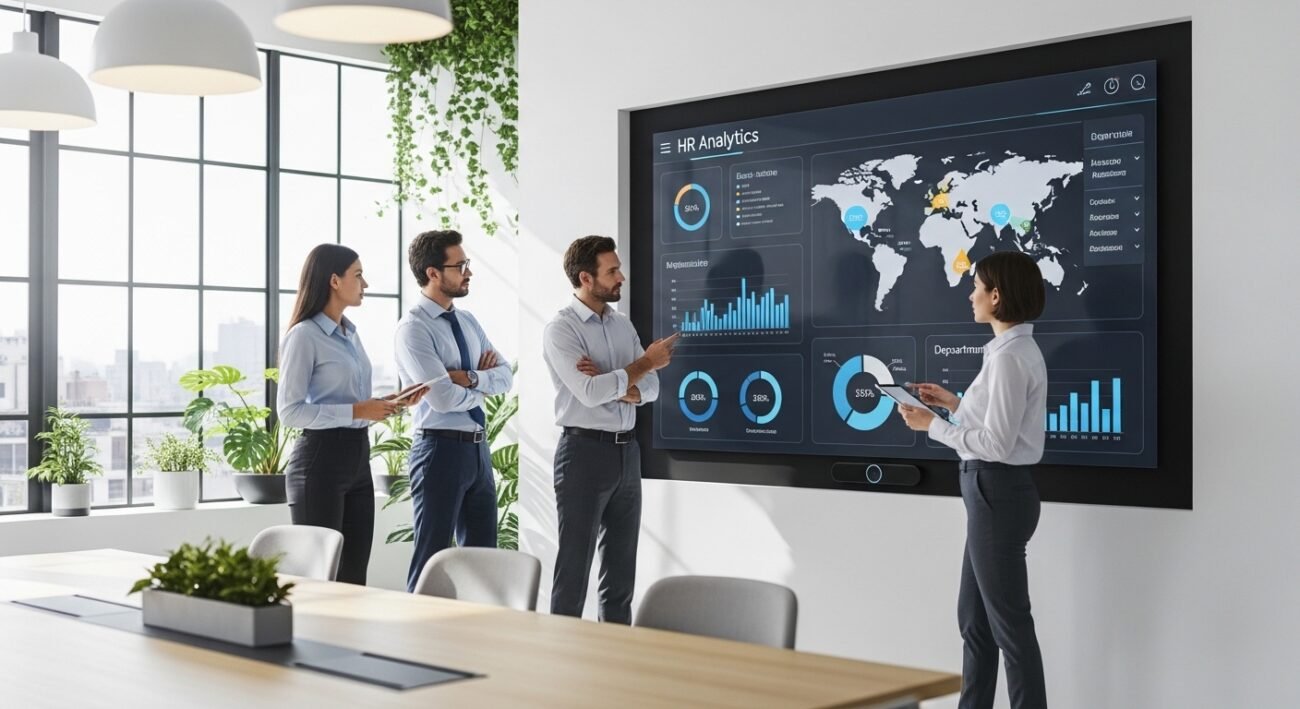
Human resource teams manage large amounts of employee data every day. Without proper visualization, this information becomes difficult to interpret. HR dashboards solve that problem by turning complex workforce data into simple, meaningful insights. They allow leaders to track recruitment progress, employee engagement, performance levels, and compliance requirements in one place. Instead of searching through multiple reports, managers can quickly identify trends and make better workforce decisions. Each type of HR dashboard focuses on a different aspect of employee management. Understanding these dashboards helps organizations maintain efficiency, improve workplace culture, and support long-term business goals through informed and timely human resource strategies.
Recruitment Dashboard
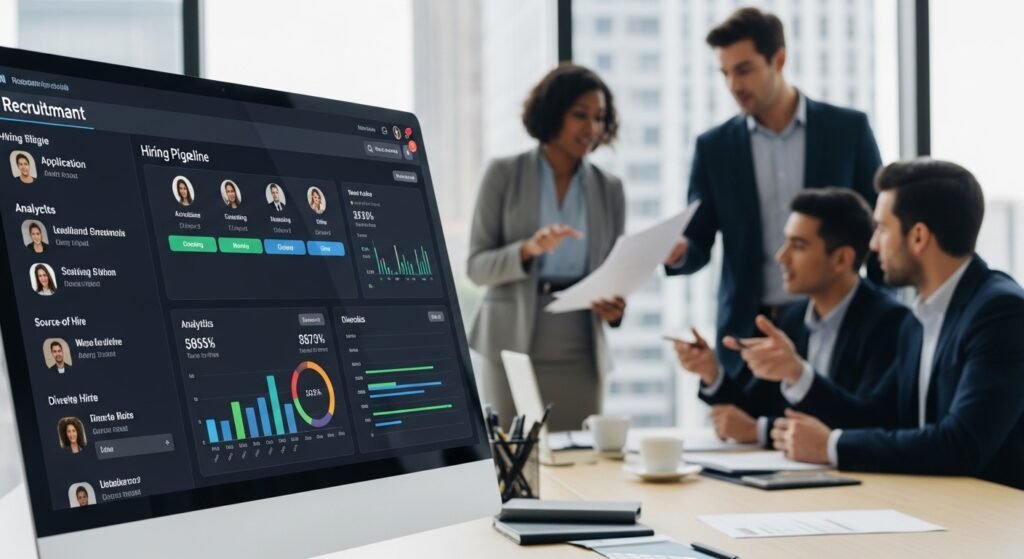
Tracks hiring pipeline from application to offer. HR teams view open roles, candidate sources, interview progress, and time to hire. This dashboard helps leaders identify delays, adjust sourcing strategy, and maintain steady recruitment momentum today.
Employee Turnover Dashboard
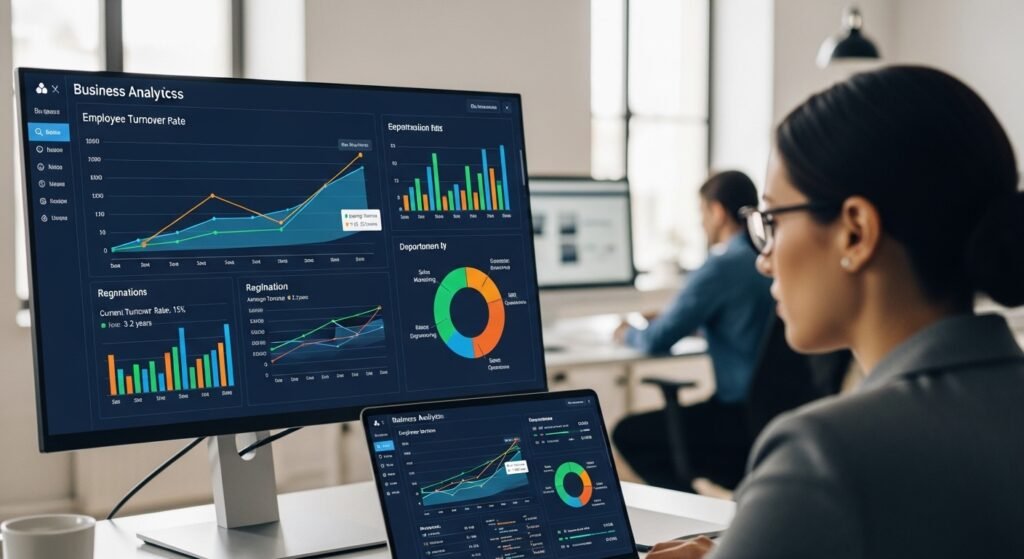
Shows patterns behind employee departures across departments and tenure groups. HR managers monitor voluntary exits, retention trends, and resignation spikes. Insights help organizations strengthen workplace culture, review policies, and address early warning signals quickly today.
Attendance and Absence Dashboard
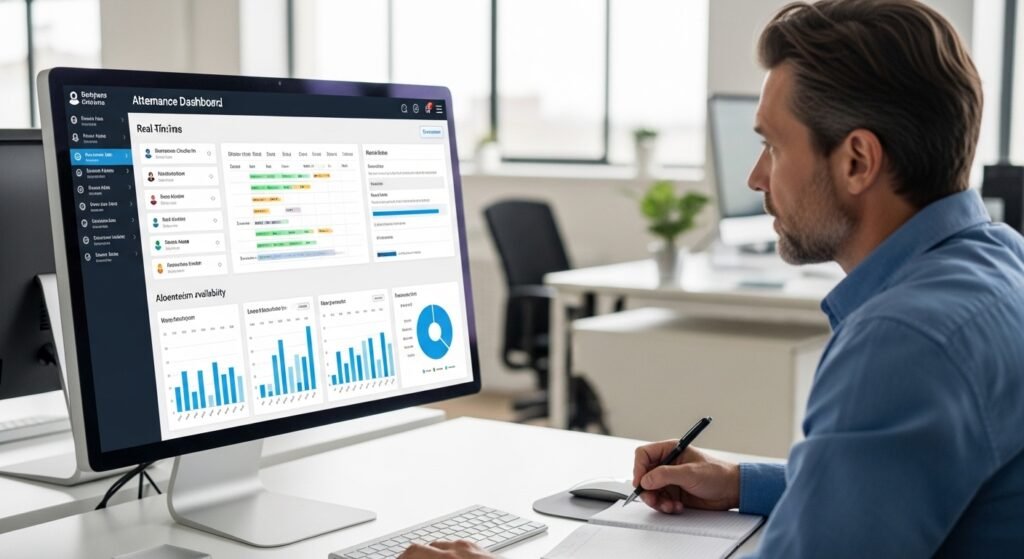
Provides a clear view of daily attendance, absenteeism rates, and leave patterns. Managers track frequent absences and seasonal changes. Reliable data supports fair scheduling, balanced workloads, and better communication between employees and supervisors across teams.
Performance Management Dashboard
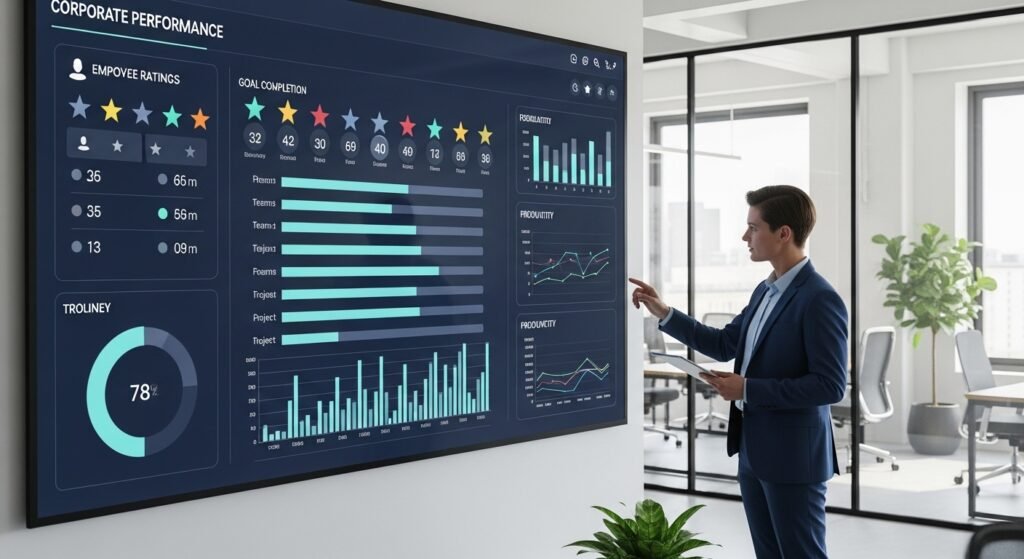
Displays employee performance ratings, goal completion, and review outcomes in one place. Leaders quickly understand team progress. The dashboard encourages consistent evaluations, constructive feedback, and stronger alignment between individual work and company priorities moving forward.
Compensation and Payroll Dashboard
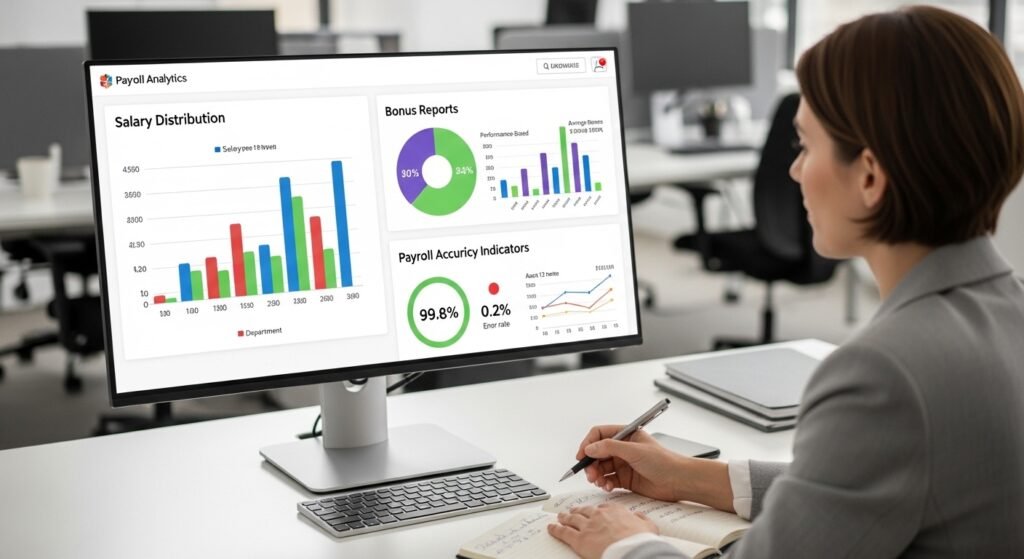
Combines salary data, bonus distribution, and payroll accuracy indicators. HR professionals monitor pay structures across roles and departments. It supports transparent budgeting, prevents calculation mistakes, and ensures employees receive consistent and timely compensation every cycle.
Diversity and Inclusion Dashboard
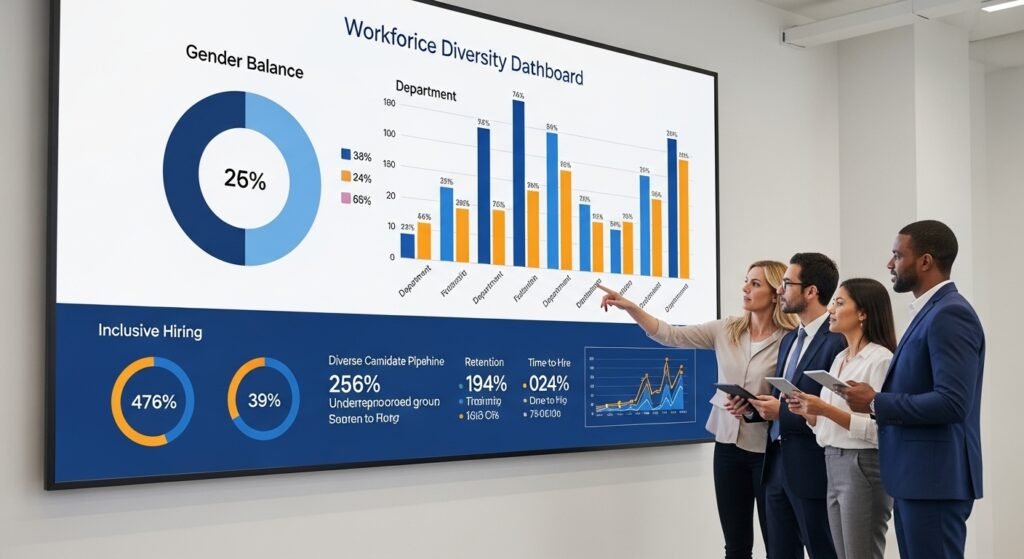
Diversity dashboards highlight workforce composition across gender balance, experience levels, and departmental representation. Leaders evaluate progress toward inclusion goals. Careful monitoring encourages equitable hiring practices and promotes respectful collaboration throughout the organisation consistently each year.
Employee Engagement Dashboard
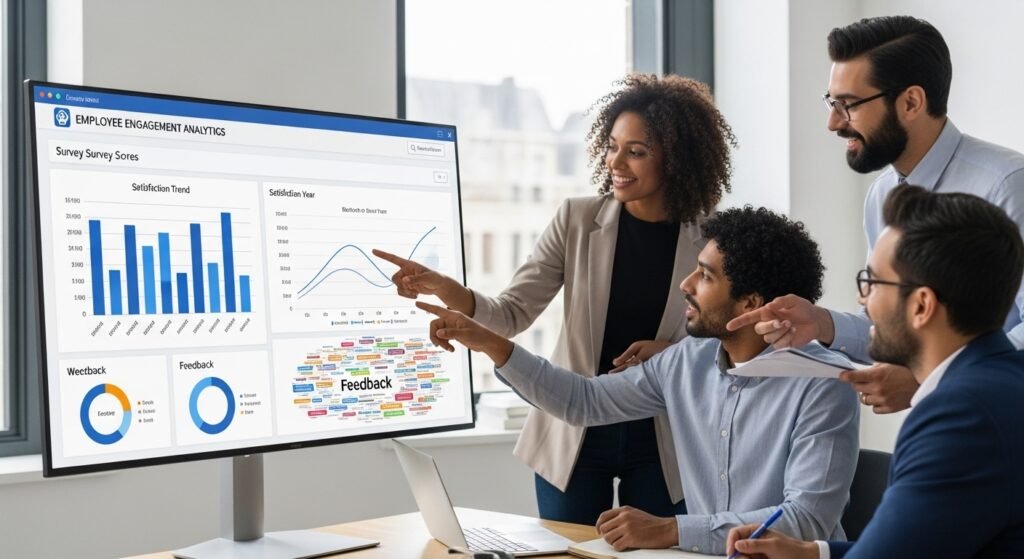
Measures engagement through survey responses, feedback trends, and satisfaction indicators. HR teams study morale changes after policy updates or leadership decisions. The dashboard helps organizations respond thoughtfully and strengthen long term employee commitment across workplaces.
Training and Development Dashboard
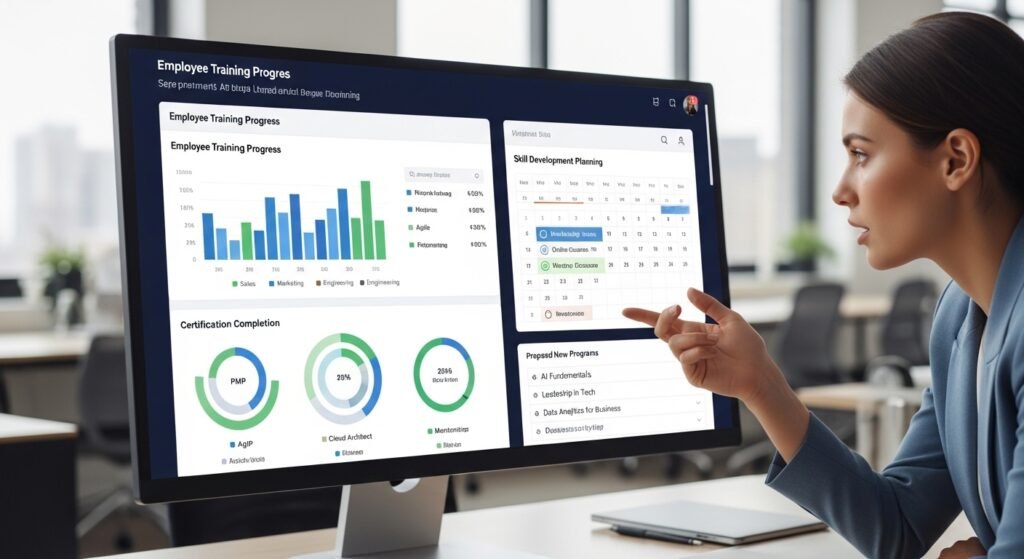
Tracks participation in learning programs, certification progress, and skill improvement metrics. Managers identify knowledge gaps across teams. Clear data helps companies design targeted workshops and maintain a culture of continuous professional growth across the workforce.
Workforce Planning Dashboard
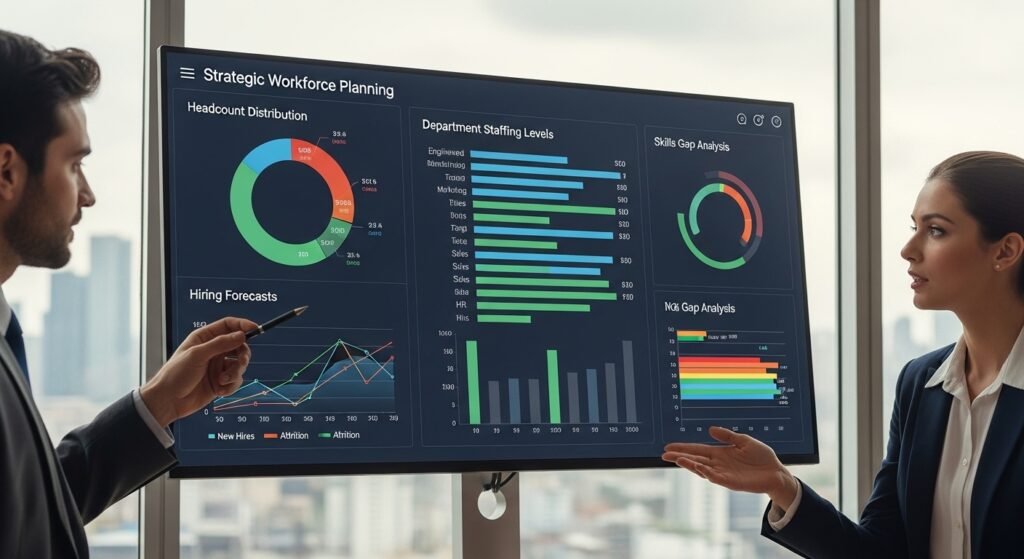
Supports long term staffing decisions by presenting headcount distribution, departmental needs, and projected hiring demand. Executives review workforce capacity alongside business expansion plans, ensuring organizations prepare for growth without creating resource shortages in future operations.
HR Compliance Dashboard
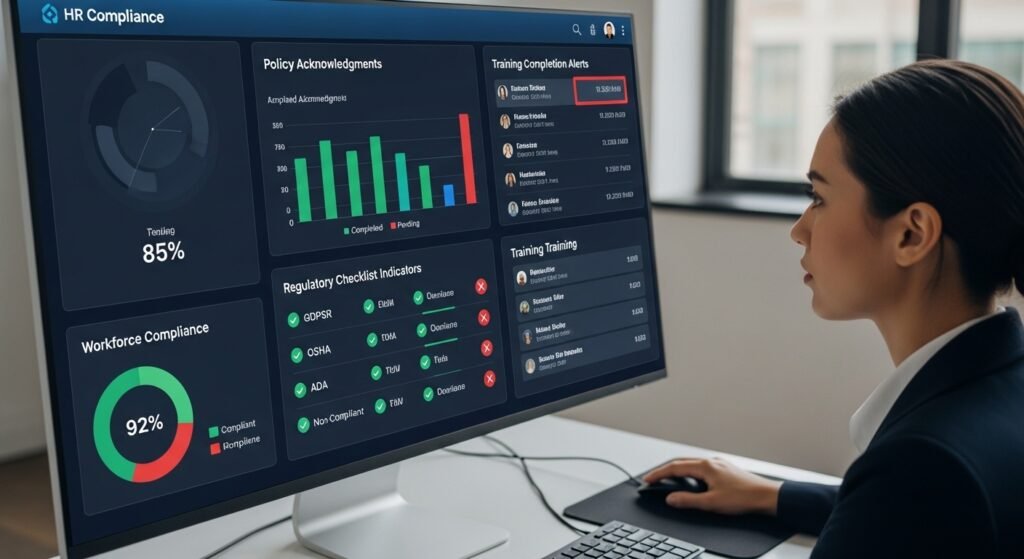
Monitors regulatory requirements, documentation status, and policy acknowledgments across the workforce. HR departments quickly detect incomplete records or overdue training. This visibility helps organizations maintain orderly records and meet workplace governance expectations with confidence always.
Executive HR Overview Dashboard
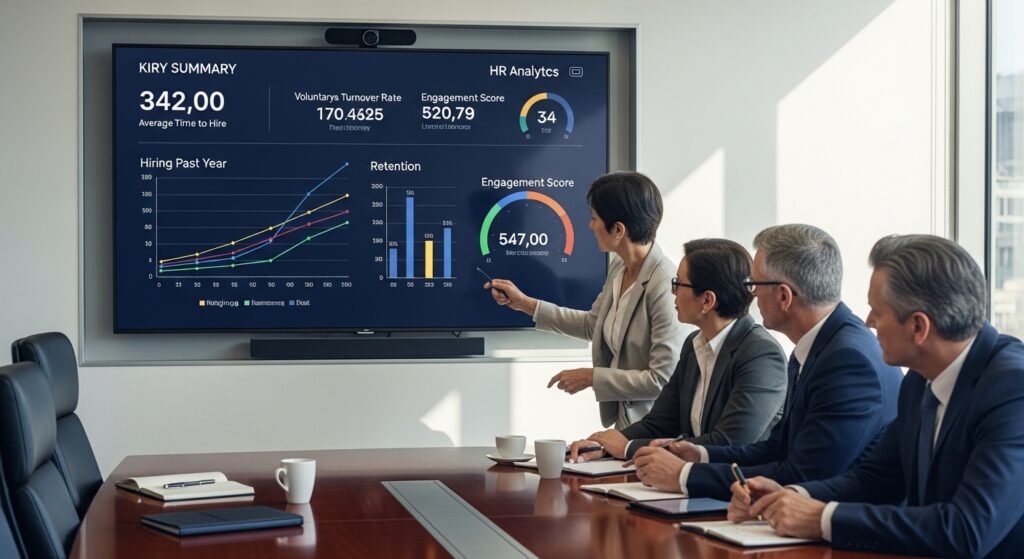
Summarizes essential workforce indicators for senior leadership including hiring trends, retention levels, engagement scores, and productivity signals. Decision makers gain a balanced perspective and can guide strategy with timely, structured people insights for better planning.
