
Social experiments have long helped researchers understand how people think, behave, and respond to others. Sometimes the results confirm expectations, but many studies have produced outcomes that surprised even the scientists who designed them. These experiments reveal how group pressure, authority, environment, and simple social cues can shape everyday decisions. From classrooms to city streets, researchers have explored human reactions in carefully designed situations. Over time, these findings have influenced psychology, education, and public policy. The following social experiments highlight moments when ordinary participants responded in unexpected ways, offering lasting insights into how people behave within groups and social systems.
Milgram Obedience Experiment
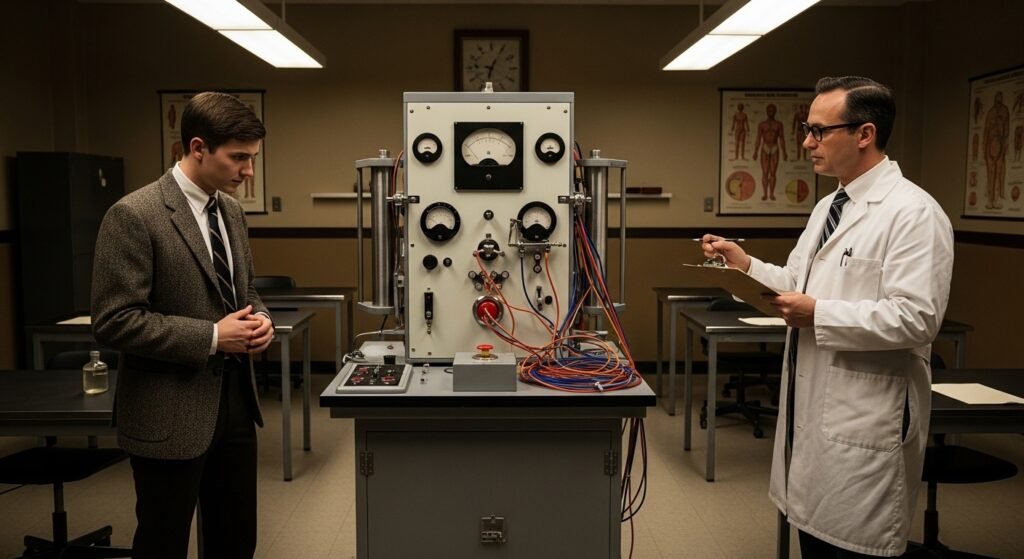
Psychologist Stanley Milgram tested whether people would follow authority even when uncomfortable. Many participants continued administering what they believed were painful electric shocks simply because an authority figure instructed them to continue.
Stanford Prison Experiment
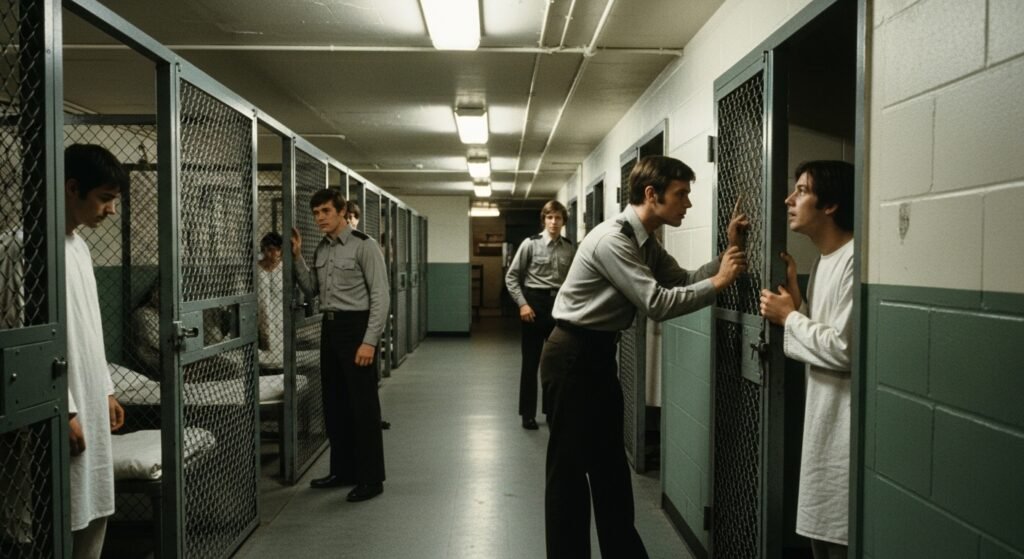
Led by Philip Zimbardo at Stanford University, this study assigned volunteers as guards and prisoners in a simulated prison. Participants quickly adopted their roles, showing how environment and power dynamics can strongly influence behavior.
Asch Conformity Experiment

Psychologist Solomon Asch explored how group pressure affects judgment. Participants often agreed with clearly incorrect answers from others in the room, demonstrating how individuals sometimes prioritize social acceptance over obvious facts.
Robbers Cave Experiment
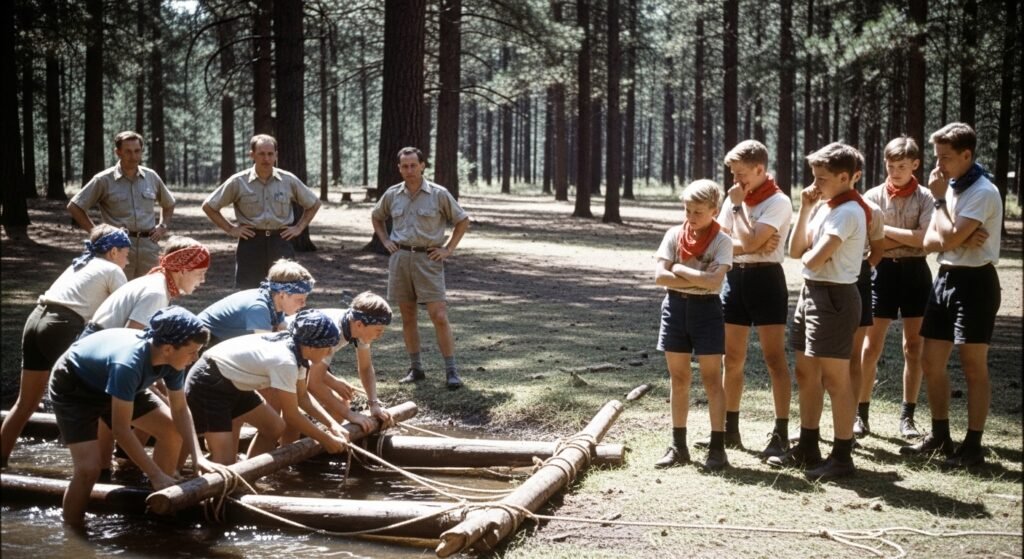
Organized by Muzafer Sherif, this study placed two groups of boys at a summer camp. Competition quickly created tension, yet shared goals later encouraged cooperation, showing how collaboration can reduce conflict between groups.
Hawthorne Effect Study
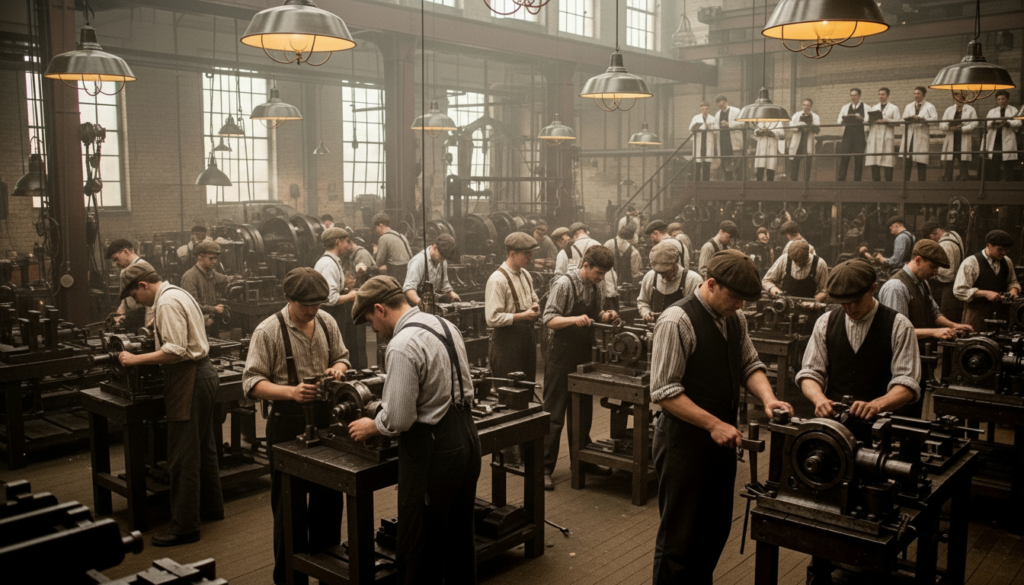
Researchers at Western Electric Company found that workers improved productivity simply because they knew they were being observed. The results suggested attention itself can influence performance in workplaces and social environments.
Good Samaritan Experiment
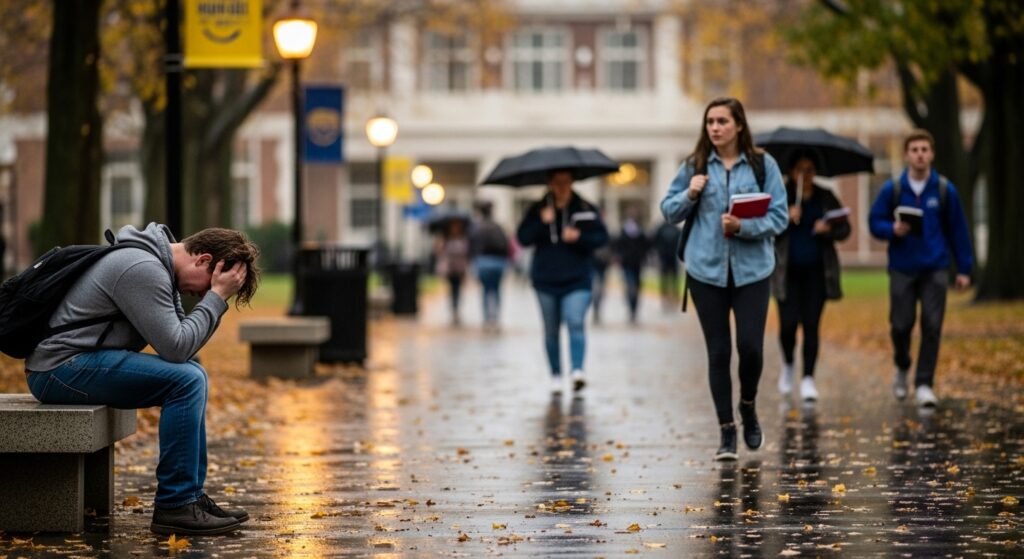
Conducted at Princeton University, this experiment tested whether people would help someone in distress. Participants who believed they were late were far less likely to stop, showing how time pressure shapes moral decisions.
Bystander Effect Study
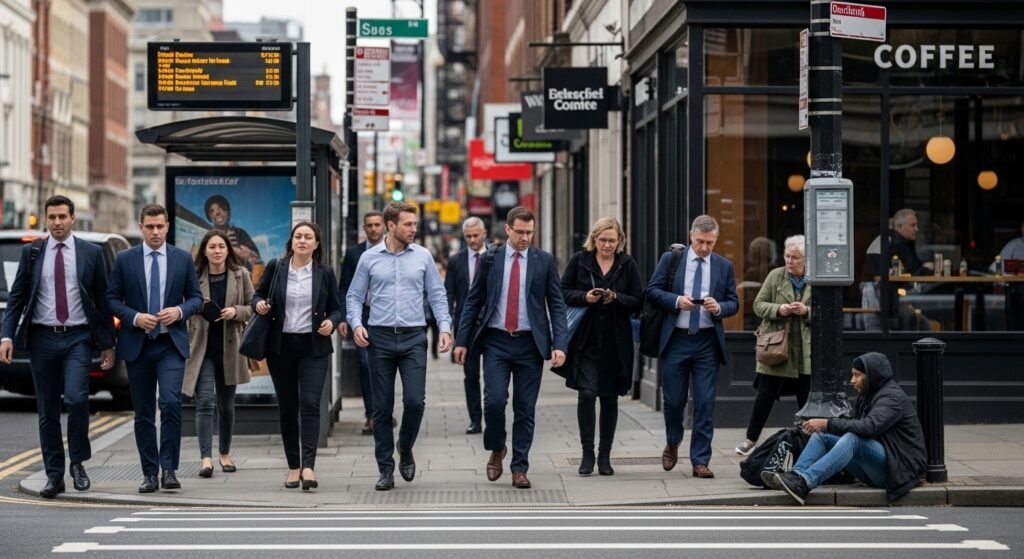
Following the widely discussed case of Kitty Genovese, psychologists studied why individuals hesitate to help when others are present. Results suggested people often assume someone else will act, reducing personal responsibility.
Marshmallow Test
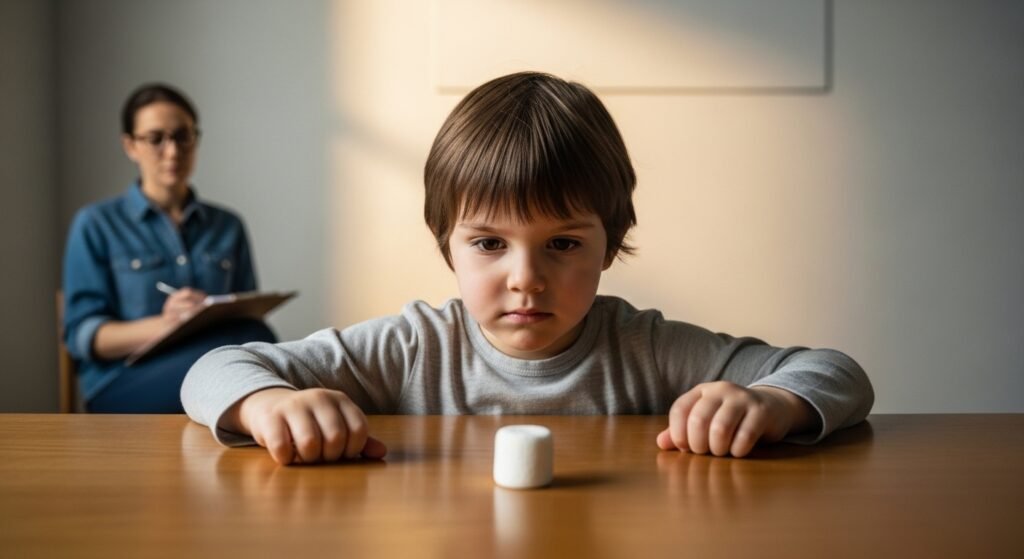
Developed by Walter Mischel at Stanford University, children were offered one treat immediately or two later if they waited. The experiment showed that self-control in early childhood could relate to later life outcomes.
Blue Eyes–Brown Eyes Classroom Experiment
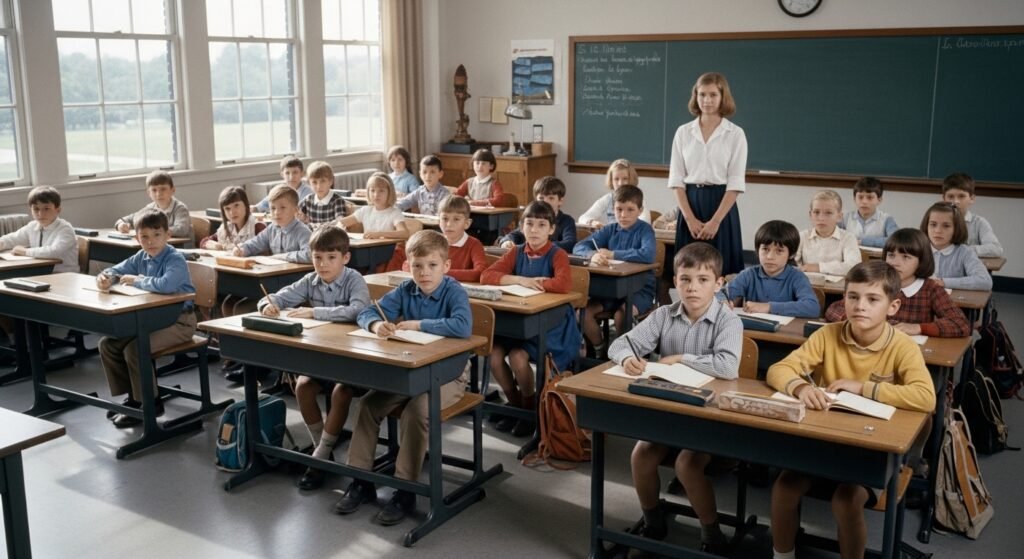
Teacher Jane Elliott created a classroom activity dividing students by eye color. Favoring one group quickly affected confidence and behavior, demonstrating how social labels can influence attitudes and performance.
Broken Windows Experiment
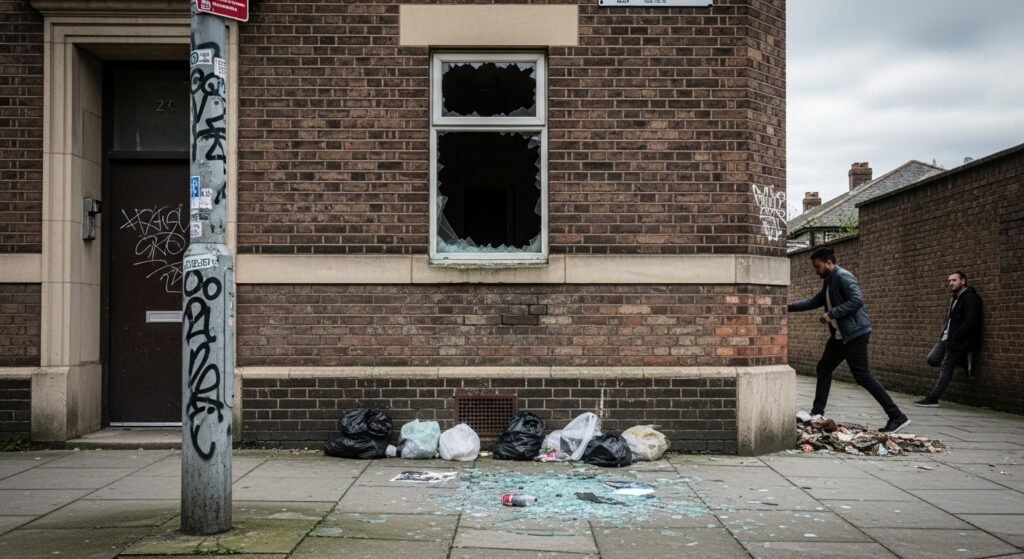
Proposed by James Q. Wilson and George L. Kelling, this concept suggested visible disorder encourages further neglect. Later urban studies showed how environmental signals can influence public behavior and community standards.
Facebook Emotional Contagion Study
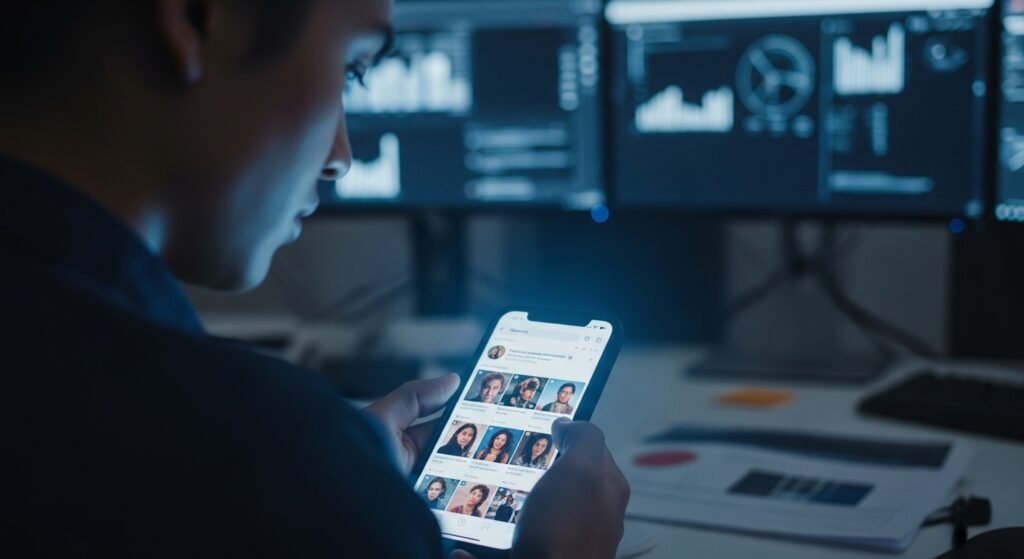
Researchers working with Facebook analyzed how emotional tone in online posts affects users. The findings suggested that digital environments can subtly influence mood, highlighting the powerful social effects of online communication.
