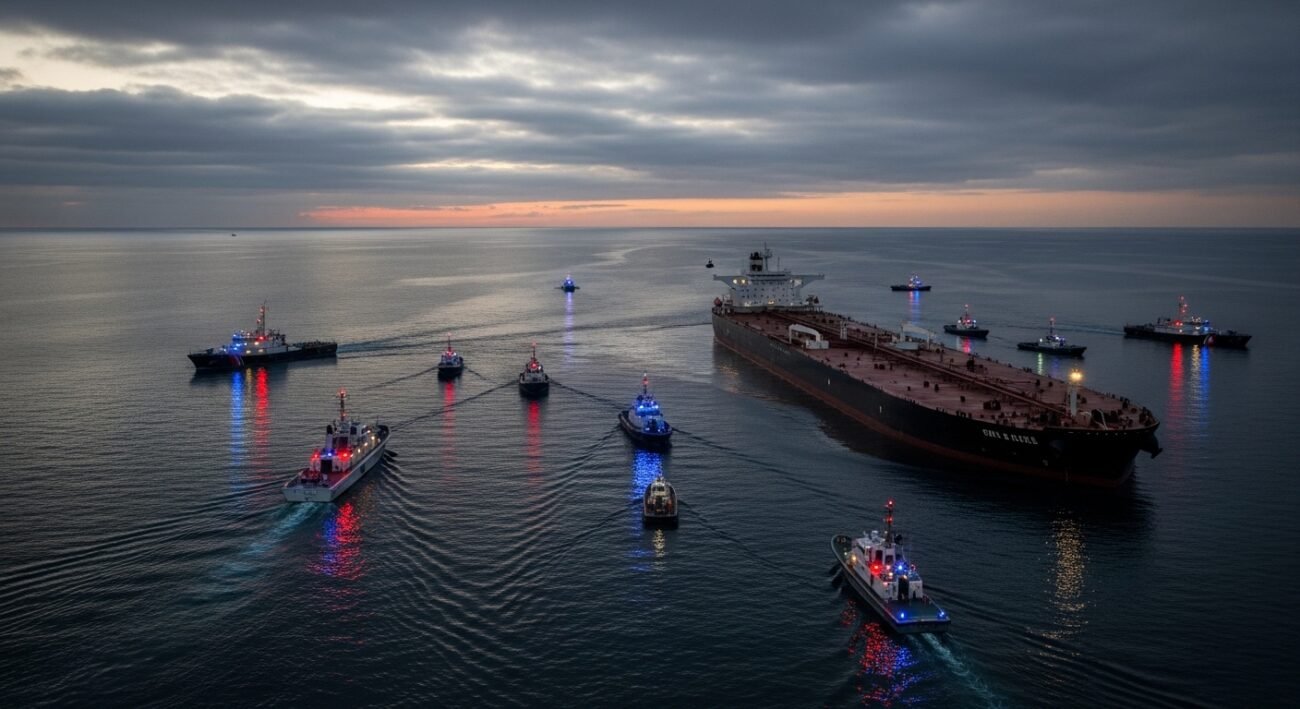
The Strait of Hormuz is currently the focus of intense international scrutiny following reports of a burning oil tanker. This narrow waterway serves as the world’s most critical chokepoint for global energy supplies. Any disruption here sends immediate ripples through international stock exchanges and energy markets. As emergency crews respond to the vessel, diplomatic tensions are rising among neighboring nations. The incident has raised urgent questions about maritime security and the stability of global oil prices. Experts warn that prolonged instability in this region could have a lasting impact on household energy costs and industrial production worldwide.
Maritime Emergency
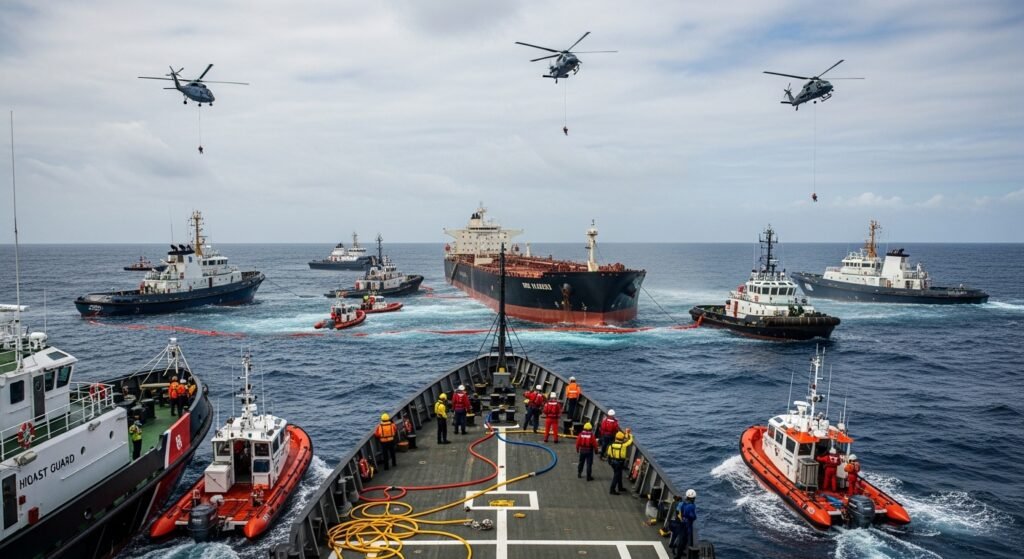
A large commercial vessel caught fire yesterday, sending thick plumes of smoke across the shipping lane. Emergency responders are currently on-site attempting to contain the blaze and prevent any potential environmental damage to the area.
Supply Chain Impact
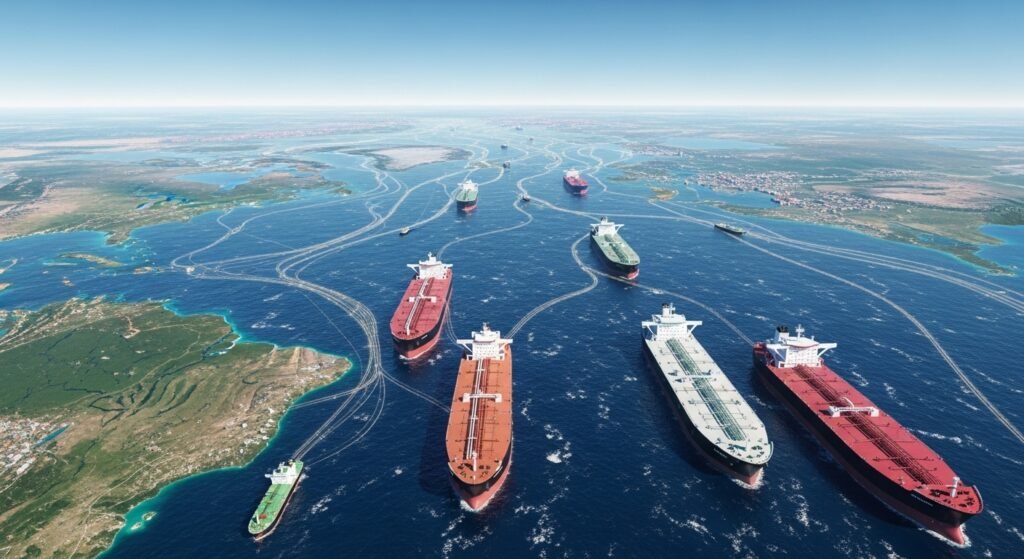
The Strait is responsible for the passage of roughly 20% of the world’s liquid petroleum. Analysts suggest that even a temporary blockage could delay shipments, causing a significant backlog for refineries and global distributors.
Energy Market Volatility

Crude oil futures jumped immediately following the news of the incident. Investors are reacting to the uncertainty, fearing that a decrease in supply will lead to higher costs for consumers at the fuel pump.
International Security Response
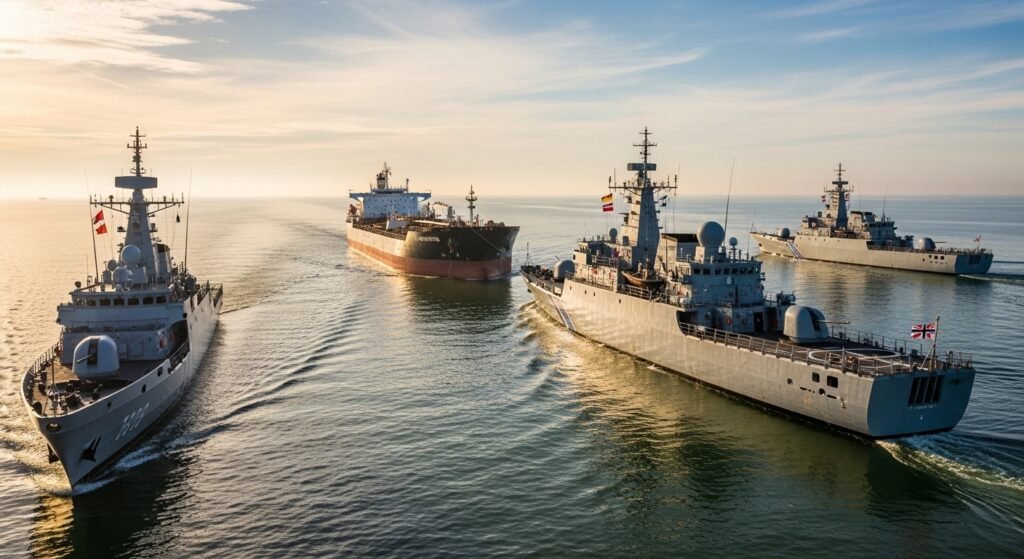
Naval forces from several nations have increased their presence in the surrounding waters. This coordinated effort aims to protect other commercial ships and ensure that the vital trade route remains open to international traffic.
Environmental Concerns
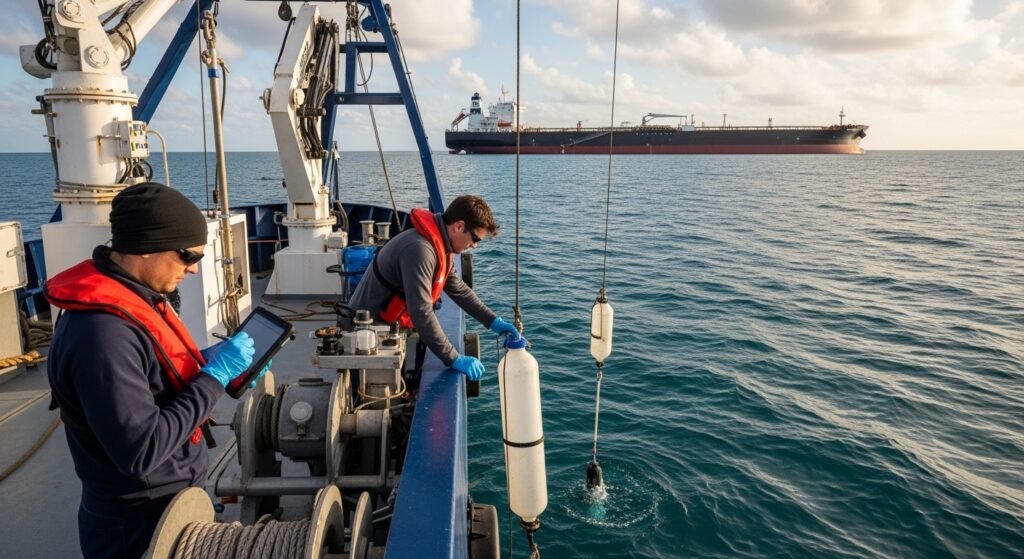
Environmental agencies are monitoring the water quality near the burning tanker. There is a high priority on preventing oil leaks, as a major spill would devastate the local marine ecosystem and coastal fishing industries.
Diplomatic Tensions
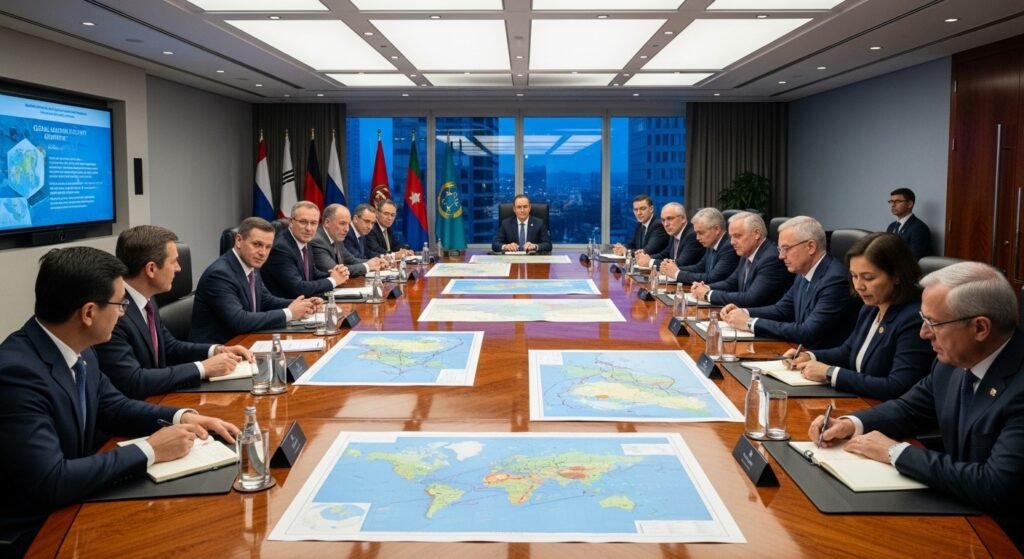
Government officials are calling for a thorough investigation into the cause of the fire. The incident has reignited long-standing geopolitical debates regarding the sovereignty and safety of international waters in the Middle East region.
Global Economic Risk
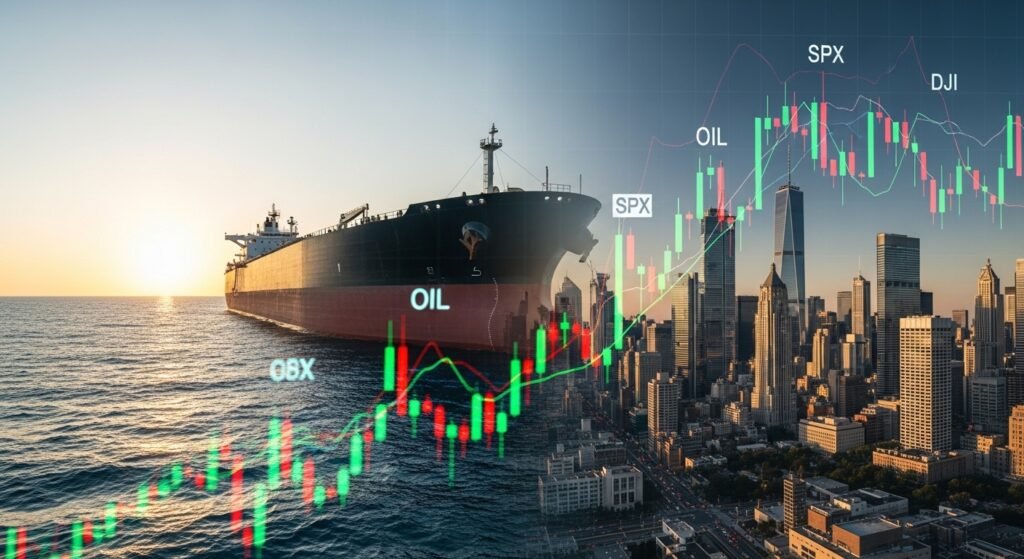
Economists warn that persistent instability in the Strait could hinder global economic recovery. High energy prices act as a tax on both businesses and households, potentially slowing down growth in major industrial sectors.
Shipping Insurance Hikes

Insurance premiums for cargo vessels traveling through the region are expected to rise sharply. These increased operational costs for shipping companies are often passed down to the end consumer through higher prices for goods.
Technological Surveillance

Satellite imagery and drone technology are being used to track the situation in real-time. This data allows global leaders to make informed decisions and coordinate the movement of other vessels away from the danger.
Regional Stability
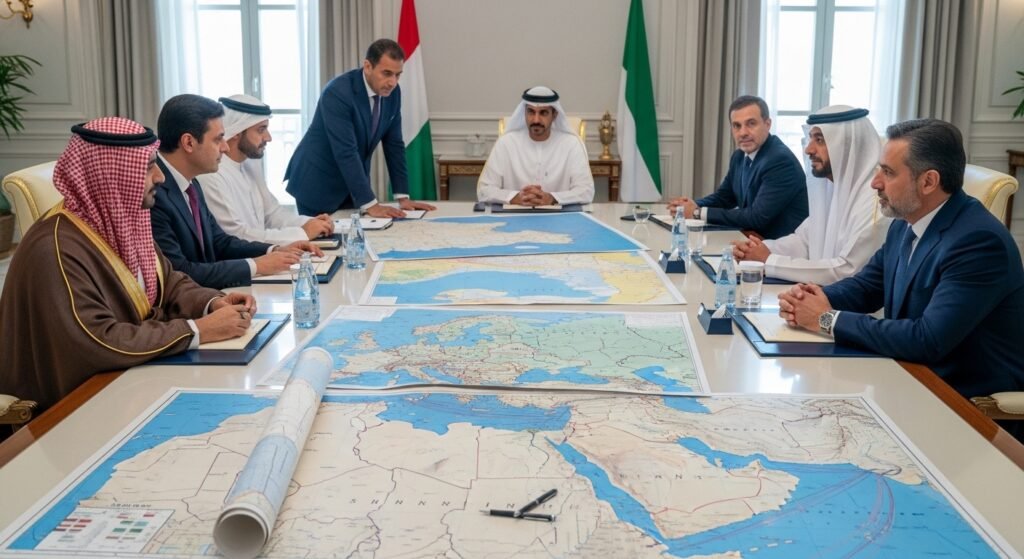
Neighboring countries have expressed deep concern over the escalating situation. Regional leaders are meeting to discuss ways to de-escalate tensions and ensure that local trade and security are not permanently compromised by the crisis.
Long-Term Strategy
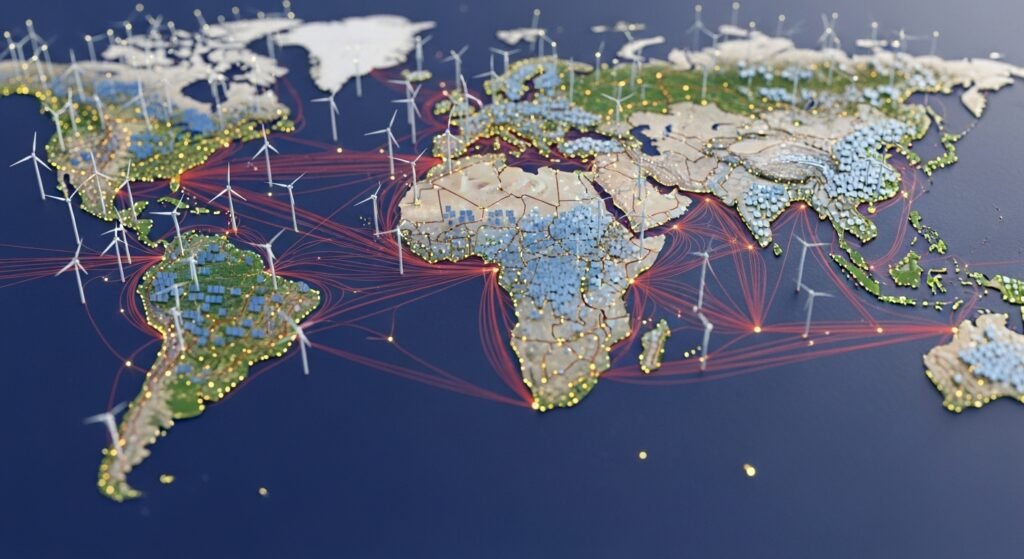
This crisis highlights the vulnerability of relying on specific narrow waterways for energy. Many nations are now discussing the acceleration of alternative energy routes and diversified sources to improve future national energy security.
