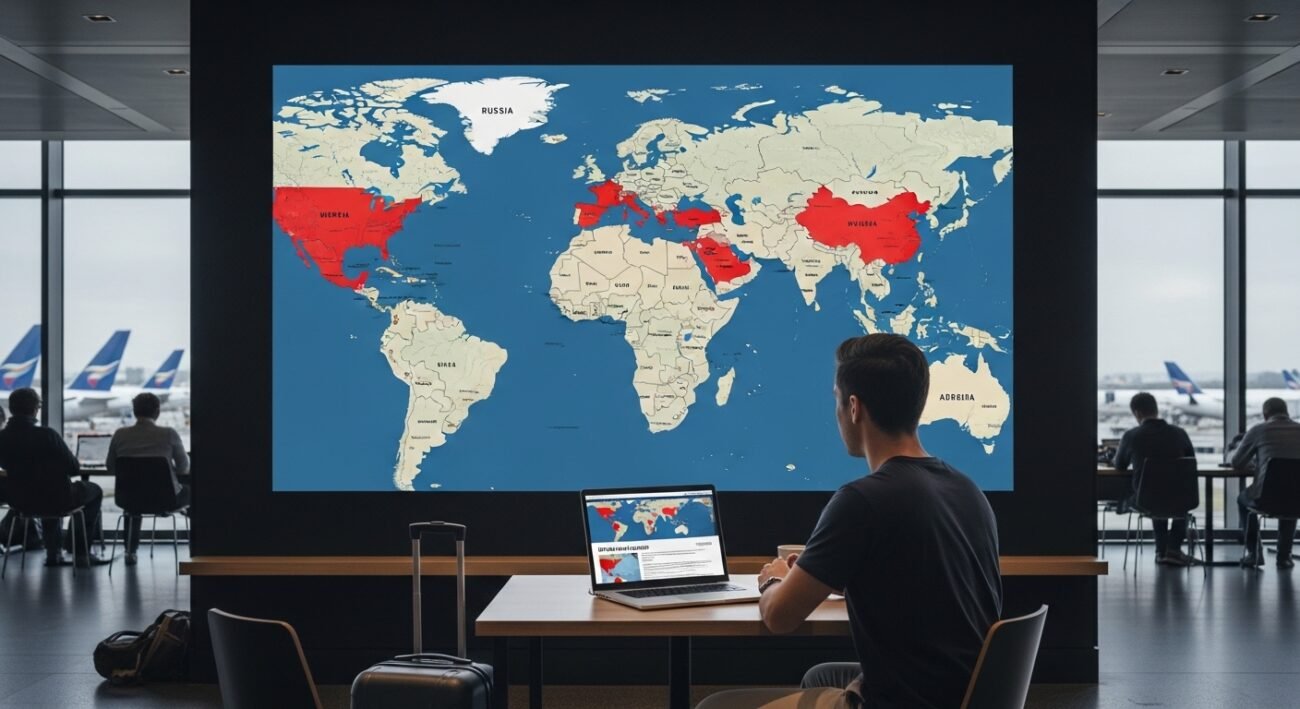
Every year, the Foreign, Commonwealth & Development Office reviews global conditions and issues travel advice for British citizens. Among its most serious warnings is the “do not travel” guidance, reserved for places facing major security, political, or humanitarian challenges. These advisories help travelers understand where risks may outweigh the benefits of visiting. Conditions can include armed conflict, unstable governments, weak infrastructure, or threats to public safety. While travel rules can change as situations evolve, some destinations remain consistently high risk. The following countries currently appear on strict travel warning lists due to ongoing instability and safety concerns.
Afghanistan
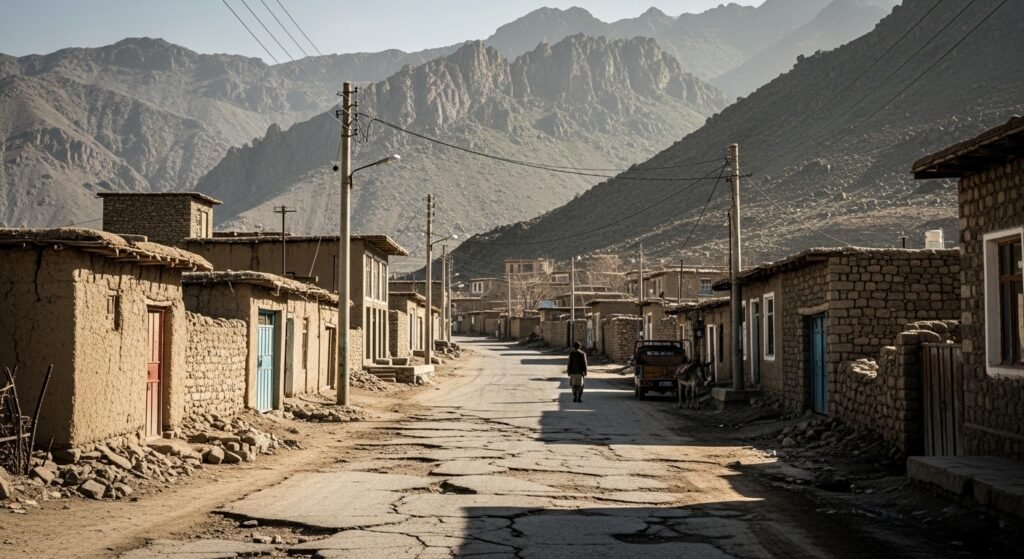
Years of conflict and political instability have left much of Afghanistan unsafe for ordinary travel. Infrastructure remains fragile and security risks persist across many regions. Essential services can be limited, making non-essential visits strongly discouraged.
Syria
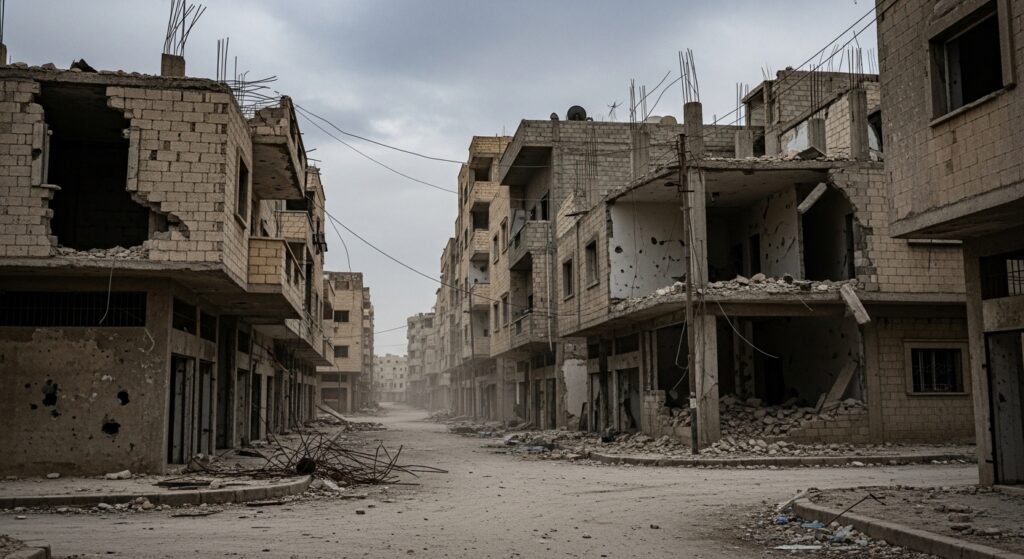
Ongoing conflict has deeply affected daily life across Syria. Many areas remain damaged, and security conditions can shift quickly. Limited access to emergency services and transportation makes travel highly difficult and risky for visitors.
Yemen
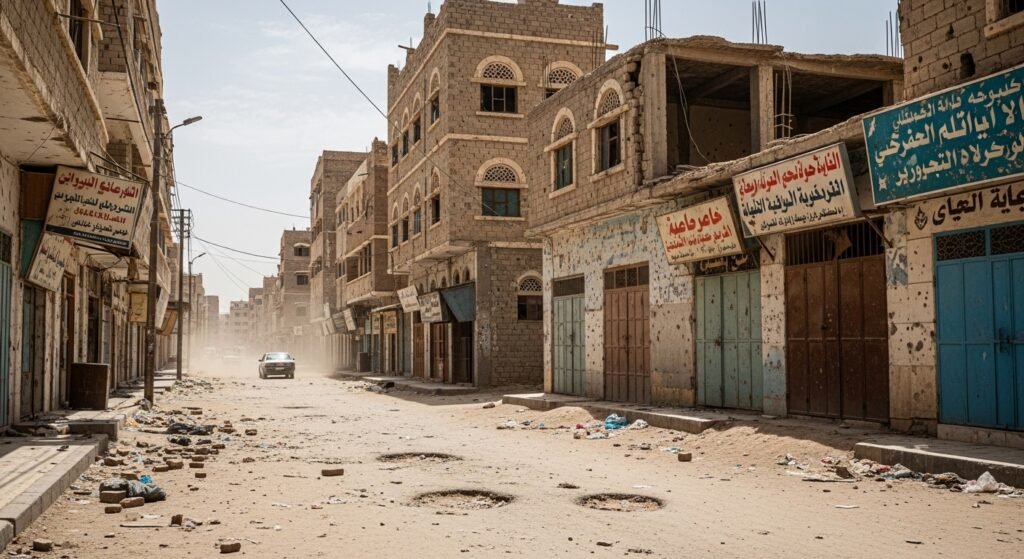
Humanitarian challenges and continued fighting have created dangerous conditions in Yemen. Transportation systems, healthcare facilities, and communication networks often struggle to function normally, leaving travelers without reliable support if problems arise.
Somalia
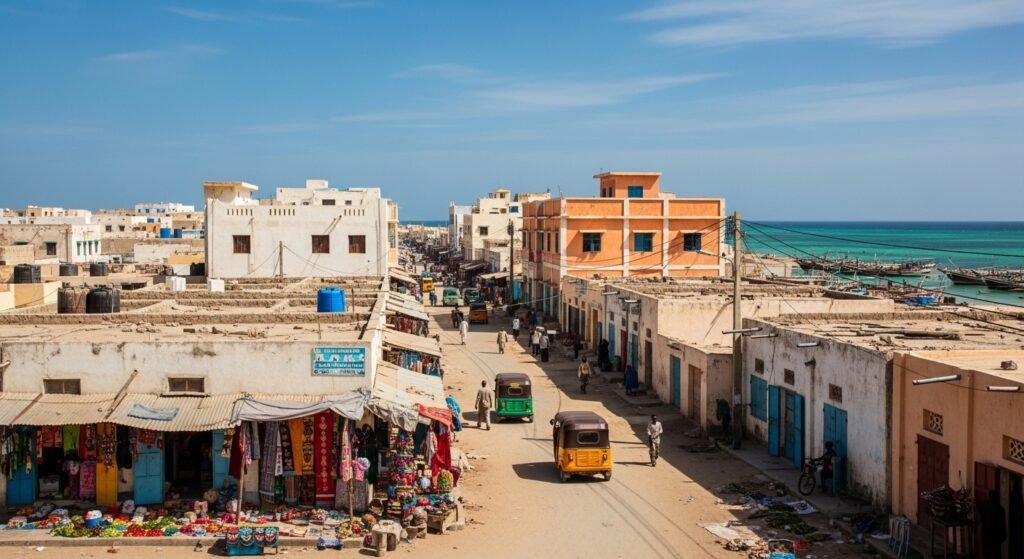
Security concerns, including armed groups and fragile government control, affect several parts of Somalia. Infrastructure and public services are limited in many areas, making travel planning complicated and emergency assistance difficult to access.
North Korea
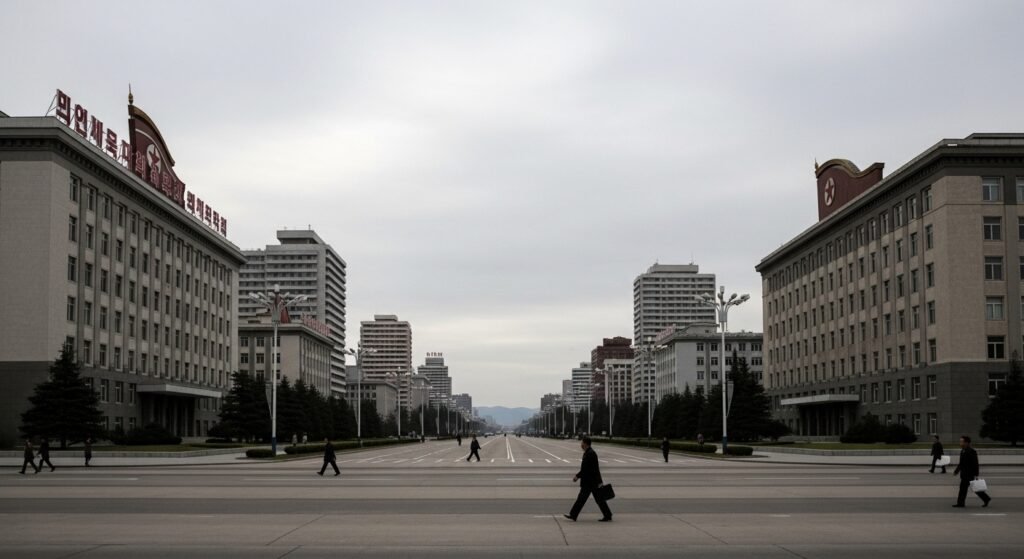
Travel restrictions and limited diplomatic access make visiting North Korea complicated. Strict government regulations apply to foreigners, and sudden policy changes can occur, creating uncertainty for travelers and limited assistance during emergencies.
Haiti
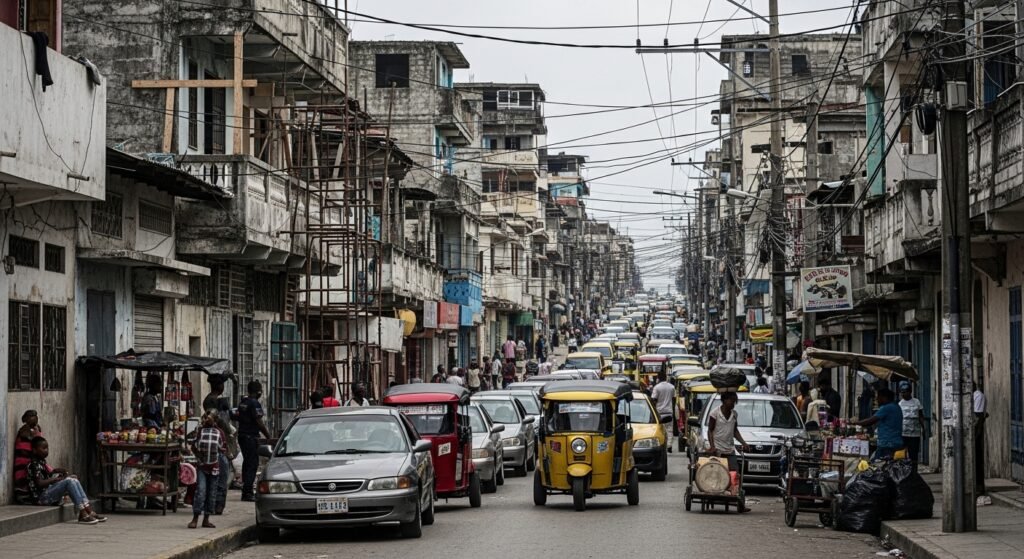
Political instability, economic hardship, and ongoing security concerns have affected daily life in Haiti. Transportation disruptions and limited emergency services contribute to the current recommendation that travelers avoid visiting the country.
Libya
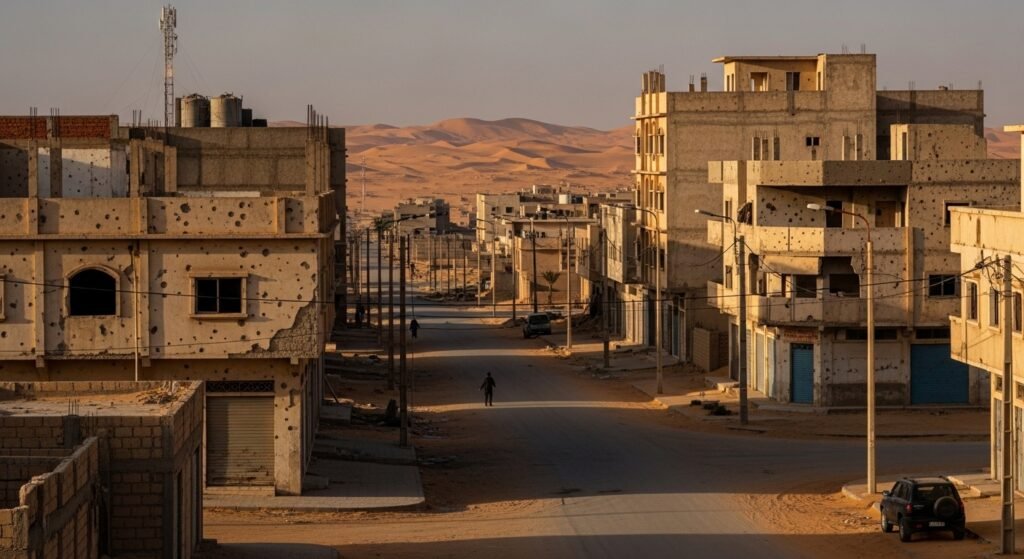
Following years of conflict, parts of Libya still face political divisions and security challenges. Infrastructure recovery remains uneven, and travelers may encounter restricted movement, limited services, and rapidly changing conditions.
South Sudan
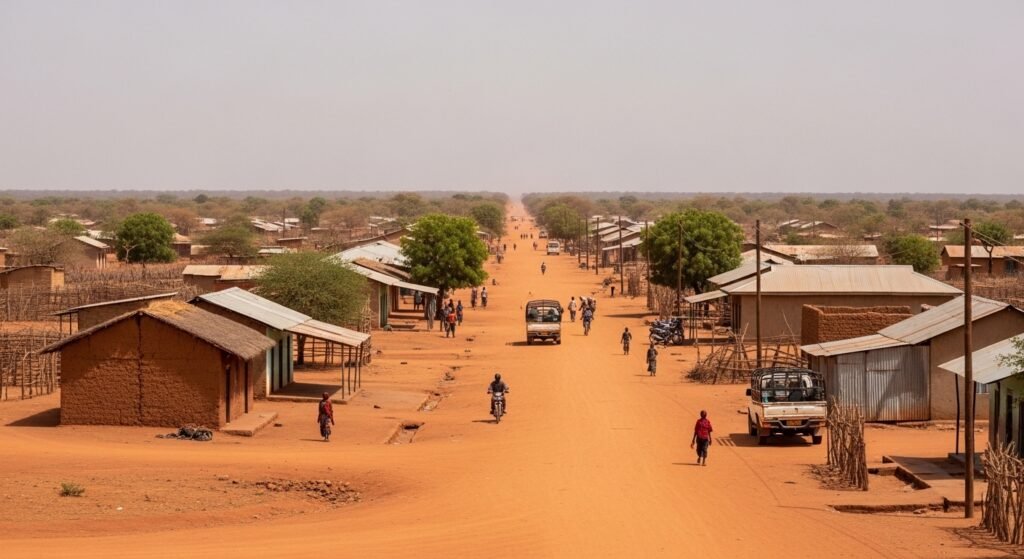
Since gaining independence, South Sudan has faced recurring political tensions and local conflicts. Limited transportation networks and healthcare facilities make travel difficult, while security conditions can change quickly across regions.
Sudan
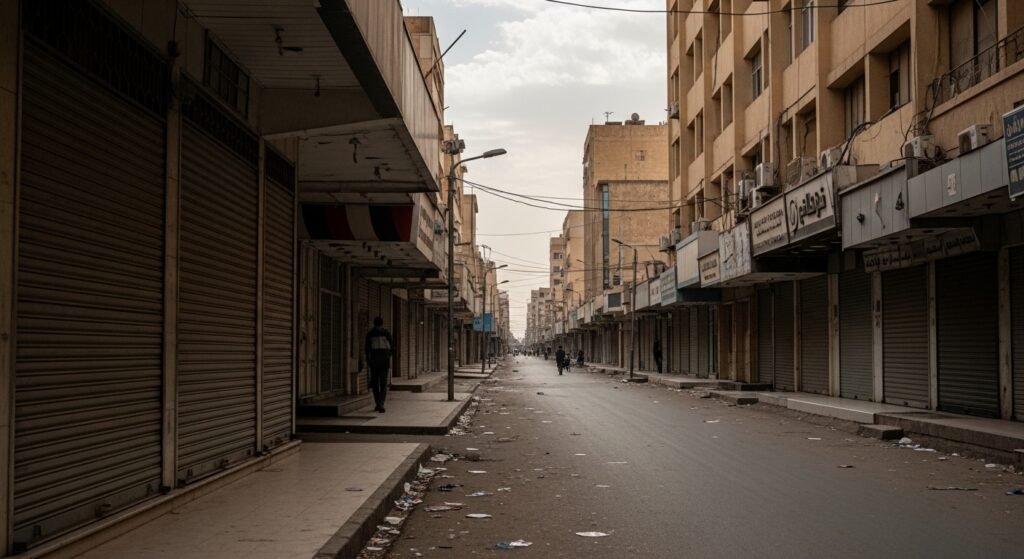
Recent unrest and political tensions have disrupted normal life in Sudan. Transport routes and essential services may operate irregularly, making it difficult for travelers to move safely or obtain assistance when needed.
Myanmar
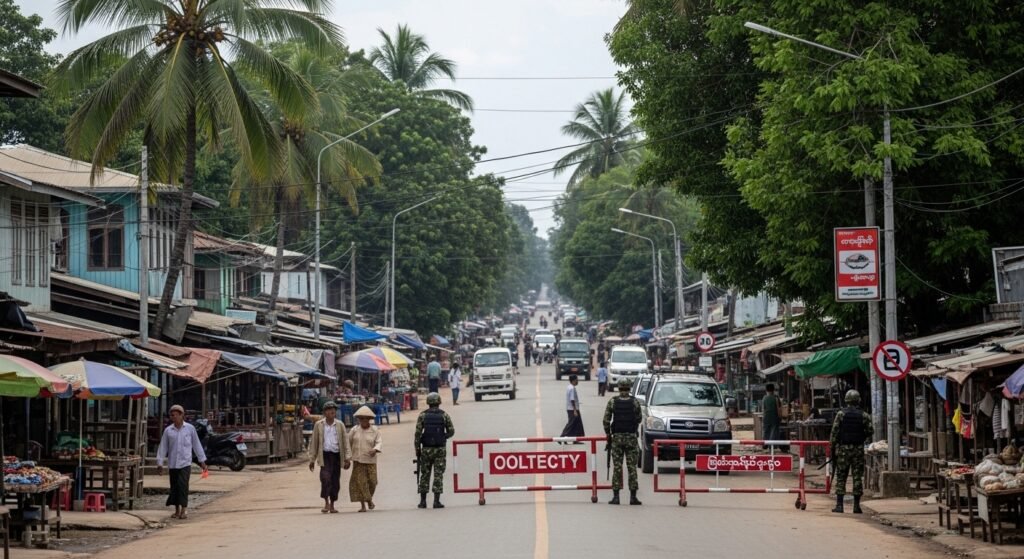
Political upheaval and internal conflict continue to affect parts of Myanmar. Infrastructure disruptions and security concerns remain common in some regions, prompting officials to advise travelers against visiting for the time being.
Iraq
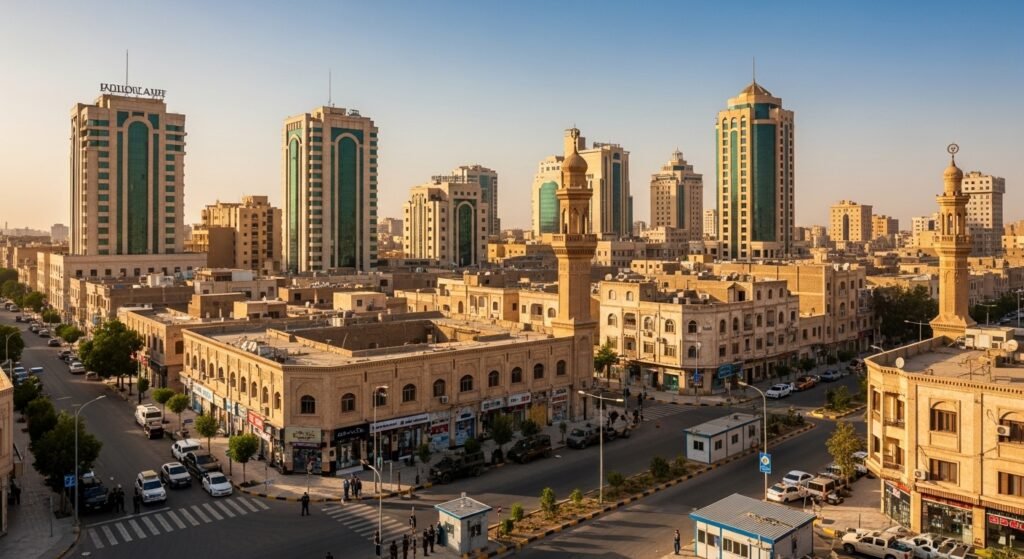
Although some areas of Iraq have stabilized in recent years, several regions still face security risks. Limited infrastructure and potential unrest mean travel advisories continue to recommend avoiding non-essential visits.
