
The hips assist in everyday movement which includes walking, sitting, and lifting. Restricted movement or muscle weakness of this joint usually causes pain and stiffness in the long run. Targeted exercise is done regularly and it alleviates strain due to increased strength, coordination and range of motion. Studies in the field of physical therapy demonstrate that low impact movement reduces stress in joints and facilitates smooth movement. Exercises below are aimed at controlled activities that can be practiced on a regular basis and long term joint management.
Hip Flexor Stretch

Spending a long time sitting results in shortening of hip flexor muscles and reduced extension. A lunge forward stretch is an exercise that is controlled, and it restores length and enhances the mechanics of the stride. Regular stretching of the hip in the front has been found to decrease anterior hip pain according to the physical therapy literature. Stable breathing positioning helps in adaptation of tissues and maintains a stable posture when standing and walking.
Glute Bridge

Weak glute muscles shift load toward the hip joint and lower back. The glute bridge activates posterior chain muscles through controlled hip extension. Electromyography data shows high glute engagement during this movement. Consistent practice improves pelvic stability and supports efficient force transfer during daily tasks such as rising from a chair.
Standing Hip Abduction

Side hip muscles stabilize the pelvis during walking. Standing hip abduction strengthens these muscles through controlled lateral movement. Gait analysis research links stronger hip abductors with reduced joint stress. Slow repetitions using body weight maintain alignment and support balance, especially for individuals who walk or stand for extended periods.
Clamshell Exercise

The clamshell targets deep hip stabilizers often underused in daily movement. Lying side positions reduce joint load while allowing focused muscle activation. Rehabilitation programs frequently include this exercise for hip stiffness management. Small controlled openings of the knees reinforce neuromuscular control and improve joint tracking during rotation tasks.
Hip Internal Rotation Drill
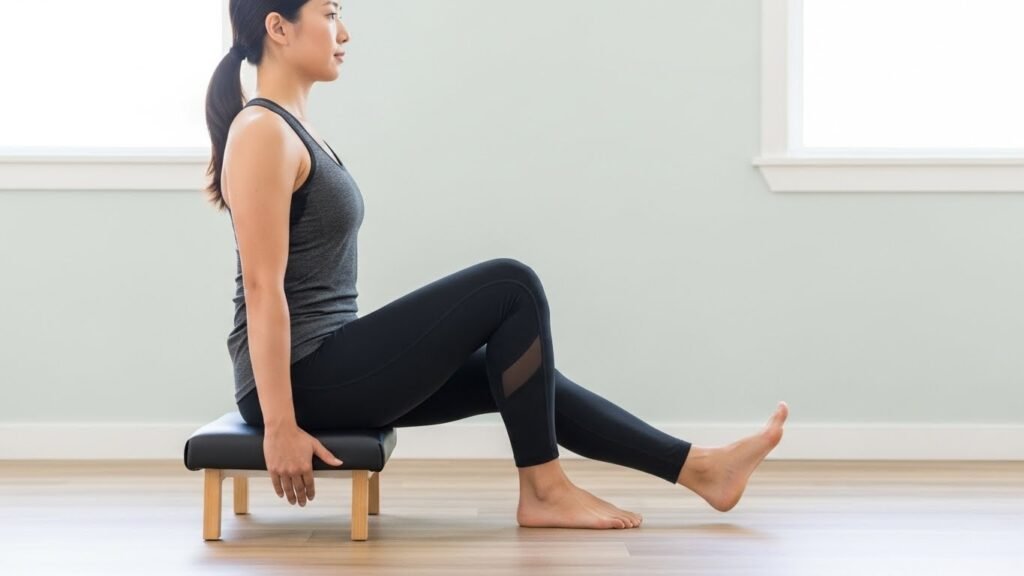
Restricted internal rotation often signals early hip stiffness. Seated internal rotation drills improve joint capsule mobility through gentle motion. Clinical mobility assessments associate improved rotation range with smoother walking patterns. Slow repetitions within a comfortable range support cartilage nutrition by promoting synovial fluid movement around the joint surfaces.
Hamstring Stretch
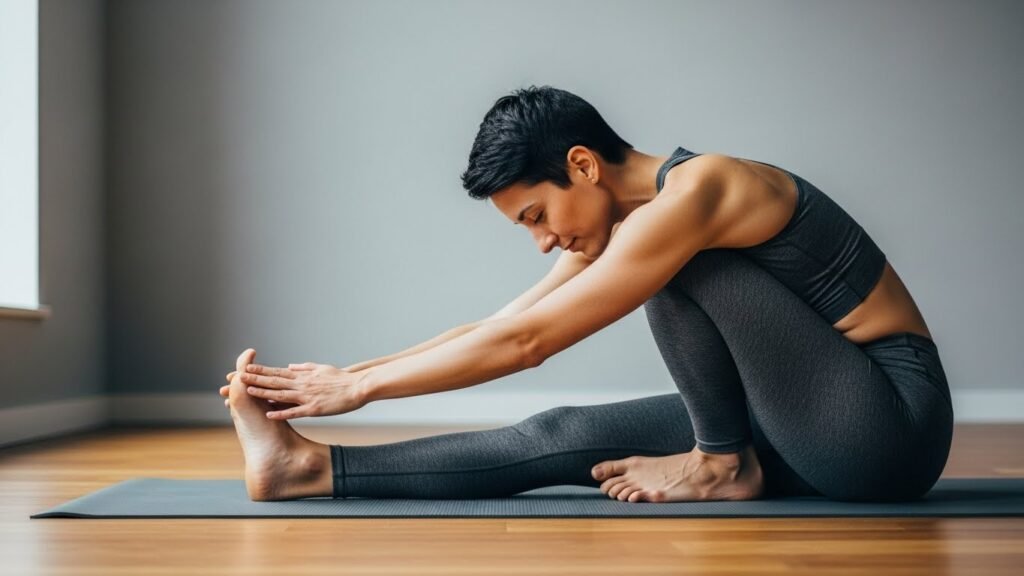
Tight hamstrings alter pelvic alignment and increase hip joint demand. A seated or supine hamstring stretch restores posterior chain flexibility. Motion analysis studies show improved hip extension following consistent hamstring stretching. Controlled holds reduce muscle tone and support coordinated movement between the hips and knees during locomotion.
Bodyweight Squat
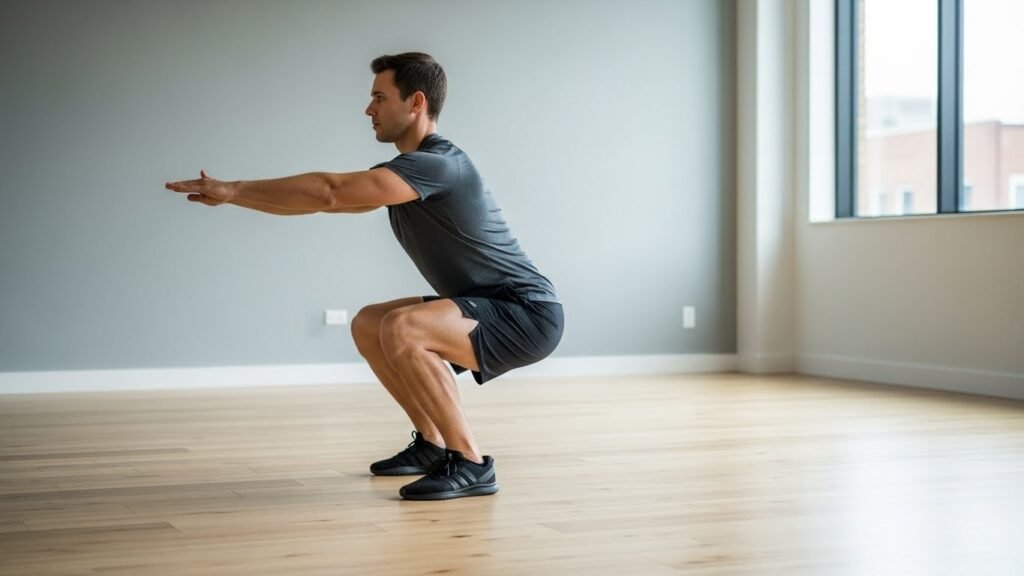
The squat trains coordinated hip, knee, and ankle movement. Proper depth encourages hip flexion while maintaining joint alignment. Strength training research links bodyweight squats with improved lower limb mechanics. Slow controlled descent and ascent reinforce joint awareness and distribute load evenly across supporting muscle groups.
Hip Circles
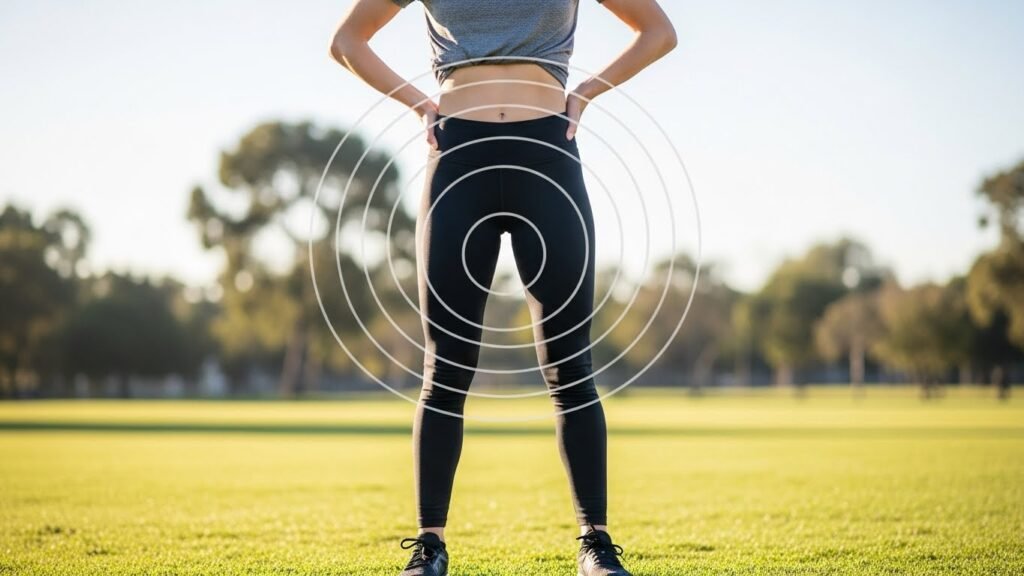
Hip circles promote multi directional joint movement. This exercise addresses stiffness through gentle rotational motion. Warm up protocols in sports medicine often include hip circles to prepare connective tissue. Smooth controlled circles support joint lubrication and improve comfort during transitions such as turning or changing direction.
Step Back Lunge

Step back lunges reduce forward knee stress while training hip control. The backward motion emphasizes glute and hip stabilizer activation. Biomechanical studies show improved hip loading patterns with this variation. Consistent practice supports balance, strength, and confidence during uneven or unpredictable walking conditions.
Figure Four Stretch
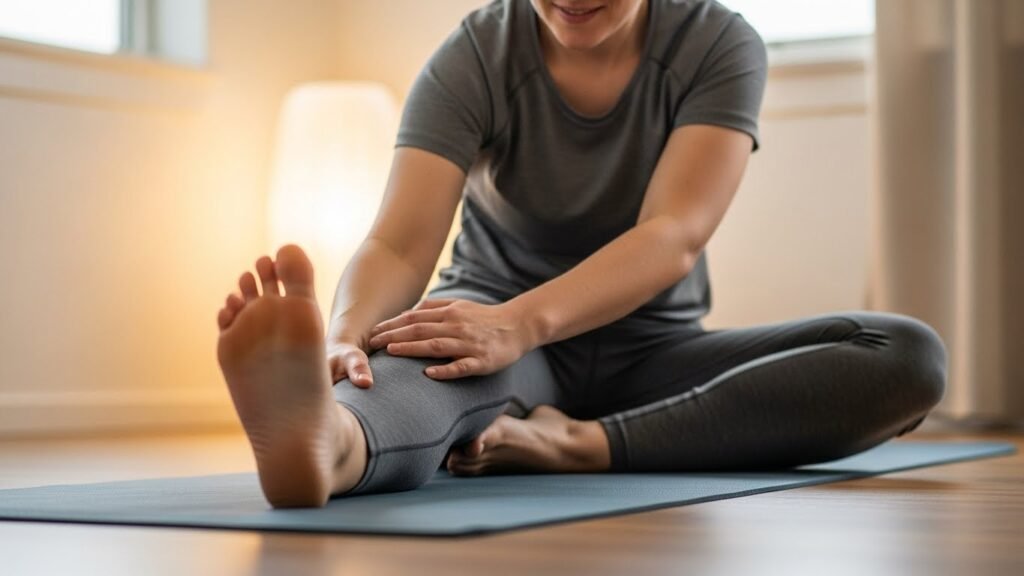
The figure four stretch addresses external rotators and posterior hip muscles. Limited flexibility in these areas often contributes to seated discomfort. Stretching protocols in orthopedic care include this position for hip mobility. Gentle sustained holds improve rotational freedom and support comfortable sitting and cross leg movements.
